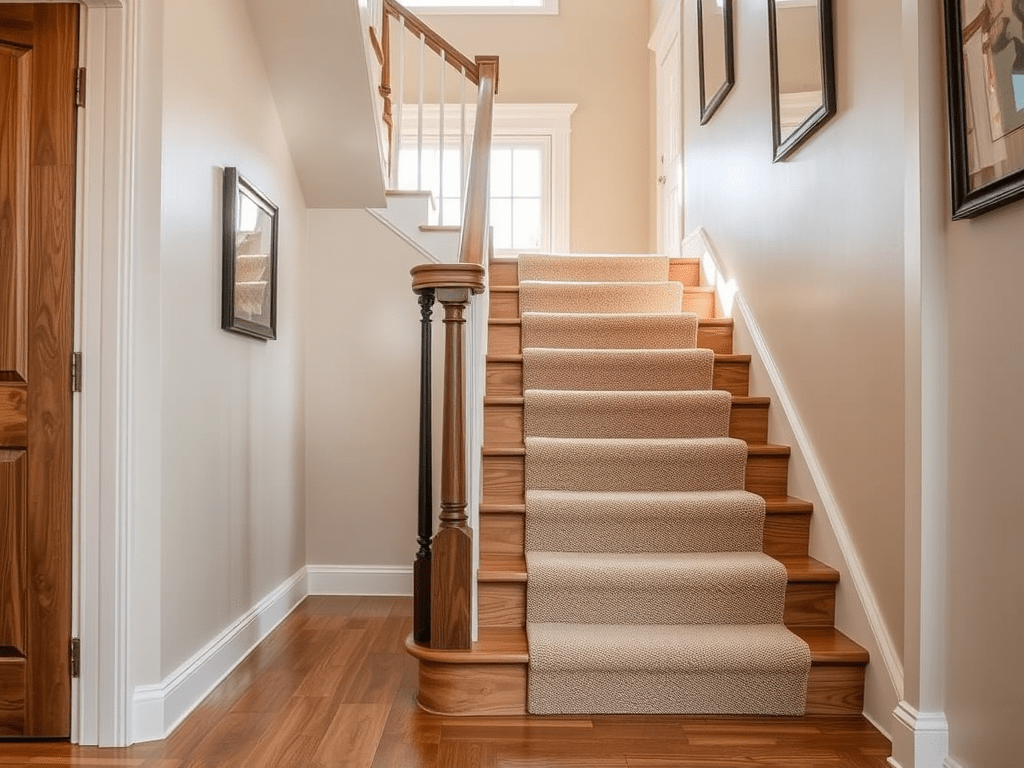
Choosing the Perfect Wall Color: How to Decide When You Love Too Many Options

Choosing a wall color can feel exciting and overwhelming all at once. One moment you’re in love with soft neutrals, the next you’re dreaming of bold blues, warm terracottas, or calming greens. The hardest part? Knowing that once the paint is on the wall, you have to live with it. That pressure alone can make even the most confident decorator second-guess every choice.

But choosing the right wall color doesn’t have to be stressful. It’s about finding a shade that feels like you, works with your space, and creates the mood you want to come home to every day.


How Do You Choose When You’re Torn Between Several Ideas?

When you’re stuck between multiple colors, start by narrowing your choices with intention:

  1. Look at Your Existing Decor
    Your furniture, flooring, curtains, and artwork already set a color tone. Ask yourself:
    • Are they warm or cool?
    • Are they neutral or bold?
    • Do you want the walls to blend in or stand out?
  2. Think About the Feeling You Want
    Every color tells a story:
    • Soft neutrals = calm and timeless
    • Blues and greens = peaceful and refreshing
    • Yellows and warm tones = cheerful and inviting
    • Deep shades = dramatic and cozy
    Choose the color that supports how you want to feel in the room.
  3. Use Sample Paint Swatches (Big Ones!)
    Paint small sections of your wall with each option and live with them for a few days. Watch how they change:
    • Morning vs. evening
    • Natural light vs. artificial light
      You’ll quickly see which one feels right.
  4. Trust Your First Favorite
    Most of the time, the color you’re drawn to first is the one your heart already chose.

How Do You Make the Right Choice Knowing You Have to Live With It?

It’s normal to worry about regret, but there are ways to protect yourself:

  • Start Small
    If you’re nervous, try bold colors in:
    • An accent wall
    • A bathroom
    • A hallway
      These spaces let you experiment without full commitment.
  • Choose Timeless Over Trendy
    Trends come and go, but a color that fits your lifestyle and personality will last longer.
  • Remember: Paint Is Temporary
    One of the best parts of paint is that it’s changeable. If you ever decide it’s not for you, you can repaint.

Color Match Ideas That Always Work

Here are some reliable color combinations that create balance and beauty:

  • Warm Neutrals + Soft White
    Beige, greige, or taupe with crisp white trim feels classic and elegant.
  • Navy + Gold Accents
    Perfect for sophistication and depth.
  • Sage Green + Cream
    Natural, peaceful, and perfect for relaxing spaces.
  • Blush Pink + Charcoal Gray
    Soft but modern and stylish.
  • Terracotta + Warm Ivory
    Cozy, earthy, and inviting.
  • Light Gray + Pastel Accents
    A neutral base that allows décor to shine.

Why Some Colors Work Better in Certain Spaces

Different rooms have different energy, and color should support that.

  • Living Room
    Best colors: Warm neutrals, soft greens, muted blues
    These promote comfort and conversation.
  • Bedroom
    Best colors: Blues, lavenders, sage, warm grays
    These create calm and encourage rest.
  • Kitchen
    Best colors: Whites, soft yellows, light blues, sage
    They feel clean, fresh, and energizing.
  • Bathroom
    Best colors: Light gray, seafoam, soft white, pale blue
    These give spa-like vibes and openness.
  • Home Office
    Best colors: Navy, green, muted terracotta
    These support focus and creativity.

Lighting, room size, and ceiling height also play a role:

  • Light colors make small rooms feel larger.
  • Dark colors make large rooms feel cozier.
  • Warm tones make spaces feel inviting.
  • Cool tones make spaces feel clean and open.

Final Thoughts

Choosing wall color is more than decorating—it’s emotional. It’s about creating a space that feels like home. When you’re torn between several ideas, slow down, test your options, and trust how each color makes you feel. There is no “wrong” color, only the one that fits your story best at this moment.

Your walls are the canvas of your life. Paint them with intention, confidence, and a little bit of courage.

An Appreciation of Home Décor: More Than Just Decorating, It’s a Lifestyle

Home décor is more than furniture, wall art, and color palettes. It’s the heartbeat of a home. It’s how a space becomes personal, meaningful, and alive. When we talk about home décor, we’re really talking about how we choose to express ourselves in the place where we rest, grow, love, and create memories.

So, what exactly is home décor?
Home décor is the art of styling and arranging a space to reflect comfort, personality, and functionality. It includes everything from furniture and lighting to rugs, curtains, artwork, plants, and even the small details like throw pillows or decorative trays. It’s how a house becomes your home. It’s the difference between walking into a room and feeling nothing… versus walking in and instantly feeling peace, joy, or inspiration.

Home décor is not about perfection. It’s about intention.


How Did Home Décor Become What It Is Today?

Home décor has evolved alongside society. In the past, decorating was often about status and wealth. Large furniture, expensive materials, and elaborate designs symbolized success. Over time, décor shifted from being about impressing others to being about comfort and self-expression.

With the rise of social media, DIY culture, and affordable design options, home décor became accessible to everyone. You no longer need a large budget or a designer to create a beautiful space. Pinterest boards, TikTok inspiration, and home décor blogs have made styling your home feel exciting, creative, and achievable.

Today, home décor blends:

  • Style and comfort
  • Function and beauty
  • Trend and personality

It reflects how people want their homes to feel, not just how they look.


Why Do So Many People Love Home Décor?

Because home décor is emotional.
It’s personal.
It’s therapeutic.

For many, decorating is a form of self-care. Rearranging furniture, changing color schemes, or adding a new piece can instantly lift your mood. It gives a sense of control and creativity in a world that often feels chaotic.

People love home décor because:

  • It allows self-expression without words
  • It creates comfort and security
  • It turns ordinary spaces into sanctuaries
  • It tells your story

Your home shows where you’ve been, what you love, and who you are becoming.


What Makes Home Décor So Popular?

Home décor is popular because it connects to something deeply human: the need to belong and feel safe.

We all want a place that feels like us. A place where we can relax, recharge, and be ourselves. Home décor makes that possible. It transforms empty rooms into meaningful environments. It creates atmosphere, warmth, and personality.

It’s also popular because:

  • It evolves with us
  • It adapts to our lifestyles
  • It grows with our experiences

Your style today might be different in five years, and that’s the beauty of it. Home décor grows as you grow.


Home Décor Is a Reflection of the Soul

Home décor isn’t about following every trend or owning the most expensive items. It’s about creating a space that feels authentic. A space that welcomes you after a long day. A space that inspires you in the morning. A space that tells your story without saying a word.

When you appreciate home décor, you appreciate:

  • Creativity
  • Comfort
  • Individuality
  • Emotional connection

Your home becomes a living vision board. It becomes proof that beauty exists in everyday life, in the smallest details, and in the spaces we create for ourselves.

Home décor isn’t just popular.
It’s powerful.

Let There Be Light: A Complete Guide to Lamps in Your Home

Lamps are one of the most underrated design elements in home décor. They don’t just brighten a room—they set moods, highlight style, and make your space feel warm and lived-in. Whether you’re decorating a new home, refreshing a room, or trying to make a space more functional, the right lamp can completely transform your environment.

So let’s talk lamps: what they are, the different types, where they work best, and how to use them in both practical and stylish ways.


Why Are Lamps Important?

Lamps do more than provide light. They:

  • Create ambiance and mood
  • Add layers of lighting to a room
  • Improve functionality (reading, working, relaxing)
  • Act as decorative accents
  • Make spaces feel cozy and inviting

Overhead lighting alone can feel harsh and flat. Lamps soften a room and give you control over how bright or calm your space feels.


Different Types of Lamps

Each type of lamp serves a unique purpose and fits different spaces.

1. Table Lamps
Perfect for side tables, nightstands, desks, and consoles.

  • Add warmth and balance
  • Great for reading or accent lighting
  • Easy to switch out for seasonal or style updates

2. Floor Lamps
Ideal for living rooms, bedrooms, and reading corners.

  • Fill empty corners
  • Provide strong ambient or task lighting
  • Come in styles like arc, tripod, and torchiere

3. Desk Lamps
Designed for workspaces and study areas.

  • Focused task lighting
  • Reduce eye strain
  • Often adjustable and compact

4. Bedside Lamps
A type of table lamp specifically for bedrooms.

  • Soft, calming light
  • Functional for nighttime routines
  • Adds symmetry and style to the room

5. Accent Lamps
Small lamps used mainly for decoration.

  • Highlight shelves or corners
  • Add personality and charm
  • Great for layering light

6. Wall Lamps / Sconces
Mounted on walls for space-saving lighting.

  • Ideal for small spaces
  • Great for hallways, bathrooms, and bedrooms
  • Adds a high-end feel

7. Buffet Lamps
Tall, slim lamps often used on sideboards or consoles.

  • Elegant and decorative
  • Perfect for dining rooms or entryways

Best Types of Lamps for Different Spaces

Living Room

  • Floor lamps for corners
  • Table lamps for end tables
  • Accent lamps for shelves or consoles
    Purpose: Warm ambiance + functional lighting

Bedroom

  • Matching bedside table lamps
  • Soft lighting with warm bulbs
    Purpose: Relaxation and comfort

Home Office

  • Desk lamp + floor or table lamp
    Purpose: Bright, focused lighting without harsh overhead light

Dining Room

  • Buffet lamps on sideboards
  • Wall sconces
    Purpose: Cozy and elevated atmosphere

Entryway

  • Table lamp on a console table
    Purpose: Welcoming glow and first impression

Bathroom

  • Wall lamps or small accent lamps (where safe)
    Purpose: Soft, spa-like lighting

Practical & Stylish Ways to Use Lamps

1. Layer Your Lighting
Use a mix of:

  • Overhead lights
  • Lamps
  • Accent lighting

This adds depth and flexibility to your room.

2. Match the Lamp to Your Style

  • Modern: Sleek metal, neutral tones
  • Boho: Textured shades, wood bases
  • Glam: Crystal, gold, or rose gold finishes
  • Farmhouse: Ceramic, linen shades, soft colors

3. Use Lamps as Decor Pieces
Think of lamps as accessories:

  • Choose unique shapes
  • Use bold colors or finishes
  • Make them statement pieces

4. Create Cozy Corners
Add a floor lamp and a chair to make a reading nook or relaxation space.

5. Play With Bulbs
Different bulbs create different moods:

  • Warm white = cozy and inviting
  • Cool white = clean and modern
  • Dimmable = flexible for day and night

6. Balance Your Space
Use lamps to visually balance furniture:

  • A sofa looks complete with lamps on both sides
  • A bed feels polished with matching lamps

Final Thoughts

Lamps are a powerful design tool. They bring warmth, personality, and functionality into your home in a way few other décor items can. Whether you’re using a bold floor lamp to anchor a living room or a soft bedside lamp to wind down at night, lighting shapes how your home feels.

When chosen thoughtfully, lamps don’t just light your space—they elevate it.

How to Choose the Right Front Door for Your Home — A First‑Time Homebuyer’s Guide


So — you just bought your first home (woohoo)! The paint is fresh, the floors feel cozy, and you’re ready to make it your place. But there’s just one thing driving you nuts: the front door. It doesn’t match your vibe, it doesn’t feel welcoming, or maybe it’s just plain boring.

Let’s walk through how to choose a front door that makes the perfect first impression — and also suits your home’s architecture, budget, and lifestyle.


Why the Front Door Matters (More Than You Think)

Your front door isn’t just functional — it’s a statement piece. It sets the tone for your entire home and plays a big role in:

Security & Durability

A good door keeps your family safe and stands up to weather, sun, and everyday wear.

Energy Efficiency

The right materials help seal out drafts and save on energy bills. Look for insulated cores and tight seals for the best performance. (Door Digest)

Curb Appeal

A stylish front door instantly boosts your home’s look and value — and it’s one of the first things buyers notice too.


Step 1: Pick the Right Material

The first major choice is what your door is made of. Each material brings its own benefits:

Wood — Classic & Customizable

Natural beauty and warmth that fits traditional and craftsman‑style homes. You can stain or paint it, but wood will require maintenance over time. (doors.com)

Fiberglass — Low‑Maintenance & Durable

A top choice for many first‑time buyers because it resists cracking, warping, and rot — yet can mimic real wood grain. Energy‑efficient fiberglass doors are ideal for all climates. (doors.com)

Steel — Strong & Budget‑Friendly

Steel doors are highly secure and typically more affordable. They often have foam insulation for energy efficiency, but dents can show more easily. (Lowe’s)

Iron — Statement & Security

Perfect if you want a bold entrance with ornate design elements — especially for Mediterranean or Tuscan homes — though usually at a higher price. (doors.com)


Step 2: Match Your Home’s Style

Not all doors work for every architectural style. Here’s a quick style guide:

Colonial / Georgian – Symmetrical six‑panel wood or wood‑look fiberglass with classic colors like navy or deep green. (reimaginehome.ai)
Craftsman / Bungalow – Doors with small square glass panes at the top and warm wood finishes. (reimaginehome.ai)
Farmhouse – Shaker panels or simple plank designs in soft neutrals. (reimaginehome.ai)
Modern / Contemporary – Sleek lines, full‑glass accents, or bold solid colors. (doors.com)
Mediterranean / Tudor – Arched or wrought‑iron doors for old‑world charm. (reimaginehome.ai)

Tip: Take cues from your siding, trim, and roof — the door should feel like a natural extension of your home’s exterior.


Step 3: Decide Door Type & Features

Here are common options you might consider:

Single Front Doors – Classic choice for most homes, and offers tons of style flexibility. (doors.com)
Double Doors – Great for larger entryways or if you love a dramatic look. (doors.com)
Glass Panels or Sidelights – Let in light and create an inviting entry. (The Home Depot)
Transoms – Window above the door for extra brightness. (The Home Depot)


Step 4: Choose Color & Finish

The right color can elevate the whole facade. 2026 color trends lean toward classic blues, teals, deep reds, and warm wood stains — all of which pair beautifully with most homes and landscaping. (House Beautiful)

💡 Design tip: Avoid overly bright or neon hues unless you really want a bold pop; these can clash with your home or fade quickly. (Homes and Gardens)


Top Door Picks on the Market Right Now

Here are some popular and highly rated options that fit a variety of budgets and styles:

MMI DOOR Spotlights Fiberglass Front Door

$1,427.84

MMI Door Grace Fiberglass Front Door

$1,723.89

Therma‑Tru Shaker Entry Door

$2,781.04

Therma‑Tru Montebello Entry Door

$2,295.46

Masonite 9‑Lite Steel Entry Door

$809.00

Waydoor Craftsman Front Door

$799.99

ARK DESIGN 6‑Lite Wood Front Door

$547.99

CALHOME Modern Fiberglass Front Door

$973.00

Best All‑Around Performance

Classic & Stylish Options

Durable & Budget‑Friendly

Natural & Customizable


Final Tips Before You Buy

Measure like a pro: Double‑check height, width, and swing direction before ordering a new door. (The Home Depot)

Pre‑hung vs. Slab: Pre‑hung doors include the frame and are easier to install, especially if you’re replacing an old, worn‑out frame. (Spoken)

Don’t forget hardware: Stylish handlesets, deadbolts, and knockers elevate the look (and security) of your door.


Choosing the right front door might feel overwhelming at first, but once you break it down by material, style, and function, you’ll find a look that not only complements your home — it welcomes you every day.

Small Kitchens, Big Storage: How to Create Storage When There Are No Cabinets


Small kitchens can feel overwhelming—especially when cabinet space is limited or nonexistent. Whether you’re living in an apartment, a studio, an older home, or a rental with minimal built-ins, the lack of storage doesn’t mean you’re out of options.

The good news? With a little creativity and intentional planning, you can create functional, stylish storage in even the tiniest kitchens. Let’s break down practical ways to add storage without adding cabinets—or making your kitchen feel cluttered.


Start by Rethinking “Storage”

When cabinets aren’t available, storage doesn’t disappear—it just changes form. Think beyond traditional cabinetry and focus on:

  • Vertical space
  • Multi-functional furniture
  • Open and visible storage
  • Portable and renter-friendly solutions

Once you shift your mindset, small kitchens suddenly become full of possibility.


Use Vertical Space to Your Advantage

Install Open Shelving

Open shelves are one of the best solutions for kitchens without cabinets. They provide storage without visual heaviness and make essentials easily accessible.

What to store on open shelves:

  • Everyday dishes and mugs
  • Glass jars with pantry staples
  • Cookbooks
  • Decorative bowls or plants

Stick to a cohesive color palette to keep the shelves looking organized rather than cluttered.

Add Wall-Mounted Racks and Rails

Wall rails with hooks can instantly add storage without taking up floor space.

Use them for:

  • Cooking utensils
  • Measuring cups
  • Pots and pans
  • Dish towels

Magnetic knife strips are another great option to free up counter space while keeping knives accessible.


Make the Most of Countertop Storage

When cabinets are scarce, your countertops need to work smarter—not harder.

Use Tiered Organizers

Tiered stands or risers create layers of storage, allowing you to store more items in the same footprint.

Perfect for:

  • Spices
  • Coffee essentials
  • Small appliances

Choose Attractive Storage Containers

Since items will be visible, choose storage that doubles as décor. Glass jars, ceramic canisters, and woven baskets keep things tidy while enhancing the kitchen’s aesthetic.


Add Furniture That Works Like Storage

Bring in a Kitchen Cart or Island

A rolling kitchen cart is a game-changer for small kitchens.

Benefits include:

  • Extra prep space
  • Open shelving for cookware or appliances
  • Wheels for flexibility

Some even come with drawers or towel bars for additional storage.

Use a Slim Console or Sideboard

A narrow sideboard or buffet can act as a pantry alternative.

Store:

  • Small appliances
  • Pantry items
  • Serving dishes

This works especially well in kitchens that open into dining or living areas.


Don’t Ignore Doors and Hidden Spaces

Use the Back of Doors

The inside of pantry doors, entry doors, or even under-sink cabinet doors (if you have one) can hold:

  • Over-the-door organizers
  • Spice racks
  • Cleaning supplies

Utilize Under-Sink Space

Even without cabinets, you can use stackable bins or tension rods under the sink to organize supplies efficiently.


Think Portable and Renter-Friendly

If drilling isn’t an option, there are plenty of temporary solutions:

  • Adhesive hooks
  • Tension rods
  • Freestanding shelves
  • Stackable storage bins

These options are perfect for renters and can easily move with you.


Keep It Minimal and Intentional

When storage is limited, editing is essential.

Ask yourself:

  • Do I use this regularly?
  • Can one item serve multiple purposes?
  • Is this worth the space it takes up?

Small kitchens thrive when every item earns its place.


Small Kitchens Can Still Be Functional (and Beautiful)

A lack of cabinet space doesn’t mean your kitchen has to feel unfinished or frustrating. With thoughtful storage solutions, vertical thinking, and a bit of creativity, even the smallest kitchen can be efficient, organized, and stylish.

Small spaces aren’t about having less—they’re about using what you have better.