
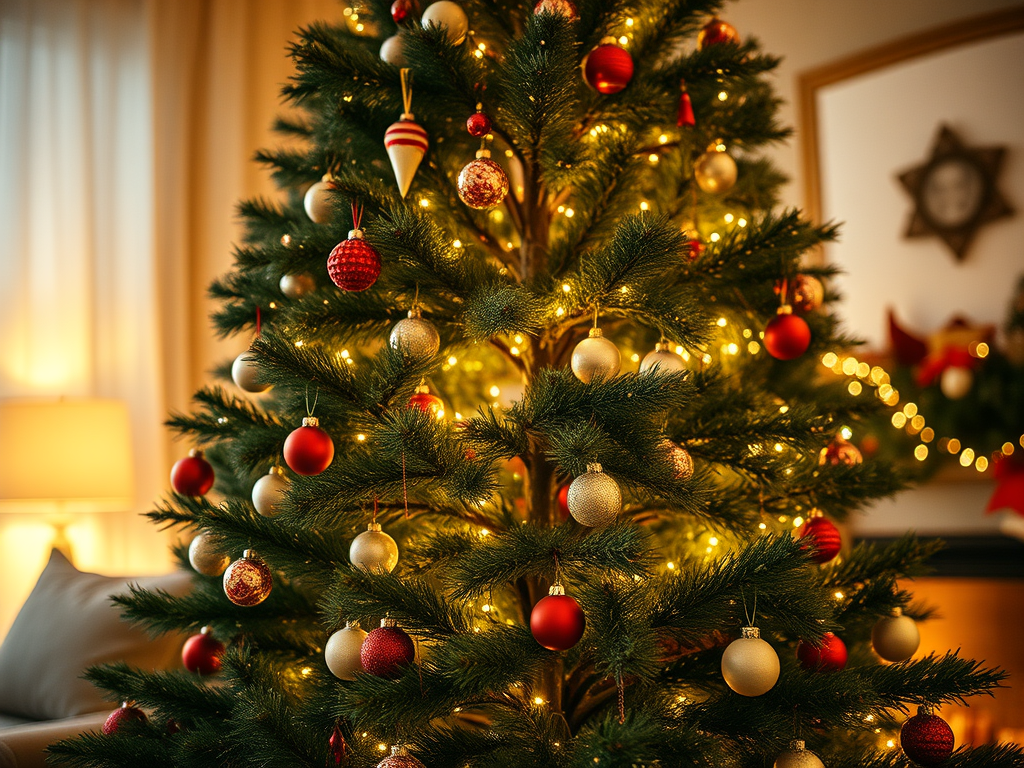
As the holiday season approaches, one of the most exciting decisions is choosing the perfect Christmas tree. But with so many options—natural or artificial, big or small, pre-lit or unlit—how do you know which one is right for you? In this post, we’ll break down the pros and cons of real and artificial trees and offer tips to help you pick the best tree for your home.

1. Real Christmas Trees: Pros and Cons
Pros:
- Fresh Scent: A real tree brings that fresh pine fragrance that fills the home with nostalgia and festive cheer.
- Natural Look: Every real tree has a unique shape and texture, giving your holiday decor a more organic feel.
- Eco-Friendly Option (if Recycled): Many tree farms practice sustainable harvesting, and once the season ends, real trees can be recycled or composted.
- Family Tradition: For many, going out to pick a real tree is a cherished holiday tradition that can be a fun family experience.
Cons:
- Maintenance: Real trees require regular watering to prevent needles from drying out and dropping. This can be messy and time-consuming.
- Allergies: Some people are allergic to pine or mold spores that may develop on the tree.
- Short Lifespan: A real tree generally lasts about four to six weeks, making it best for those who decorate closer to the holiday.
- Disposal: After the holidays, you’ll need to find a way to dispose of the tree, which can be a hassle if recycling options aren’t available.
2. Artificial Christmas Trees: Pros and Cons
Pros:
- Low Maintenance: Artificial trees don’t need watering, and there’s no need to worry about shedding needles.
- Reusable: With proper storage, artificial trees can last for several years, making them a cost-effective option in the long run.
- Pre-Lit Options: Many artificial trees come pre-lit, saving you time on stringing lights and ensuring an even distribution.
- Variety of Styles: Artificial trees come in various colors, sizes, and shapes, from traditional green to modern white or even pink.
Cons:
- Storage Space: You’ll need to store your artificial tree, which can take up significant space if it’s large.
- Environmental Impact: Made from plastics and metals, artificial trees can’t be recycled easily and may take years to decompose.
- No Pine Scent: Artificial trees don’t bring the natural fragrance of pine, although some people add pine-scented candles or sprays for a similar effect.
- Higher Upfront Cost: While an artificial tree can be a long-term investment, the initial purchase cost is often higher than buying a real tree each year.
3. How to Decide Which Tree Is Right for You
Choosing between a real and artificial tree depends on several factors. Here are some key considerations:
1. Budget:
- If you’re looking for a cost-effective option that lasts multiple years, an artificial tree is a wise investment. However, if you don’t mind spending a little each year, a real tree is an affordable annual tradition.
2. Family Preferences and Traditions:
- Families who enjoy the experience of picking out and decorating a fresh tree may find a real tree more meaningful. If you’re looking for simplicity and ease, an artificial tree is ideal.
3. Space:
- Artificial trees take up storage space, so if you’re short on storage, consider if you’re willing to dedicate a closet or storage room for it. Real trees don’t have this issue but require disposal after the season.
4. Environmental Impact:
- A real tree can be an eco-friendly choice, especially if you recycle it. However, if you prefer an artificial tree, look for one made with recycled or eco-conscious materials.
5. Allergies and Health:
- For those with allergies, an artificial tree may be more suitable, as some people are sensitive to the natural tree’s pollen or mold.
6. Scent Preferences:
- If the scent of a fresh pine tree is a non-negotiable part of the season, a real tree will be your best choice. For those who choose artificial but want the scent, consider pine-scented decorations or candles.
4. What Size and Shape?
Once you’ve decided between real and artificial, the next step is choosing the right size and shape for your space. Here are some tips:
- Room Height: Measure your ceiling height and choose a tree that leaves at least six inches of space between the top of the tree and the ceiling.
- Tree Width: Consider your available floor space and how much width your tree can take up without overwhelming the room.
- Slim Trees for Smaller Spaces: If you’re in a smaller apartment or have limited space, a slim or pencil-style tree can give you the holiday feel without taking up as much room.
5. Care and Maintenance Tips
Real Tree:
- Place your tree in a water-holding stand, and check the water level daily.
- Keep the tree away from heat sources like radiators or fireplaces.
Artificial Tree:
- Dust the tree before decorating, especially if it’s been in storage.
- Store it in a bag or box specifically for artificial trees to keep it clean and protected for next year.
Final Thoughts
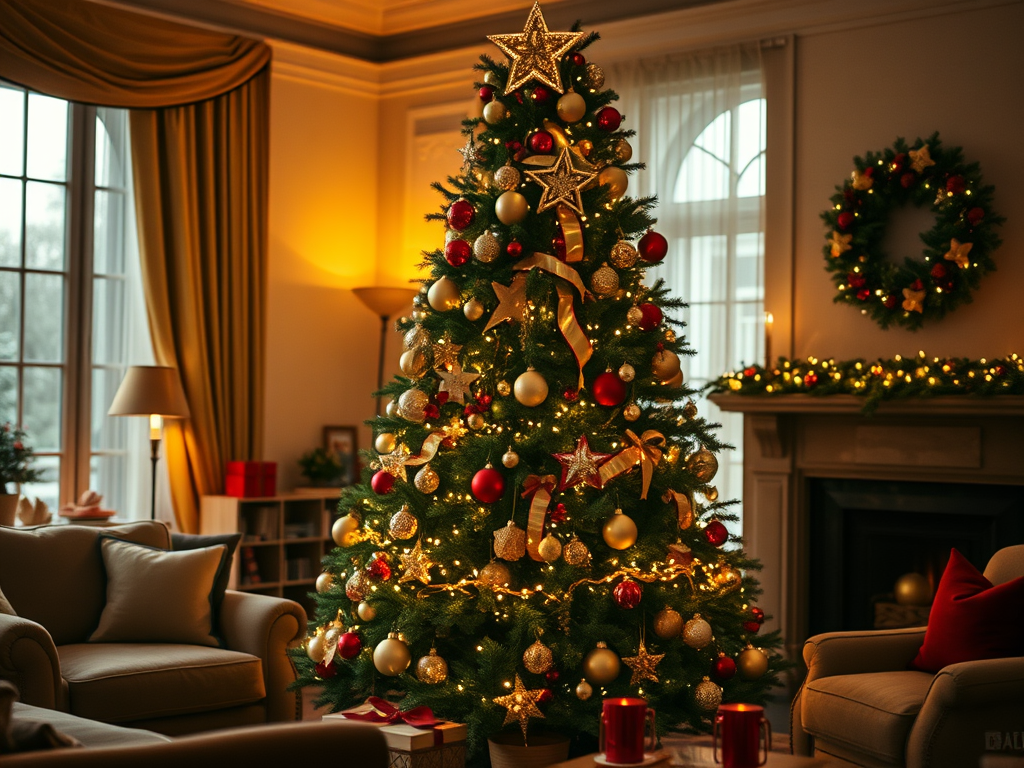
Both real and artificial Christmas trees have their unique benefits, and the best tree for you depends on your lifestyle, values, and holiday vision. Whether you go for a real tree’s fresh aroma or the convenience of an artificial tree, the most important thing is creating a warm, festive space that brings joy to your family and friends.
Happy holiday decorating! 🎄

 Discoveringlifellc
Leave a comment