
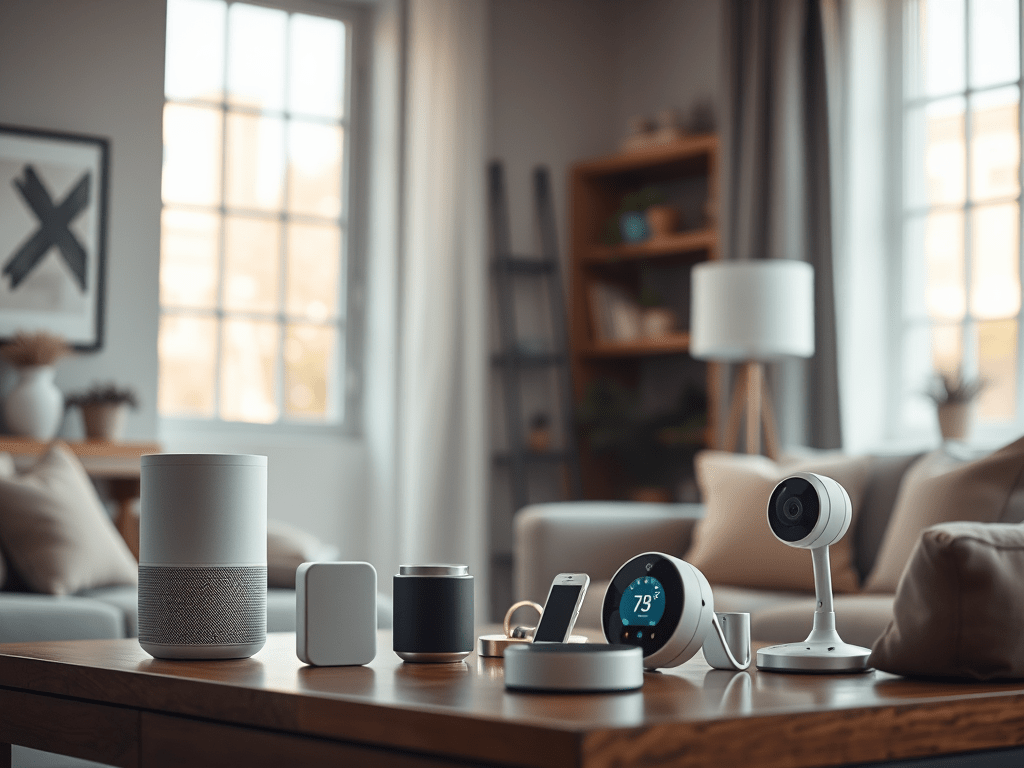
In the age of smart homes, devices like smart speakers, thermostats, and cameras are making home life more streamlined and accessible. But beyond the obvious perks, there are some concerns. Should you be scared to have these devices in your home? Are they really as safe as they seem?
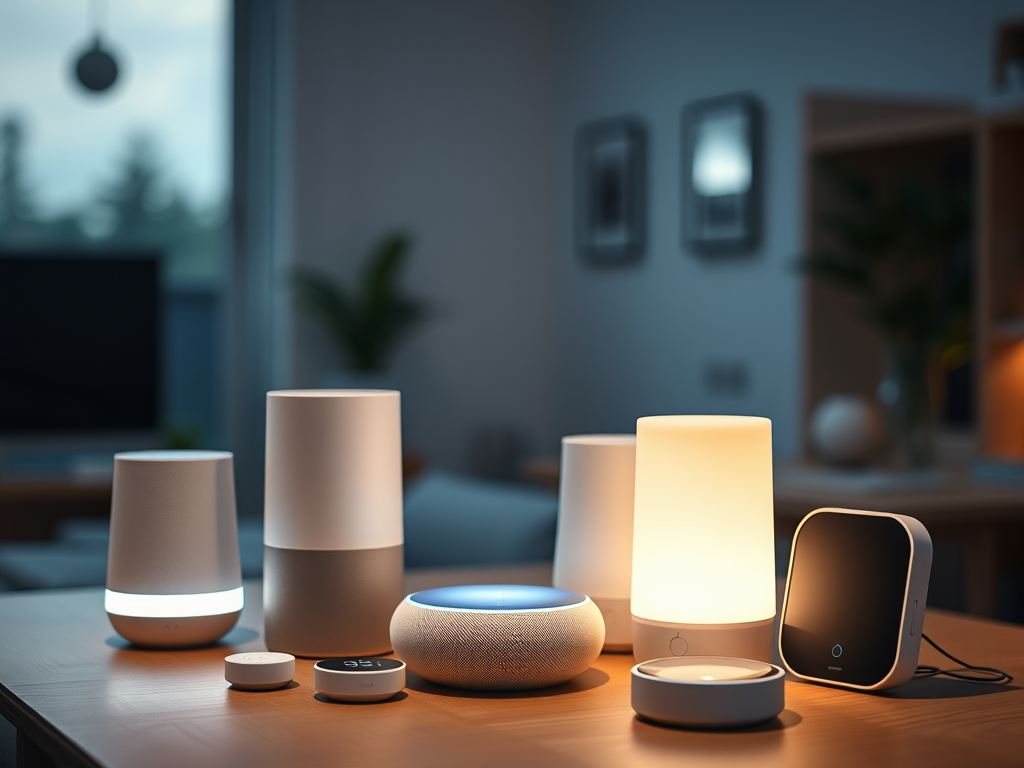
The Benefits of Smart Devices
- Convenience and Control
- With a simple command, you can adjust lighting, control thermostats, lock doors, or even start your coffee maker from your phone or through a virtual assistant like Alexa or Google Assistant.
- Energy Efficiency and Cost Savings
- Smart thermostats, lights, and power outlets optimize energy use, which can reduce utility bills. For example, smart thermostats adapt to your schedule, adjusting temperatures when you’re away.
- Enhanced Security
- From smart locks to security cameras, smart home devices can strengthen security, giving you more control over access to your home.
- Improved Accessibility
- Smart devices can help those with mobility challenges, allowing them to adjust room temperature, unlock doors, or control appliances with voice commands or an app.
The Drawbacks of Smart Devices
- Privacy and Security Concerns
- Smart devices collect data on our habits, preferences, and schedules, which raises privacy concerns. If improperly secured, they can be vulnerable to hackers, exposing personal information or allowing unauthorized access to cameras or locks.
- Dependence on Internet Connectivity
- Most smart devices require a stable internet connection. If your Wi-Fi goes down, you may lose access to some features. Additionally, inconsistent internet speeds can impact performance.
- Cost of Initial Setup and Maintenance
- While smart devices can save money over time, the initial cost can be high. They also require regular updates and occasional troubleshooting.
- Complexity and Learning Curve
- Some people find smart devices confusing to set up and use. It’s essential to be comfortable with technology and prepared for occasional troubleshooting.
Should You Be Scared to Have Smart Devices in Your Home?
Smart devices, while convenient, bring unique risks. Here’s what you should know:
Privacy Risks: Who’s Listening?
Many smart devices collect data to optimize performance and provide convenience, which can be unsettling. Smart speakers, for example, are always “listening” for a command word, raising concerns about unintended recording. Although companies assure customers that data is protected, there have been instances of unauthorized recordings or data leaks. For those concerned about privacy, it’s worth considering devices that offer strict privacy controls or choosing ones with physical “off” buttons.
Cybersecurity Risks: Can They Be Hacked?
Hackers sometimes exploit weaknesses in smart devices to access personal information or even gain control of other connected devices. Security cameras, in particular, have been targeted by hackers in the past. To minimize these risks, you can take the following steps:
- Enable two-factor authentication on your accounts.
- Use strong, unique passwords for each device.
- Regularly update device software to patch vulnerabilities.
- Limit data sharing through device settings.
Data Collection and Surveillance
Smart devices track everything from your usage patterns to specific preferences for routines. This data can be valuable to third parties, leading to concerns about surveillance and data sharing with advertisers or other companies. If you’re worried about excessive data collection, look into devices that prioritize data privacy and have transparent data-sharing policies.
The Psychological Impact: Fear of “Being Watched”
For some, the idea of an always-connected home can create a sense of unease or paranoia, especially if they’re not comfortable with technology tracking their daily habits. While this won’t affect everyone, some users might feel less relaxed in an environment where devices are constantly collecting data. It’s a good idea to start with one or two smart devices and see if they bring added stress or peace of mind.
Are Smart Devices Helpful or Harmful?
Smart devices can enhance security, convenience, and energy efficiency, and most households find these benefits outweigh the potential downsides. With the right security measures and a clear understanding of each device’s limitations, smart devices are generally safe and helpful. However, if privacy concerns or cybersecurity risks are paramount, you might want to use them sparingly or selectively.
How to Decide if Smart Devices Are Right for You
- Evaluate Your Priorities
- If convenience, security, or energy efficiency is a top priority, smart devices could be an excellent choice. Start small and assess each addition carefully.
- Research Privacy Measures
- Look into the security features of each device and take advantage of privacy settings, strong passwords, and regular software updates.
- Select Privacy-First Brands
- Some brands prioritize privacy and offer settings to limit data collection. Research companies that put a high emphasis on consumer privacy.

Final Thoughts
Smart devices offer incredible benefits, but they also come with unique risks. By taking steps to secure your devices and staying informed on privacy measures, you can enjoy a smarter home without compromising safety. Whether you fully embrace them or take a more cautious approach, smart devices are here to stay—so understanding them is the first step to making the best decision for your household.




 Discoveringlifellc
Leave a comment