
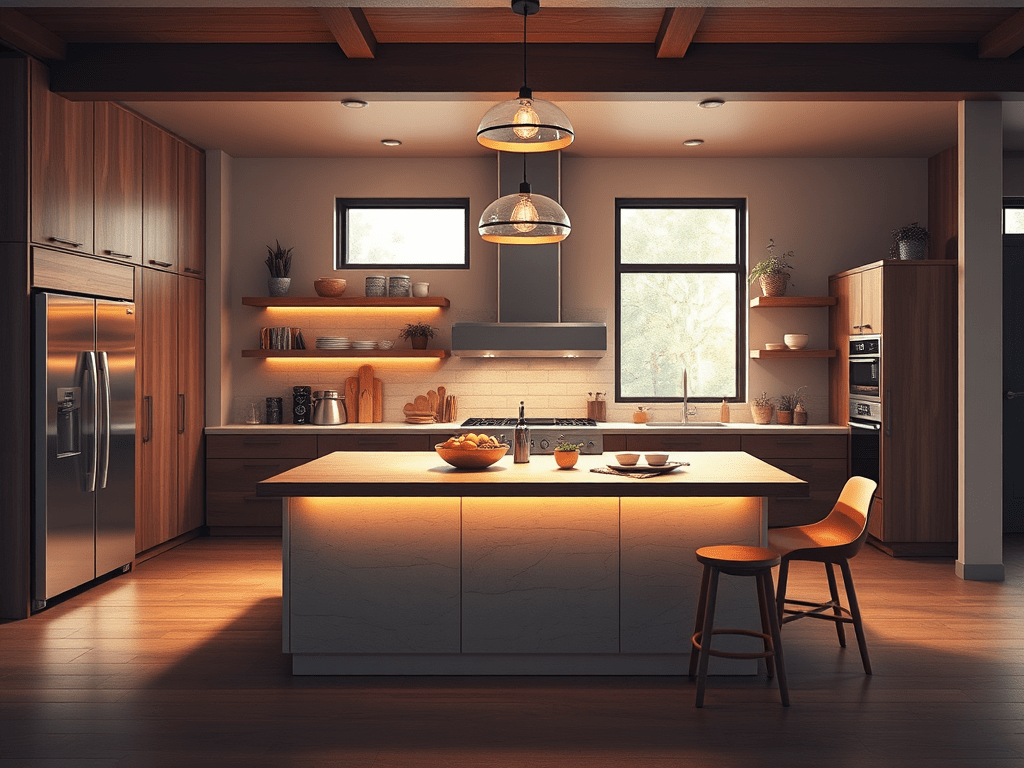
A kitchen island has become a hallmark of modern kitchen design. But how essential is it, really? Whether you’re planning a renovation or just daydreaming about your dream kitchen, understanding the importance of this central feature is key to creating a functional and stylish space.
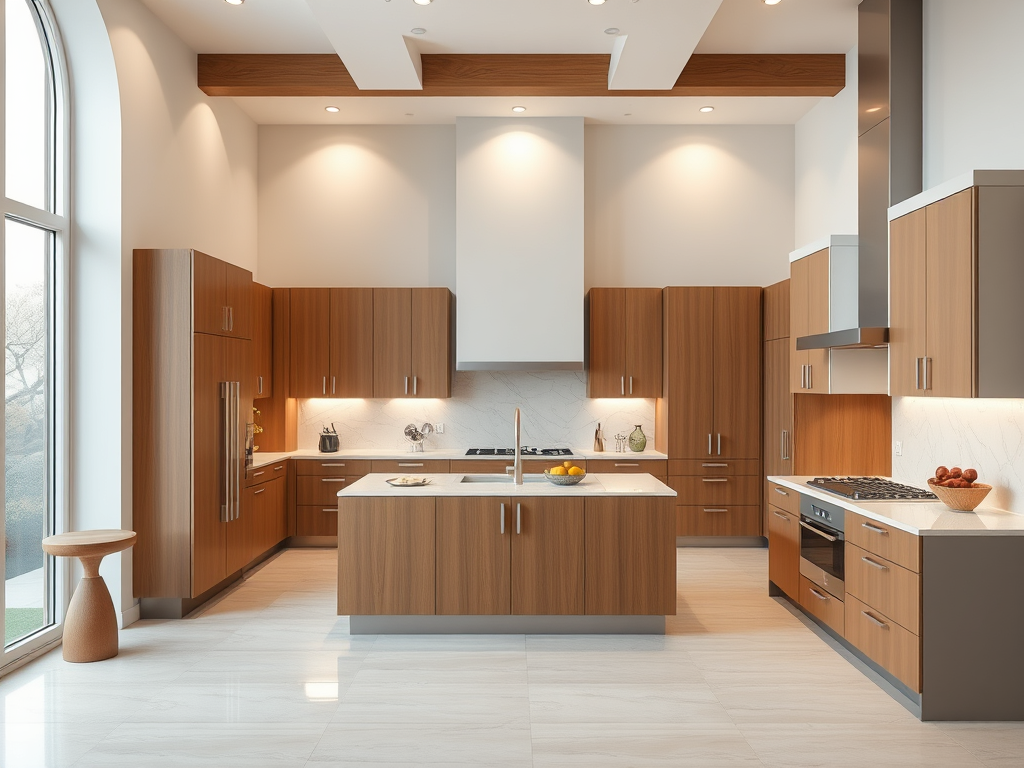
The Role of a Kitchen Island
A kitchen island is more than just a stylish focal point; it’s a multi-functional powerhouse that can transform how you use your kitchen. Here’s how:
- Added Workspace: For avid cooks, extra countertop space is invaluable. From meal prep to serving platters, an island offers a dedicated zone to handle it all.
- Storage Galore: Modern islands often feature cabinets, shelves, or built-in drawers, helping you maximize storage in an area that tends to get cluttered.
- Seating and Socializing: An island with bar stools or chairs is perfect for casual dining, homework sessions, or simply sipping coffee while chatting with friends.
- Visual Anchor: An island can pull together the kitchen’s design, offering an opportunity to showcase unique materials, colors, or pendant lighting.
Do You Need a Kitchen Island?
Not every kitchen requires an island. Here are some considerations to help you decide:
Kitchen Size
- Smaller Kitchens: In compact spaces, an island may hinder movement or create a cramped feel. Instead, a rolling cart or a peninsula could be a better solution.
- Larger Kitchens: In spacious kitchens, an island can fill unused space, creating balance and enhancing functionality.
Lifestyle
- Entertainers: If you frequently host gatherings, an island can act as a buffet station or a social hub for guests.
- Family-Oriented: For households with kids, an island can double as a dining table or homework zone.
Budget
Adding an island isn’t always cheap. From construction to utilities (if you want a sink or stove built in), it can be a significant investment. However, it often adds value to your home, making it a worthwhile upgrade in many cases.
Alternatives to a Traditional Island
If you’ve determined that a fixed kitchen island isn’t for you, there are creative alternatives:
- Rolling Carts: Flexible and space-saving, these can be moved aside when not in use.
- Drop-Leaf Islands: A compact option that can be expanded for extra workspace when needed.
- Peninsulas: Similar functionality to an island but attached to a wall or counter, saving floor space.
Making the Most of Your Island
If you decide a kitchen island is right for you, here are some tips to maximize its functionality:
- Choose the Right Size: Ensure there’s at least 36–42 inches of clearance around the island for comfortable movement.
- Consider Built-Ins: Features like a sink, wine fridge, or microwave can make your island even more practical.
- Personalize the Design: Incorporate bold colors, unique materials, or stylish lighting to make it a standout piece.
Conclusion
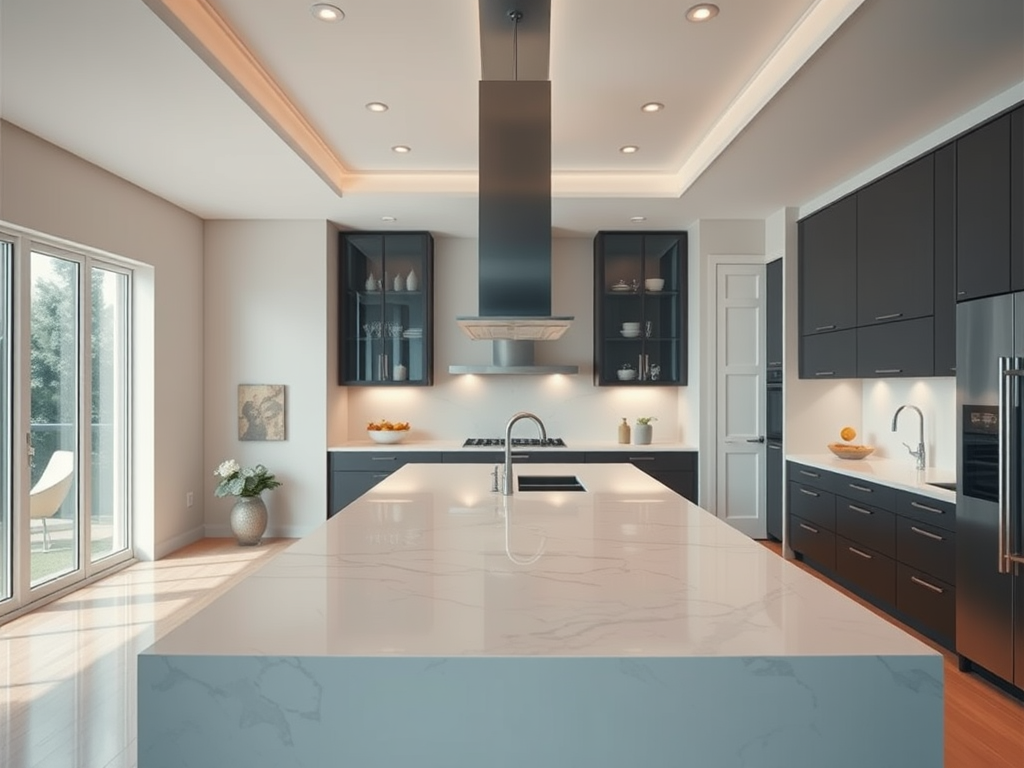
A kitchen island isn’t just about aesthetics; it’s about enhancing how you use your kitchen. While not every home needs one, the added functionality, storage, and social benefits make it a worthy consideration for many homeowners.
When designed thoughtfully, a kitchen island can become the true heart of your kitchen, blending style and practicality in one central hub. Whether you choose a traditional island or an innovative alternative, the key is to align it with your space, needs, and lifestyle.
What’s your take on kitchen islands? Do you consider them a must-have or just a nice-to-have? Let us know in the comments!



 Discoveringlifellc
Leave a comment