
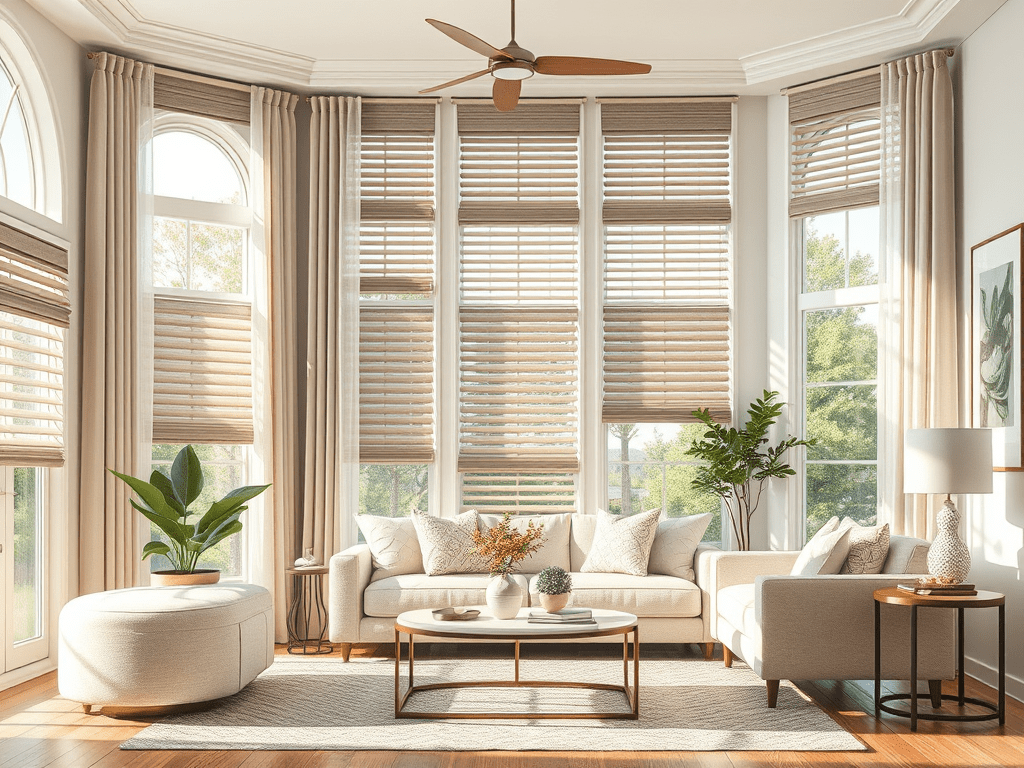
Window coverings are a pivotal element in home design, providing privacy, controlling light, and contributing to the overall aesthetic. But with the plethora of options available, how do you choose the right one for your space? This guide will help you navigate the types of window coverings and their differences, so you can make an informed decision for your home.
Factors to Consider When Choosing Window Coverings
- Functionality
- Are you looking for privacy, light control, or insulation?
- Do you need coverings that are easy to clean or child-safe?
- Style
- What is the overall theme of your home—modern, farmhouse, traditional?
- Should the coverings stand out as a statement piece or blend seamlessly?
- Budget
- Window coverings come in a range of prices. Determine your budget to narrow your options.
- Room Use
- Living rooms might need sheer drapes for a soft glow, while bedrooms may benefit from blackout shades for better sleep.
Types of Window Coverings and Their Differences
1. Blinds
Material Options: Wood, faux wood, aluminum, vinyl
Key Features:
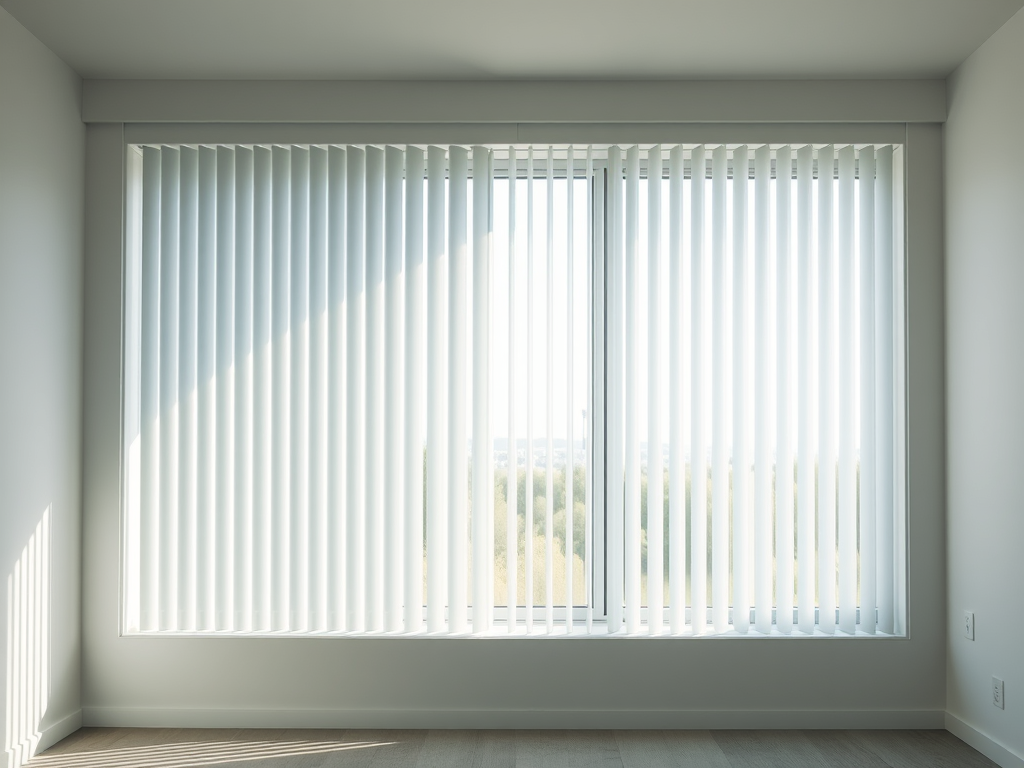
- Slats can be tilted to control light and privacy.
- Available in horizontal and vertical designs.
Best For: Kitchens, bathrooms, and offices due to their clean lines and functionality.
2. Shades
Styles: Roller, Roman, cellular, pleated
Key Features:
- Made from fabric or synthetic materials.
- Lifted or lowered in one piece for varying levels of coverage.
- Cellular shades are energy-efficient, trapping air to provide insulation.
Best For: Bedrooms, living rooms, and spaces needing light diffusion.
3. Curtains
Material Options: Cotton, silk, linen, polyester
Key Features:
- Come in various lengths, patterns, and textures.
- Can be paired with blinds or shades for added functionality.
Best For: Formal living rooms, dining rooms, and spaces needing a soft, elegant touch.
4. Drapes
Material Options: Heavier fabrics like velvet or blackout materials
Key Features:
- Floor-length and often lined for added privacy or insulation.
- Provide a more dramatic and luxurious appearance.
Best For: Bedrooms and spaces requiring complete light blockage.
5. Shutters
Material Options: Wood, composite materials
Key Features:
- Permanently affixed to the window frame.
- Offer excellent insulation and light control.
Best For: Coastal or traditional home styles and areas with high sunlight exposure.
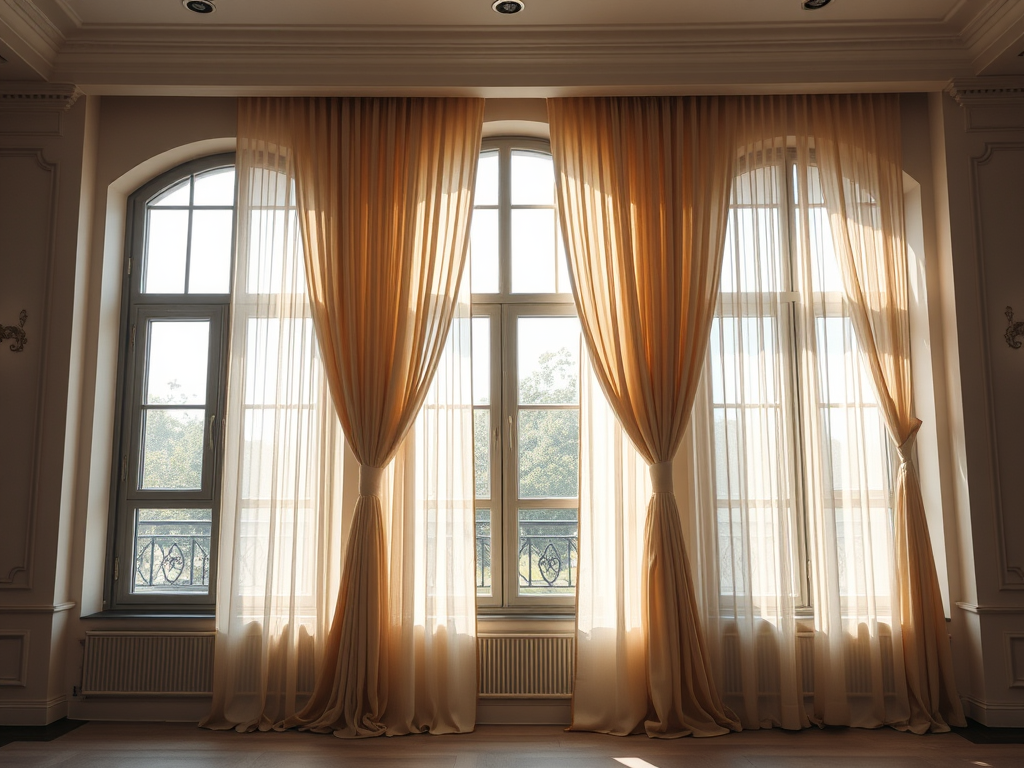
6. Sheers
Material Options: Lightweight fabrics like voile or chiffon
Key Features:
- Allow natural light while maintaining some privacy.
- Often layered with heavier curtains or drapes.
Best For: Living rooms, dining areas, or spaces with large windows.
Tips for Selecting the Perfect Window Covering
- Measure Precisely: Ill-fitting coverings can diminish functionality and aesthetic appeal.
- Layer for Versatility: Combine sheers with drapes or shades for flexible light control and privacy.
- Match the Room’s Purpose: Consider blackout shades for bedrooms or moisture-resistant blinds for bathrooms.
- Don’t Forget Maintenance: Opt for easy-to-clean materials in kitchens and high-traffic areas.
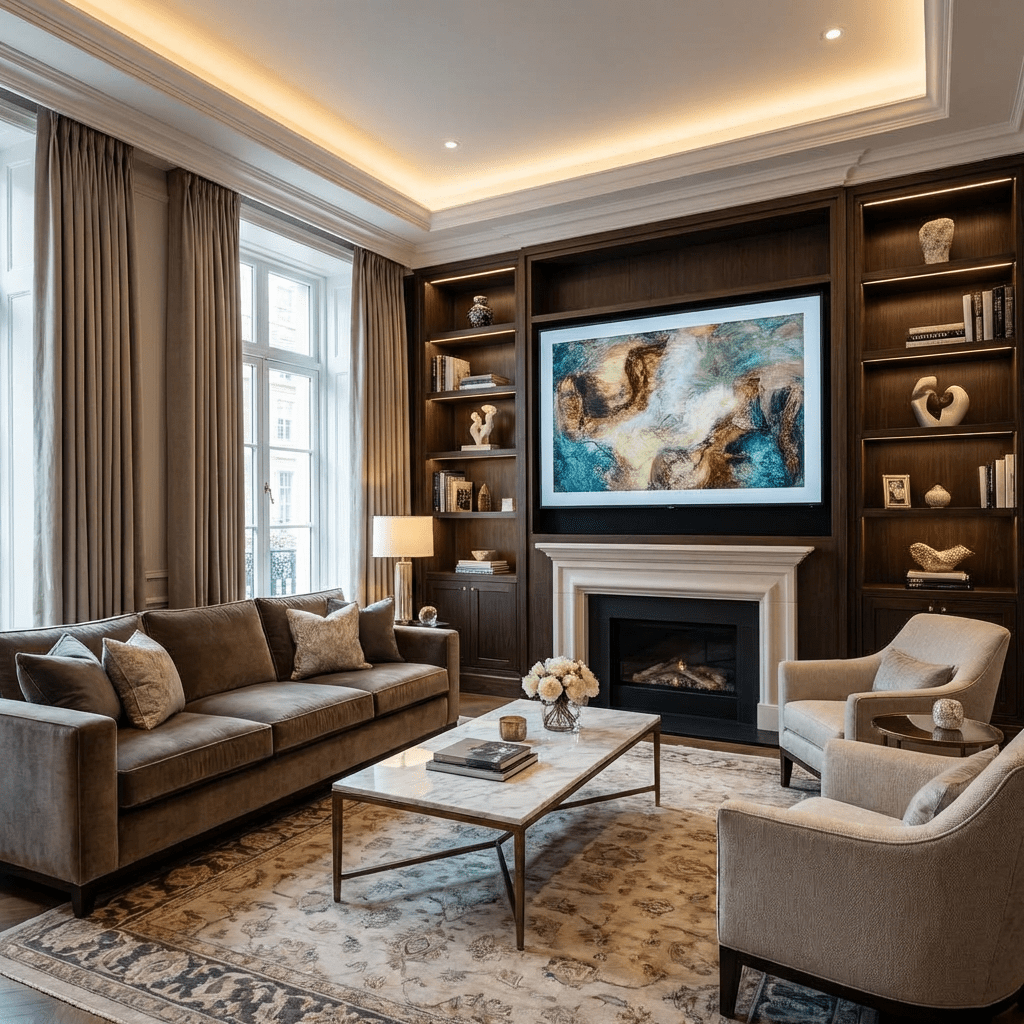
Window coverings are more than a practical necessity—they’re an opportunity to enhance your home’s decor. Whether you’re drawn to the clean functionality of blinds, the softness of curtains, or the elegance of shutters, there’s a perfect option for every room and style.
What’s your go-to window covering style? Share your thoughts in the comments below!
 Discoveringlifellc
Leave a comment