

When it comes to furnishing your living room or guest space, the couch is often the centerpiece. But in recent years, day beds have emerged as a stylish and multifunctional alternative. Whether you’re working with limited space, designing a cozy nook, or simply want furniture that serves more than one purpose, a day bed might be the answer. But can a day bed truly replace a traditional couch? Let’s break down the pros and cons.
What is a Day Bed?
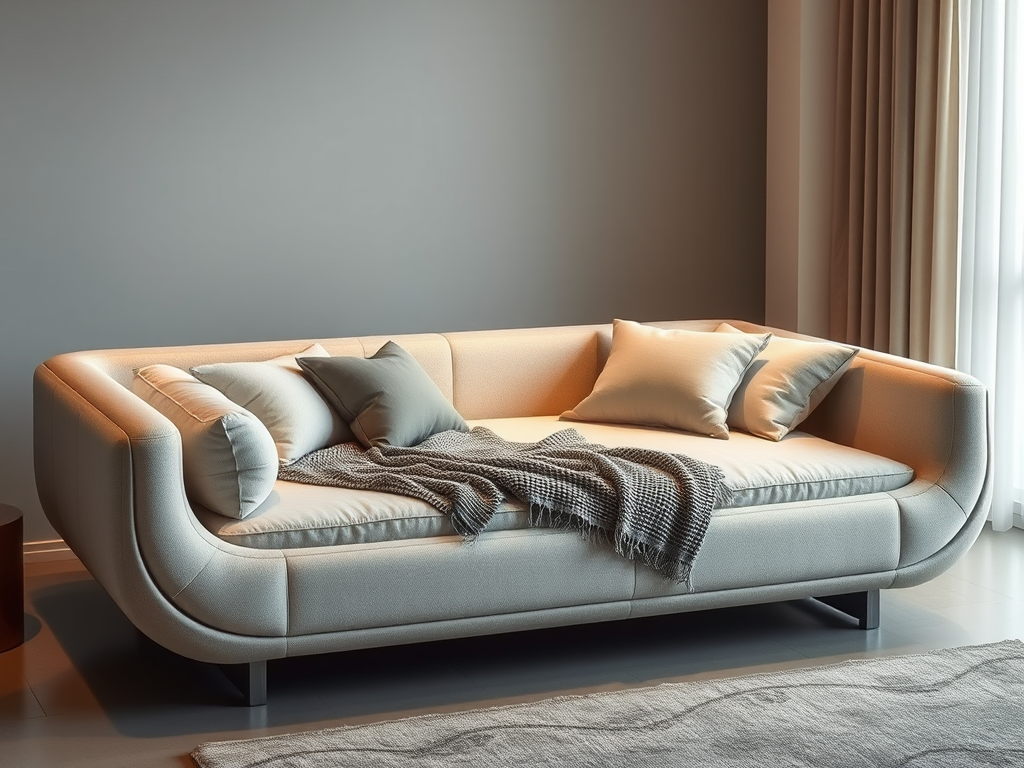
A day bed is a hybrid piece of furniture that functions as both a seating area and a sleeping space. It typically features a twin-sized mattress and a frame that resembles a sofa when not in use. Unlike traditional couches, day beds are designed with both comfort and versatility in mind, making them ideal for small spaces or multipurpose rooms.
Pros of Replacing Your Couch with a Day Bed
- Multifunctionality
A day bed can easily transition from a seating area during the day to a guest bed at night. This makes it a great choice for studio apartments, home offices, or living rooms that double as guest rooms. - Space-Saving Design
For smaller homes, day beds provide an excellent way to maximize space. You’re essentially getting two pieces of furniture in one. Some day beds even come with trundle beds or built-in storage, adding even more functionality. - Aesthetic Appeal
Day beds come in a wide range of styles, from sleek modern designs to cozy farmhouse aesthetics. They can be styled with throw pillows and blankets to resemble a traditional couch, blending seamlessly into your decor. - Comfortable for Lounging
Day beds often feature plush mattresses, making them incredibly comfortable for reading, watching TV, or napping. They can offer more surface area than a typical couch, allowing for better relaxation.
Cons of Using a Day Bed Instead of a Couch
- Less Formal Appearance
While day beds can be stylish, they may not offer the same polished, structured look that a traditional couch provides. This could be a drawback if you prefer a more formal living room aesthetic. - Seating Limitations
A day bed may not accommodate as many people as a sectional or large sofa. This could be a concern if you frequently entertain guests or need additional seating. - Mattress Maintenance
Unlike couches that retain their shape over time, a day bed’s mattress may wear out or sag with frequent use. This could mean more maintenance or occasional mattress replacement.
When to Choose a Day Bed
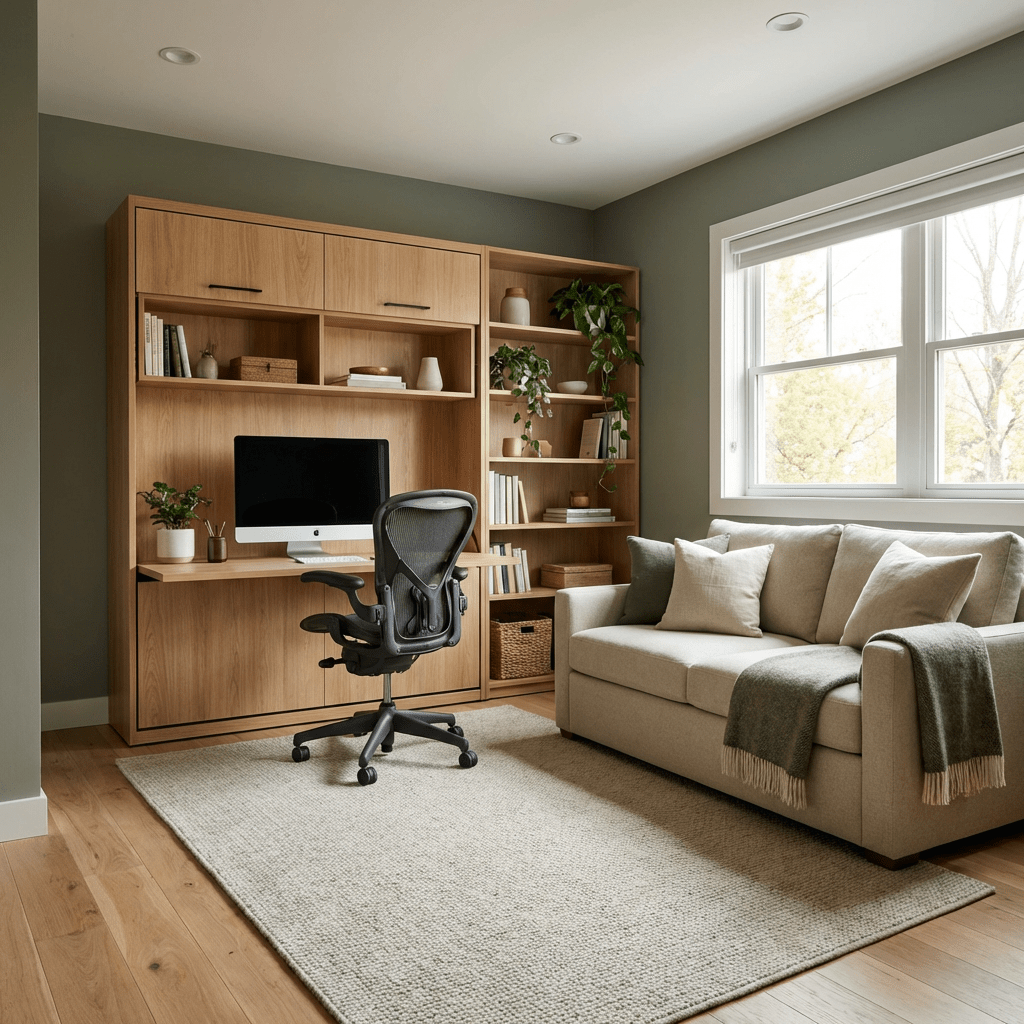
- Small Spaces: If you’re living in a small apartment or have a multi-functional room, a day bed is an excellent option.
- Guest Rooms: Day beds provide a stylish and practical solution for guest rooms that double as offices or lounges.
- Casual Living Areas: For relaxed, cozy living spaces, a day bed can add to the overall comfort and functionality.
When to Stick with a Couch
- Main Living Room: If your living room is the primary gathering space, a couch might be the better option for accommodating guests.
- Formal Settings: For a polished, structured look, traditional couches offer a level of sophistication that day beds may not match.

Final Thoughts
Day beds are a fantastic alternative to traditional couches, offering versatility, comfort, and style. While they may not completely replace the role of a couch in every home, they shine in smaller spaces, guest rooms, and multifunctional areas. If you’re looking to maximize space and add flexibility to your home, consider making the switch to a day bed. Just be sure to weigh the seating needs and overall look you’re going for before taking the plunge.


 Discoveringlifellc
Leave a comment