
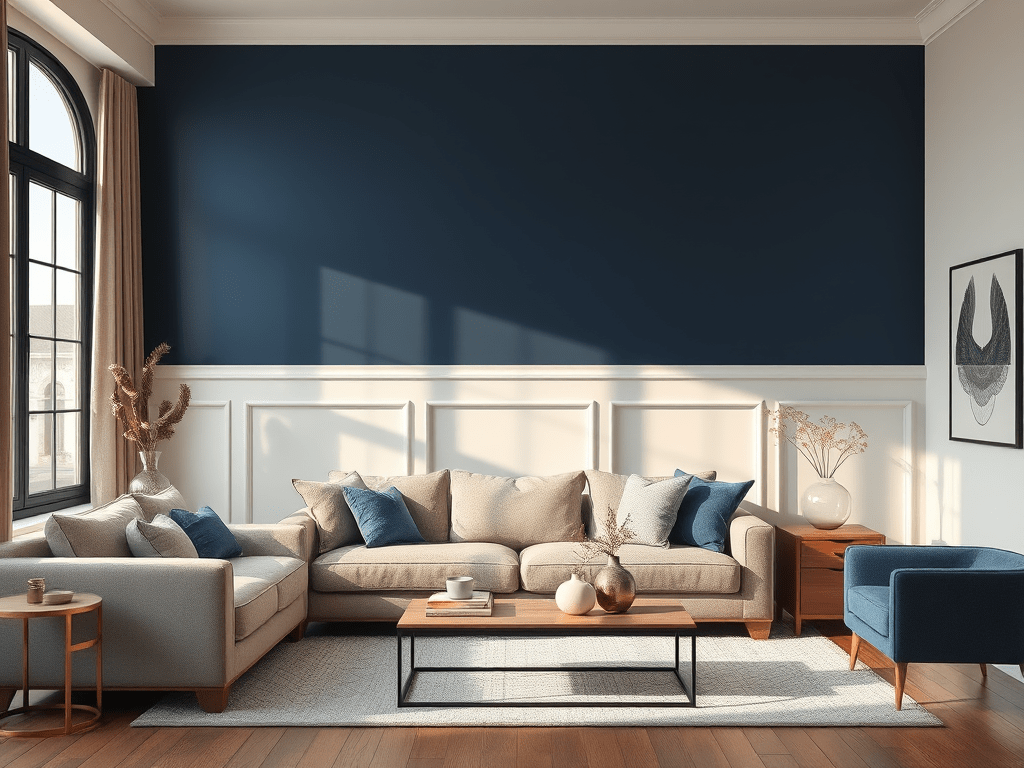
Accent walls are a simple yet powerful way to refresh and enhance your home’s interior. Whether you’re looking to add depth to a room, introduce a pop of color, or highlight a specific architectural feature, an accent wall can make a striking impact without the need for a full renovation. But how much can one wall really change the look of your home, and what are the best ways to approach this design feature?
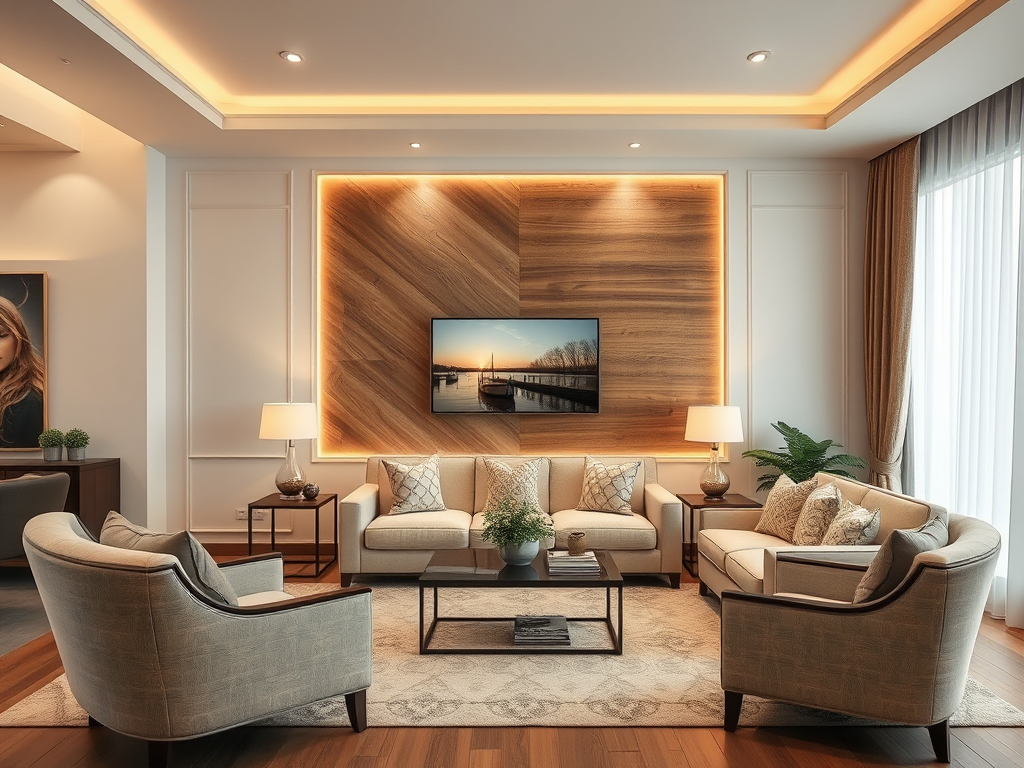
How Much Can an Accent Wall Improve the Look of Your Home?
An accent wall can dramatically shift the perception of space and style in a room. By drawing the eye to a particular area, it creates a focal point that anchors the room. This can make smaller spaces feel larger, add warmth to expansive rooms, and give otherwise plain walls a sense of purpose and design flair. Accent walls can also help define different zones within an open-concept layout, providing visual separation without needing physical dividers.
Beyond aesthetics, accent walls can reflect your personality and style, making your home feel more custom and curated. A well-placed accent wall can breathe new life into tired decor, revamp a rental space, or subtly align a room’s design with current trends.
Best Color Options for Accent Walls
Choosing the right color for your accent wall depends on the mood you want to create and the existing color palette in the room. Here are a few popular options and the effects they bring:
- Deep Blues and Navy – Creates a calming, sophisticated atmosphere. Pairs well with neutrals and metallic accents.
- Emerald Green or Forest Green – Adds a natural, earthy feel to a room. Works beautifully with wood and brass tones.
- Warm Terracotta or Rust – Invokes warmth and coziness. Perfect for bohemian, rustic, or southwestern interiors.
- Charcoal or Black – Delivers drama and elegance. Best for modern or industrial designs.
- Blush or Soft Pink – Brings softness and a touch of femininity without overwhelming the space.
- Mustard Yellow – Brightens and energizes, adding a retro or eclectic vibe.
- Neutral Tones (Beige, Taupe, or Gray) – Subtle yet impactful, allowing for a more understated accent that complements a variety of decor styles.
When selecting a color, consider how natural light interacts with the space and how the hue will look throughout the day.
Should You Have an Accent Wall in Every Room?
While accent walls are a fantastic design tool, using them in every room can diminish their impact. The goal is to create focal points, not overwhelm the eye with too many competing features. Instead, choose specific areas where an accent wall will enhance the space:
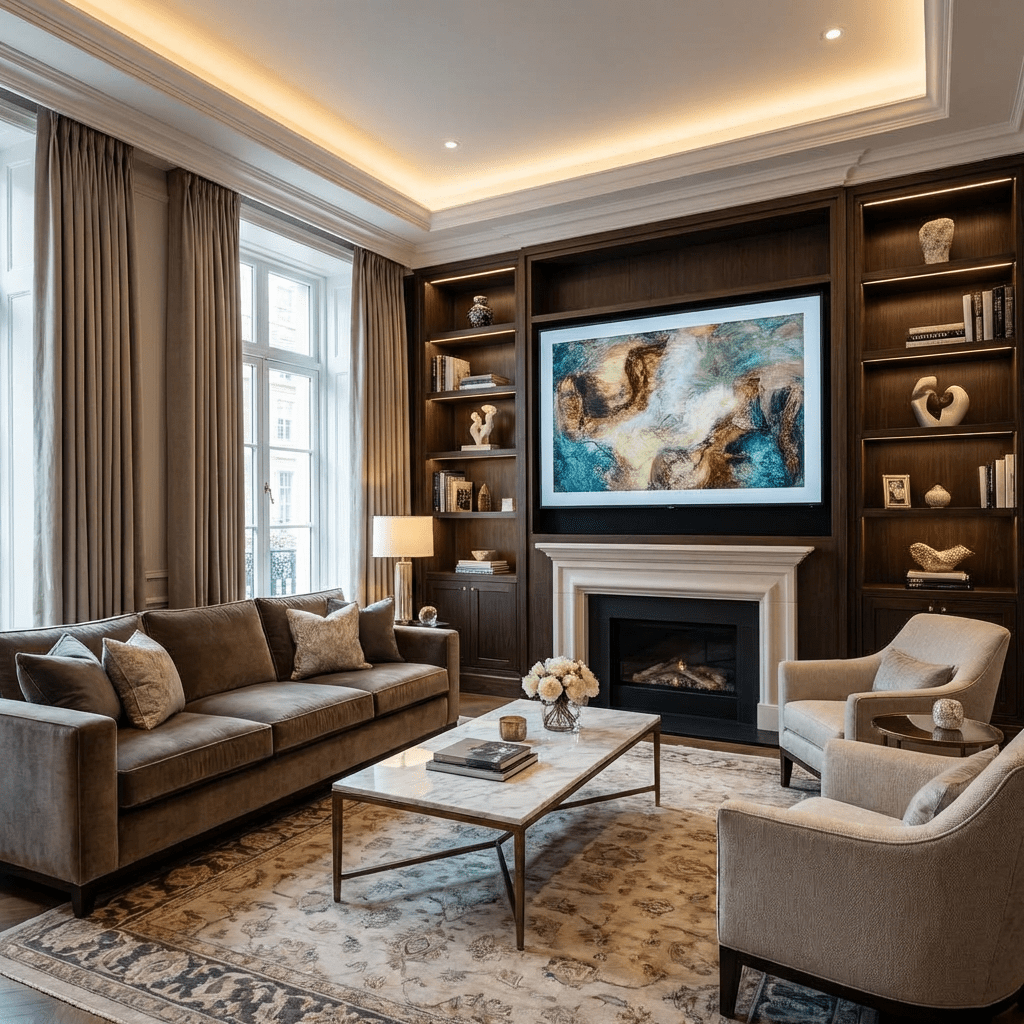
- Living Room – Behind the sofa or TV to draw attention to the central gathering area.
- Bedroom – The wall behind the bed serves as a natural accent point.
- Dining Room – Highlight the wall that frames your dining table.
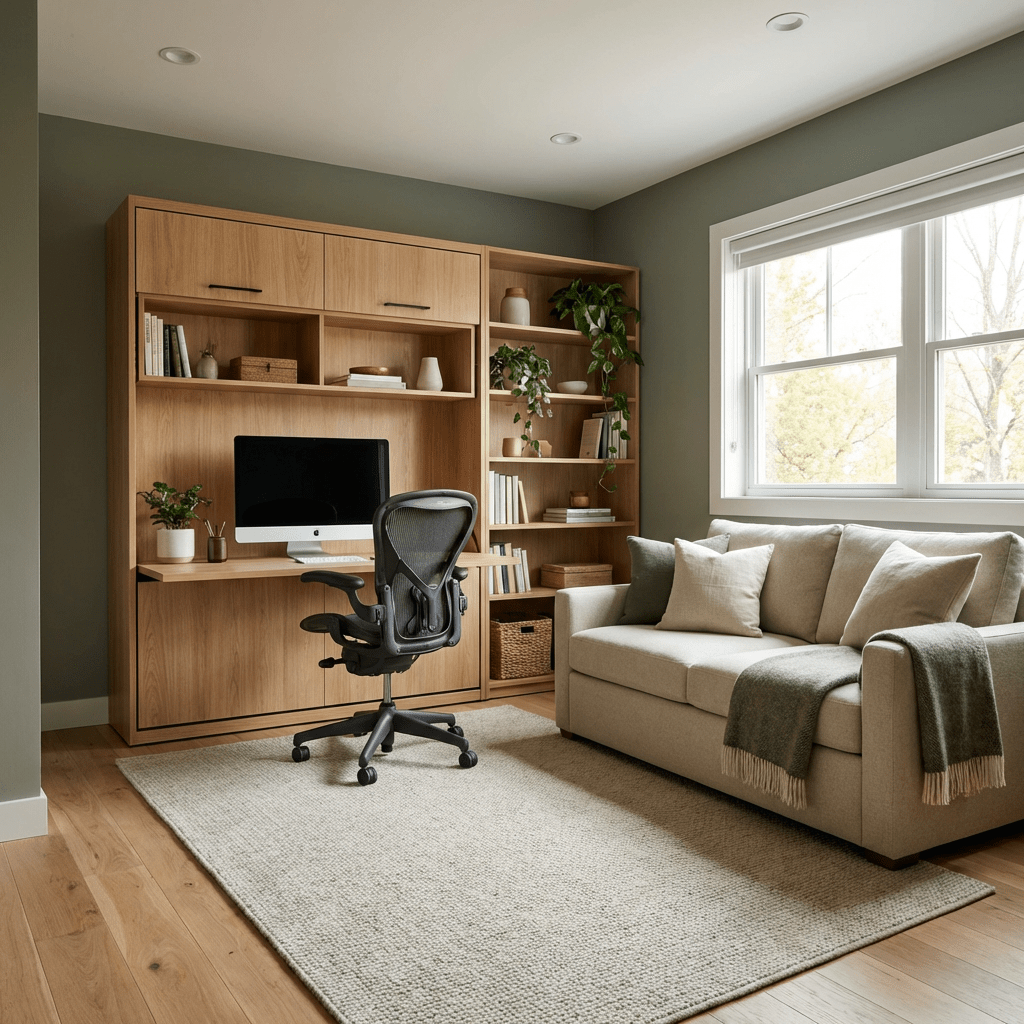
- Home Office – Behind your desk to create a visually stimulating workspace.
- Entryway – A bold first impression sets the tone for the rest of the home.
Consider the overall flow of your home when planning accent walls. Using them strategically in a few key rooms will create cohesion while allowing each space to shine individually.
Final Thoughts
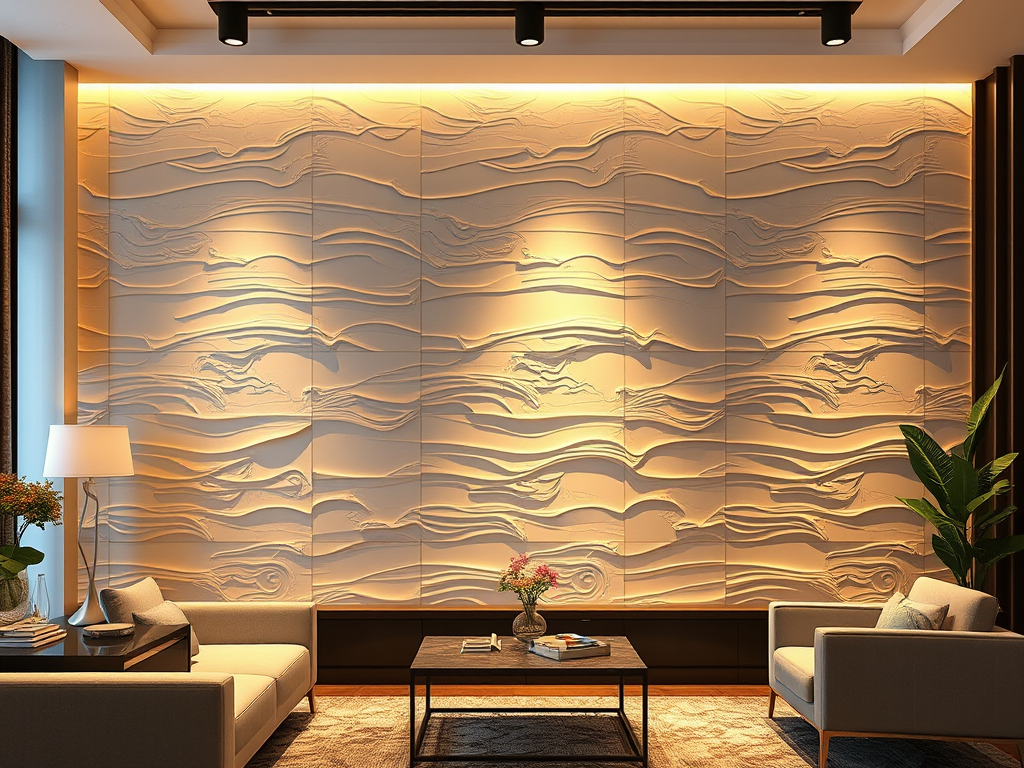
Accent walls offer a creative, low-commitment way to enhance your home’s decor. By selecting the right color and placement, you can transform any room into a more inviting, dynamic, and personalized space. Whether you opt for bold hues or subtle neutrals, an accent wall can breathe new life into your home without the need for a full-scale renovation. Start small, experiment with different shades, and enjoy the transformative power of just one wall.
 Discoveringlifellc
Leave a comment