
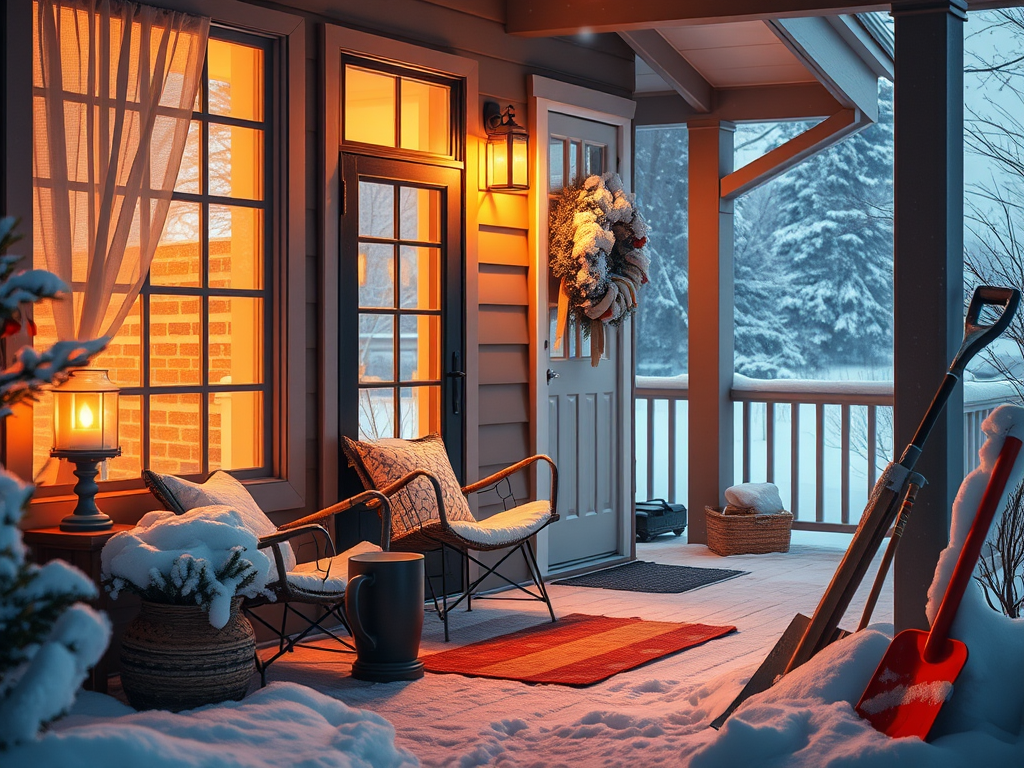
As winter approaches, snow and freezing temperatures can take a toll on your home if you’re not prepared. Taking the time to winterize your space can prevent costly damage and ensure your home stays warm and cozy throughout the season. Here are some essential tips for preparing your home for snow and harsh winter weather.

1. Inspect and Seal Windows and Doors Drafty windows and doors can make your heating system work overtime. Inspect the seals and caulking around windows and doors, and replace any that show signs of wear. Consider adding weather stripping or thermal curtains for extra insulation.
2. Service Your Heating System Schedule a professional inspection of your furnace or heating system before the cold sets in. Replace filters, check for leaks, and ensure the system is running efficiently. If you use a fireplace, have the chimney cleaned and inspected to prevent fire hazards.
3. Protect Your Pipes Frozen pipes are a common issue during winter, often leading to expensive repairs. Insulate exposed pipes, especially in basements, attics, and exterior walls. Let faucets drip during extreme cold to keep water moving and reduce the risk of freezing.
4. Stock Up on Supplies Prepare for snowstorms by keeping essential supplies on hand. This includes snow shovels, ice melt, sand, and warm blankets. Make sure your emergency kit is stocked with flashlights, batteries, and non-perishable food in case of power outages.
5. Inspect the Roof and Gutters Heavy snow can put stress on your roof. Check for loose shingles or damage and repair as needed. Clear gutters of leaves and debris to prevent ice dams, which can lead to leaks and structural damage.
6. Prepare Outdoor Spaces Bring in or cover outdoor furniture and store garden tools. Drain and shut off exterior faucets to prevent freezing. If you have trees near your home, trim any branches that could break under the weight of snow and ice.
7. Test Safety Devices Winter increases the risk of fire and carbon monoxide poisoning. Test smoke and carbon monoxide detectors, and replace batteries if needed. Keep a fire extinguisher accessible and in good working order.
8. Consider Backup Heat Sources In case of heating failure, having an alternative heat source can be crucial. Consider investing in a portable heater or generator. Be sure to follow safety guidelines to avoid fire or carbon monoxide risks.
9. Create a Snow Removal Plan Make sure you have a reliable snow removal plan in place. Whether you shovel yourself or hire a service, keeping walkways and driveways clear helps prevent accidents and injuries.

By taking these steps to prepare your home for winter weather, you can protect your property, reduce energy costs, and enjoy a warm, stress-free season. Stay safe and cozy this winter!



 Discoveringlifellc
Leave a comment