
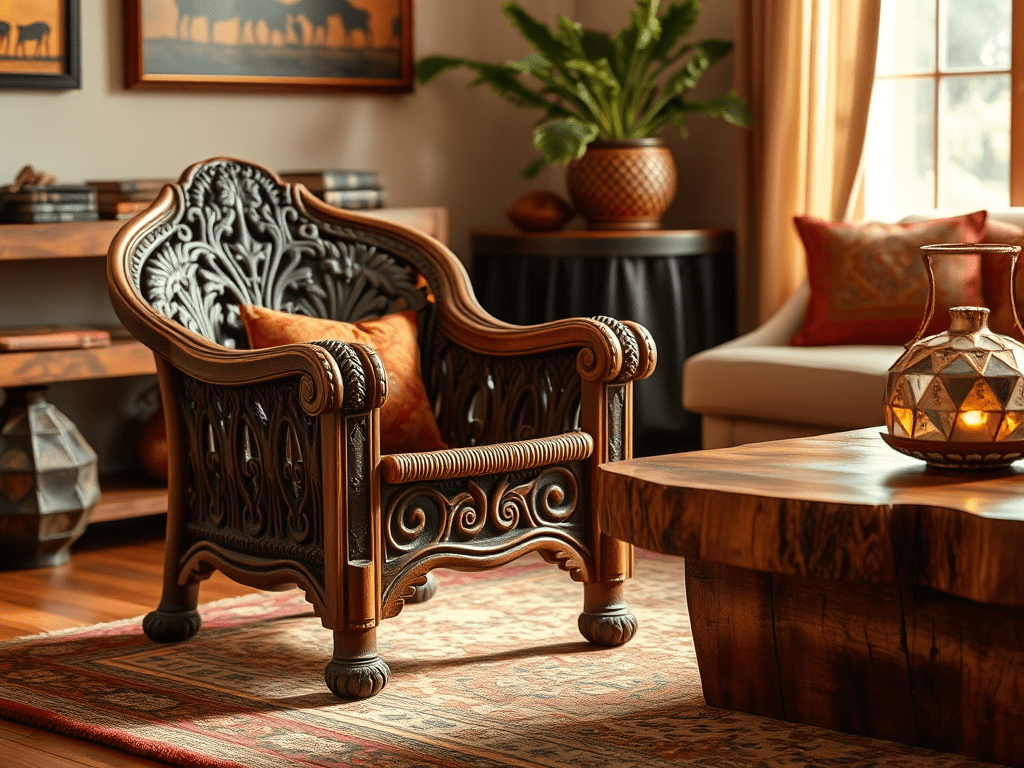
African style furniture offers a unique blend of tradition, artistry, and functionality, making it a popular choice for homeowners looking to infuse their spaces with character and cultural richness. Drawing inspiration from the diverse cultures, landscapes, and histories of the African continent, this furniture style showcases natural materials, intricate craftsmanship, and bold aesthetics.

The Essence of African Style Furniture
African style furniture is deeply rooted in the cultural and artistic traditions of various African regions. It is characterized by:
- Natural Materials: Wood, leather, rattan, and metals are commonly used, often sourced locally and sustainably. These materials add an organic and earthy feel to the pieces.
- Bold Patterns and Textures: Intricate carvings, geometric patterns, and textured surfaces reflect the vibrant artistic traditions of Africa.
- Rich Colors: Earthy tones such as browns, reds, and golds dominate, often accented with brighter hues inspired by African landscapes and textiles.
- Handcrafted Details: Many African furniture pieces are handmade, showcasing the exceptional skill of local artisans. Each piece often tells a story or represents cultural symbols.
Key Pieces of African Style Furniture
1. Wooden Chairs and Stools
Carved wooden chairs and stools are iconic in African design. The designs range from minimalist to highly ornate, often reflecting tribal influences. Many of these pieces are functional works of art, doubling as decorative elements in modern homes.
2. Coffee Tables
African coffee tables are often low to the ground, featuring carved legs or inlaid patterns. Tables made from reclaimed wood or tree stumps add a rustic charm to living spaces.
3. Beds and Headboards
African-style beds and headboards incorporate bold carvings or woven elements, creating statement pieces for the bedroom. They often blend traditional craftsmanship with contemporary design elements.
4. Storage Units
Cabinets, chests, and shelves crafted in African styles often feature intricate carvings and colorful accents. These pieces are both practical and artistic, adding a cultural touch to any room.
5. Accent Pieces
Side tables, ottomans, and benches crafted in African styles make excellent accent pieces. They’re perfect for adding a touch of African artistry without overwhelming the space.
Incorporating African Furniture into Modern Homes
African furniture seamlessly blends with various interior design styles, from bohemian to contemporary. Here are some tips for incorporating it into your decor:
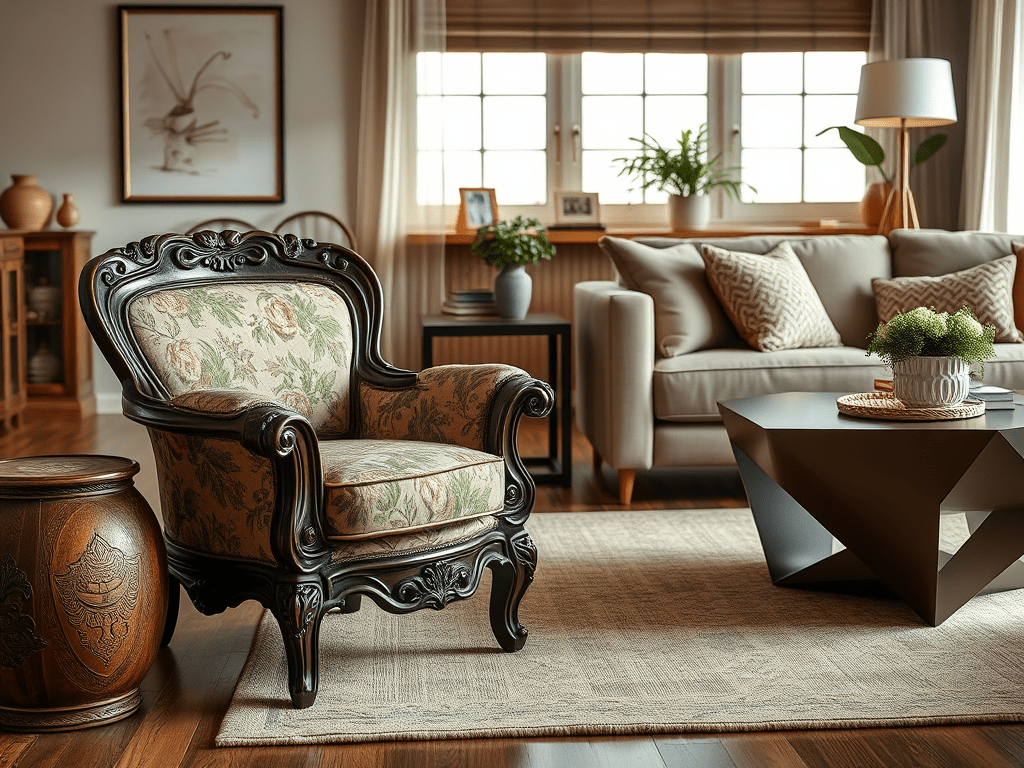
- Mix and Match: Pair African furniture with neutral walls and modern pieces to balance traditional and contemporary styles.
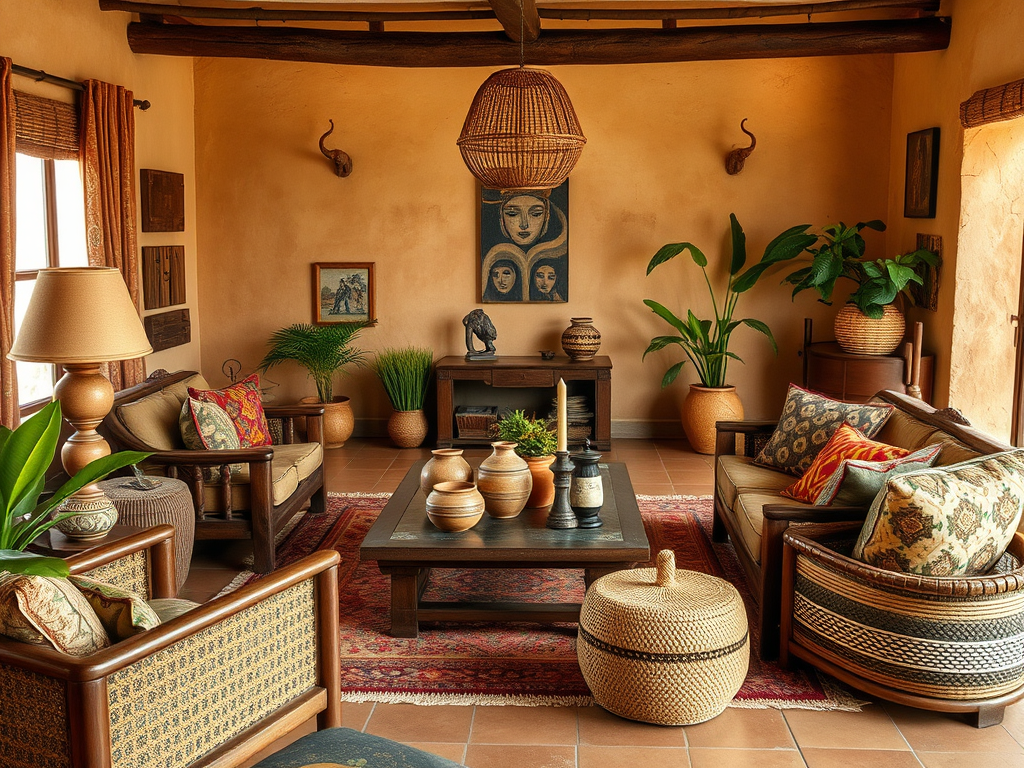
- Layer with Textiles: Add African-inspired rugs, throws, or cushions featuring bold patterns to enhance the cultural aesthetic.
- Emphasize Natural Elements: Use plants, woven baskets, and other organic decor items to complement the natural materials in African furniture.
- Create Focal Points: Let a standout piece, like a carved chair or bold coffee table, serve as the centerpiece of the room.
Where to Find African Style Furniture
For authentic African furniture, consider:
- Local Artisans: Support African artisans and small businesses by purchasing directly from them. This ensures authenticity and supports sustainable practices.
- Specialty Stores: Many online and brick-and-mortar stores specialize in African-inspired furniture.
- Fair Trade Shops: Look for fair trade certifications to ensure ethical sourcing.
The Timeless Appeal of African Furniture
African style furniture is more than just decor—it’s a celebration of culture, history, and artistry. Whether you’re designing an entire room or adding a few accent pieces, these unique creations bring warmth, character, and a sense of connection to your home. By embracing African furniture, you’re not only enhancing your living space but also honoring the rich traditions and incredible craftsmanship of the African continent.



 Discoveringlifellc
Leave a comment