
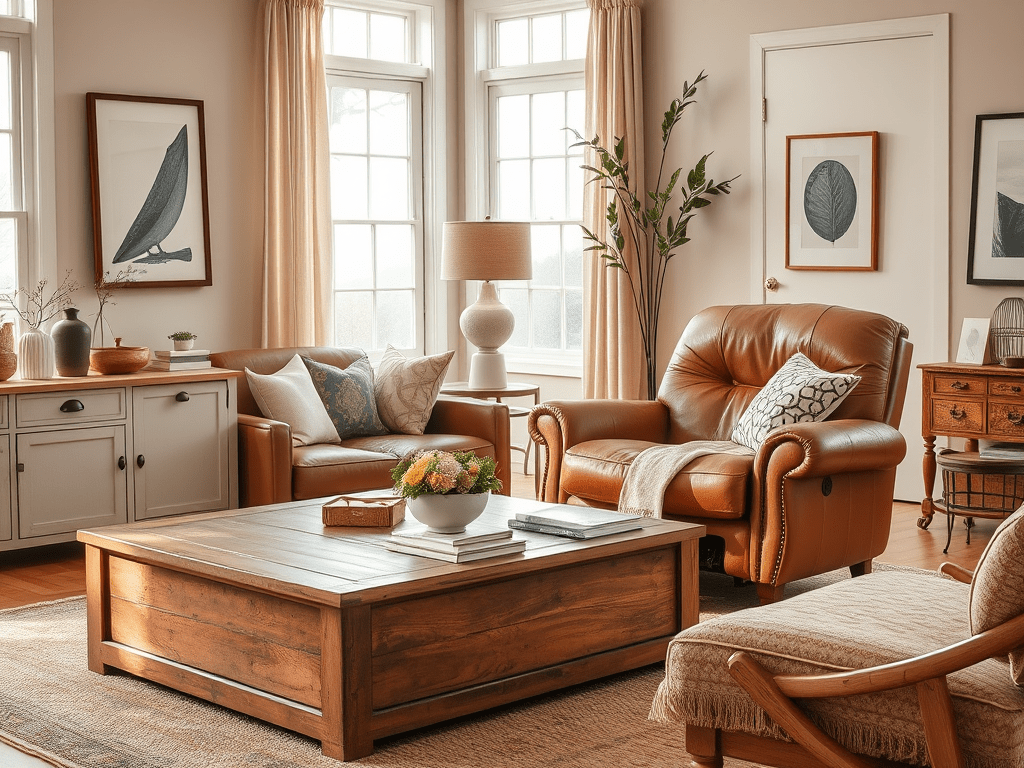
Moving into a new home with your spouse is an exciting milestone, but it often comes with the challenge of blending your unique styles. You might adore minimalist decor, while your partner treasures an oversized leather recliner or a vintage wooden coffee table. Rather than viewing these differences as obstacles, think of them as opportunities to create a home that reflects both of you. Here are some practical tips to help incorporate your spouse’s favorite furniture pieces into your shared space while maintaining a cohesive design.
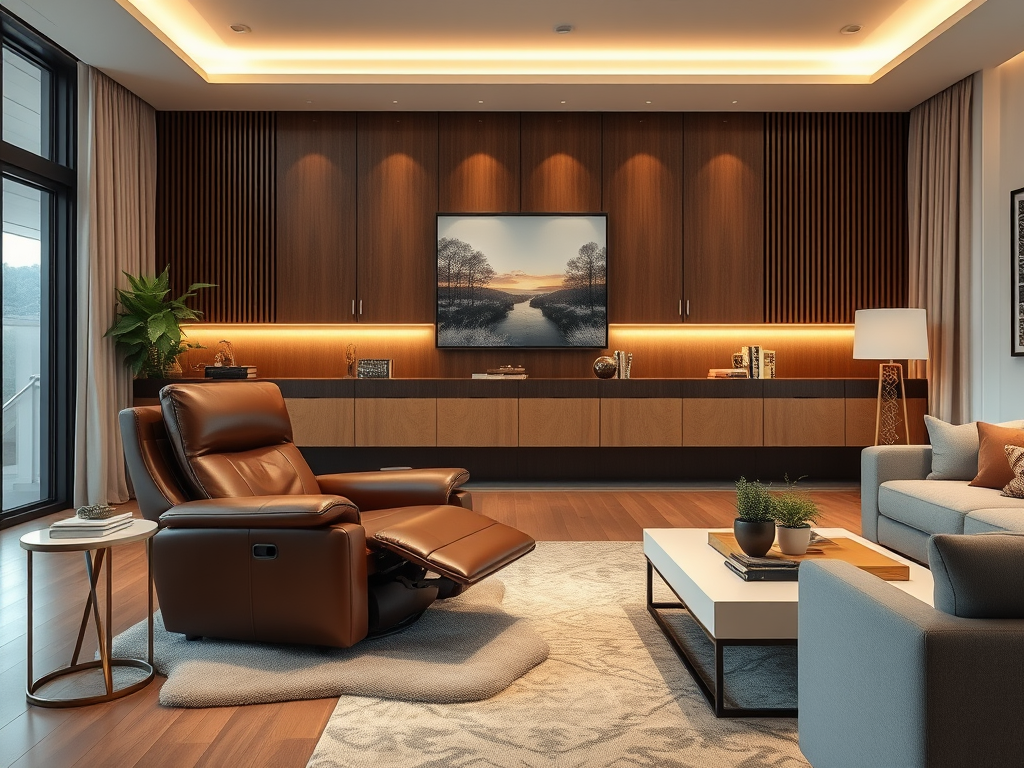
1. Take Inventory Together
Before deciding what stays and what goes, go through all your furniture pieces together. Discuss the sentimental value or functional importance of each item. This will help you understand why certain pieces are non-negotiable for your spouse. For instance, that antique rocking chair might have belonged to their grandmother, or the bright yellow ottoman might hold memories of their first apartment.
2. Find a Common Theme
Once you know what furniture pieces are important, identify a common design theme that can unify your styles. This could be a shared color palette, material preference (like wood or metal), or a design era (e.g., mid-century modern, industrial, or farmhouse chic). Incorporating these elements can help disparate pieces feel intentional rather than mismatched.
3. Prioritize Functionality
Functionality should always come first when designing your home. If your spouse’s furniture is practical and serves a purpose, it’s easier to justify its place in your space. For example, a bulky but comfortable armchair might become the go-to spot for movie nights or a well-loved bookshelf could house your combined book collection.
4. Blend Old with New
Mixing your furniture with your spouse’s doesn’t mean you have to compromise on style. Pair older, sentimental pieces with modern accents to create balance. A vintage coffee table can look stunning alongside a sleek sofa, or a bold, patterned armchair can pop in a neutral-toned room. Accessories like throw pillows, rugs, and wall art can also help tie different styles together.
5. Get Creative with Placement
If you’re struggling to make a particular piece fit the main living areas, consider placing it in a less central part of the home. That oversized recliner could find a cozy spot in a reading nook or a home office. By assigning sentimental pieces their own space, you can honor your spouse’s preferences without overwhelming shared areas.
6. Use Decorative Storage Solutions
For smaller or more eclectic furniture items, decorative storage can help integrate them seamlessly. For example, a mismatched side table can be repurposed as a bedside table with the addition of a chic lamp or stacked books. Decorative baskets or bins can add practicality and style to quirky pieces.
7. Make It a Collaborative Effort
The key to blending furniture styles is open communication and compromise. Work together to arrange and rearrange the space until you’re both happy. Involving your spouse in the process will make them feel valued and invested in creating a home that suits both of you.
8. Embrace the Story
Every piece of furniture has a story, and combining your collections creates a unique narrative for your new home. That mix of styles, textures, and colors is a reflection of your journey as a couple. Celebrate the quirks and imperfections—they make your space truly yours.

Conclusion
Incorporating your spouse’s favorite furniture pieces into your new home doesn’t have to mean sacrificing style or comfort. With a little creativity, compromise, and a shared vision, you can design a space that feels like home to both of you. Remember, the ultimate goal isn’t perfection—it’s creating a space that reflects your love and shared life together.

 Discoveringlifellc
Leave a comment