
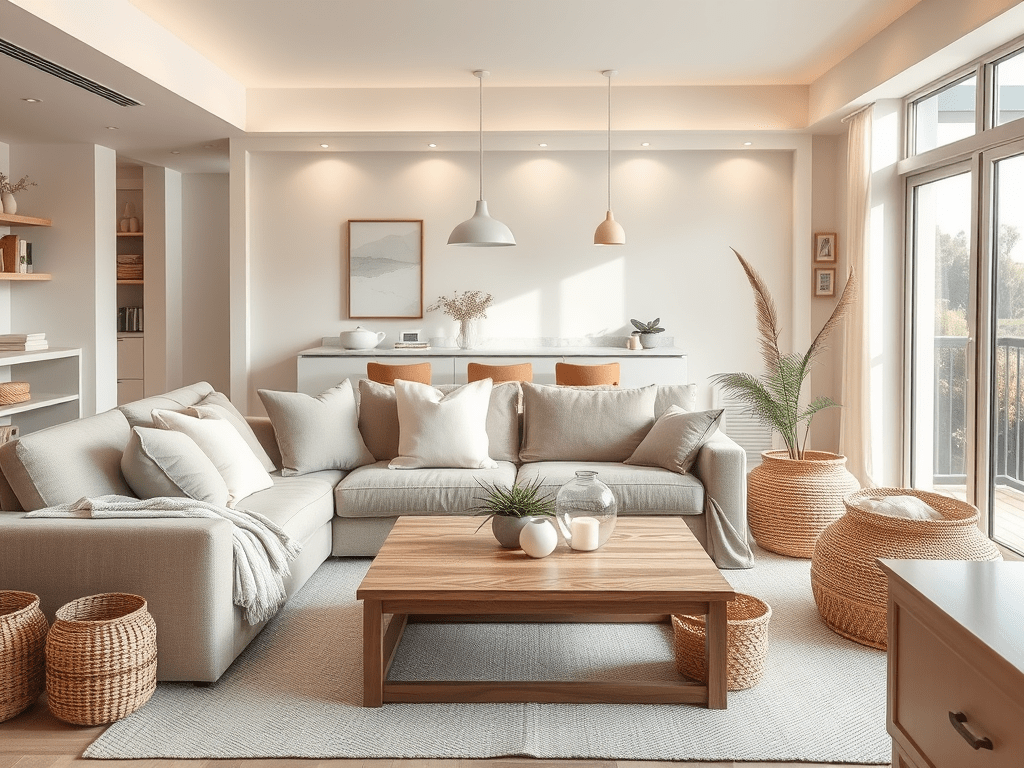
When it comes to home decor, neutral colors are often seen as a safe choice—but they can also be the foundation for a stunning, well-balanced design. Whether you prefer a minimalist aesthetic or want to incorporate bold accents, neutral tones provide the perfect backdrop for a cohesive and timeless look.
Why Choose Neutral Colors?
Neutral colors such as white, beige, gray, taupe, and soft earth tones are incredibly versatile. They create a calming atmosphere, make spaces feel larger and brighter, and allow for flexibility when updating your decor. Here are some of the top reasons to use neutral tones as your base:
- Timeless Appeal: Neutrals never go out of style, making them a smart long-term investment.
- Easier Coordination: A neutral base makes it easier to mix and match furniture, decor, and seasonal accents.
- Enhanced Light Reflection: Lighter neutrals can make a space feel airy and open, while darker neutrals add warmth and coziness.
How to Build a Cohesive Look with Neutrals
1. Start with a Dominant Neutral Base
Choose a primary neutral color for your walls, large furniture pieces, and major decor elements. This could be a soft white, a warm beige, or a light gray. This color will set the tone for the entire space and provide a unifying backdrop.
2. Layer Different Shades and Textures
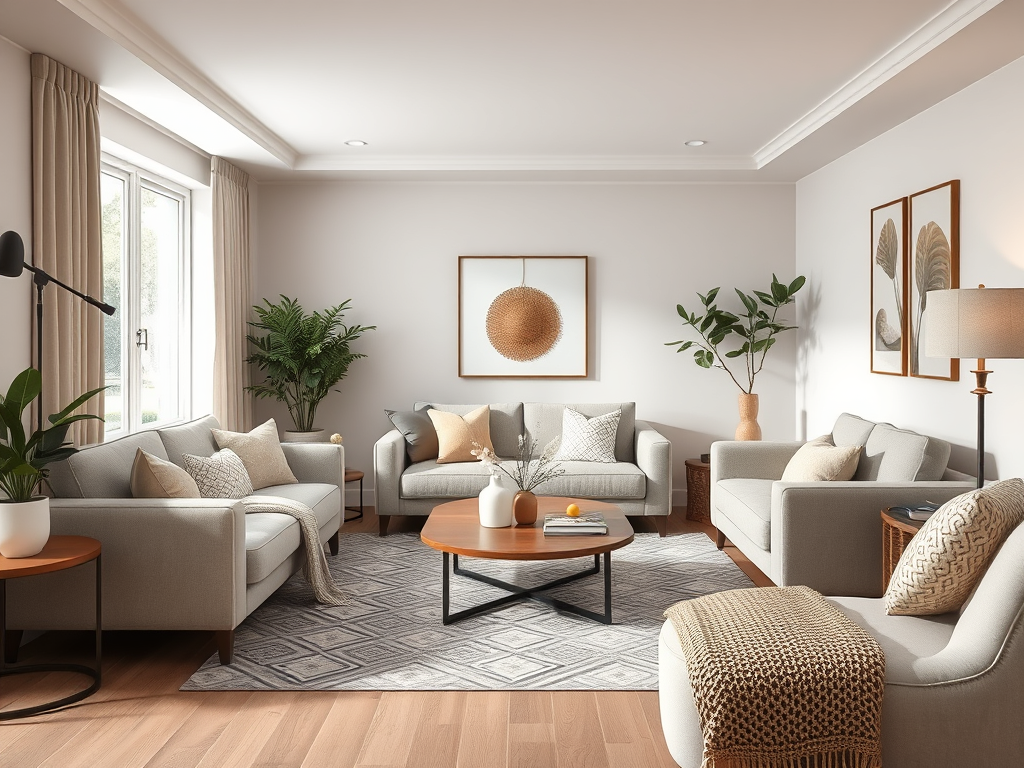
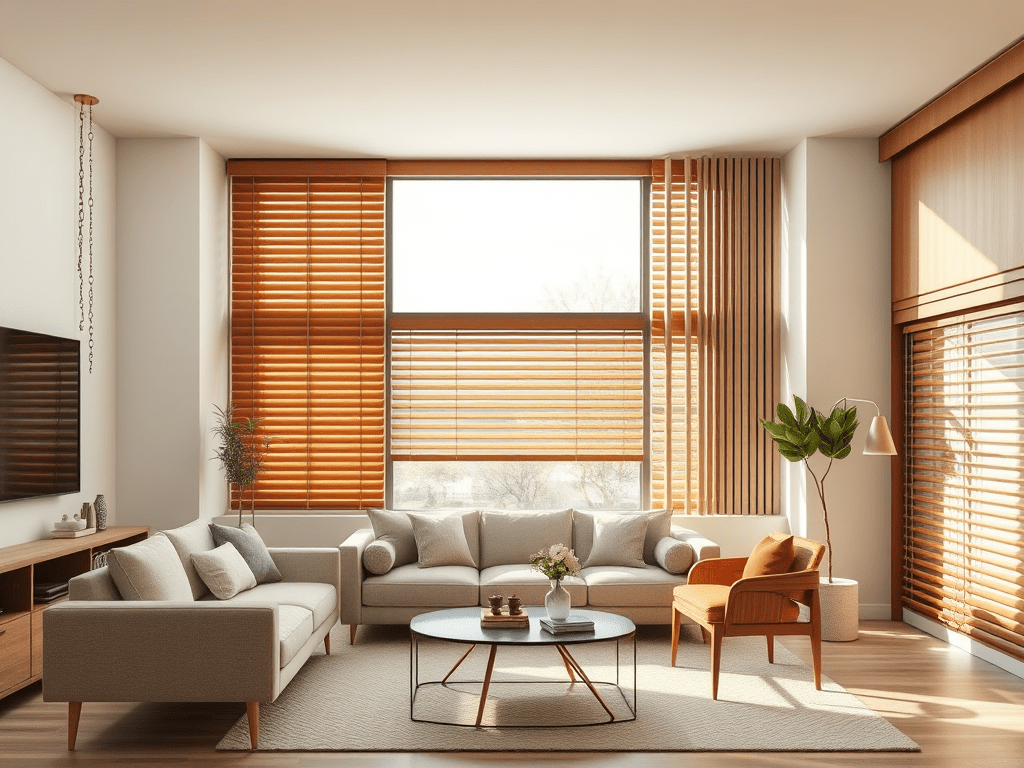
A neutral color palette doesn’t have to feel flat or boring. Layer different shades within the same color family to add depth and interest. For example, pair a taupe sofa with cream-colored pillows and a soft gray throw. Incorporate a variety of textures such as linen, wool, leather, or wood to create a rich and inviting space.
3. Use Accent Colors Wisely
While neutrals are the star, adding small pops of color can enhance the overall look. Introduce muted blues, greens, or terracotta tones through accessories like vases, artwork, or decorative pillows. These subtle accents will bring warmth and personality without overwhelming the space.
4. Incorporate Natural Elements
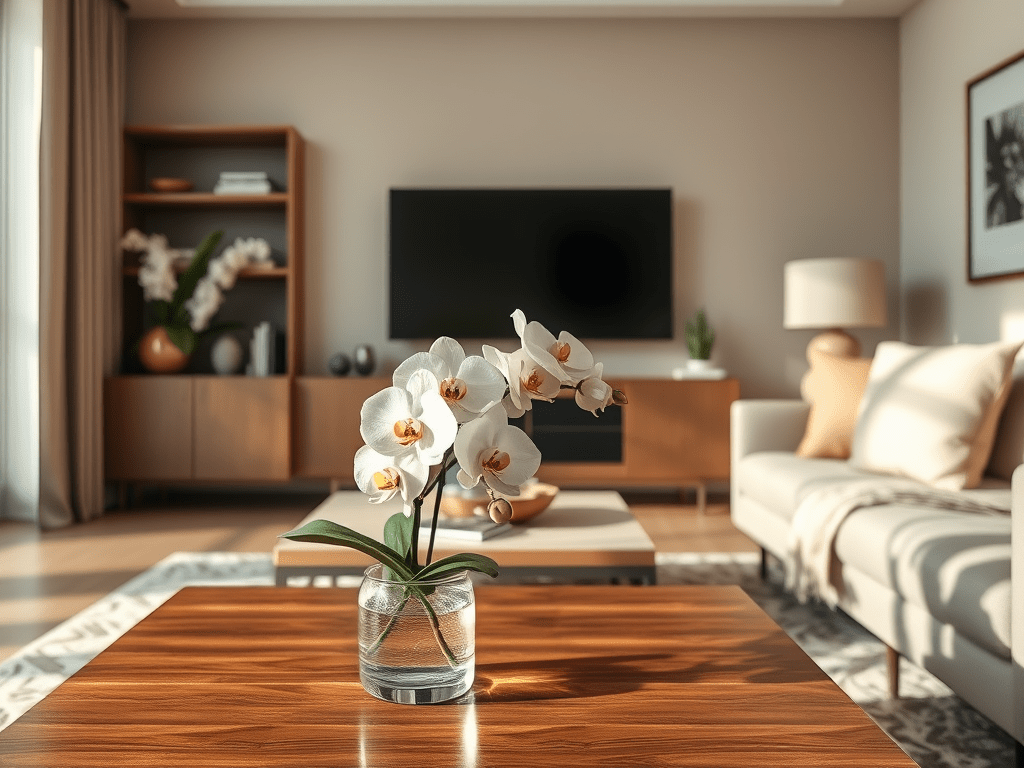
To avoid a neutral space feeling too sterile, bring in natural materials like wood, stone, and woven fibers. A wooden coffee table, rattan baskets, or a marble countertop can add a touch of organic warmth and balance out the neutral tones.
5. Focus on Lighting
Lighting plays a crucial role in how neutral colors appear in a room. Use a mix of natural light, ambient lighting, and accent lighting to highlight different shades and textures. Soft white or warm lighting can enhance the coziness of your neutral space.
Final Thoughts
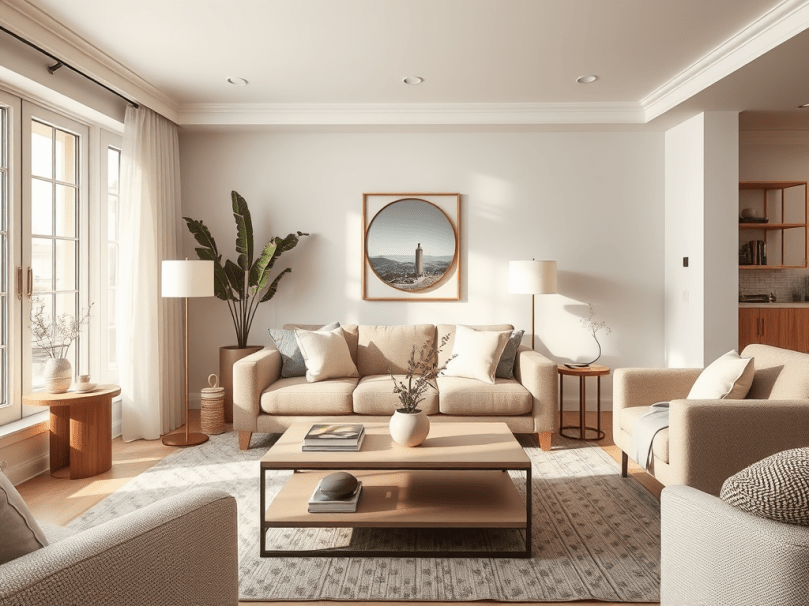
Using neutral colors as a base is an excellent way to create a cohesive and stylish home. Whether you prefer a modern, rustic, or classic aesthetic, a well-planned neutral palette provides the perfect canvas for personalization and easy updates. By layering textures, incorporating natural elements, and carefully choosing accent colors, you can achieve a harmonious and elegant living space that feels both inviting and timeless.
 Discoveringlifellc
Leave a comment