
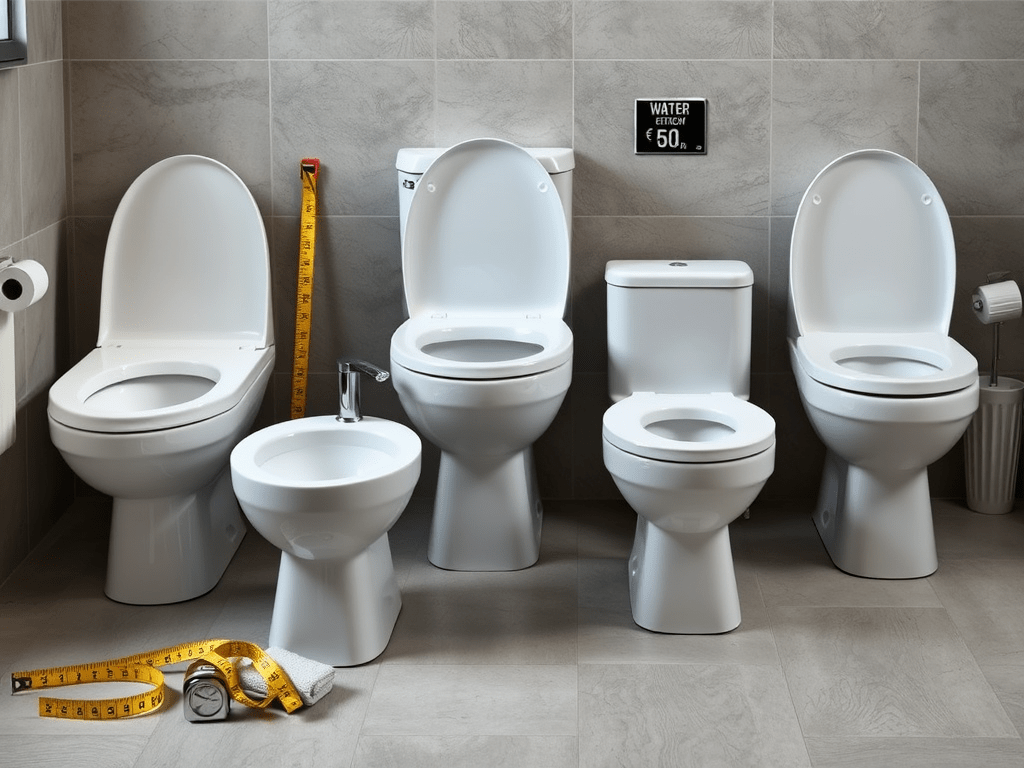
When you’re tackling a DIY bathroom update, the toilet might not be the first thing that comes to mind—but it should be. Toilets are one of the most-used fixtures in the home, and choosing the right one can make a huge difference in comfort, water usage, and even resale value. With so many options out there, it’s important to know what to look for beyond just the price tag.
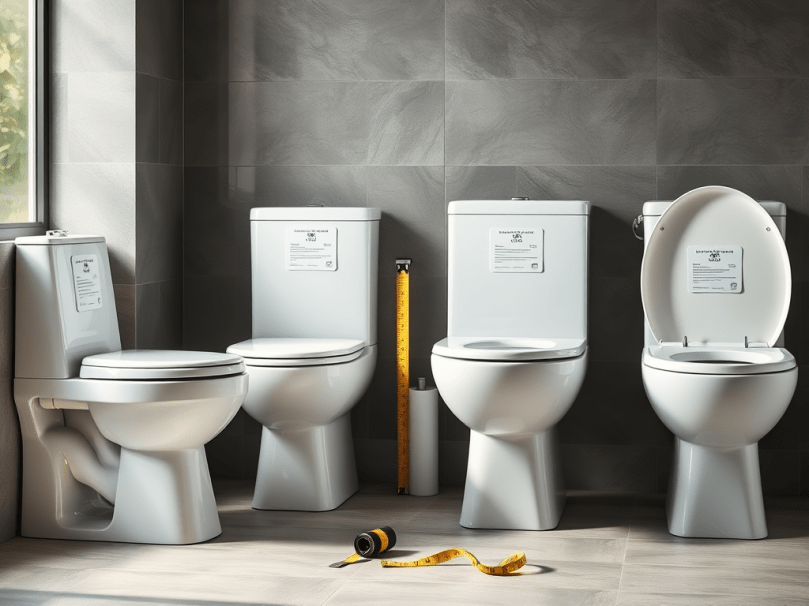
Here’s what to keep in mind when choosing a toilet for your DIY bathroom project:
Is it Best to Buy the Cheapest Toilet?
In short: not always.
While it’s tempting to go for the least expensive model to save money, cheap toilets often come with hidden costs down the line—like higher water bills, more frequent repairs, or the need for early replacement.
Higher-quality toilets typically offer better flushing power, more efficient water use, and longer-lasting materials. Think of a toilet like you would a mattress—you use it daily, and it needs to be reliable. Spending a little more upfront can mean a lot less frustration later.
That being said, you don’t have to buy the most expensive model either. The goal is to find the best balance between price, quality, and function.
Things to Consider When Choosing a Toilet for Your DIY Bathroom Project
When you’re making your selection, consider these key factors:
1. Size and Shape
Toilets come in different sizes and shapes, and you’ll need to choose one that fits your bathroom space comfortably. Measure carefully before shopping.
You’ll need to know:
- The rough-in size (the distance between the wall and the center of the drainpipe—usually 10″, 12″, or 14″).
- How much clearance you have in front of and beside the toilet.
- Whether you prefer an elongated bowl (more comfortable but bigger) or a round bowl (better for tight spaces).
2. Height
Standard toilets are about 15 inches from the floor to the seat, but comfort height toilets are closer to 17–19 inches. Comfort height models are easier to sit down on and stand up from, making them a great choice for adults, seniors, and anyone with mobility issues.
3. Water Efficiency
Look for WaterSense-labeled toilets, which use less than 1.28 gallons per flush compared to older models that might use 3–5 gallons. Dual-flush toilets (with separate buttons for liquid and solid waste) are also an option if you want to maximize efficiency.
4. Flushing System
Modern toilets offer different flushing technologies:
- Gravity-flush toilets use the weight of the water to generate pressure.
- Pressure-assisted toilets use compressed air to force water into the bowl. These are louder but more powerful, great for busy households.
- Dual-flush toilets give you options for a lighter or heavier flush.
Think about your household’s needs. If clogging has been an issue before, you might want a stronger flush system.
5. Style and Appearance
If you’re already updating the bathroom, you probably want everything to match. Toilets come in various colors, designs, and styles:
- Two-piece toilets (separate tank and bowl) are traditional and usually more affordable.
- One-piece toilets (tank and bowl fused together) are sleeker, easier to clean, and modern-looking but often pricier.
6. Ease of Installation
Since you’re doing a DIY renovation, you want a toilet that’s straightforward to install. Some models are easier to handle than others, and brands often rate their products as “DIY-friendly.” Pay attention to the installation instructions and make sure you have all the tools and parts you’ll need ahead of time.
7. Budget
Set a realistic budget, not just for the toilet itself but for any additional materials:
- New wax ring or wax-free seal
- New supply line
- New bolts and caps
- Possibly a new toilet seat (not all toilets come with one)
Budgeting for all the little extras helps avoid those frustrating extra trips to the hardware store mid-project.

Final Thoughts
Choosing the right toilet is about balancing comfort, efficiency, style, and budget. While it’s tempting to just pick the cheapest one and move on, a little extra research (and a little more investment) can save you a lot of headaches down the road.
Remember: when you’re upgrading your home yourself, every choice you make affects how satisfied you’ll be with the final result. Take the time to choose a toilet that works for your space, your family, and your lifestyle—you’ll be glad you did every single day.
 Discoveringlifellc
Leave a comment