
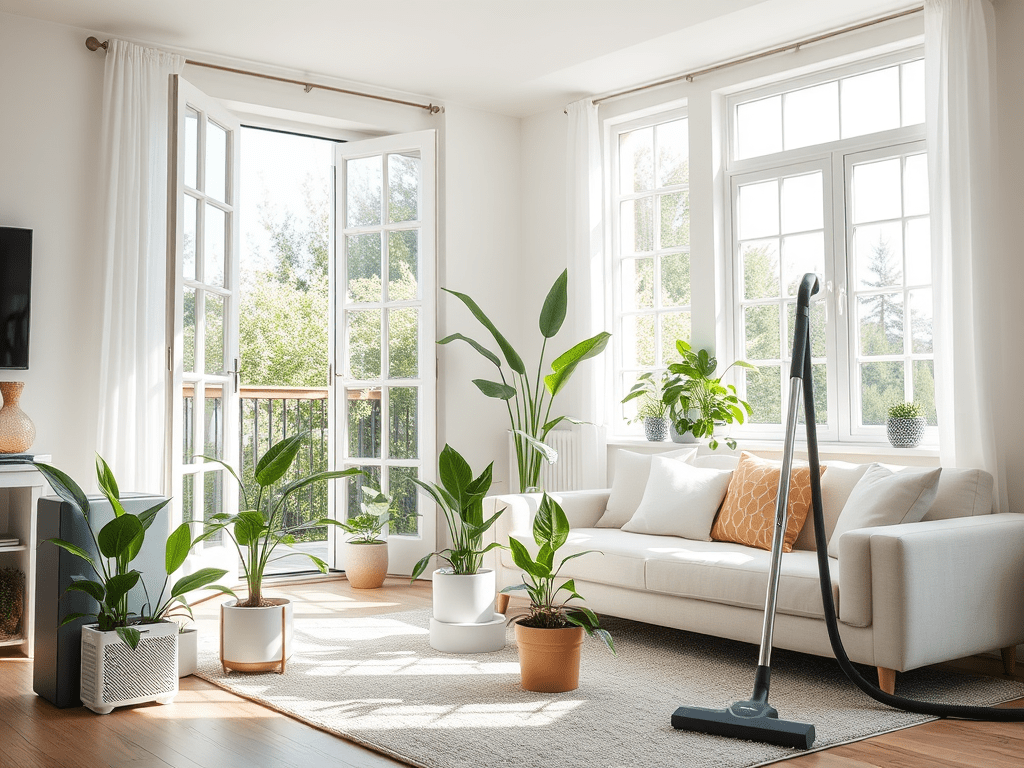
Have you ever walked into your home and noticed it feels stuffy or heavy? That might be more than just a closed window — it could be poor indoor air quality. From dust and dander to chemicals and mold spores, the air inside our homes can sometimes be more polluted than the air outside. The good news? You can take control of the air you breathe. Here’s how to clean the air in your home and choose the best products to help you do it.
1. Start with Simple Daily Habits
Before investing in products, start with good habits that naturally improve air quality:
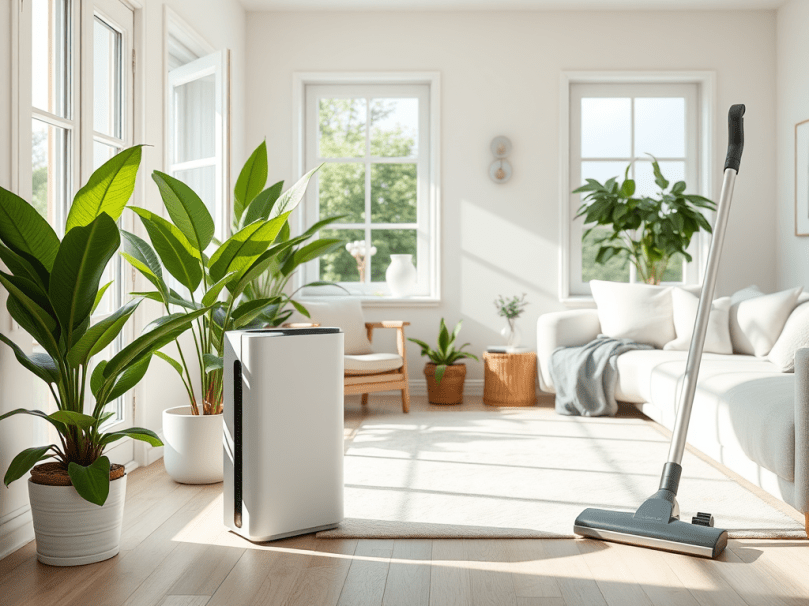
- Open the windows: Even just 10–15 minutes of fresh air daily can make a difference.
- Vacuum regularly: Especially if you have pets or carpet. Use a vacuum with a HEPA filter.
- Remove shoes at the door: This limits dirt, pollen, and outdoor pollutants from entering your space.
- Avoid synthetic air fresheners: Opt for essential oil diffusers or simmering herbs and citrus on the stove.
2. Identify What’s Polluting Your Air
Different households have different air quality issues. Ask yourself:
- Do you have pets?
- Do you use a fireplace?
- Do you cook often with gas?
- Does anyone smoke indoors?
- Do you live in a high-pollen or industrial area?
Your answers will help guide what products you need most.
3. Top Products That Help Clean Indoor Air
Air Purifiers
A good air purifier can trap allergens, pet dander, smoke, and even some bacteria and viruses. Look for:
- True HEPA Filters – Not just “HEPA-type”
- Activated Carbon Filters – These absorb odors and chemicals
- Smart Features – Auto mode, air quality sensors, and app control for easy monitoring
Top Picks:
- Levoit Core 300 / Core 400S – Affordable and effective with HEPA + carbon
- Coway Airmega – Stylish, powerful, and quiet
- Dyson Purifier Cool – Combines air purifying and fan functions
Houseplants
While they’re not miracle workers, some houseplants can contribute to better air:
- Snake Plant
- Spider Plant
- Peace Lily
- English Ivy
Tip: Houseplants work best in combination with other air-cleansing methods, not alone.
Humidifiers (or Dehumidifiers)
- A humidifier adds moisture to dry air, which can help with respiratory comfort.
- A dehumidifier reduces moisture that can lead to mold and mildew in damp climates.
Make sure to clean these regularly — otherwise, they can do more harm than good.
Non-Toxic Cleaning Products
Switching to natural or non-toxic cleaning products can cut down on airborne chemicals. Look for:
- Fragrance-free or essential oil-based scents
- Brands like Seventh Generation, Method, Branch Basics, and Blueland
- DIY vinegar, lemon, and baking soda combinations
4. Test Your Indoor Air Quality
If you want hard data, get an indoor air quality monitor. These devices measure levels of pollutants like:
- PM2.5 (fine particles)
- VOCs (volatile organic compounds)
- CO2
- Humidity and temperature
Good choices include:
- Awair Element
- Airthings View Plus
- Amazon Smart Air Quality Monitor
5. Bonus Tips for Specific Areas of Your Home
- Bedrooms: Keep windows cracked, wash bedding weekly, and use hypoallergenic pillow and mattress covers.
- Bathrooms: Run the fan during and after showers to reduce moisture buildup.
- Kitchens: Use a range hood fan when cooking, especially if using gas.
Final Thoughts
Clean air at home is one of the most important (and often overlooked) aspects of a healthy lifestyle. With a mix of smart habits and reliable products, you can transform your home into a place where every breath feels refreshing.
Start small — even one air purifier or ditching that synthetic spray can have a big impact. Your lungs (and your family) will thank you!


 Discoveringlifellc
Leave a comment