
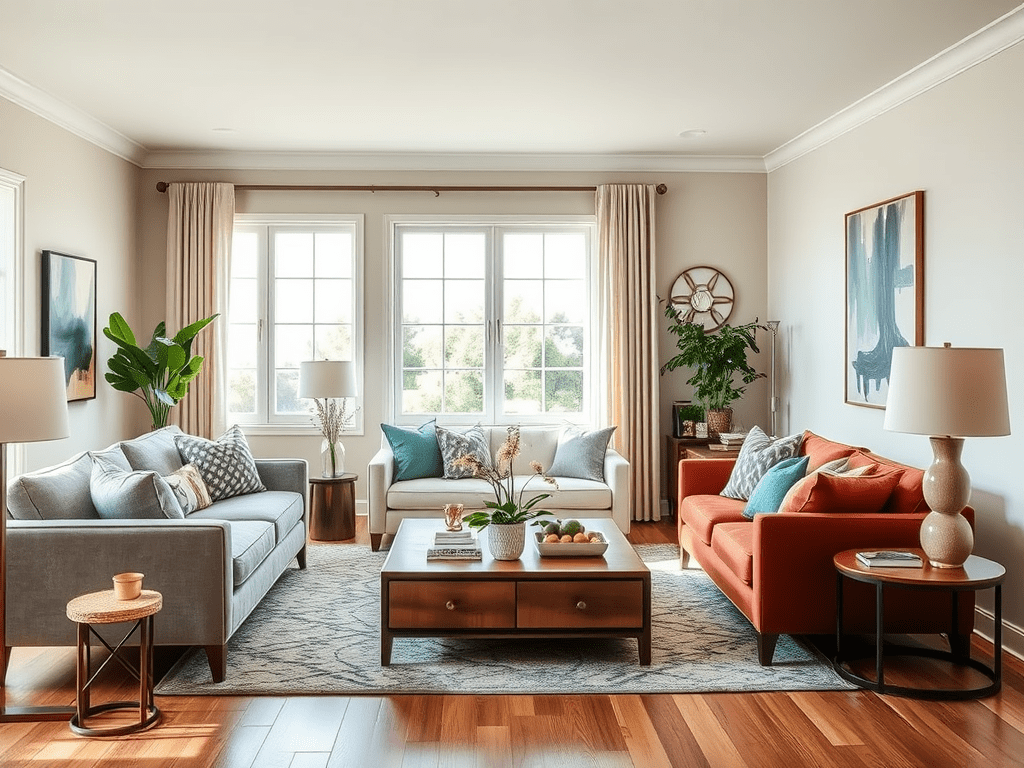
When you walk into a well-decorated home, there’s often a sense of cohesion—something that just feels right. The colors flow, the furniture fits, and the vibe is consistent. But does that mean everything matches? Not necessarily.
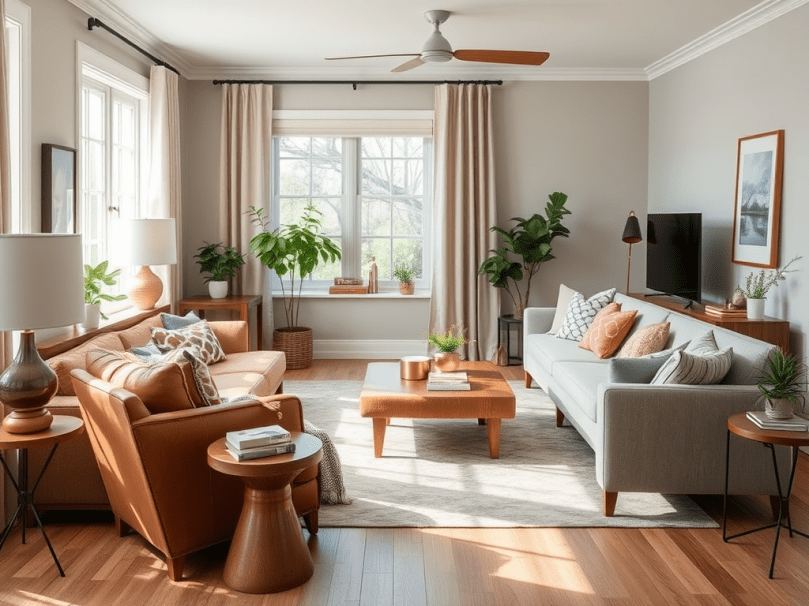
So let’s talk about it: How important is matching in home decor? Are there unwritten rules? And do you really need to be “matchy matchy” to have a beautiful home?
The Myth of Matching Everything
For years, home decor catalogs and furniture showrooms gave us the impression that matching is the key to good design. Matching bedroom sets. Matching curtain and pillow patterns. Matching frames on the wall.
But here’s the truth: Matching is safe—but it’s not always stylish.
While it can create a clean, uniform look, too much matching can make your space feel flat, impersonal, and overly staged—like a furniture showroom rather than a lived-in home.
So, How Important Is Matching?
Matching has its place. You want certain elements to relate to each other so your space feels intentional and put together. But it’s more about coordination than exact replication.
Think:
- Complementary colors instead of identical shades.
- Similar styles rather than identical pieces.
- Repetition of materials or tones (like brass or warm woods) rather than exact matching lamps on both sides of the room.
A little balance goes a long way.
Unwritten Rules of Matching (And When to Break Them)
Here are a few unspoken “rules” many decorators live by—plus why it’s okay to break them:
- Don’t mix wood tones.
Break it. Mixed woods can bring warmth and depth. Just balance light and dark tones and repeat each at least once to keep things cohesive. - Your furniture must match the room’s color palette.
Bend it. A pop of contrast (a bold accent chair or colorful art) can create interest and personality. - Every metal finish must be the same.
Mix it. Warm and cool metals can coexist beautifully when done intentionally. Think brushed nickel with matte black or brass with chrome. - Your living room set should be a complete matching suite.
Nope. Mixing sofas and chairs adds visual interest. Just ensure they speak the same design language (e.g., modern, mid-century, farmhouse).
Matchy-Matchy vs. Mixed and Meaningful
Some people love the clean symmetry of a matchy-matchy space. That’s okay! But for others, a more layered, collected look feels more personal and inviting.
Here’s the key: Your home should reflect you. If everything matches because you genuinely love that aesthetic, go for it. But if you’re trying to “match” because you think you have to, take a step back.
You might find that your space feels more authentic when you embrace a little imperfection—a slightly different wood finish here, a colorful throw pillow there, a mix of old and new.
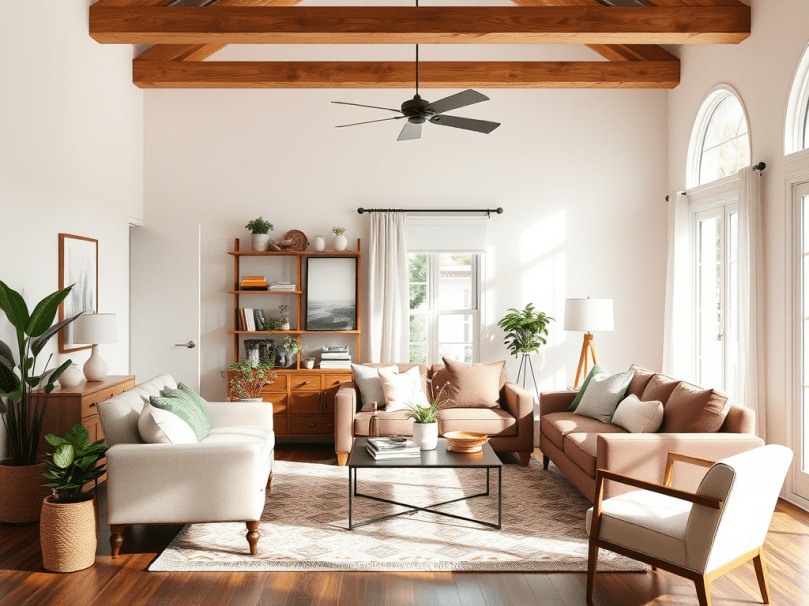
Final Thoughts: Cohesive > Matching
Instead of aiming for matching, aim for cohesion—a space where the pieces work together, even if they aren’t twins. Let your personality shine through in the contrast, the mix, and the unexpected touches.
Remember: Your home isn’t a showroom. It’s a reflection of your life, your style, and your story.
So go ahead—mix that vintage chair with your modern table. Hang that colorful painting above your neutral sofa. As long as it feels right to you, it matches.
 Discoveringlifellc
Leave a comment