
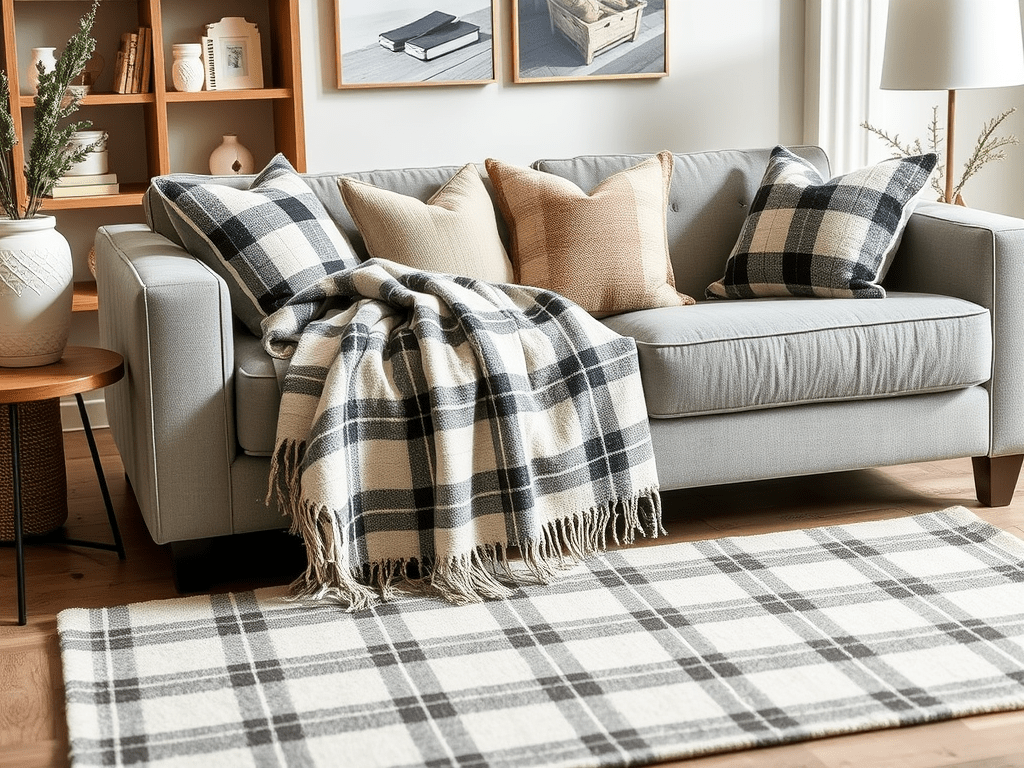
When you hear the word plaid, you might think of a cozy flannel shirt, a rustic log cabin, or even the classic holiday blanket draped across a sofa. But plaid has a much richer story—and a surprisingly modern place in home décor. So, is plaid a thing of the past, or can it be reimagined as a fresh and stylish choice for today’s interiors? Let’s dive into the history, its timeless appeal, and how you can incorporate plaid into your updated home style.
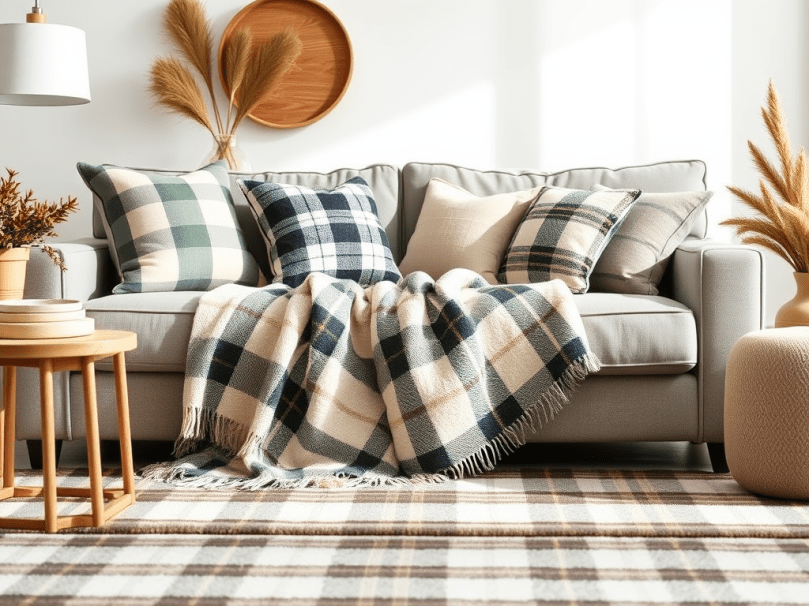
The History of Plaid
Plaid patterns—also known as tartans—have deep cultural roots. Originating in Scotland, tartan patterns were historically tied to different clans, each with their own distinct color and line combinations. Over time, plaid moved from traditional attire to mainstream fashion and eventually into home design.
By the mid-20th century, plaid became wildly popular in homes across the United States and Europe. Think wood-paneled dens, cozy cottages, and even the occasional plaid wallpaper. It was a symbol of warmth, tradition, and family gathering spaces.
Why Plaid Was So Popular in the Past
Plaid had a lot going for it:
- Versatility – It worked in clothing, upholstery, and even as flooring accents.
- Warmth & Comfort – The layered pattern instantly made a space feel cozy and inviting.
- Symbol of Heritage – For many, plaid carried cultural meaning and nostalgia.
- Timeless Pattern – Just like stripes and polka dots, plaid has a design rhythm that’s easy on the eyes.
Is Plaid Outdated? Or Ready for a Comeback?
Some may see plaid as old-fashioned, associated with the heavy fabrics of the 1970s or overly rustic cabins. But here’s the truth: plaid has never really gone away. Instead, it has evolved.
Designers today are revamping plaid by:
- Using softer, modern color palettes like muted grays, creams, and sage instead of traditional red and green.
- Mixing plaid with minimalist styles to create a subtle accent rather than an overpowering theme.
- Introducing plaid in smaller doses—throw pillows, blankets, or curtains—rather than covering entire rooms.
When used thoughtfully, plaid feels less “grandpa’s den” and more Scandinavian chic.
Why Plaid Will Always Be a Thing
Plaid is one of those patterns that never truly disappears because it works across so many styles:
- Traditional & Rustic – Perfect for cozy cabins or farmhouse living.
- Modern & Minimalist – When done in neutrals, plaid adds texture without overwhelming.
- Seasonal Décor – Nothing says “holiday” quite like a red-and-green plaid throw.
- Global Appeal – Plaid connects history, culture, and timeless design, making it adaptable worldwide.
How to Add Plaid to Your Updated Décor Style
If you’re wondering how to use plaid without making your home look dated, here are some tips:
- Start Small – Plaid throw pillows, blankets, or table runners are an easy way to add the pattern without commitment.
- Go Neutral – Stick to modern palettes like beige, charcoal, or navy plaid to blend with contemporary décor.
- Mix with Solids – Pair plaid with solid-colored furniture or walls to keep it balanced.
- Choose Accents, Not Overload – A plaid accent chair or rug makes a statement without overwhelming the room.
- Seasonal Style Swap – Use bold plaids for the holidays and swap them out for subtle versions year-round.

Final Thoughts
Plaid isn’t a thing of the past—it’s a timeless design element that simply adapts with each generation. Whether you want to lean into its heritage charm or give it a sleek, modern twist, plaid has the power to bring warmth, personality, and character to your home.
So, the next time you’re updating your décor, don’t shy away from plaid. With the right balance, this classic pattern might just become your home’s most stylish secret weapon.
 Discoveringlifellc
Leave a comment