
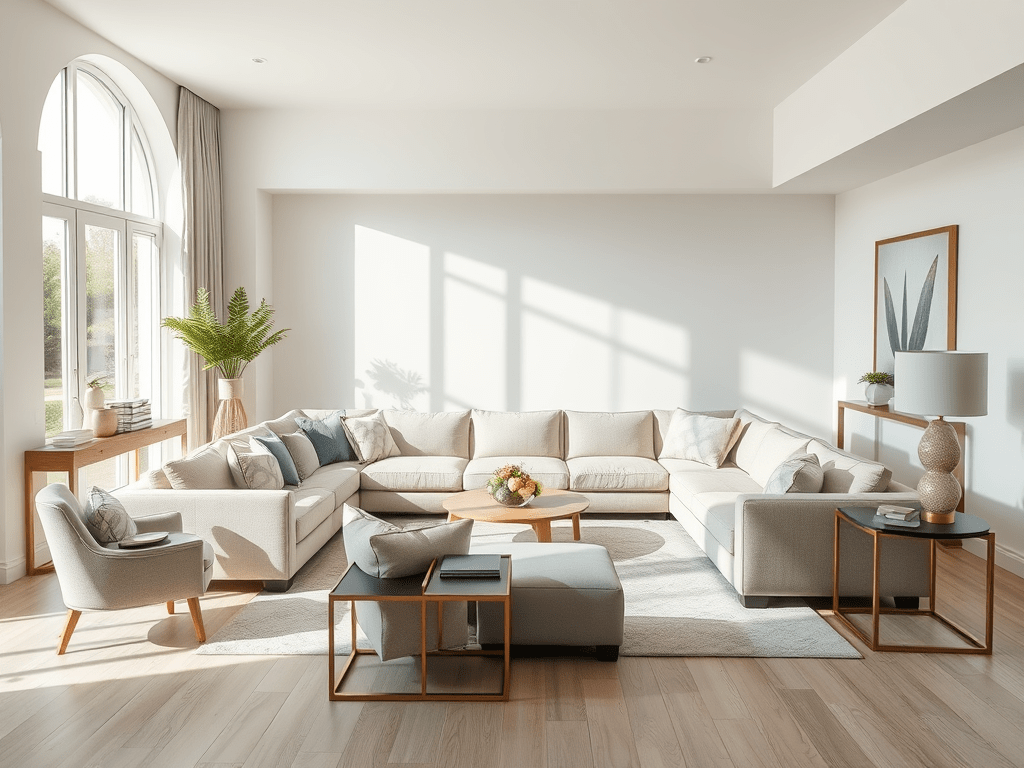
When decorating a home, furniture choices can make or break the feel of a room. One of the biggest design challenges people face is finding the right balance between style and scale. Maybe you’ve fallen in love with a grand sectional sofa, but your living room barely fits a loveseat. Or perhaps you’re drawn to minimalist, smaller furniture but worry it’ll feel lost in a large open space.
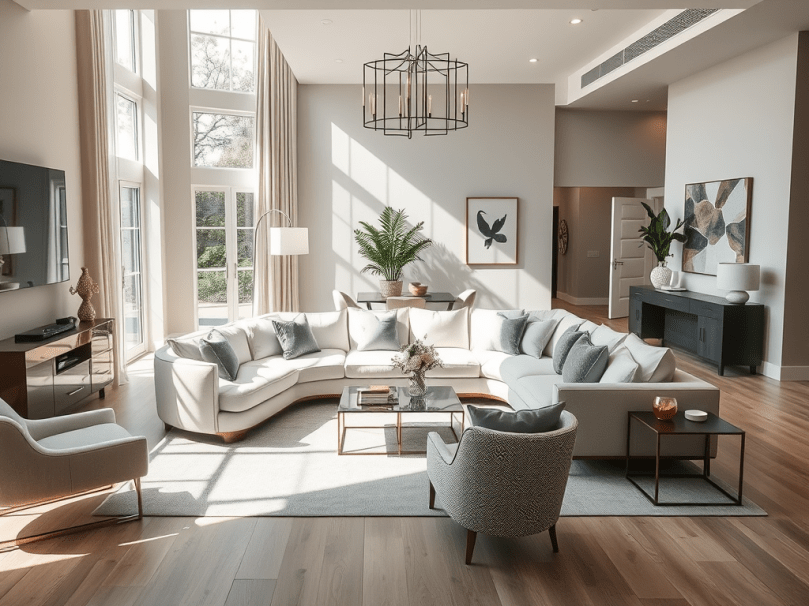
So how do you find the right furniture for your space—and what can you do if your heart says big, but your square footage says small? Let’s break it down.
Understanding Scale and Proportion
Before you buy a single piece, take a step back and look at the scale of your space.
- Scale refers to how big or small something is in relation to the room.
- Proportion is how different pieces relate to each other.
A large piece in a small room can feel overwhelming, but a few well-balanced choices can actually make the space look bigger when done right. Likewise, too many small pieces in a large room can make it feel cluttered and underwhelming.
How to Find the Right Furniture for Your Space
- Measure First, Shop Later
Always know your room’s dimensions before you buy. Measure wall lengths, ceiling height, window placement, and the distance between doorways. This helps you visualize what will actually fit—without blocking light or walkways. - Create Zones
In large spaces, use furniture to define zones. A big sectional can anchor a living area, while a console table or rug can separate a dining or reading nook. - Balance Heights and Visual Weight
Even small spaces benefit from variation. Pair a low-profile sofa with a tall bookshelf to add dimension. In large rooms, mix solid, substantial pieces with open designs to keep things visually interesting. - Think Multifunctional
Especially in smaller spaces, every piece should earn its place. Look for furniture that offers hidden storage, expandable surfaces, or can serve more than one purpose—like an ottoman that doubles as a coffee table or a fold-down desk.
What to Do If You Love Large Furniture but Have a Small Space
Falling in love with oversized furniture happens to the best of us. The good news? You don’t always have to give it up—you just have to be strategic.
- Choose One Statement Piece
Let your large item shine and keep the rest of the furniture minimal. A big sofa or bed can anchor the room, while smaller, lighter accessories balance it out. - Opt for Slimmer Silhouettes
You can still go big without going bulky. Choose pieces with raised legs, open frames, or glass elements to create the illusion of more space. - Use Light Colors and Mirrors
Light tones help large furniture blend more seamlessly into a small room. Add mirrors or reflective surfaces to enhance brightness and make the space feel airier. - Arrange with Flow in Mind
Avoid pushing everything against the walls. Sometimes, floating furniture—like a sofa pulled slightly forward—creates better movement and actually makes the room feel larger. - Customize or Downsize
If you’re absolutely set on a large piece, see if there’s a smaller version. Many brands offer “apartment-size” options that maintain the same look with scaled-down dimensions.
The Bottom Line
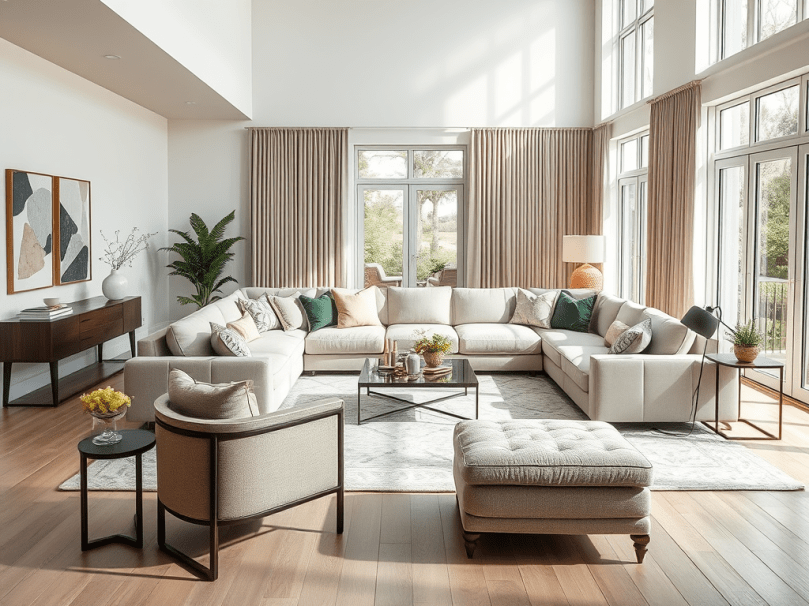
When it comes to furniture, size truly matters—but so does creativity. Whether your home is spacious or cozy, the right balance of scale, proportion, and function will make it feel comfortable and stylish.
If you love big furniture but live in a small space, don’t let square footage stop you. With smart layout choices, clever lighting, and multifunctional designs, you can create a home that feels open, inviting, and perfectly you.
 Discoveringlifellc
Leave a comment