
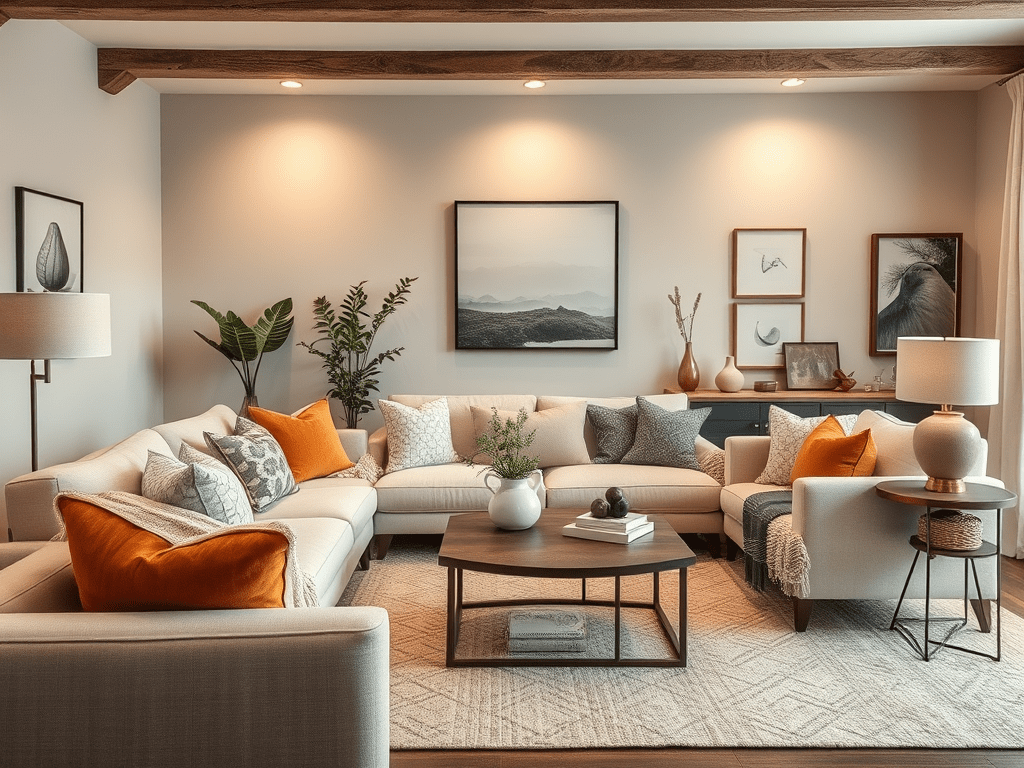
Living with others can be a joy — shared laughter, collective memories, and support that makes a house truly feel like a home. But when it comes to decorating that home, things can get a little… complicated. One person loves bold, modern accents, another leans toward rustic farmhouse charm, and someone else wants everything neutral and clutter-free.

Sound familiar?
Designing a shared space isn’t about giving up your personal taste. It’s about compromising with intention — finding a balance that allows everyone to feel comfortable, represented, and at home. Here’s how to make it work when you’re blending multiple styles under one roof.
1. Start with an Honest Conversation
Before you start browsing furniture catalogs or repainting the living room, sit down and talk. Discuss what each person values most in a home’s design.
- What colors make them feel calm?
- What type of furniture feels most “them”?
- Which items are non-negotiable (like a favorite recliner or statement art piece)?
When everyone’s voice is heard early on, it sets the tone for collaboration rather than conflict.
2. Identify Common Ground
Even if your styles seem worlds apart, there’s usually a thread that ties them together. Maybe you both love cozy textures, open spaces, or warm lighting. Use those shared preferences as the foundation of your design plan.
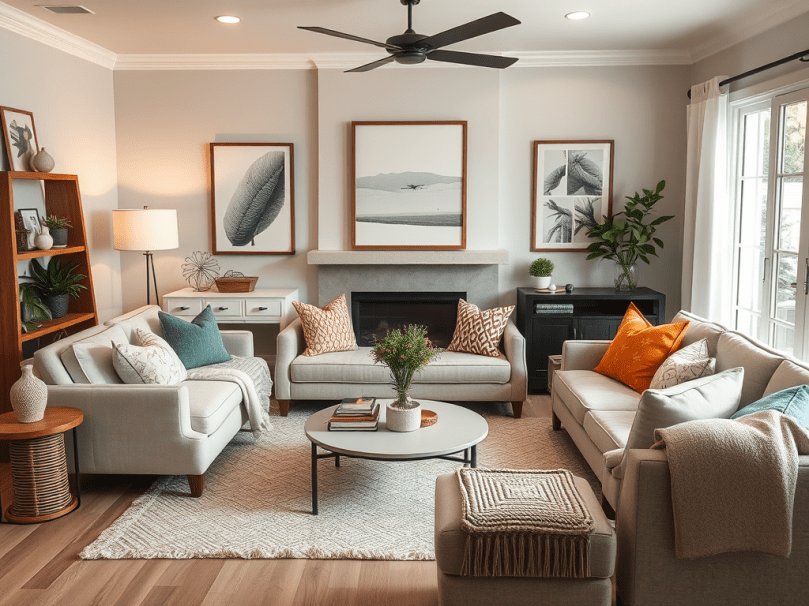
For example, if one person loves minimalist design and another prefers boho chic, meet in the middle with neutral walls, natural materials, and a few layered textiles that bring warmth without clutter.
3. Define Shared vs. Personal Spaces
Not every room needs to reflect everyone’s personality equally.
- Shared areas like the living room, kitchen, and dining room can feature a blend of styles.
- Personal spaces like bedrooms or offices can lean more heavily toward each person’s taste.
This approach allows for individuality without chaos — each person gets to have “their space,” while shared rooms feel cohesive and welcoming.
4. Choose a Neutral Base, Then Layer In Personality
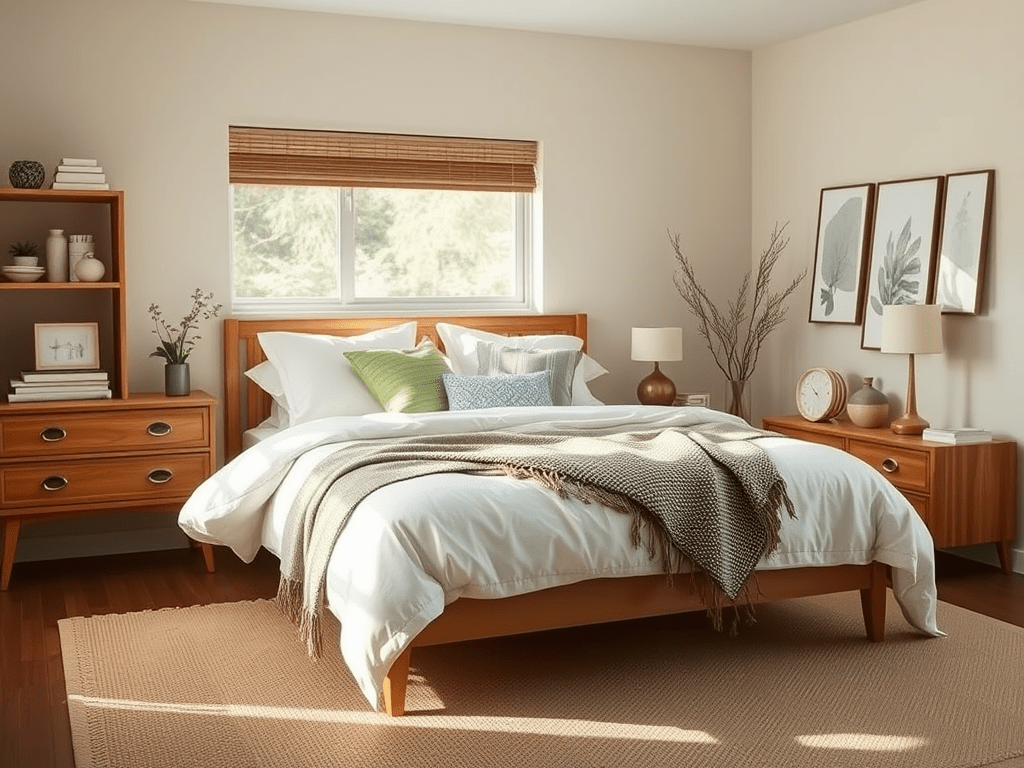
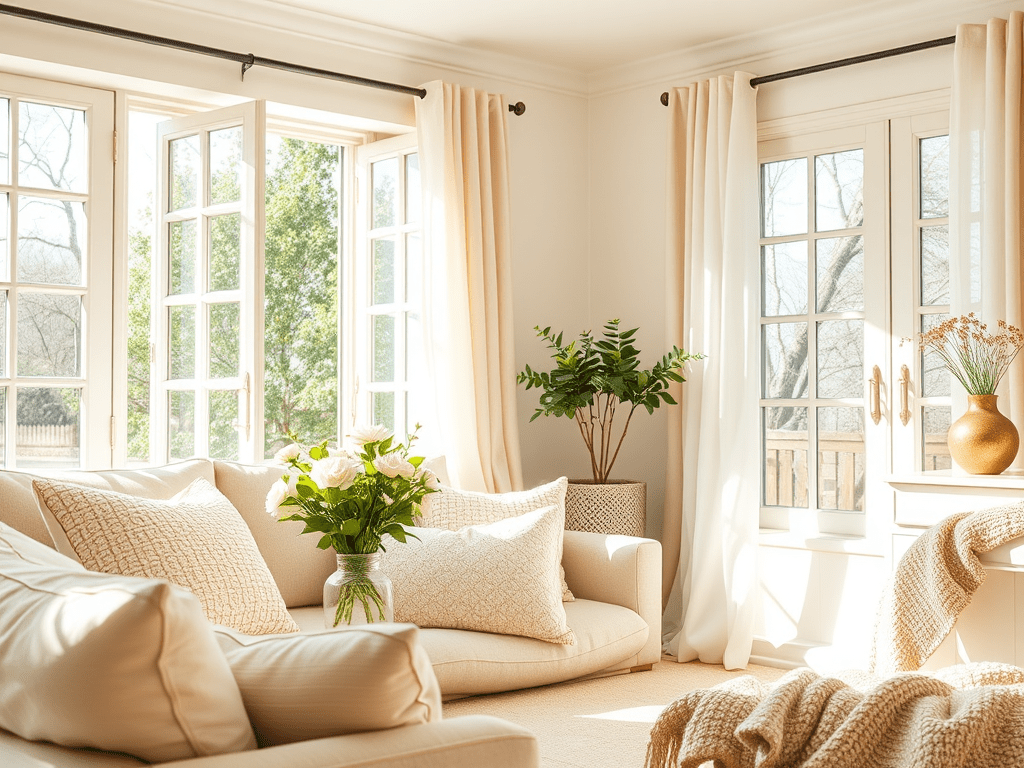
When you’re mixing multiple styles, neutral foundations (like beige, white, gray, or soft greige tones) make it easier to layer in everyone’s preferences without clashing.
Once your base is set, let personality shine through accessories — throw pillows, wall art, rugs, or even plants. These can easily be swapped out as tastes evolve or seasons change.
5. Compromise on Key Pieces
Some design elements carry more weight than others — like the sofa, dining table, or bed frame. These are investment pieces, so they should be timeless and versatile.
For example:
- If one person loves mid-century lines and another prefers farmhouse wood tones, try a modern rustic dining table — sleek shape, natural finish.
- Or if you’re torn between a plush sofa and a clean-lined one, choose a structured design in a cozy fabric.
Small compromises on big items create balance that lasts.
6. Incorporate Everyone’s Favorites
A truly shared home reflects everyone who lives there. That means finding ways to honor each person’s style — maybe through a piece of art, a color palette, or a treasured heirloom.
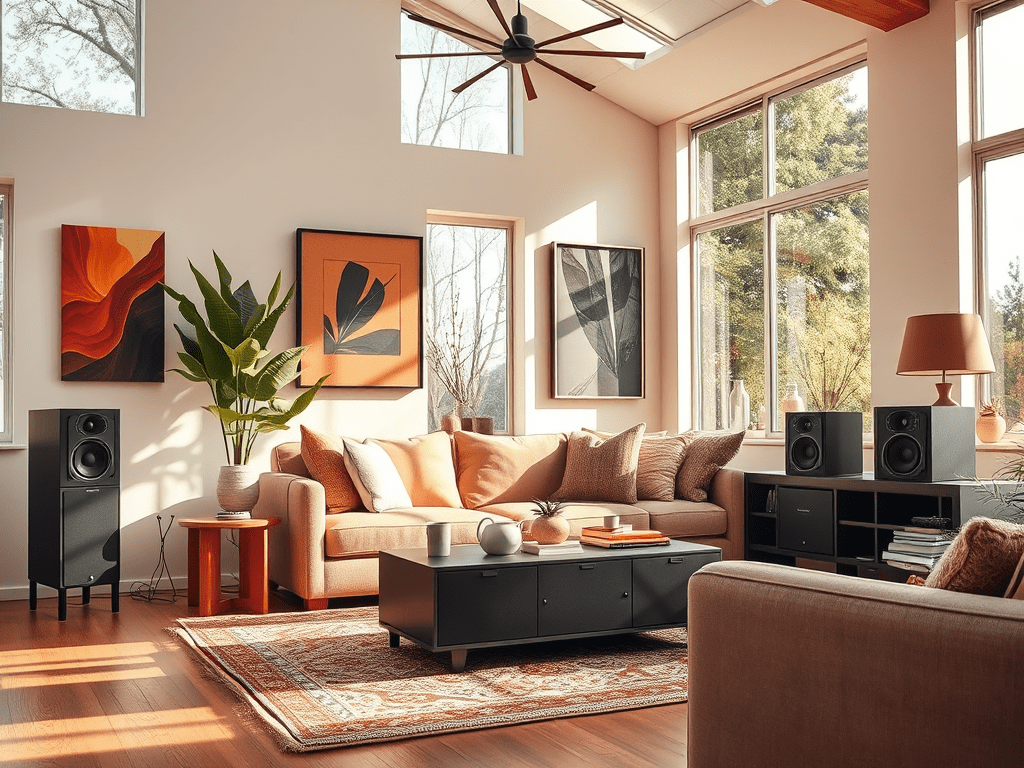
You might have one person’s vintage record player on display alongside another’s contemporary bookshelves. When combined intentionally, these personal touches tell your shared story beautifully.
7. Stay Flexible and Open-Minded
Your home will evolve over time — as will your tastes. Don’t be afraid to rearrange, repaint, or rethink spaces as you grow together. The goal isn’t perfection; it’s harmony.
Remember, decorating is a journey, not a race. Every compromise made with care strengthens not just your home’s aesthetic but the relationships within it.
Final Thoughts
A shared home isn’t about sacrificing your identity — it’s about creating something new together. The best designs are the ones that tell a collective story: one of collaboration, understanding, and love.
So next time you’re debating throw pillow colors or coffee table styles, take a breath, find your middle ground, and remember — the most beautiful homes are built with both style and connection.
 Discoveringlifellc
Leave a comment