
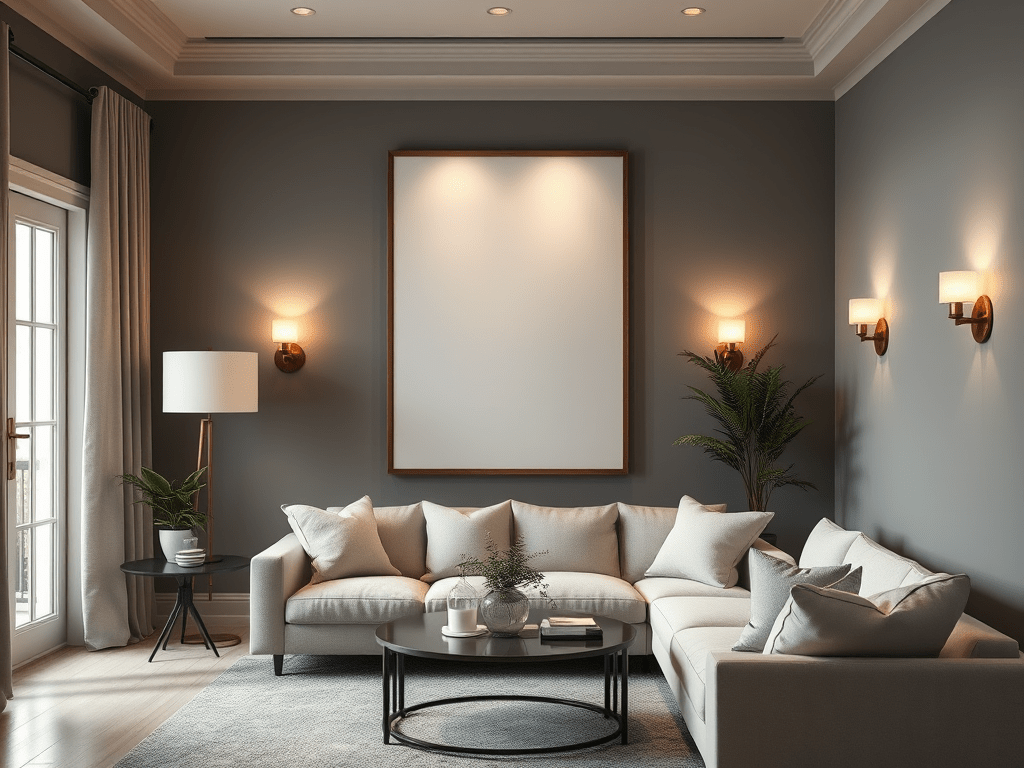
Dark rooms can feel cozy—but they can also feel cramped, heavy, and uninspiring if the lighting isn’t working in your favor. Whether you’re dealing with a room that lacks natural light or a space that just feels dim no matter the time of day, improving your lighting doesn’t mean filling every corner with lamps.
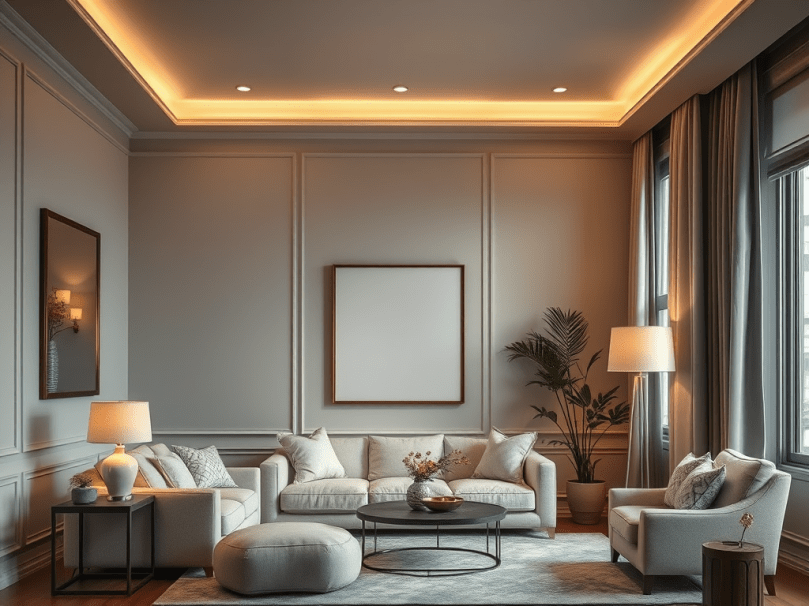
The goal is to maximize light intentionally, not overwhelm your space. Here’s how to make your home feel brighter, lighter, and more open—without overdoing it.
1. Layer Your Lighting (Instead of Relying on One Source)
One overhead light isn’t enough—especially in a dark space. The secret to brighter rooms is layered lighting, which creates depth and balance.
Aim for a mix of:
- Ambient lighting: Your main light source (ceiling fixtures, flush mounts)
- Task lighting: Focused light for function (table lamps, floor lamps, under-cabinet lighting)
- Accent lighting: Soft highlights (wall sconces, LED strips, picture lights)
Layering allows you to spread light evenly throughout the room without needing harsh or oversized fixtures.
2. Choose the Right Bulb Temperature
Not all light bulbs are created equal. In darker spaces, the wrong bulb temperature can make the room feel dull or cold.
- Opt for soft white to warm white (2700K–3000K) for living rooms and bedrooms
- Use neutral white (3500K–4000K) in kitchens or workspaces that need clarity
Avoid mixing too many temperatures in one room—it can create visual clutter and uneven lighting.
3. Use Reflective Surfaces to Multiply Light
One of the easiest ways to brighten a dark room is to let light bounce around.
Try incorporating:
- Mirrors (especially across from windows or light sources)
- Glass or acrylic decor
- Metallic accents in warm finishes like brass or gold
- Glossy or satin paint finishes on walls or trim
These elements help distribute light naturally, making the space feel brighter without adding more fixtures.
4. Rethink Lampshades and Fixtures
Heavy or dark lampshades can absorb light rather than distribute it.
Instead:
- Choose light-colored or sheer shades
- Look for open or exposed-base fixtures
- Avoid bulky designs that visually weigh the room down
A simple switch in lampshade style can instantly improve how light flows through the space.
5. Use Wall Lighting to Free Up Floor Space
If you’re worried about clutter, wall-mounted lighting is your best friend.
Consider:
- Wall sconces in living rooms or hallways
- Plug-in sconces for renters
- Picture lights above artwork
- Slim-profile LED strips under shelves or cabinets
Wall lighting keeps the room feeling open while adding intentional brightness exactly where you need it.
6. Keep Your Color Palette Light (But Not Bland)
Dark spaces benefit from lighter tones—but that doesn’t mean everything has to be white.
Use:
- Soft neutrals like warm beige, greige, or light taupe
- Light wood finishes
- Muted pastels for subtle brightness
Pairing a light color palette with thoughtful lighting helps amplify brightness without washing out your style.
7. Declutter Areas That Block Light Flow
Sometimes the problem isn’t lighting—it’s what’s in the way.
Check for:
- Tall furniture blocking windows
- Overcrowded shelves
- Dark, heavy curtains
Swap heavy drapes for sheer or light-filtering curtains, and rearrange furniture so light can travel freely throughout the room.
8. Use Dimmers to Control Mood and Brightness
Adding dimmers gives you flexibility without adding more lights.
Dimmers allow you to:
- Adjust brightness throughout the day
- Avoid harsh lighting at night
- Make small rooms feel more intentional and cozy
They’re a subtle upgrade with a big impact.
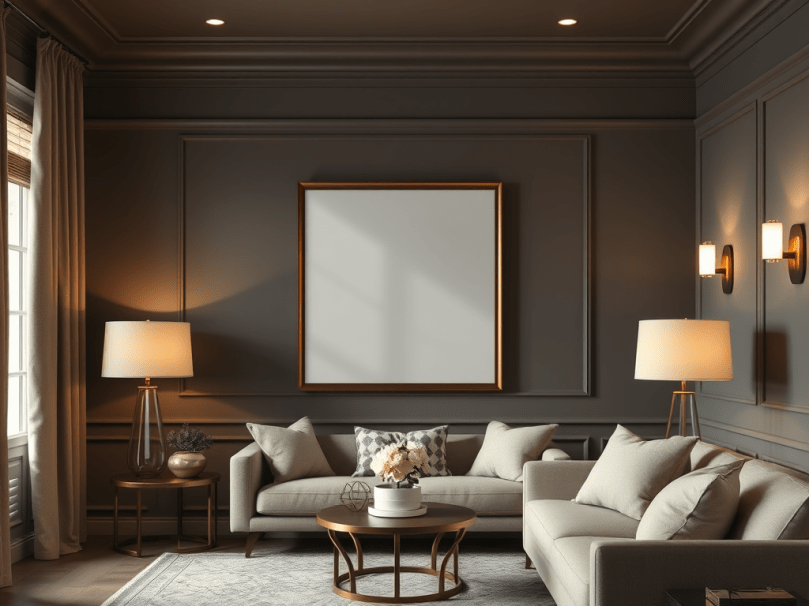
Final Thoughts: Bright Doesn’t Mean Busy
A well-lit home isn’t about how many lights you have—it’s about how strategically you use them. By layering light, choosing the right finishes, and letting your space work with the light you already have, even the darkest room can feel open, airy, and inviting.
The key is balance: thoughtful lighting choices that enhance your home, not overwhelm it.
 Discoveringlifellc
Leave a comment