
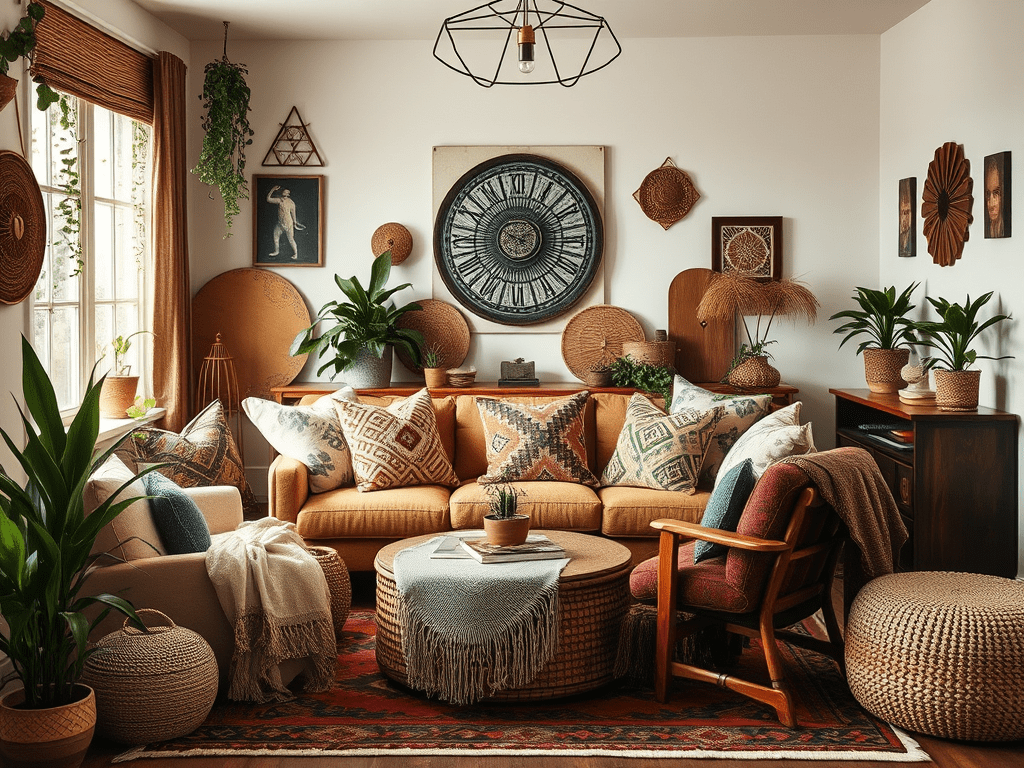
Boho style, short for Bohemian, is more than just a design trend—it’s a lifestyle expression. It’s free-spirited, creative, soulful, and unapologetically unique. If your home is a reflection of who you are, boho style might be the perfect way to let your personality shine.
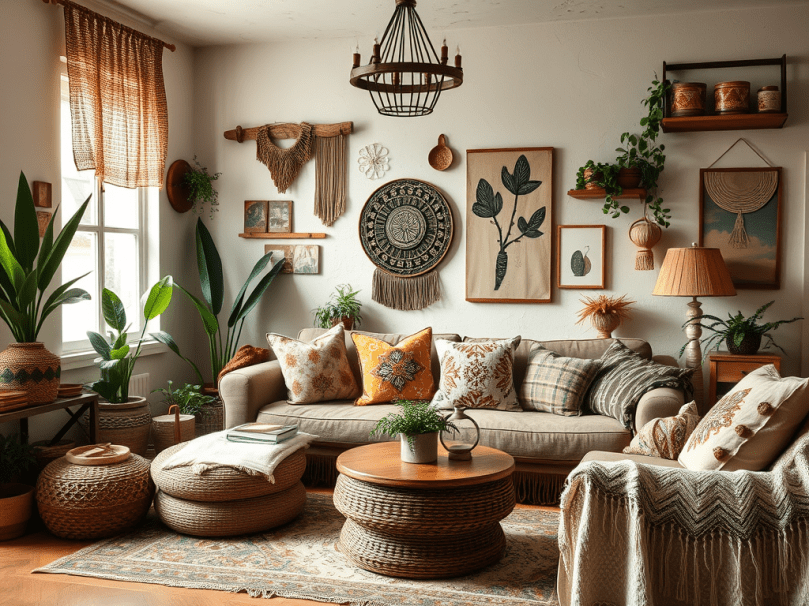
But how do you know if boho style truly fits you? And what makes it so loved by so many?
Let’s explore.
How to Know If Boho Style Matches Your Personality
Boho style is ideal for people who:
- Love creativity and self-expression
- Are drawn to warmth, comfort, and layered textures
- Enjoy mixing patterns, colors, and cultures
- Prefer an “imperfectly perfect” look rather than structured or minimal design
- Value meaning behind décor pieces (travel finds, handmade items, vintage pieces)
Ask yourself:
- Do I like rules, or do I prefer freedom and flexibility?
- Do I enjoy spaces that feel lived-in and personal?
- Am I drawn to earthy colors, natural materials, and global-inspired décor?
If you answered yes, boho style likely aligns with your personality. It’s perfect for people who want their home to feel like a story rather than a showroom.
What Makes Boho Style So Popular?
Boho style feels real. It doesn’t demand perfection. It welcomes individuality.
People love it because:
- It’s comforting and cozy
- It encourages self-expression
- It doesn’t rely on expensive or matching sets
- It evolves naturally over time
- It works well in both small apartments and large homes
Boho spaces feel collected, not decorated. They tell a story through layers of color, texture, and memories.
Why Did Boho Style Suddenly Become So Popular?
Boho’s rise connects deeply with how people now live and think:
- The Shift Toward Authentic Living
People want spaces that reflect who they are—not what a catalog says they should be. - Social Media Influence
Platforms like Pinterest and Instagram showcased cozy boho homes filled with plants, textures, and warm tones, making it highly aspirational and accessible. - Post-Minimalism Movement
After years of strict minimalism, many people craved warmth, personality, and color. - Sustainability & Thrift Culture
Boho embraces vintage and secondhand décor, aligning with eco-conscious living. - Remote Work Lifestyle
Homes became sanctuaries, not just places to sleep. Boho offers emotional comfort.
Can You Mix Boho With Other Styles?
Absolutely—and that’s where boho truly shines. It blends beautifully with other décor styles:
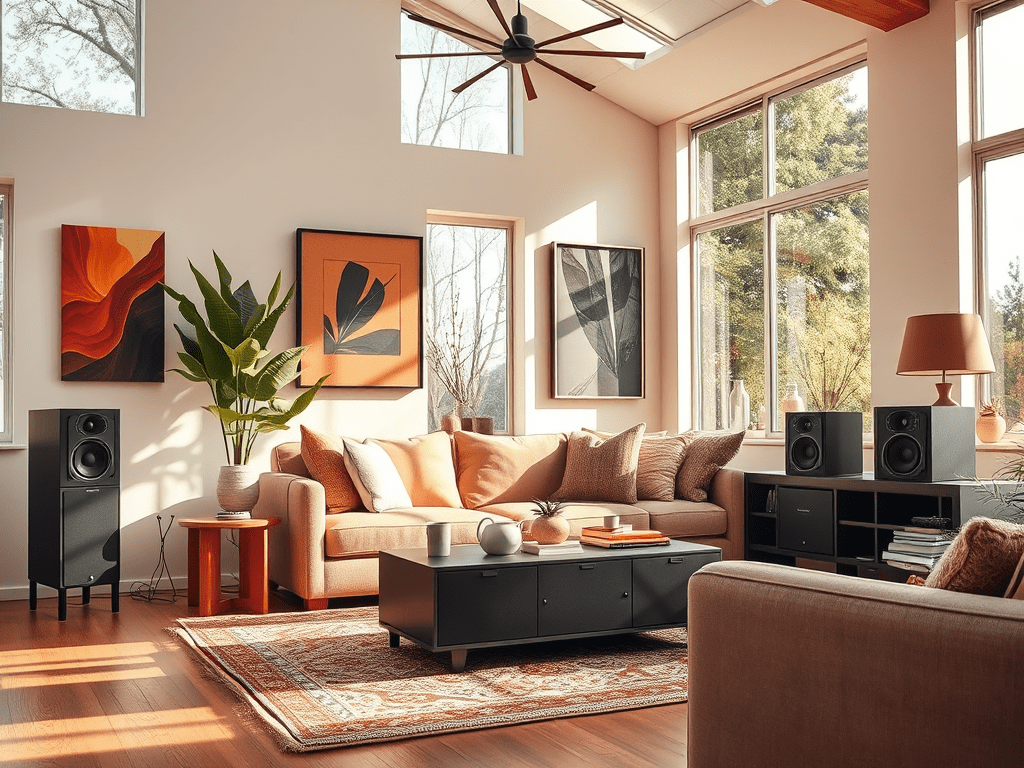
Boho + Modern
- Clean furniture + textured throws
- Neutral walls + layered rugs
- Simple silhouettes + artistic accents
Boho + Farmhouse
- Wood tones + macramé
- Vintage accents + cozy textiles
Boho + Minimalist
- Fewer pieces, but rich textures
- Soft neutral palette with plants
Boho + Glam
- Metallics + woven décor
- Velvet + rattan
- Crystals + earthy tones
Boho + Industrial
- Brick + layered rugs
- Leather + greenery
- Metal + organic textures
Boho doesn’t compete—it enhances.
Key Elements of Boho Style
- Natural materials (rattan, jute, linen, wood)
- Layered textiles (pillows, rugs, throws)
- Earthy and warm tones
- Plants, plants, and more plants
- Handmade and vintage décor
- Global-inspired patterns
- Soft lighting (lamps, lanterns, candles)
Final Thoughts
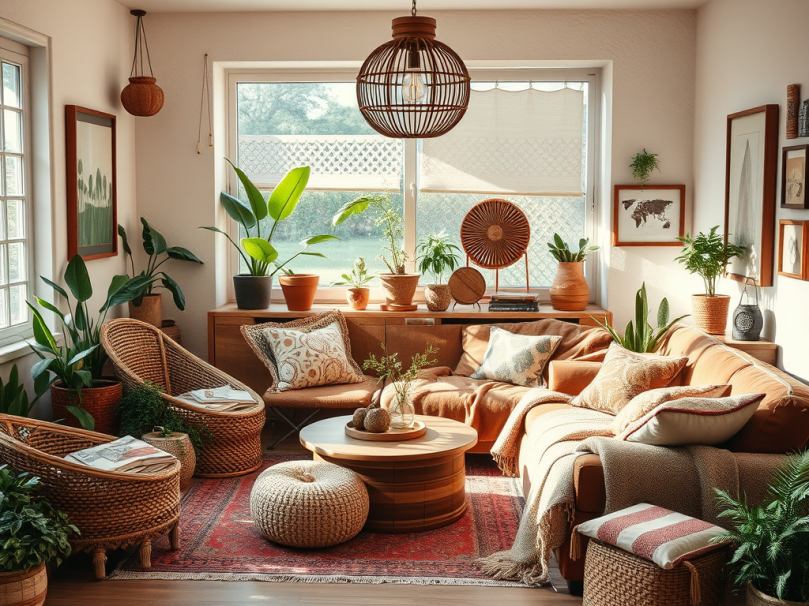
Boho style isn’t about following trends—it’s about creating a home that feels like you. It’s warm, expressive, and welcoming. Whether you go full bohemian or sprinkle boho elements into your current décor, this style allows you to design without limits.
And that freedom? That’s exactly why boho style will never go out of style.
 Discoveringlifellc
Leave a comment