
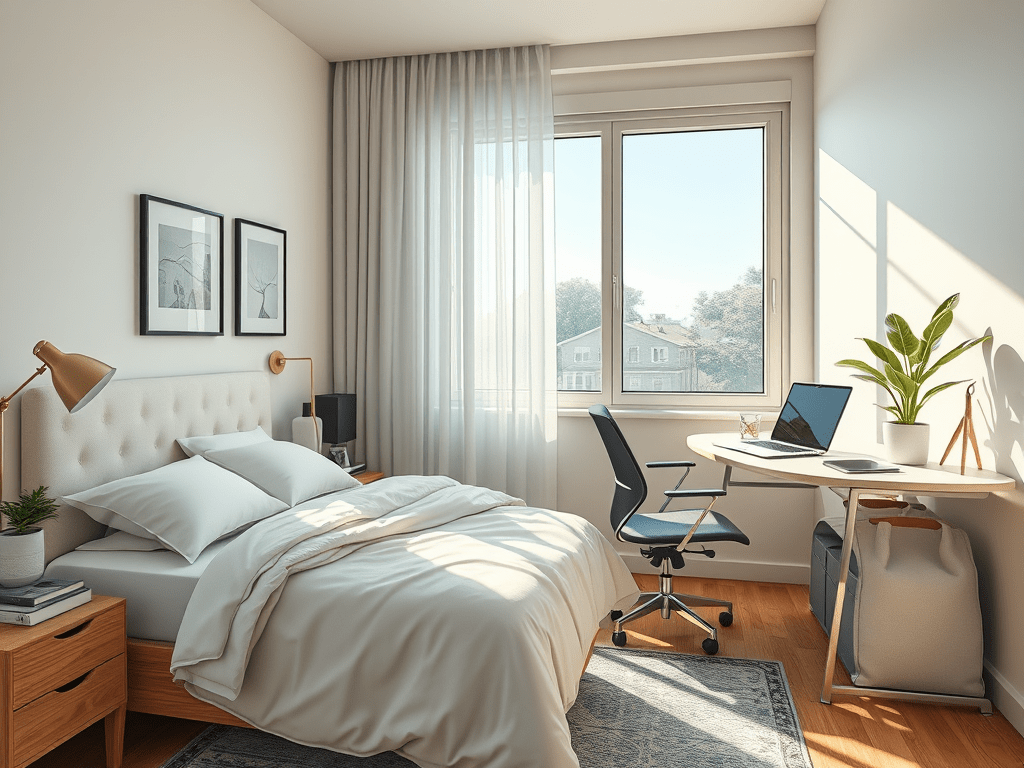
In today’s world, our homes are expected to do more than ever before. Many people are working remotely, running businesses from home, or simply need a quiet place to focus. But what happens when you don’t have an extra room to dedicate to a home office?
The solution is simple: transform your bedroom into a dual-functioning space.
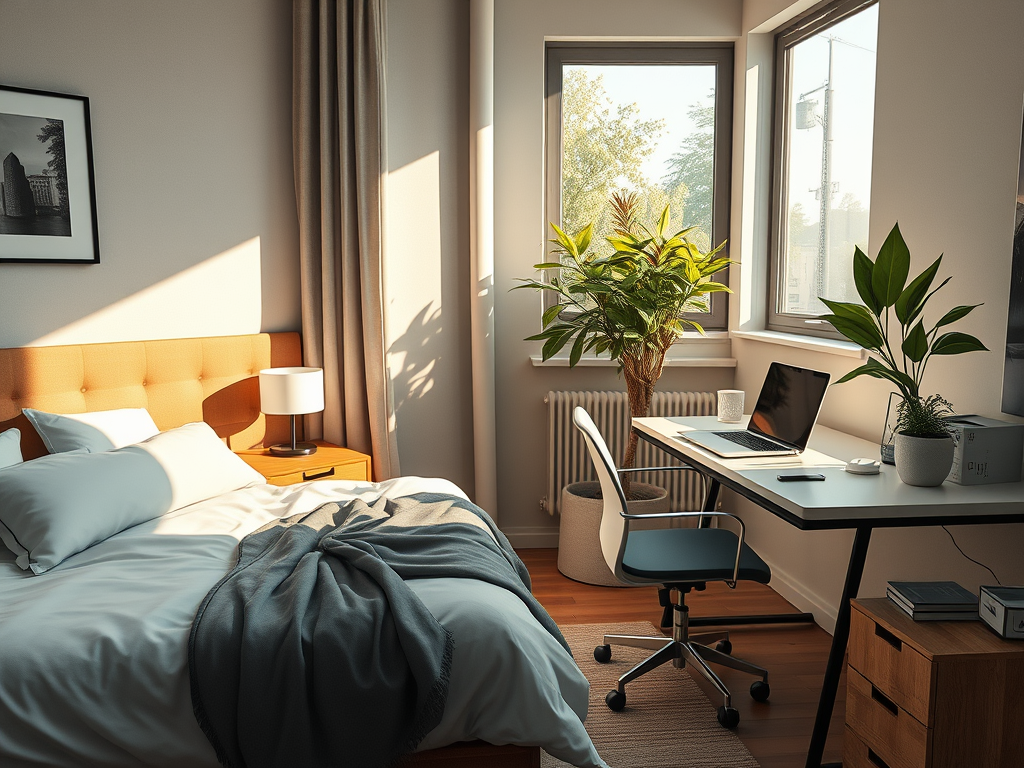
Creating a room that works as both a bedroom and an office may sound challenging at first, but with thoughtful planning and the right furniture choices, you can create a space that feels productive during the day and relaxing at night. The goal is balance—your bedroom should still feel like a place of peace, while your office setup should help you stay focused and organized.
Let’s talk about how to create a bedroom that does both beautifully.
Why Dual-Functioning Rooms Are Becoming More Popular
Over the last few years, the way people use their homes has shifted dramatically. Bedrooms are no longer just places to sleep—they have become workspaces, reading nooks, creative studios, and sometimes even mini living rooms.
There are several reasons why people are choosing dual-purpose rooms:
- Limited space in apartments or smaller homes
- The rise of remote work and online businesses
- The desire to maximize every square foot of a home
- The need for a quiet, personal workspace
Instead of letting space limitations hold you back, a well-designed dual-purpose bedroom allows you to stay productive without sacrificing comfort.
Create Separate Zones Within the Room
One of the most important things you can do when combining a bedroom and office is to create visual separation between the two spaces.
Even if the room is small, dividing the room into zones helps your mind recognize when it is time to work and when it is time to relax.
You can create separation by:
- Placing the desk against a different wall than the bed
- Using an area rug under the desk to define the office area
- Adding a bookshelf or decorative divider
- Positioning your desk near a window for natural light
This small psychological separation can make a huge difference in productivity and relaxation.
Choose Furniture That Works Harder
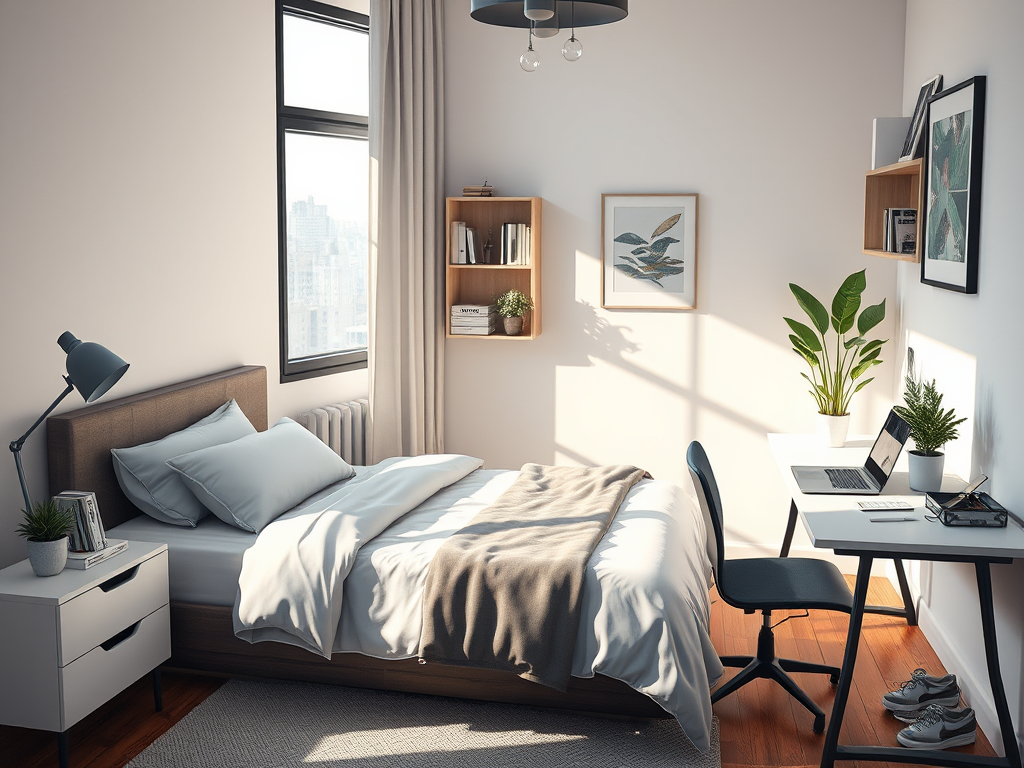
When a room has two purposes, the furniture needs to work twice as hard. Functional furniture helps keep the space organized without making it feel crowded.
Some great furniture choices include:
Desks with storage
A desk with built-in drawers or shelving helps reduce clutter and keeps work supplies organized.
Beds with storage underneath
Storage beds or beds with drawers allow you to store extra blankets, documents, or seasonal items.
Foldable or compact desks
If your bedroom is small, a fold-down desk or wall-mounted desk can be a great solution.
Multipurpose seating
An ottoman or bench at the end of the bed can double as additional seating during work hours.
When selecting furniture, always ask yourself one question: Can this piece serve more than one purpose?
Keep Work Clutter Contained
One of the biggest challenges of having a bedroom office is keeping work materials from taking over your personal space.
Nothing disrupts relaxation like seeing paperwork, laptops, and notebooks scattered around your bedroom at night.
Here are a few ways to keep work clutter under control:
- Use desk organizers or drawer dividers
- Store documents in decorative storage boxes
- Use a rolling cart for supplies that can be tucked away
- Close your laptop and clear the desk at the end of the day
Creating a small “end of workday” routine can help your brain transition from work mode to rest mode.
Use Lighting to Set the Mood
Lighting plays a huge role in helping a room serve multiple purposes.
During the day, your workspace should be well lit so you can stay focused and productive. At night, softer lighting helps turn the room back into a calming bedroom.
Consider using multiple lighting sources such as:
- A desk lamp for focused work lighting
- Soft bedside lamps for nighttime relaxation
- Floor lamps to brighten darker corners
- Warm bulbs for a cozy bedroom atmosphere
Layered lighting allows you to shift the mood of the room depending on the time of day.
Keep the Decor Calm and Inspiring
Because the room has two roles, the decor should support both productivity and relaxation.
Try to keep the space balanced—not too busy, but not too empty either.
Some great decor ideas include:
- Minimalist wall art
- Neutral color palettes with small pops of color
- Plants to add life and freshness
- Inspirational quotes or artwork near the desk area
Decor should inspire creativity while still allowing the room to feel like a peaceful retreat.
Protect the Bedroom Energy
Your bedroom should always remain a place of comfort and peace. Even if it doubles as an office, it should never feel like a stressful workspace.
A simple habit that helps is “closing down the office” each evening.
This might include:
- Turning off the computer
- Organizing the desk
- Dimming the lights
- Playing relaxing music or lighting a candle
This small routine signals to your mind that the workday is over and it is time to relax.
Final Thoughts
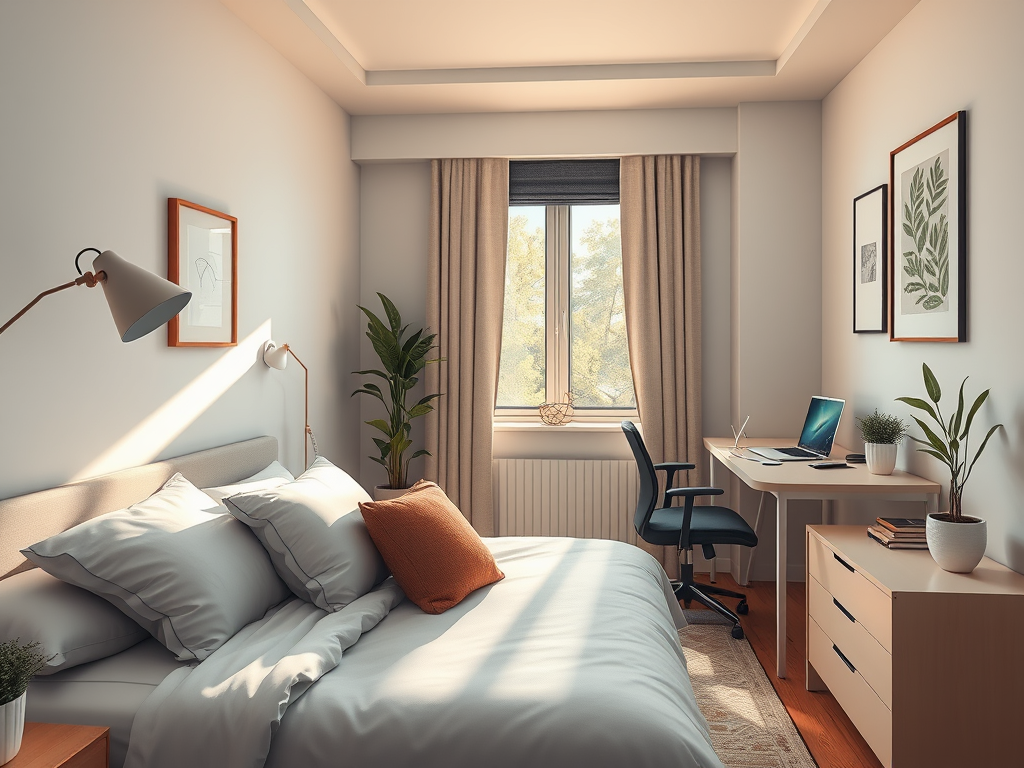
Turning your bedroom into a dual-functioning space is not about sacrificing comfort—it is about designing a room that supports your lifestyle.
With the right layout, smart furniture choices, and thoughtful organization, your bedroom can become a productive office during the day and a peaceful retreat at night.
Your home should work for you, not the other way around.
And sometimes, all it takes is a little creativity to turn one room into the perfect place to both work hard and rest well.
 Discoveringlifellc
Leave a comment