
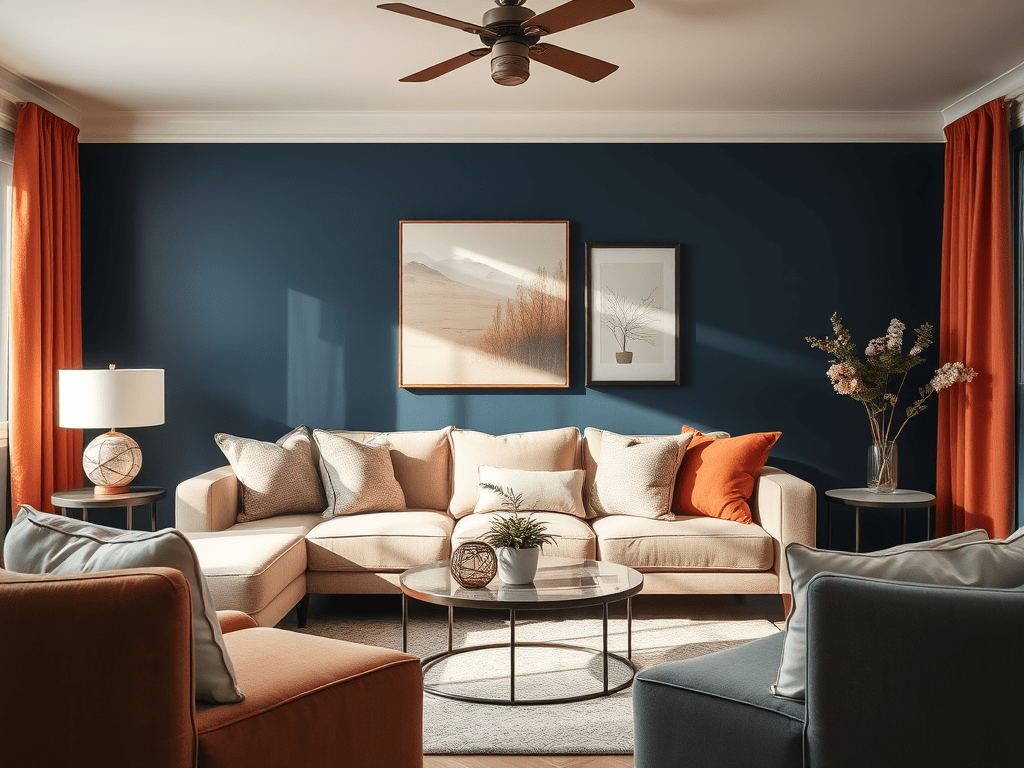
Painting an accent wall is one of the easiest and most affordable ways to transform a room. A single wall painted in a different color can add personality, depth, and visual interest without the time or expense of repainting the entire room.
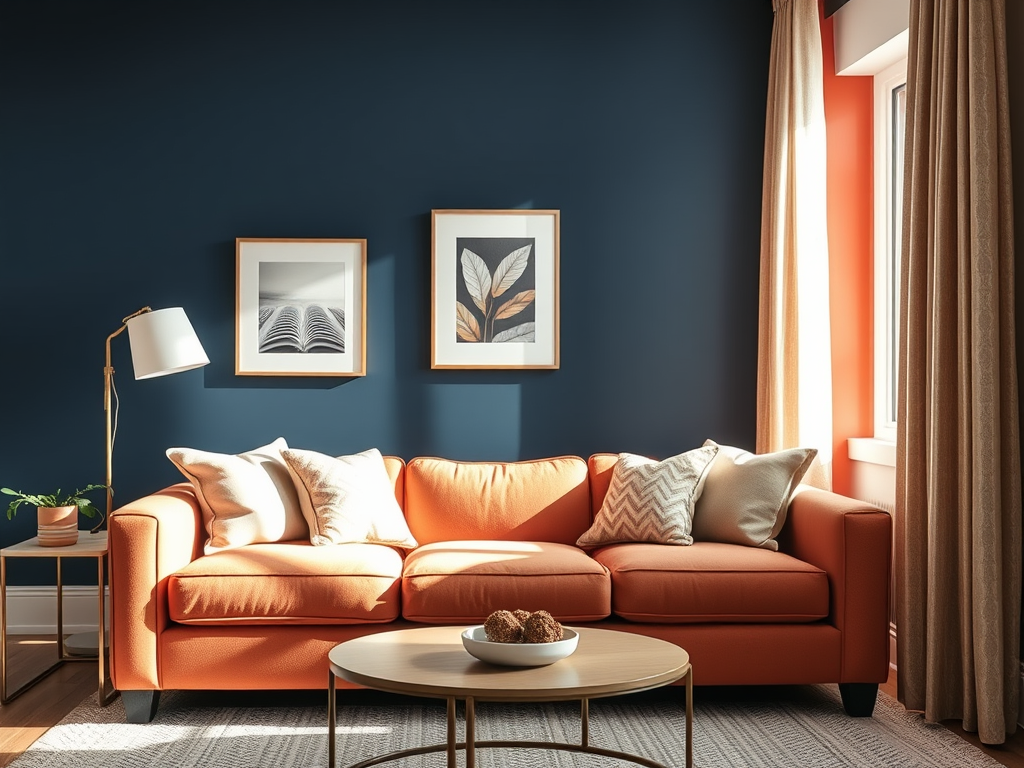
Whether you want to make a bold statement or subtly elevate your space, an accent wall can completely change the mood and design of a room. But one of the biggest questions people have is: How do you choose the right color? Should you pick something that matches your personal style, or should you choose something neutral that works with everything?
The answer is a little bit of both.
What Is an Accent Wall?
An accent wall is simply one wall in a room that is painted a different color or design than the other walls. The purpose is to create a focal point and draw attention to a specific part of the room.
Accent walls are often placed:
- Behind the bed in a bedroom
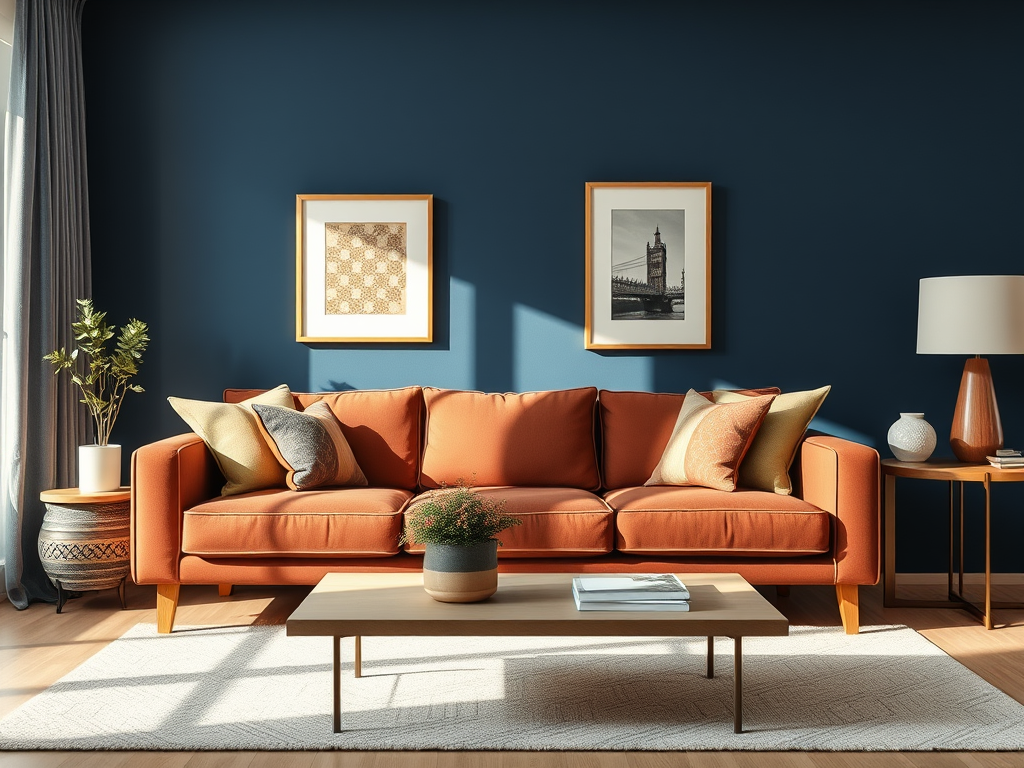
- Behind the couch in a living room
- Around a fireplace
- Behind a TV or entertainment center
When done correctly, an accent wall creates balance and interest instead of overwhelming the space. The key is choosing a color that complements the rest of your decor instead of competing with it. (hornerpainting.com)
Why People Love Accent Walls
There are several reasons why accent walls have become so popular in home decor.
1. They instantly change the look of a room
One wall of color can make a room feel brand new.
2. They are affordable
Instead of buying new furniture or redecorating the entire room, a gallon of paint can create a big impact.
3. They add personality
Accent walls allow homeowners to express their style without committing to painting the entire room in a bold color.
4. They create a focal point
An accent wall naturally draws attention to key features like artwork, furniture, or architectural details.
Sometimes the simplest changes make the biggest difference.
How to Pick the Right Color for Your Accent Wall
Choosing the right color can feel overwhelming because there are so many options. However, there are a few simple guidelines that can help you narrow down your choices.
1. Start With Your Existing Decor
One of the easiest ways to choose an accent wall color is to pull a color from items already in the room.
Look at things like:
- Throw pillows
- Rugs
- Artwork
- Bedding
- Curtains
- Furniture
Choosing a color that already appears in your decor helps the room feel cohesive and intentional.
For example:
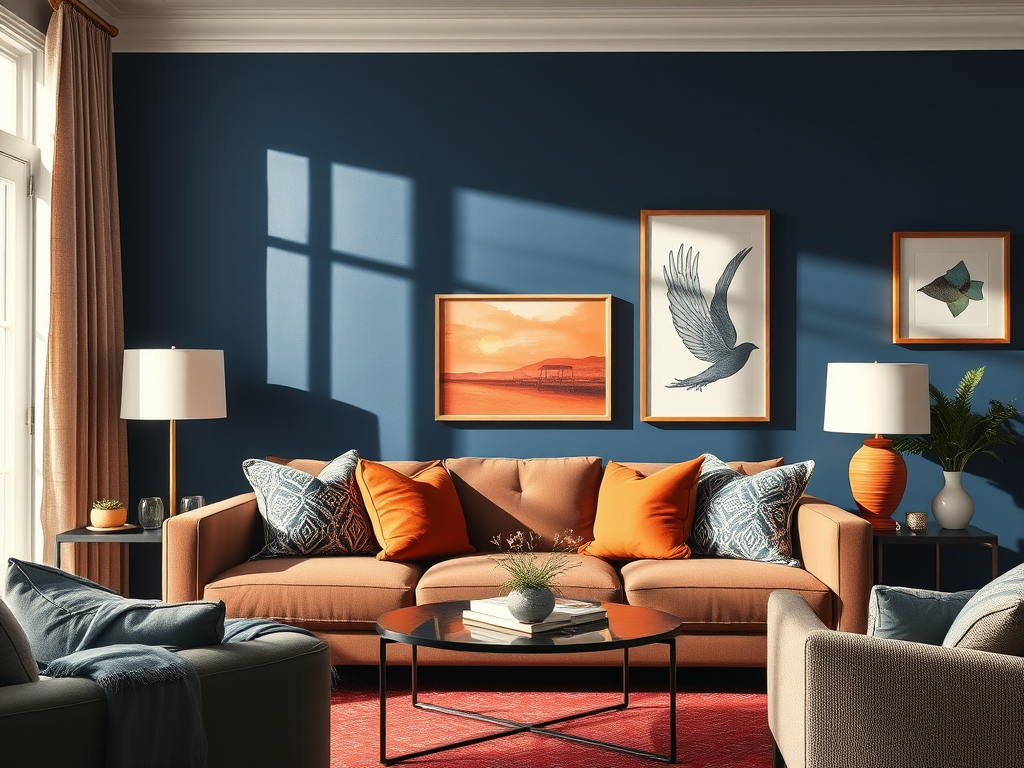
- If your room has blue pillows and artwork, a navy or deep blue accent wall can tie everything together.
- If your space has warm earth tones, a terracotta or deep beige accent wall might work perfectly.
2. Follow the 60–30–10 Design Rule
Interior designers often follow the 60–30–10 rule when creating color schemes.
This rule suggests dividing the room’s colors into three sections:
- 60% dominant color (usually your main wall color)
- 30% secondary color (furniture or large decor)
- 10% accent color (the accent wall or small decor pieces) (Wagner SprayTech)
The accent wall usually represents the 10% pop of color that makes the room interesting.
3. Choose a Color a Few Shades Darker
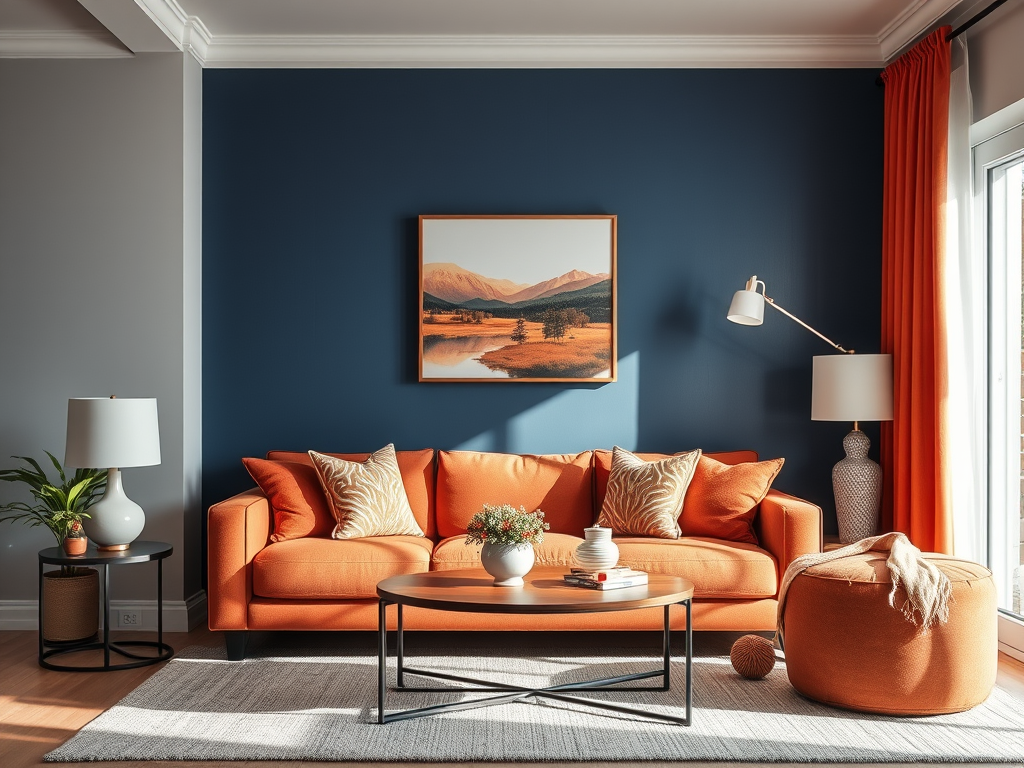
A common design tip is to make the accent wall two or three shades darker than the other walls. (freshstartpaintinginc.com)
This creates contrast without making the room feel chaotic.
For example:
| Main Wall Color | Accent Wall Option |
|---|---|
| Light gray | Charcoal gray |
| Soft beige | Chocolate brown |
| Pale blue | Navy blue |
| Light sage | Forest green |
This approach keeps the room balanced while still adding depth.
4. Consider the Mood You Want to Create
Colors influence how a room feels. Before choosing a color, think about the atmosphere you want in the space.
Some common color moods include:
- Blue and green: calm and relaxing
- Yellow: energetic and cheerful
- Gray: modern and sophisticated
- Beige and warm neutrals: cozy and inviting (Livettes Wallpaper)
For example, a bedroom accent wall might work best in a calming color, while a dining room accent wall might benefit from something bold or dramatic.
Should You Choose a Bold Color or a Neutral Color?
This is one of the biggest design debates.
Bold Accent Walls
Bold colors like navy, emerald, or burnt orange create drama and personality. These colors work best when you want the wall to become a statement piece. (Avileve)
Bold colors are great for:
- Living rooms
- Dining rooms
- Offices
- Entertainment areas
Neutral Accent Walls
Neutral accent walls create a softer, more timeless look.
Examples include:
- Warm beige
- Soft gray
- Taupe
- Cream
Neutral accents work especially well if you frequently change your decor or want flexibility when redecorating.
A Helpful Tip: Test Your Colors First
Before committing to a color, it’s always smart to test a few paint samples on the wall.
Paint large sample squares and observe them throughout the day. Natural and artificial lighting can change how a color appears in a room. (Wagner SprayTech)
Sometimes the color you love on a paint chip looks completely different on the wall.
Final Thoughts
Painting an accent wall is one of the simplest ways to refresh your home without spending a fortune. The right color can add depth, personality, and style while highlighting the best parts of your space.
When choosing a color, remember that there is no single “right” answer. Some people prefer bold, dramatic colors that make a statement, while others choose neutral tones that blend effortlessly with changing decor.
The most important thing is that your accent wall reflects your personal style and the atmosphere you want in your home. After all, your home should be a space that feels comfortable, inspiring, and uniquely yours.
 Discoveringlifellc
Leave a comment