
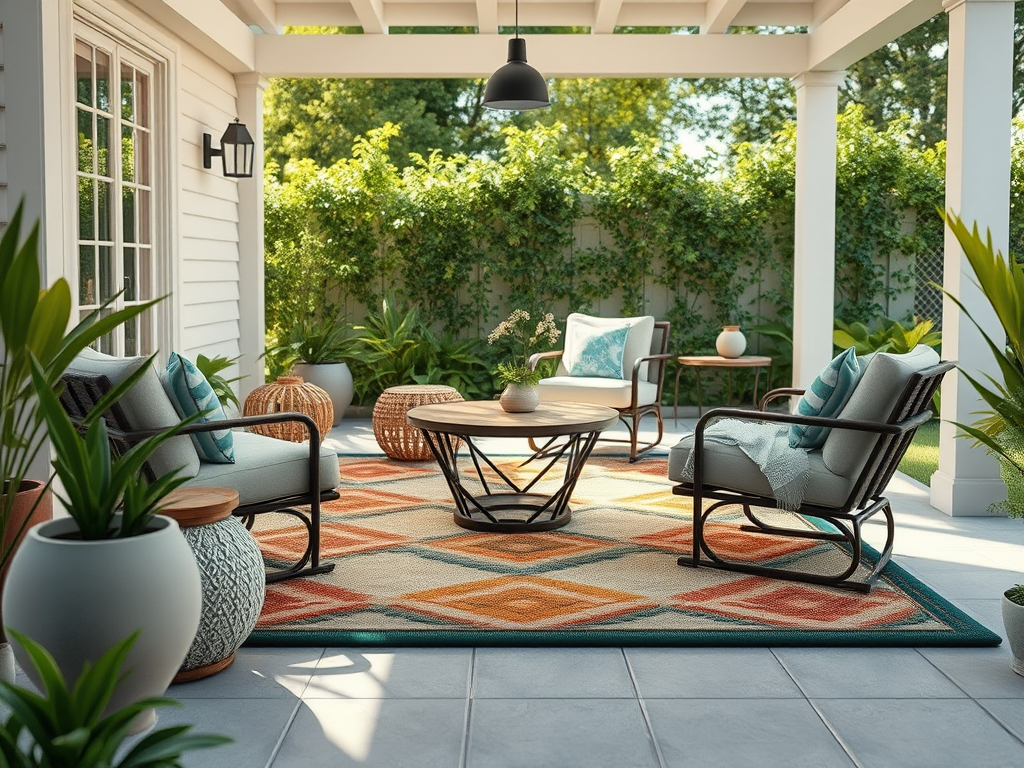
When people think about decorating their homes, most of the focus is placed on the inside. But outdoor spaces — patios, balconies, porches, and decks — are extensions of your home. One of the easiest ways to make these areas feel warm, inviting, and stylish is by adding an outdoor rug.
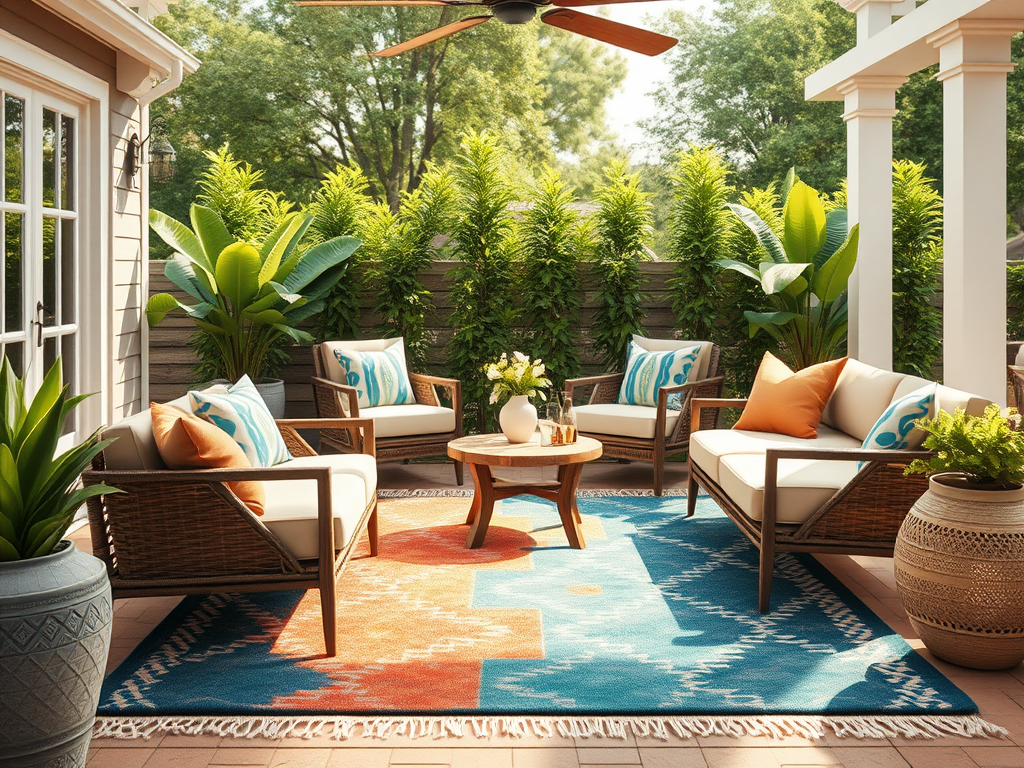
Outdoor rugs do more than just add color and texture. They define seating areas, protect your flooring, and make outdoor living feel just as comfortable as being inside your home. But with so many styles, materials, and sizes available, how do you determine which rug is right for your outdoor space?
Let’s explore how outdoor rugs became popular, the different types available, and how you can choose the best one for your home.
A Short History of Outdoor Rugs
Rugs themselves have a long and fascinating history that dates back thousands of years. The earliest known rugs were woven by nomadic tribes in Central Asia around 5th century BCE. These rugs were made primarily for warmth, insulation, and comfort inside tents and homes.
For centuries, rugs remained an indoor luxury. Materials like wool and silk were beautiful but not suited for exposure to moisture, sun, and dirt.
Outdoor rugs as we know them today didn’t become widely available until the late 20th century, when advances in synthetic fibers made it possible to create rugs that could withstand outdoor elements.
In the 1980s and 1990s, manufacturers began experimenting with materials like:
- Polypropylene
- Polyester
- Recycled plastics
These materials were durable, mold-resistant, and easy to clean. Suddenly, homeowners could decorate patios and decks the same way they decorated living rooms.
Today, outdoor rugs are considered a staple in outdoor design. From cozy farmhouse patios to modern rooftop terraces, outdoor rugs help turn simple outdoor spaces into fully designed living areas.
Why Outdoor Rugs Are Used
Outdoor rugs serve several practical and decorative purposes.
Defining Outdoor Spaces
Outdoor furniture can sometimes look scattered across a patio or deck. A rug anchors the furniture and visually creates a “room” outdoors.
For example:
- A rug under a dining table defines an outdoor dining area
- A rug under lounge chairs creates a relaxation zone
Protecting Surfaces
Outdoor rugs protect decks, patios, and flooring from scratches caused by furniture legs and heavy foot traffic.
Adding Comfort
Walking barefoot on wood, stone, or concrete can feel harsh. Outdoor rugs provide a softer surface that makes outdoor areas feel more comfortable and welcoming.
Improving Style
A rug instantly adds:
- Color
- Texture
- Pattern
- Personality
Sometimes a rug is the finishing piece that pulls the entire outdoor design together.
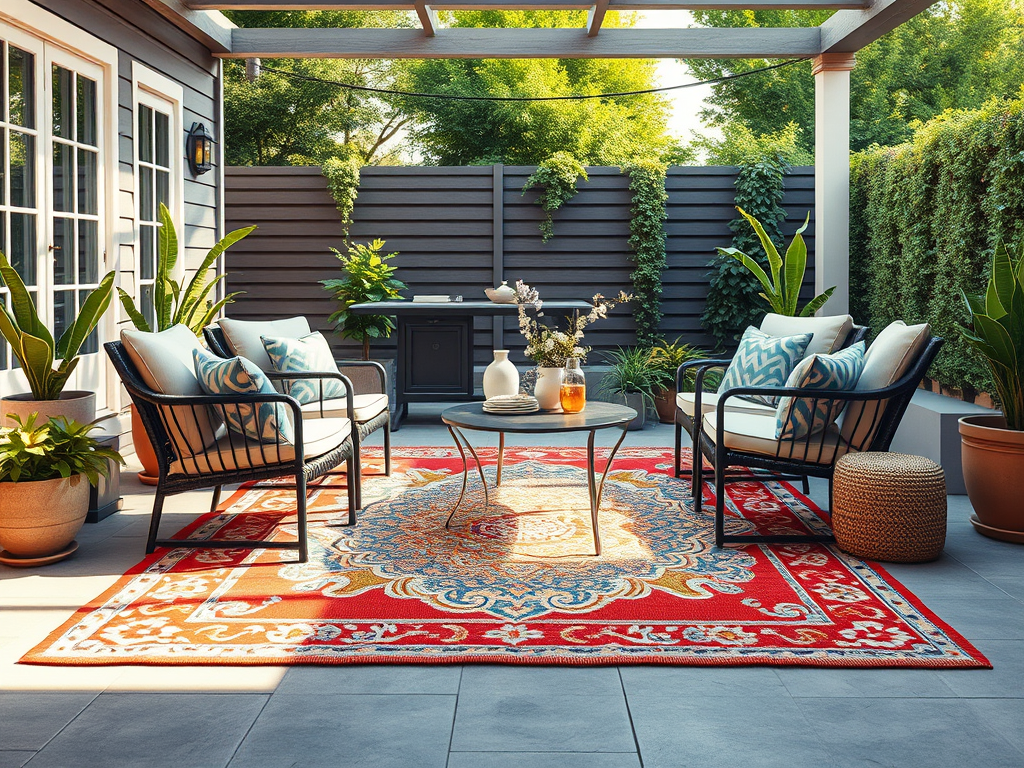
Types of Outdoor Rugs
Not all outdoor rugs are the same. Different materials and construction styles serve different purposes depending on the climate and how the space is used.
Polypropylene Rugs
Polypropylene is the most common material used in outdoor rugs.
Why they are used outdoors:
- Highly resistant to moisture
- Mold and mildew resistant
- Durable against sun exposure
- Easy to clean
These rugs are ideal for patios, decks, pool areas, and high-traffic outdoor spaces.
Recycled Plastic Rugs
Recycled plastic rugs have become extremely popular in recent years, especially for eco-conscious homeowners.
Why they are used outdoors:
- Made from recycled materials
- Water resistant
- Lightweight and reversible
- Easy to rinse off with a hose
They are perfect for balconies, camping areas, and casual outdoor seating spaces.
Polyester Outdoor Rugs
Polyester rugs offer vibrant colors and soft textures while still being durable enough for outdoor conditions.
Why they are used outdoors:
- Fade-resistant dyes
- Soft feel underfoot
- Good durability in covered outdoor spaces
They work well on screened porches or covered patios where they are protected from heavy rain.
Natural Fiber Outdoor Rugs
Some outdoor rugs are made from natural fibers such as:
- Jute
- Bamboo
- Sisal
Why they are used outdoors:
- Natural, organic appearance
- Textured and earthy design
However, these rugs work best in covered outdoor spaces because natural fibers can absorb moisture.
Indoor/Outdoor Rugs
These rugs are designed to function in both environments.
Why they are used outdoors:
- Highly durable
- Stain resistant
- Versatile styling options
Many homeowners use these rugs in sunrooms, screened porches, and transitional spaces between indoors and outdoors.
How to Determine the Best Outdoor Rug for Your Space
Choosing the right rug depends on several factors.
Consider Your Climate
If you live in a rainy or humid area, look for rugs made from polypropylene or plastic materials that resist mold and mildew.
For dry climates, you have more flexibility and can experiment with softer materials.
Think About Sun Exposure
Direct sunlight can cause fading over time. Rugs labeled UV-resistant or fade-resistant will maintain their color longer.
Measure Your Space
Before buying a rug, measure the area where it will sit.
Common placement guidelines include:
- Outdoor seating areas: front legs of furniture should sit on the rug
- Dining areas: rug should extend 24–30 inches beyond the table
This prevents chairs from sliding off the rug when pulled out.
Choose a Pattern That Works With Your Decor
Outdoor rugs come in endless styles:
- Modern geometric patterns
- Classic stripes
- Boho textures
- Neutral woven looks
If your furniture is simple, a patterned rug can add personality. If your furniture is bold, a neutral rug can balance the space.
Simple Care Tips for Outdoor Rugs
Outdoor rugs are designed to be durable, but proper care will help them last longer.
Easy maintenance includes:
- Shaking out debris regularly
- Rinsing with a hose when dirty
- Allowing the rug to fully dry after rain
- Rolling it up during harsh winter weather
These simple habits keep your rug looking fresh season after season.
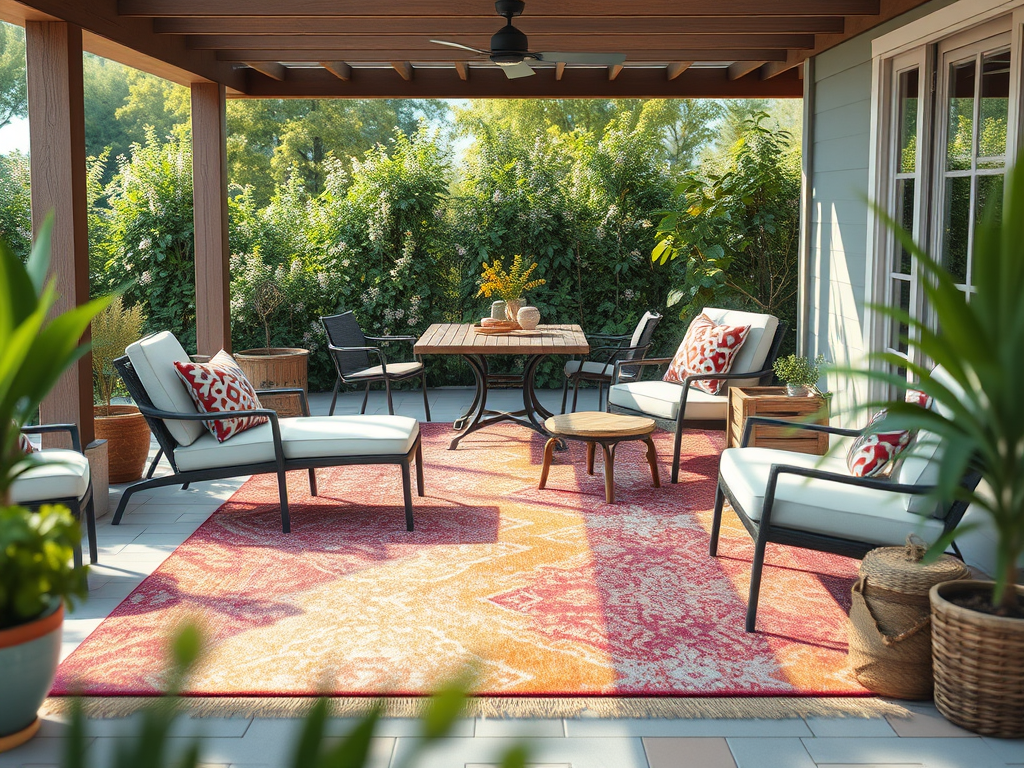
Turning Your Outdoor Space Into an Outdoor Living Room
Outdoor rugs have changed the way people design their outdoor spaces. What was once just a patio with a few chairs can now become a stylish outdoor living room.
A well-chosen rug adds warmth, structure, and comfort — making the space feel intentional and inviting.
Whether you’re designing a quiet reading corner on your porch or creating the perfect backyard gathering space, the right outdoor rug can tie everything together beautifully.
Because sometimes, the smallest design choice can make the biggest difference in how a space feels.
 Discoveringlifellc
Leave a comment