
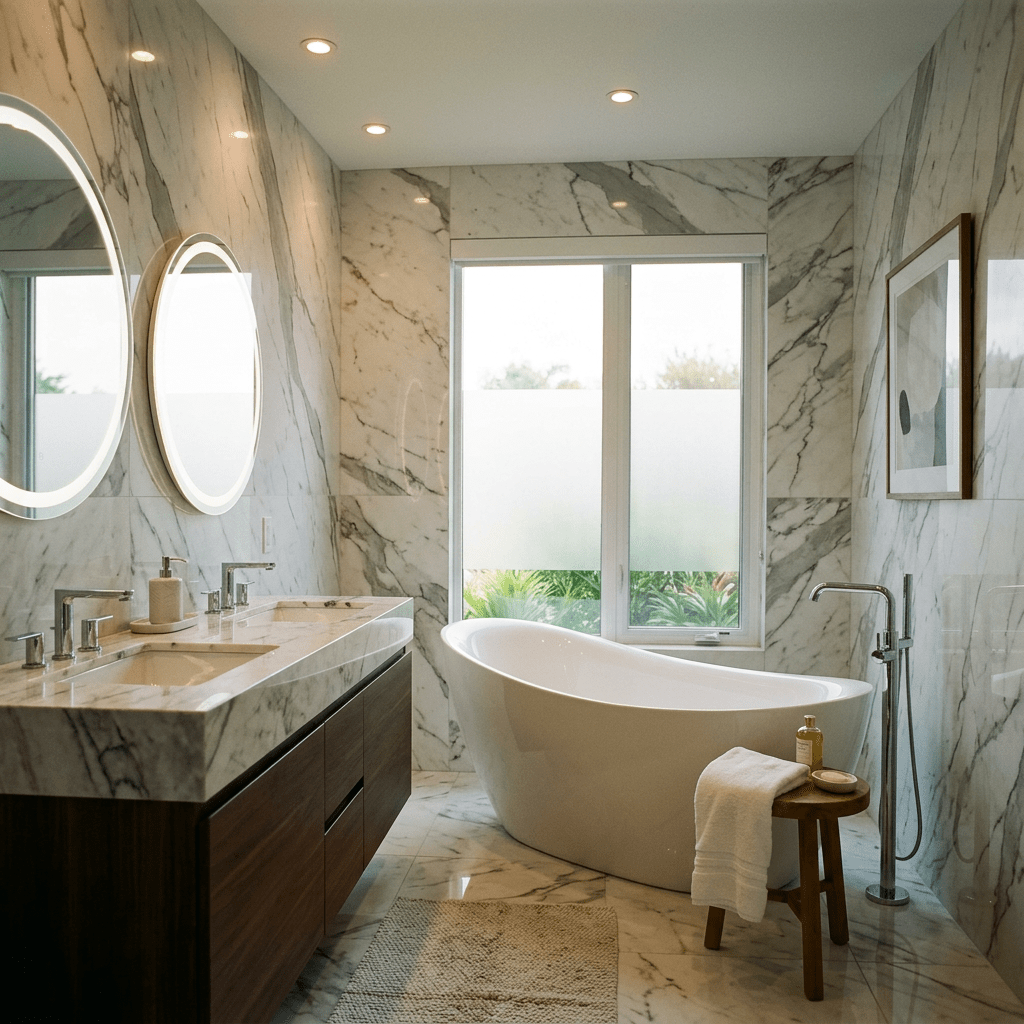
Bathrooms may be one of the smallest rooms in the home, but they often require some of the biggest design decisions. One of the most important choices you can make during a bathroom renovation or refresh is selecting the right tile. Tile is more than just decoration. It affects the overall look of your bathroom, how easy it is to maintain, how safe it feels, and how long your investment will last.
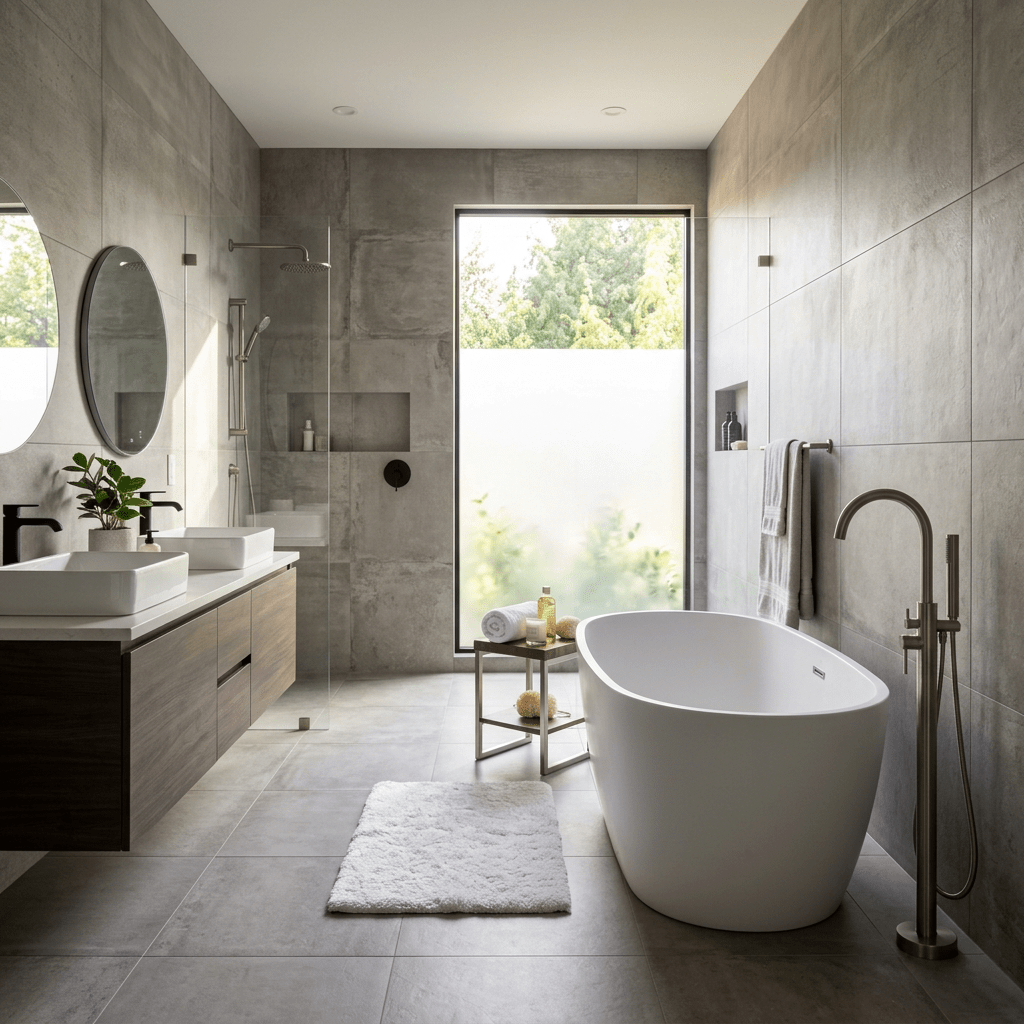
For people who truly love tile, choosing one style can feel overwhelming. There are endless colors, patterns, finishes, materials, and trends available today. A tile may look beautiful online or in a showroom, but that does not always mean it will function well in your everyday life. The perfect bathroom tile should combine style, practicality, durability, and comfort.
Choosing the right tile is important because bathrooms deal with constant moisture, temperature changes, foot traffic, cleaning products, and everyday wear. A poor tile choice can lead to slippery floors, difficult maintenance, discoloration, or costly replacements later. The right tile, however, can completely transform your bathroom into a timeless and functional retreat.
Why Do People Choose Tile for Bathrooms?
Tile has remained one of the most popular bathroom materials for decades, and for good reason. Bathrooms are high-moisture spaces, and tile naturally works well in wet environments when installed correctly.
People choose tile because it offers:
- Water resistance
- Durability
- Easy cleaning
- Endless design possibilities
- Increased home value
- Long-term performance
- Luxury appearance
- Heat compatibility with heated floors
Unlike some materials that can warp, stain, or absorb moisture, many bathroom tiles are specifically designed to withstand humidity and water exposure. Tile also gives homeowners the ability to personalize their space. Whether someone loves modern spa-inspired bathrooms, cozy farmhouse spaces, dramatic moody interiors, or timeless luxury, there is a tile style that fits every aesthetic.
Another reason tile is so popular is because it creates visual texture and dimension. Bathrooms often rely heavily on surfaces since furniture is limited. Tile becomes one of the biggest design features in the room.
Why Choosing the Right Tile Matters
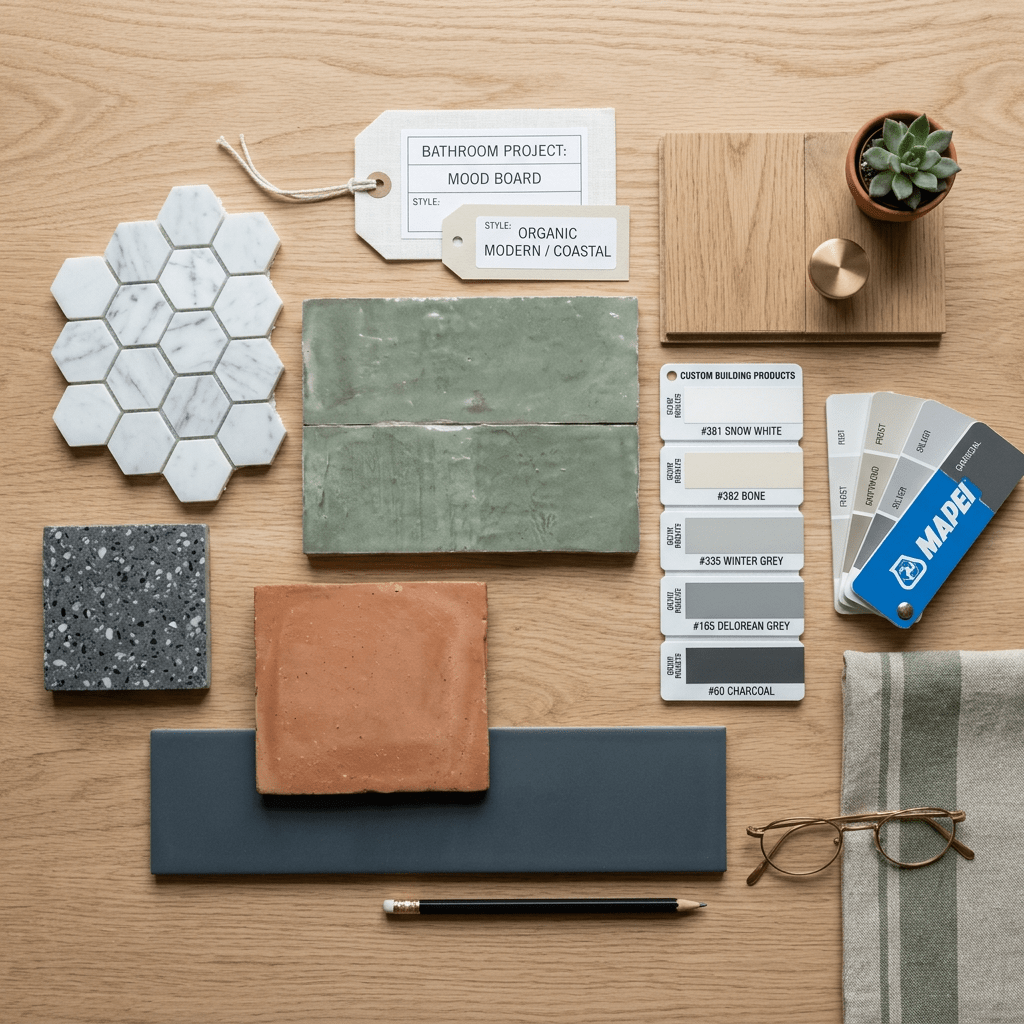
Choosing bathroom tile is not something most homeowners want to redo every few years. Tile installation can be expensive and time-consuming, making it a long-term design commitment.
The wrong tile can create several issues:
- Floors that become slippery when wet
- Tiles that chip or crack easily
- Grout that constantly stains
- Overly trendy designs that feel outdated quickly
- High-maintenance surfaces
- Poor moisture resistance
- Difficult cleaning routines
The right tile can improve:
- Bathroom safety
- Daily functionality
- Cleaning efficiency
- Home resale value
- Visual flow
- Comfort and relaxation
Your bathroom should feel beautiful, but it should also support your lifestyle. A family bathroom may need highly durable and slip-resistant tile, while a guest bathroom may allow for more decorative or delicate design choices.
What Should You Look for When Choosing Bathroom Tile?
1. Durability
Durability should always be one of the first things you consider. Bathrooms experience constant use, moisture, and temperature fluctuations.
Some tiles are stronger than others, especially for flooring.
Durable Tile Options Include:
- Porcelain tile
- Ceramic tile
- Natural stone
- Quarry tile
Porcelain is often considered one of the best bathroom tile materials because it is dense, durable, and highly water resistant. It works beautifully for both floors and walls.
Ceramic tile is another popular choice because it is affordable and available in endless styles. While slightly less dense than porcelain, it still performs well in many bathrooms.
Natural stone creates a luxurious appearance but often requires more maintenance and sealing.
When shopping, pay attention to the tile rating and intended use. Some tiles are designed only for walls and may crack if used on floors.
2. Water Resistance
Bathrooms are constantly exposed to moisture, so choosing water-resistant tile is essential.
Porcelain tile has one of the lowest water absorption rates, making it ideal for showers and floors. Glass tile is another moisture-friendly option commonly used for backsplashes and accent walls.
If you choose natural stone, remember that many stone materials require regular sealing to protect against water damage and staining.
Water resistance matters because moisture issues can lead to:
- Mold growth
- Tile damage
- Grout deterioration
- Structural problems behind walls
A beautiful bathroom should also be a protected bathroom.
3. Slip Resistance
One of the most overlooked bathroom tile features is safety. Smooth glossy tiles may look elegant, but they can become extremely slippery when wet.
This is especially important for:
- Family bathrooms
- Children’s bathrooms
- Aging homeowners
- Walk-in showers
Look for tiles with textured finishes or slip-resistant ratings for flooring. Matte finishes are often safer than highly polished surfaces.
Smaller tiles with more grout lines can also improve traction because the grout creates additional grip underfoot.
4. Maintenance Requirements
Some homeowners love high-maintenance luxury materials, while others prefer low-maintenance simplicity.
Before choosing tile, ask yourself:
- How often am I willing to clean this?
- Will water spots bother me?
- Do I want to seal natural stone regularly?
- How much grout maintenance am I comfortable with?
Large-format tiles are popular because they reduce grout lines and create easier cleaning routines. Dark grout is also becoming increasingly popular because it hides stains better than bright white grout.
If low maintenance is your goal, porcelain tile is often one of the easiest materials to maintain long-term.
5. Tile Size
Tile size dramatically affects how a bathroom feels.
Large Tiles
Large-format tiles can:
- Make small bathrooms appear larger
- Create a clean modern look
- Reduce grout lines
- Feel more luxurious
Small Tiles
Smaller tiles can:
- Add texture and detail
- Improve slip resistance
- Create vintage or artistic designs
- Work beautifully in shower floors and niches
The size you choose should match both the bathroom scale and your design goals.
Popular Bathroom Tile Styles
Marble-Look Tile
Luxury-inspired and timeless. Marble-look porcelain tile gives the appearance of natural marble without the high maintenance.
Subway Tile
Classic, versatile, and clean. Subway tile remains one of the most popular bathroom wall choices.
Textured Tile
Adds warmth, depth, and visual interest. Textured tile is growing in popularity in spa-inspired bathrooms.
Wood-Look Tile
Perfect for homeowners who love the warmth of wood but need bathroom durability.
Mosaic Tile
Often used for shower floors, accents, or decorative walls. Mosaic tile creates detail and personality.
Neutral Earth-Tone Tile
Warm beiges, taupes, creams, and soft grays continue to dominate bathroom trends because they create calming environments.
Should You Follow Tile Trends?
Trends can be inspiring, but bathroom tile should balance style with longevity. Because tile installation is a major investment, many homeowners choose timeless foundations and incorporate trends through accessories and decor.
A smart approach is:
- Choose classic flooring
- Add personality through accent walls
- Use trendy colors in smaller doses
- Focus on what genuinely fits your lifestyle
The best bathroom is not always the trendiest one. It is the one that still feels beautiful and functional years later.
Tips for Choosing the Perfect Bathroom Tile
Bring Samples Home
Lighting changes everything. A tile that looks warm in a showroom may appear cool in your bathroom.
Consider Your Entire Bathroom
Think about:
- Vanity color
- Fixtures
- Paint color
- Lighting
- Countertops
- Overall style
Your tile should complement the entire space rather than compete with it.
Think Long-Term
Ask yourself:
- Will I still love this in five years?
- Is this practical for daily life?
- Can I maintain this comfortably?
Mix Function and Style
The best bathrooms combine:
- Beauty
- Comfort
- Safety
- Durability
- Easy maintenance
Final Thoughts
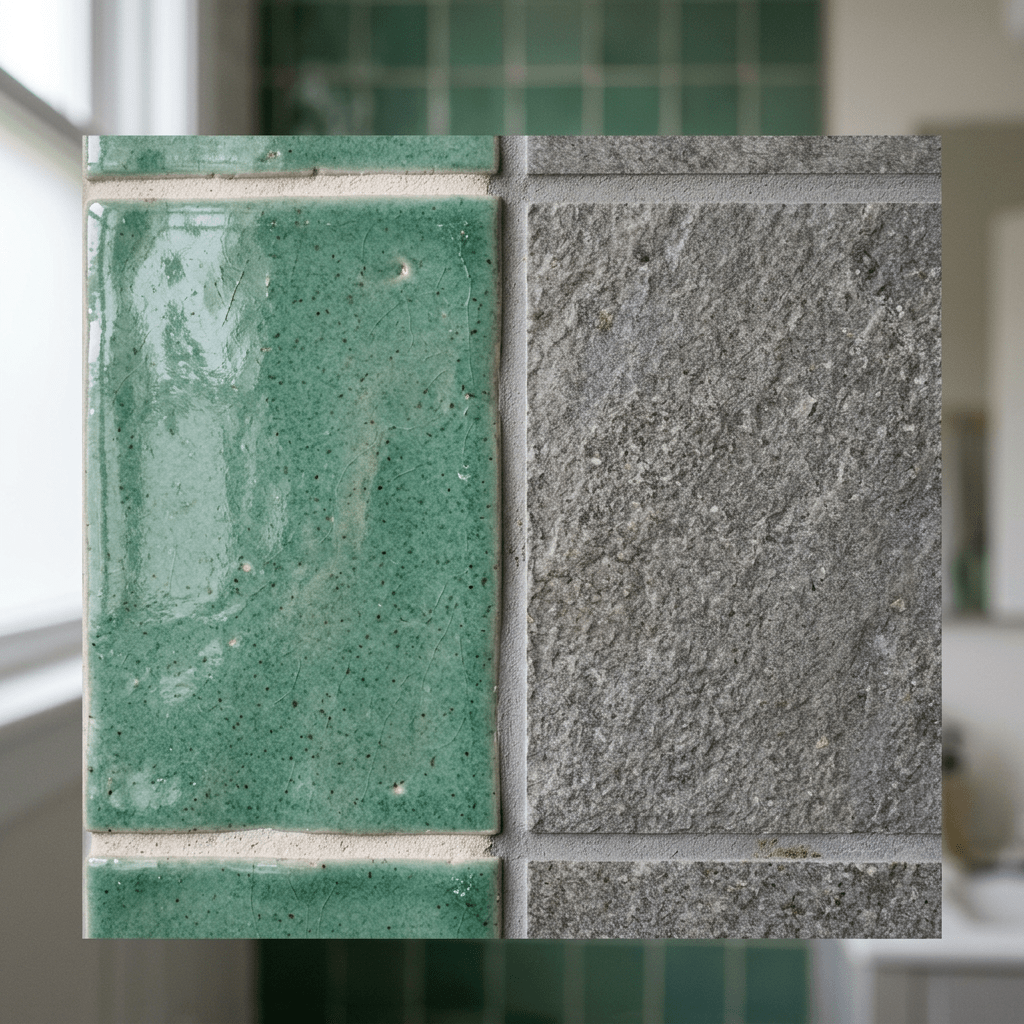
Choosing the right bathroom tile is about much more than finding a pretty design. Tile affects the way your bathroom functions every single day. The right choice can make your space safer, easier to maintain, more relaxing, and visually timeless.
People choose tile because it offers the perfect combination of practicality and beauty. It protects the bathroom from moisture while giving homeowners endless opportunities to express their style.
Whether you love dramatic marble looks, calming neutral textures, classic subway tile, or modern oversized porcelain slabs, the best bathroom tile is the one that fits both your aesthetic and your lifestyle.
A beautiful bathroom should not only impress guests — it should support your everyday life, simplify your routine, and make your home feel even more like your personal sanctuary.
 Discoveringlifellc
Leave a comment