

Have you ever spent hours choosing the perfect throw pillows, rearranging furniture, or selecting the perfect paint color, only to have your child walk into the room and proudly display a handmade drawing on your freshly styled wall? While it might not have been part of your original design plan, moments like these are a reminder that a house is more than a beautifully decorated space—it’s a home filled with the people you love.
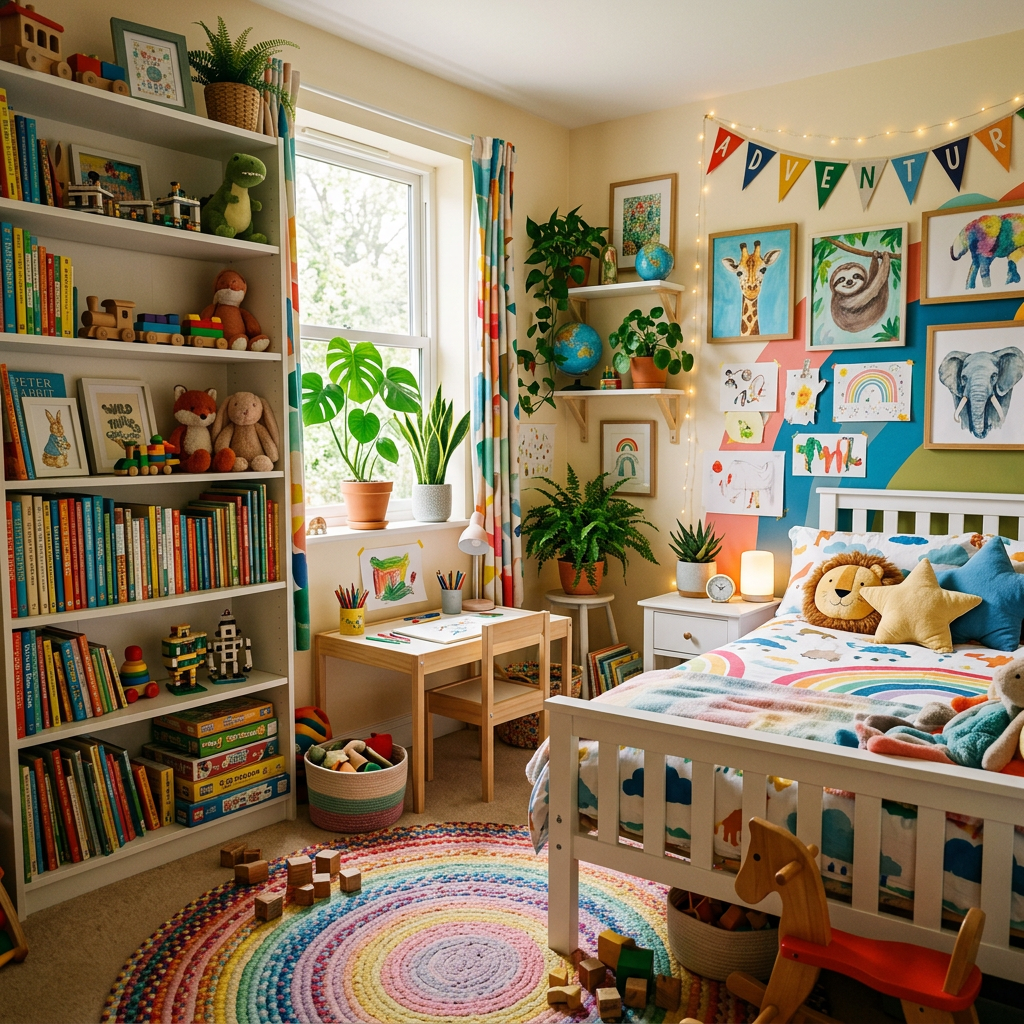
If home decor is one of your passions, why not share that passion with your children? Involving kids in decorating not only helps them feel connected to their home but also encourages creativity, confidence, and self-expression. The good news is that bringing children into the design process doesn’t mean sacrificing style. With a little planning, your home can be both beautiful and family-friendly.
Why Involve Children in Home Design?
Children spend a significant amount of time at home, so it makes sense that they should feel invested in their surroundings. When kids participate in decorating decisions, they develop a sense of ownership and pride in their space.
Benefits include:
- Encouraging creativity and imagination
- Teaching decision-making skills
- Helping children develop personal style
- Creating meaningful family memories
- Making children feel valued and included
Best of all, decorating together can become a fun family activity rather than another item on your to-do list.
Start Small with Choices
You don’t have to hand over complete control of your living room makeover to a five-year-old. Instead, offer simple choices that allow children to participate without overwhelming them.
Try asking:
- Which of these two throw blankets do you like best?
- Which picture frame should we use?
- Which color basket looks better in the playroom?
- Which lamp works best for your bedroom?
Giving children limited options allows them to feel involved while ensuring the final result still fits your overall design vision.
Let Their Bedrooms Reflect Their Personality
A child’s bedroom is often the perfect place for them to express their creativity.
Rather than designing the entire room yourself, ask questions about what they enjoy:
- Favorite colors
- Favorite animals
- Hobbies and interests
- Dream vacation destinations
- Favorite books or movies
You may be surprised by the thoughtful ideas they bring to the table.
The goal isn’t necessarily to create a themed room straight from a cartoon catalog. Instead, incorporate subtle elements that reflect their interests while maintaining a design that can grow with them.
For example:
- A child who loves space might enjoy constellation artwork.
- An animal lover might appreciate nature-inspired bedding.
- A future artist may love a gallery wall for displaying their creations.
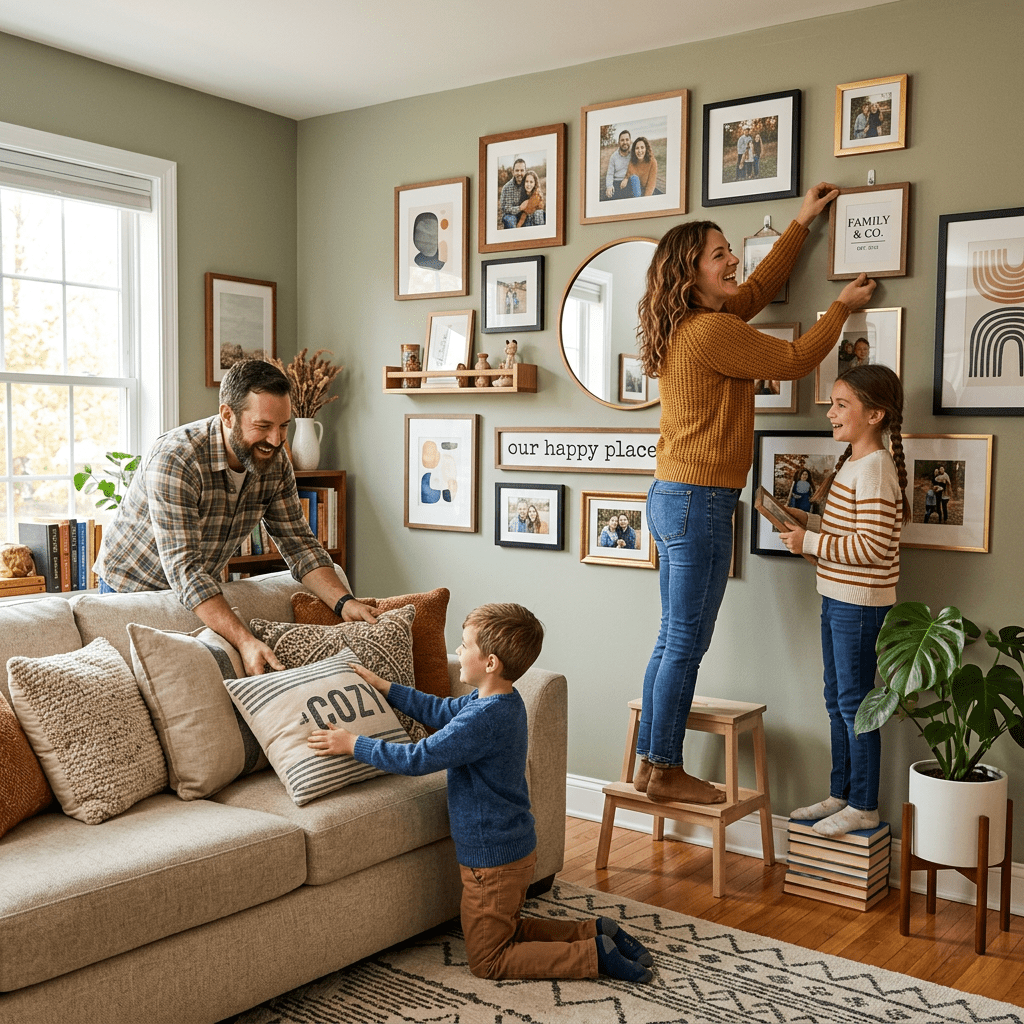
Create a Family Gallery Wall
One of the easiest ways to blend your decor style with your child’s creativity is by creating a family gallery wall.
Frame:
- Children’s artwork
- Family photos
- Vacation memories
- School projects
- Inspirational quotes
Using matching frames creates a cohesive and polished appearance while still celebrating your child’s accomplishments.
This simple design feature transforms personal memories into meaningful home decor.
Give Kids Their Own Decorating Projects
Children love feeling responsible for something.
Assign them a small decorating project such as:
- Styling a bookshelf
- Decorating a reading corner
- Organizing toy storage
- Choosing plants for their room
- Creating seasonal decorations
These mini-projects help children learn basic design principles while giving them a sense of accomplishment. You might even discover that your child has a surprisingly good eye for design.
Teach the Basics of Color and Style
Decorating can become an educational experience.
Explain concepts such as:
- Color coordination
- Texture
- Patterns
- Balance
- Functionality
For younger children, turn it into a game.
Ask questions like:
- Which colors work well together?
- Which room feels cozy?
- Which pillow makes the couch more comfortable?
- Why do you think this room feels calm?
These conversations help children develop an appreciation for design while strengthening critical thinking skills.
Decorate for the Seasons Together
Seasonal decorating is one of the easiest ways to involve children.
Kids often love helping with:
Spring
- Flower arrangements
- Colorful wreaths
- Garden-themed decor
Summer
- Patriotic displays
- Beach-inspired accents
- Outdoor decorating projects
Fall
- Pumpkins
- Autumn centerpieces
- Leaf garlands
Winter
- Holiday decorating
- Mantel displays
- Christmas tree ornaments
Seasonal decorating traditions often become some of the most cherished family memories.
Make Room for Their Creations
Let’s be honest—children create a lot of artwork.
Instead of hiding it away in drawers, incorporate some of it into your decor.
Consider:
- Rotating art displays
- Cork boards with decorative frames
- Wire art displays
- Magnetic gallery walls
- Shadow boxes for special projects
Displaying their work shows children that their creativity matters and adds a personal touch that no store-bought decor can replicate.
Don’t Worry About Perfection
One of the biggest lessons children can teach us is that perfection isn’t everything. A perfectly styled room may look beautiful in a magazine, but a home filled with love, laughter, and personality is far more meaningful.
Your carefully arranged pillows might occasionally be turned into a fort. The coffee table styling may become a race track. The cozy blanket basket might become a hiding place. And that’s okay. The best homes are lived in.

Building More Than Beautiful Rooms
When you involve your children in decorating, you’re doing more than creating attractive spaces. You’re creating memories, teaching life skills, and building confidence.
Years from now, your children probably won’t remember which sofa you purchased or what color your walls were painted. What they may remember is helping choose decorations, hanging family photos, arranging holiday displays, and feeling like an important part of creating the place they called home.
Home decor isn’t just about beautiful rooms—it’s about creating a space where every member of the family feels loved, welcomed, and included.
So the next time you’re planning a room refresh, invite your little ones to join you. You may end up with more than great decor—you may create memories that last a lifetime.
Because the most beautiful homes aren’t the perfectly decorated ones. They’re the homes that tell your family’s story.

 Discoveringlifellc
Leave a comment