
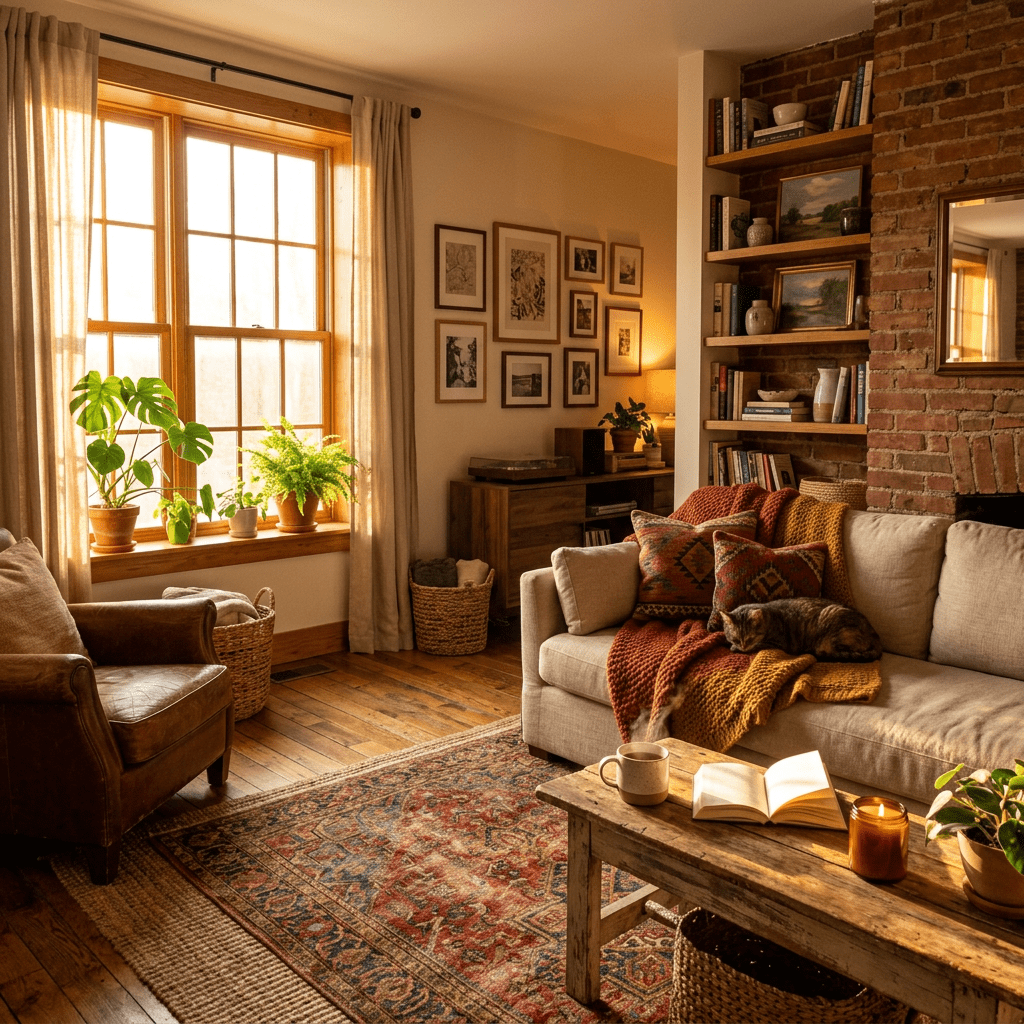
Have you ever walked into someone else’s home and immediately felt like you understood who they were? Maybe their home was warm and cozy, filled with books, family photos, and soft blankets. Or perhaps it was sleek, modern, and organized, reflecting a love of simplicity and structure.
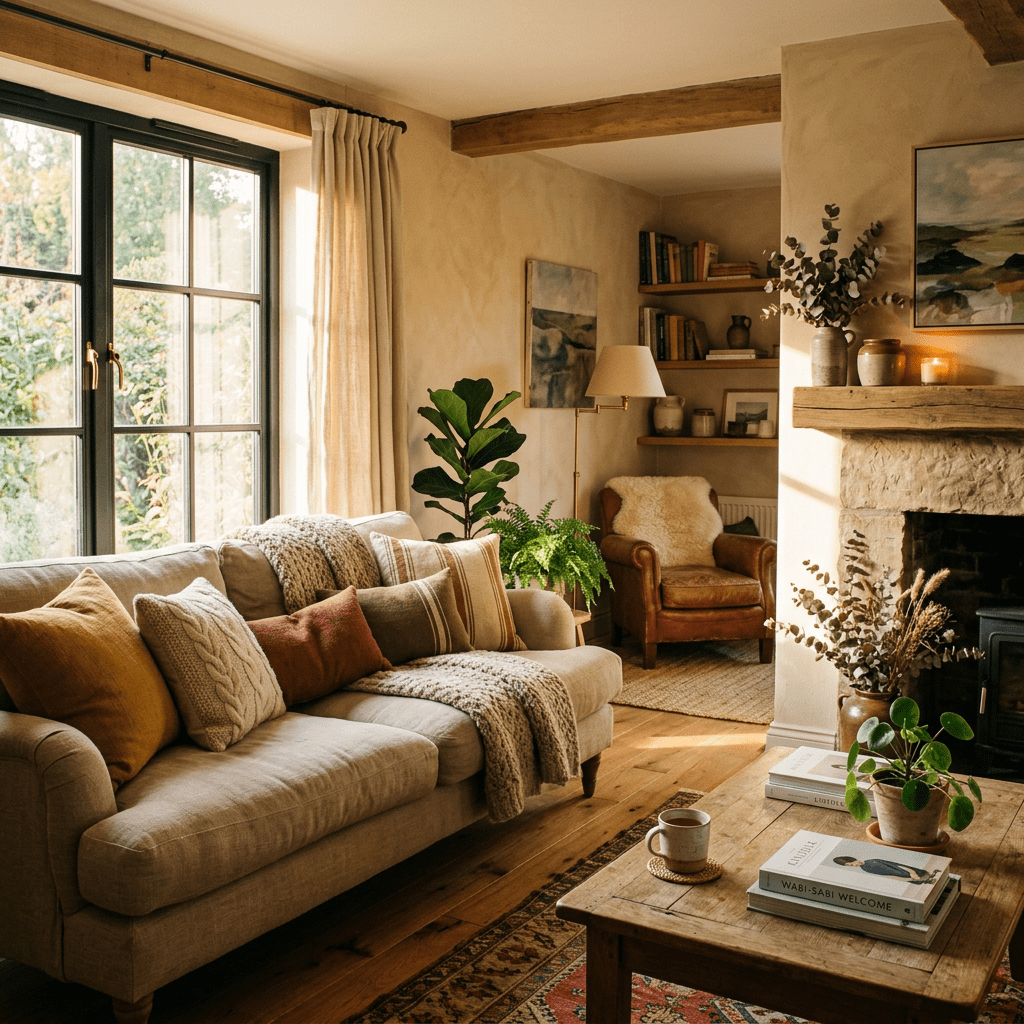
Now think about your own home. Does it tell your story?
If you’re staring at rooms that feel disconnected, cluttered, unfinished, or simply “not you,” the problem may not be your furniture, paint colors, or decor choices. The real issue might be that your home hasn’t discovered its identity yet.
Finding your home’s identity is one of the most powerful steps you can take toward creating a space that feels authentic, welcoming, and deeply personal.
What Is Home Identity?
Home identity is the personality, character, and purpose of your living space.
Just as people have unique personalities, homes have them too.
Your home’s identity is the combination of:
- Your lifestyle
- Your values
- Your design preferences
- Your daily routines
- Your memories
- Your dreams for the future
A home’s identity goes far beyond choosing a decorating style. It’s not simply deciding whether you like farmhouse, modern, traditional, or bohemian decor.
It’s answering a much bigger question:
“What story does my home tell about the people who live here?”
When your home’s identity is clear, every room feels connected. Furniture choices make sense. Decor decisions become easier. Most importantly, your home begins to feel like a true reflection of you.
Why So Many Homes Feel Like They Have No Identity
Many homeowners struggle because they decorate based on trends rather than purpose. They see beautiful rooms on Pinterest, Instagram, or home improvement shows and try to recreate them. The result? A little modern here. A little farmhouse there. Some industrial elements mixed with coastal decor.
A few trendy pieces that looked great online but don’t fit their lifestyle. Eventually, the home feels confusing rather than comforting. Without a clear identity, decorating becomes expensive guesswork. With a clear identity, every choice supports a bigger vision.
How to Discover Your Home’s Identity
Step 1: Look at How You Actually Live
Forget design magazines for a moment.
Ask yourself:
- How do I spend most of my time at home?
- What activities bring me joy?
- Do I entertain often?
- Am I a homebody?
- Do I work from home?
- Do I prioritize relaxation or productivity?
A family that hosts game nights every weekend will have a different home identity than a couple who loves quiet evenings reading together. Your home should support your real life, not an imaginary one.
Step 2: Identify How You Want Your Home to Feel
Instead of focusing on how you want your home to look, think about how you want it to feel. Choose three to five words that describe your ideal home.
Examples:
- Peaceful
- Cozy
- Sophisticated
- Creative
- Welcoming
- Luxurious
- Comfortable
- Organized
- Elegant
- Fun
These words become your guiding principles. Every design decision should support those feelings.
Step 3: Pay Attention to What You Naturally Love
Think about places that make you happy.
Do you love:
- Mountain cabins?
- Luxury hotels?
- Beach cottages?
- Historic homes?
- Modern city lofts?
- European-inspired spaces?
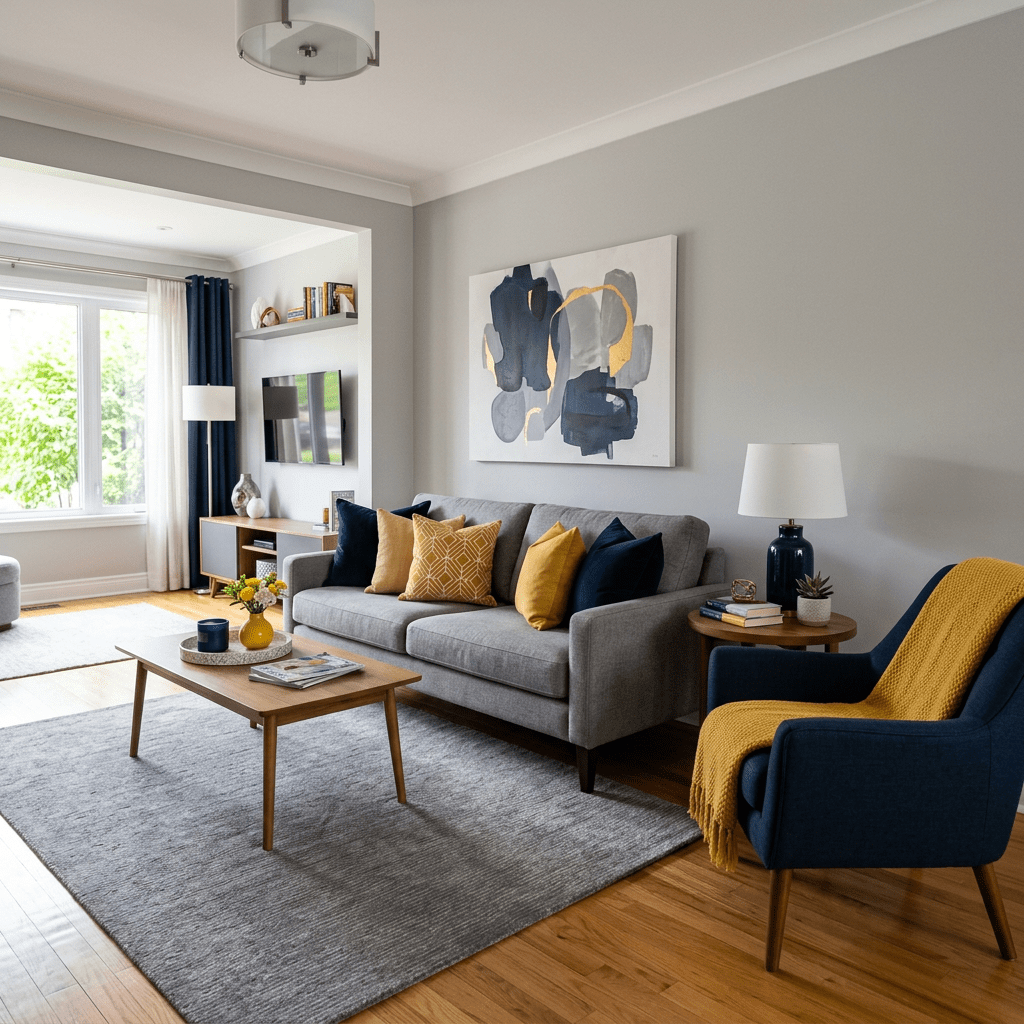
The environments you’re naturally drawn to reveal clues about your home’s identity. Create a collection of inspiration photos and look for patterns. You may discover you consistently save rooms with warm woods, soft lighting, and layered textures. Or perhaps you’re drawn to clean lines, open spaces, and minimal decor. Patterns reveal preferences.
Step 4: Consider Your Home’s Architecture
One mistake many people make is fighting against their home’s natural character. A 100-year-old Victorian home doesn’t need to look like a modern skyscraper. Likewise, a contemporary home may not feel authentic with excessive rustic decor.
Work with your home’s architecture rather than against it. Respecting your home’s bones helps create a more cohesive identity.
Step 5: Tell Your Story
The most memorable homes contain personal touches.
Ask yourself:
- What memories matter most to me?
- What hobbies define me?
- What accomplishments am I proud of?
- What traditions are important to my family?
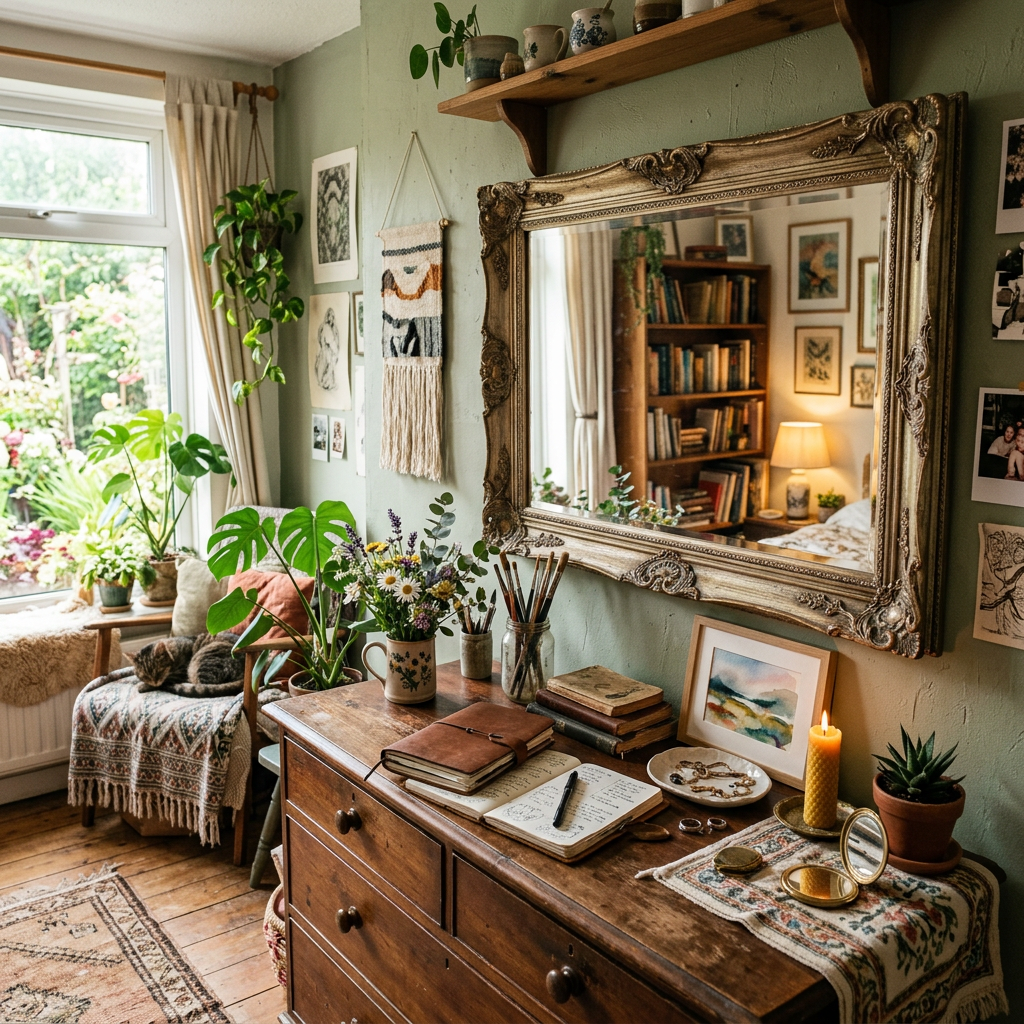
Display meaningful items that tell your story: family heirlooms, travel souvenirs, favorite books, personal artwork, photographs. These details transform a house into a home.
Signs You’ve Found Your Home’s Identity
You’ll know you’ve found it when:
- Decorating becomes easier.
- Rooms feel connected.
- You stop chasing every trend.
- Guests say, “This feels so much like you.”
- You feel relaxed when you walk through the door.
- New purchases fit naturally into your space.
Your home begins to feel less like a collection of things and more like a reflection of your life.
How Your Home Identity Helps You Discover Your Personal Identity
This may sound surprising, but discovering your home’s identity often helps you discover your own identity too. Why? Because creating an authentic home requires honesty.
You have to ask yourself:
- What do I truly value?
- What brings me happiness?
- What kind of life do I want to live?
- What is important enough to make space for?
Many people spend years adapting to the expectations of others. They buy things because they’re trendy. They decorate according to what friends like. They pursue lifestyles that don’t actually fit them.
When you begin intentionally shaping your home, you’re forced to reconnect with your authentic preferences. The process becomes a journey of self-discovery.
Your Home Is a Mirror
Think of your home as a mirror. When it’s cluttered with things that don’t matter, it can be difficult to see yourself clearly. When it’s intentionally designed around your values, priorities, and personality, it reflects who you truly are.
That’s why people often experience emotional breakthroughs while decluttering, renovating, or redecorating. They’re not just changing their homes. They’re redefining themselves.
Your Home Identity Will Evolve
Just as people grow and change, homes evolve too. The home identity that suited you at 25 may not fit you at 45. Life stages change. Families grow. Careers shift. Interests develop. The goal isn’t perfection.
The goal is creating a home that reflects who you are right now while allowing room for who you’re becoming.
Final Thoughts
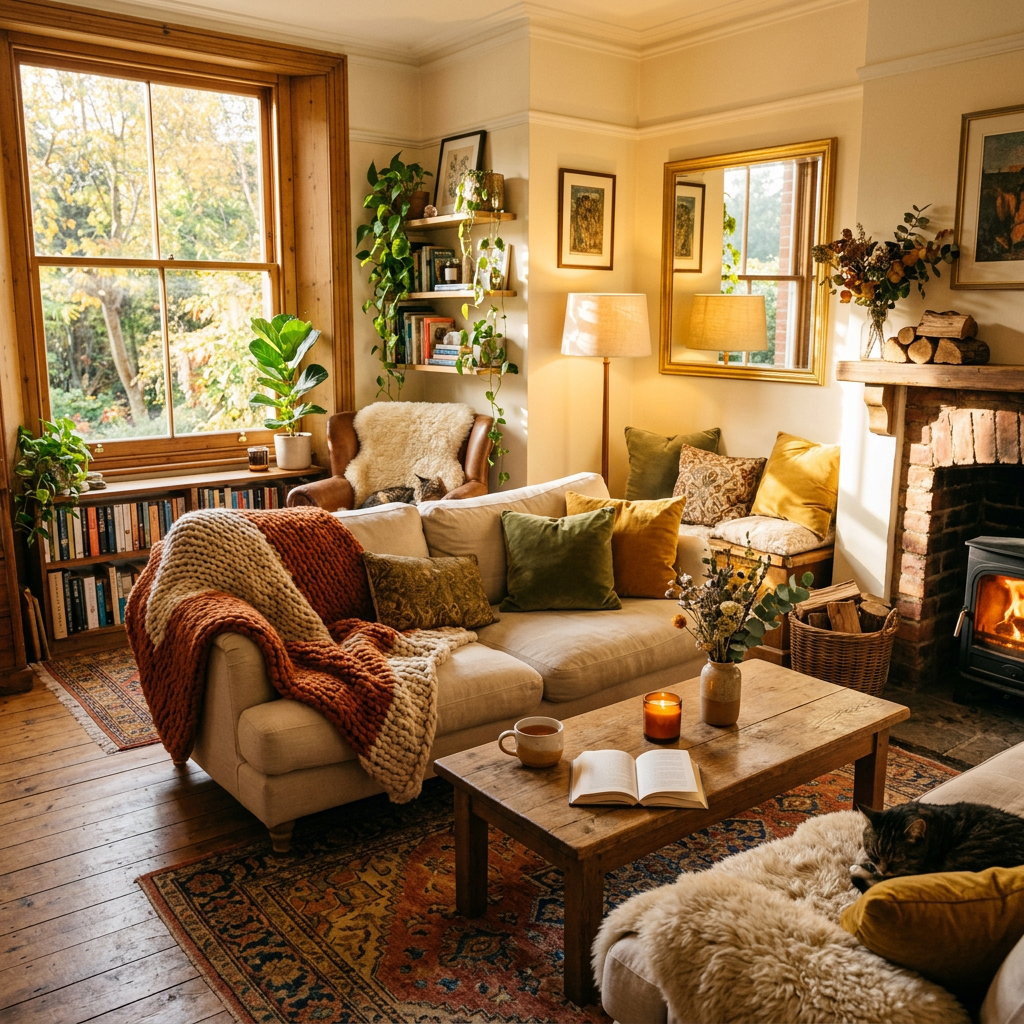
Finding your home’s identity isn’t about buying expensive furniture or following the latest design trends. It’s about creating a space that reflects your values, supports your lifestyle, and tells your story.
When your home’s identity becomes clear, decorating feels easier, daily life feels more intentional, and your space becomes a source of comfort rather than stress. Most importantly, the journey often reveals something unexpected: In discovering your home’s identity, you may discover your own.
Because the best homes don’t simply look beautiful. They help us understand who we are, what matters most, and how we want to live. And that’s what truly transforms a house into a home.
Discovering Life Tip: Before making your next home decor purchase, ask yourself one simple question: “Does this support my home’s identity?” If the answer is yes, you’re building a home that tells your story one thoughtful piece at a time.

 Discoveringlifellc
Leave a comment