
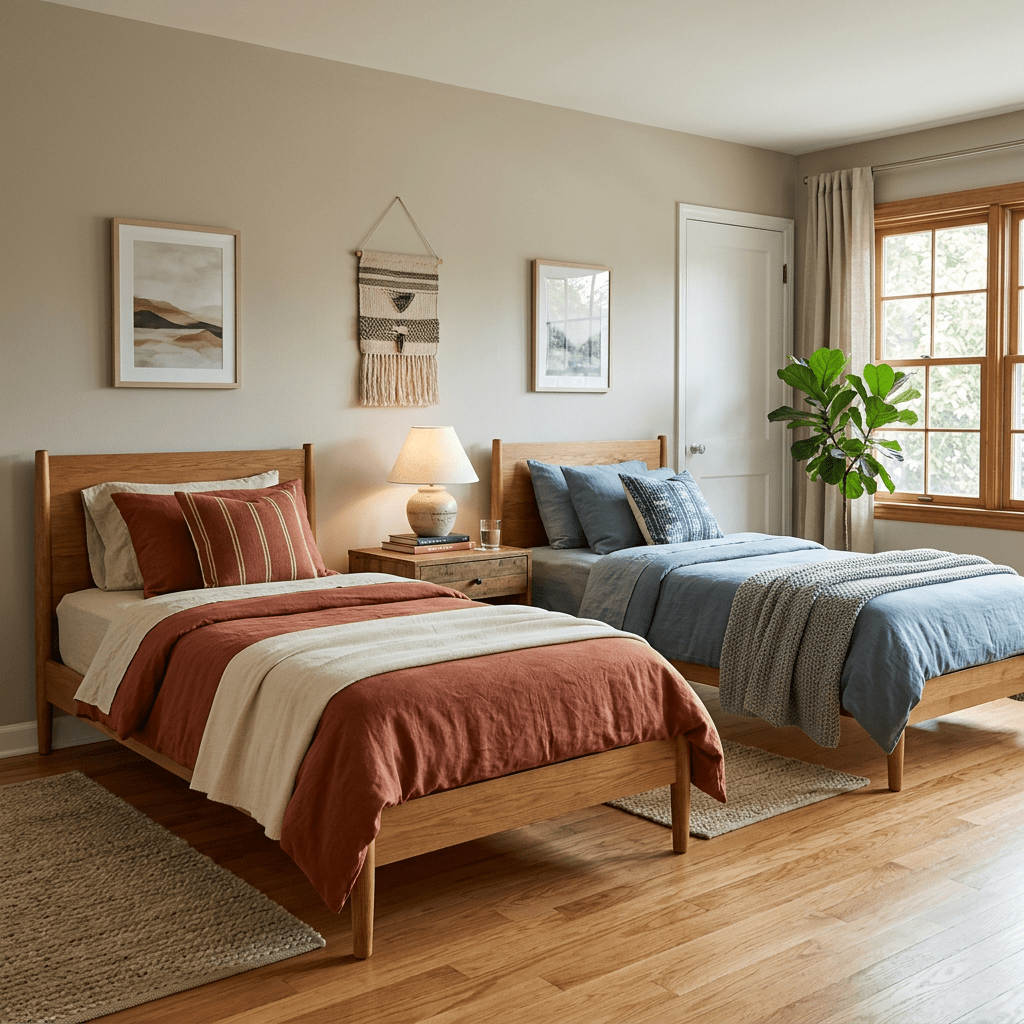
Designing a bedroom for twins can be both exciting and challenging. While many people assume twins enjoy all the same things, that’s rarely the case. Even identical twins often have completely different personalities, hobbies, favorite colors, and decorating styles. One child may love bright, colorful spaces filled with artwork and patterns, while the other prefers calm neutrals and minimalist décor.
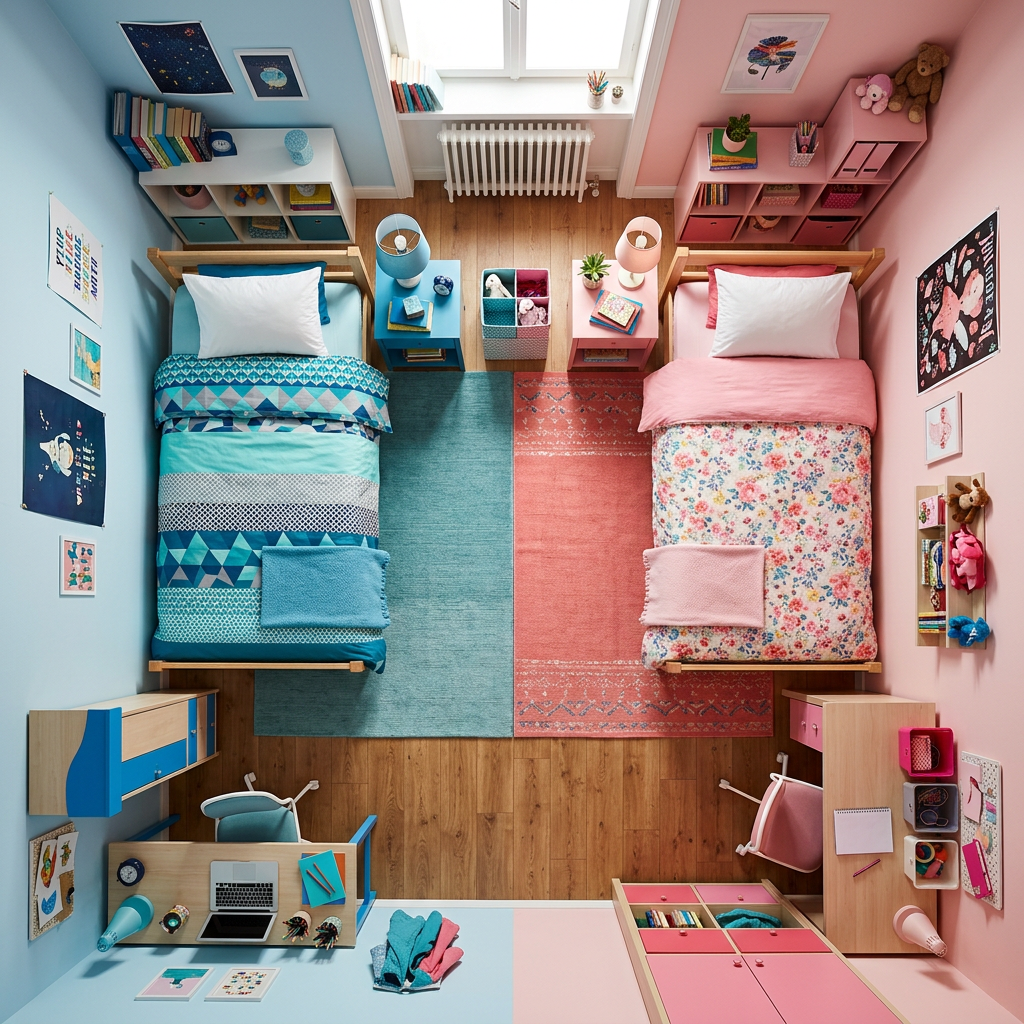
The good news is that a shared bedroom doesn’t have to force one child to compromise. With thoughtful planning, you can create a space where both children feel represented while maintaining a beautiful, cohesive design.
Whether you’re decorating for toddlers, school-age children, or teenagers, here’s how to create a twin bedroom that celebrates each child’s individuality.
A Sweet Story About Decorating for Twins
When Emily and Jason found out they were expecting twins, they immediately pictured matching cribs, identical outfits, and a perfectly coordinated nursery. They spent months collecting matching stuffed animals, blankets, and tiny clothes, imagining their little ones would enjoy everything the same.
Fast forward eight years. Their twins, Ava and Olivia, couldn’t have been more different.
Ava loved everything colorful. Her favorite color changed every few months, but bright coral, sunshine yellow, and turquoise were always at the top of her list. She filled notebooks with drawings, collected houseplants for her windowsill, and dreamed of becoming an artist.
Olivia, on the other hand, loved calm spaces. She preferred soft gray, sage green, and white. Her shelves held mystery novels instead of paintbrushes, and she enjoyed puzzles, astronomy, and quiet evenings reading under a cozy blanket. When it was finally time to redesign their shared bedroom, Emily worried. “How do I make one room that feels like both of them?” she asked.
After browsing dozens of design ideas, she realized something important—the room didn’t have to be identical to be beautiful. The family painted the walls a warm creamy white and chose matching white beds and dressers. Then each twin was given complete freedom over her own side of the room.
Ava added colorful abstract artwork, rainbow throw pillows, a woven rug, and hanging plants. Olivia chose navy bedding, framed star maps, floating bookshelves, and a telescope beside her window. In the center of the room, they created a shared reading corner with a comfortable chair, a basket of books, and a small table where the girls could work on homework or spend time together.
When everything was finished, Emily stepped into the room expecting it to look mismatched. Instead, it felt perfect. The room wasn’t divided—it was balanced. Each side reflected the personality of the child who slept there, while the shared furniture, neutral walls, and cozy common space tied everything together.
That evening, Ava looked around with a huge smile and said, “My side feels like me.” Olivia nodded and added, “And the whole room still feels like ours.” Emily realized that was exactly what great design is all about. It’s not about making everything match—it’s about creating a home where everyone feels like they belong.
Start by Finding Common Ground
Before shopping for furniture or choosing paint colors, sit down with each child and learn what they like.
Ask questions like:
- What are your favorite colors?
- What themes do you love?
- What activities do you enjoy?
- What would your dream bedroom look like?
You’ll likely discover they have different tastes, but they may also share interests like sports, animals, outer space, music, reading, or nature. Finding these shared interests gives you a starting point for creating a room that feels unified.
Choose a Neutral Foundation
One of the easiest ways to blend different decorating styles is by keeping the room itself neutral.
Soft white, warm beige, light gray, sage green, pale blue, or greige walls create a calming backdrop that works with almost any decorating style.
Once the base is neutral, each twin can personalize their own side without making the room feel chaotic.
Neutral foundations also make future redecorating easier as children grow and their interests change.
Give Each Twin Their Own Side
A shared bedroom should still feel personal.
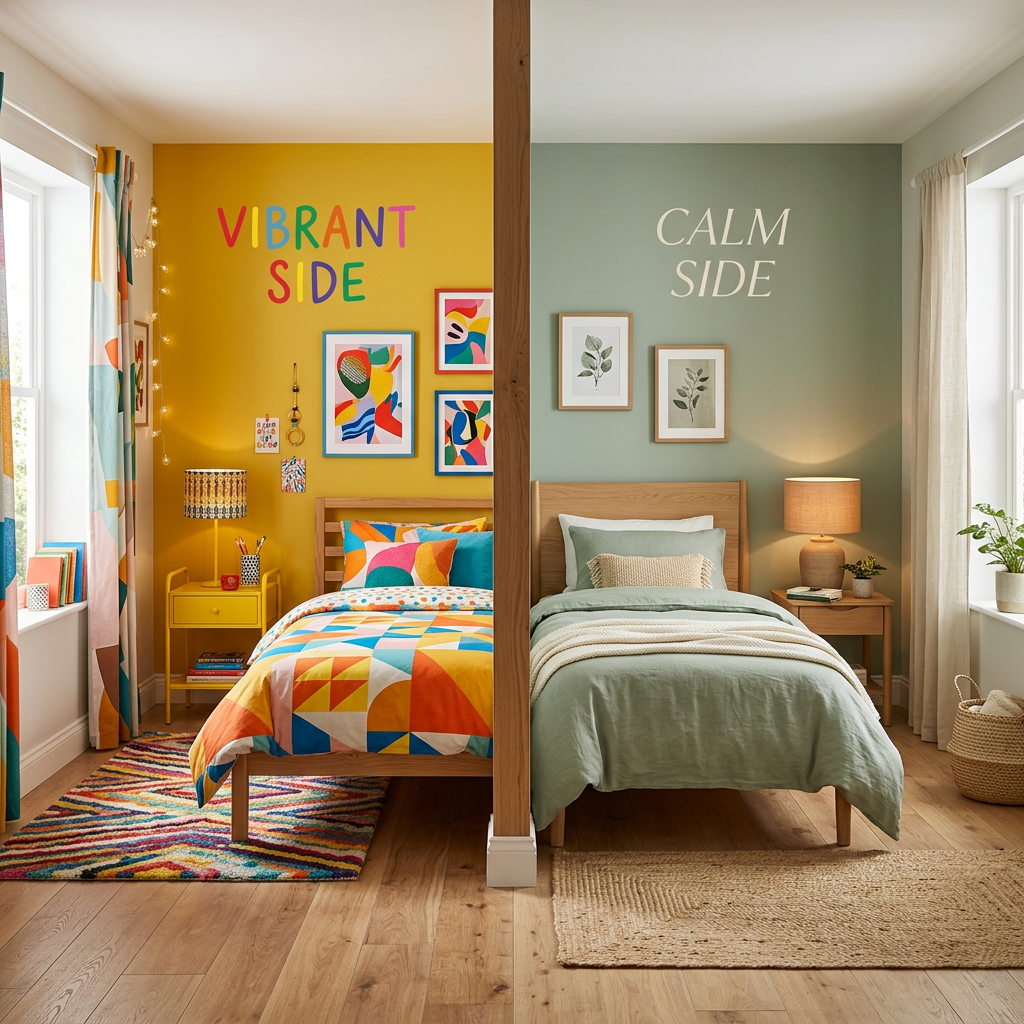
Whenever possible, divide the room into two distinct zones.
Each twin should have their own:
- Bed
- Nightstand
- Reading light
- Storage
- Wall space
- Display shelves
- Personal décor
This creates ownership while helping reduce disagreements over space.
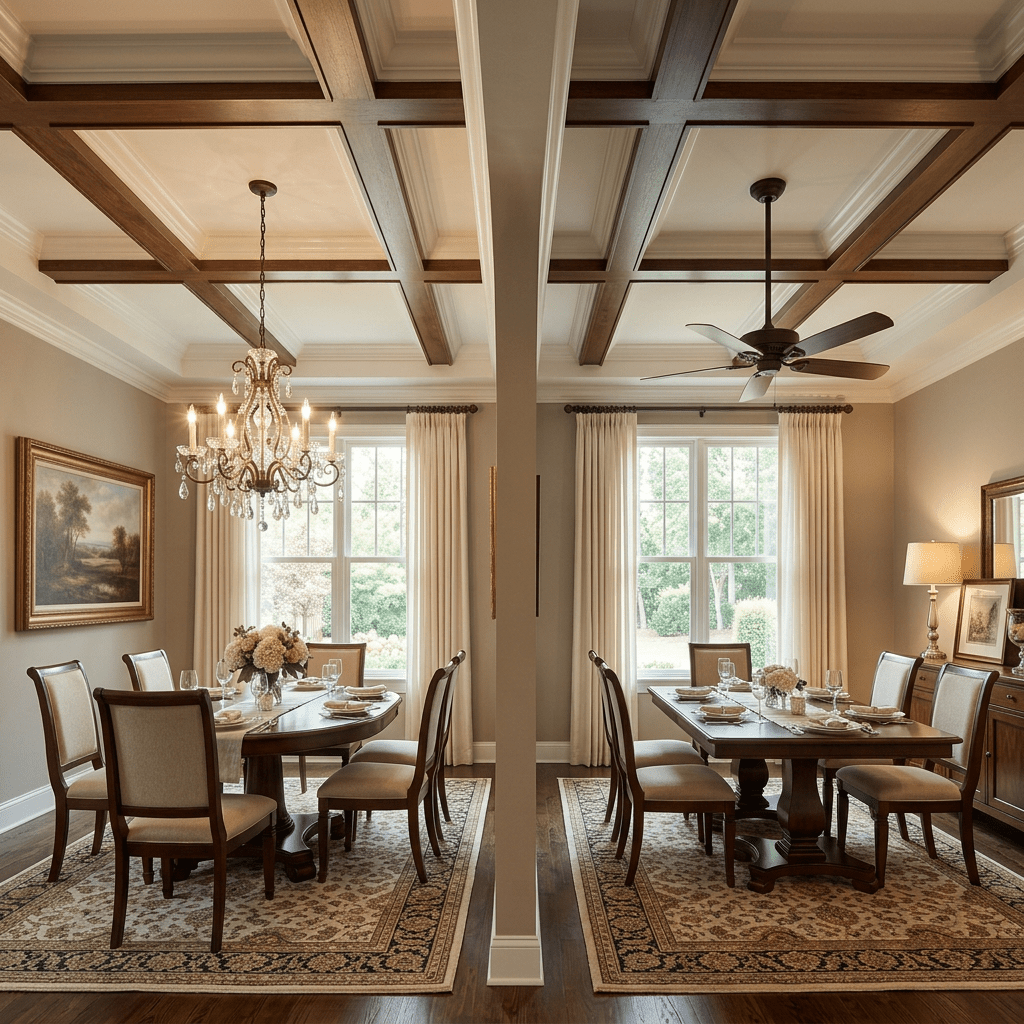
One side might feature colorful artwork and floral bedding while the other includes geometric patterns and modern décor.
The room still feels connected because the furniture remains consistent.
Keep the Furniture Matching
Matching furniture is one of the secrets professional designers use when decorating shared bedrooms.
Instead of matching bedding or decorations, match the larger pieces:
- Twin beds
- Dressers
- Desks
- Bookshelves
- Nightstands
Uniform furniture provides balance while allowing each child to personalize everything else.
This creates a polished designer look without sacrificing individuality.
Let Bedding Tell Their Story
Bedding is one of the easiest ways for each twin to express their personality.
For example:
Twin One may choose:
- Pink floral comforter
- Decorative pillows
- Boho throw blanket
- Gold accents
Twin Two might prefer:
- Navy striped bedding
- Mountain-themed pillows
- Minimalist gray blanket
- Black metal accents
Because bedding is easy to replace, it’s an affordable way to refresh the room as tastes evolve.
Use Color in Small Doses
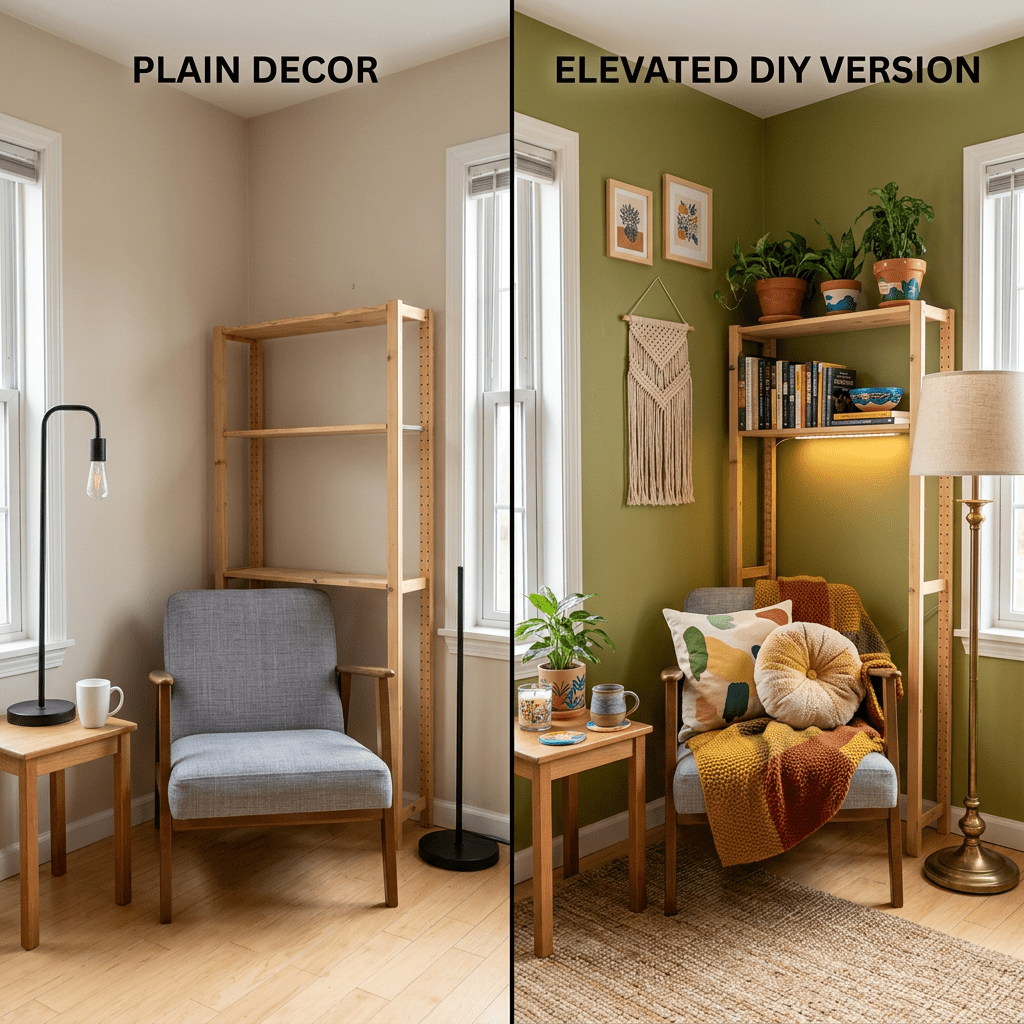
Instead of painting each side completely different colors, introduce personality through accents.
Ideas include:
- Throw pillows
- Rugs
- Curtains
- Wall art
- Lamps
- Storage baskets
- Desk accessories
- Decorative blankets
This approach keeps the room balanced instead of visually overwhelming.
Create Individual Gallery Walls
Wall décor is another great opportunity for personalization.
Each twin can create their own gallery featuring:
- Favorite quotes
- Family photos
- Artwork
- Sports memorabilia
- Travel souvenirs
- Posters
- Certificates
- Personal achievements
These displays make each side feel unique while celebrating each child’s interests and accomplishments.
Maximize Storage
Shared bedrooms often have double the belongings but not double the space.
Smart storage is essential.
Consider adding:
- Under-bed drawers
- Storage ottomans
- Cube organizers
- Floating shelves
- Closet organizers
- Hanging baskets
- Bedside caddies
Labeling bins and baskets helps each child stay organized and makes cleanup easier.
Design a Shared Activity Zone
Even though each twin has their own personal space, it’s nice to include an area they can enjoy together.
Ideas include:
- Reading nook
- Craft table
- Homework station
- Gaming area
- LEGO building corner
- Cozy bean bag seating
- Window bench
A shared space encourages cooperation while giving the bedroom more purpose than simply sleeping.
Make Small Rooms Feel Bigger
Many twins share bedrooms that aren’t especially large.
To maximize every square foot:
- Choose bunk beds or loft beds when appropriate.
- Use vertical wall storage.
- Install floating shelves instead of bulky bookcases.
- Choose furniture with built-in storage.
- Use mirrors to reflect natural light.
- Keep walkways open.
A clutter-free room always feels larger than one filled with unnecessary furniture.
Give Each Twin Privacy
As twins grow older, privacy becomes increasingly important.
Simple additions can make a big difference:
- Curtains around loft beds
- Room dividers
- Bookshelves as partitions
- Canopies
- Folding privacy screens
- Noise machines
- Headphones for studying
These solutions provide personal space without requiring separate bedrooms.
Decorate with Growth in Mind
Children’s interests change quickly.
Instead of investing heavily in themed furniture that may feel outdated in a few years, choose timeless basics and update the room with interchangeable décor.
Easy-to-change items include:
- Bedding
- Wall art
- Pillows
- Rugs
- Desk accessories
- Curtains
- Decorative lighting
This strategy saves money while keeping the room current.
Design Ideas by Age
Toddlers
Choose soft colors, low furniture, toy storage, and playful décor. Keep layouts open for safe play and easy supervision.
Elementary School
Create designated homework spaces, accessible bookshelves, and themed bedding that reflects each child’s favorite interests.
Teen Twins
Focus on functionality with study desks, charging stations, larger wardrobes, and décor that reflects each teen’s personality. Give them as much input as possible so the room feels like a true reflection of who they are.
Budget-Friendly Decorating Tips
You don’t need a large budget to create a stylish twin bedroom.
Affordable ideas include:
- Paint existing furniture instead of buying new.
- Shop thrift stores and estate sales for unique pieces.
- Use peel-and-stick wallpaper as an accent.
- Create DIY wall art.
- Repurpose storage containers with paint or labels.
- Swap decorative pillow covers seasonally.
- Mix high-end pieces with budget-friendly finds from discount home stores.
Thoughtful planning often has a greater impact than expensive furnishings.
Final Thoughts
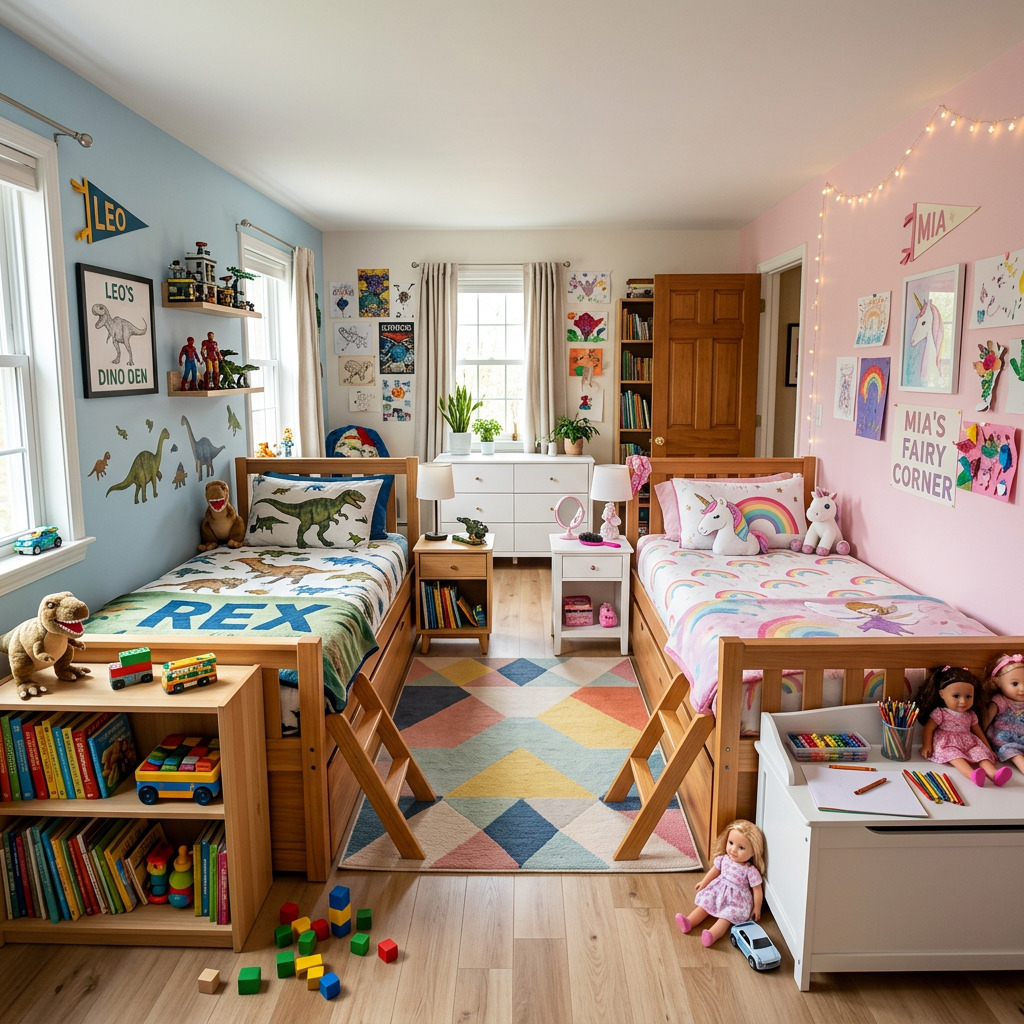
A shared bedroom should celebrate what makes each twin unique while fostering a sense of togetherness. By starting with a neutral foundation, choosing matching furniture, and allowing each child to personalize their own side with colors, artwork, and décor, you can create a room that feels harmonious without sacrificing individuality.
The best twin bedroom designs aren’t about making everything match—they’re about creating balance. When each child has a space that reflects their personality and a shared area that encourages connection, the room becomes more than just a place to sleep. It becomes a space where both children feel seen, valued, and at home.
Whether you’re decorating for young siblings or redesigning a room for growing teens, thoughtful choices can transform one shared bedroom into a stylish retreat that works beautifully for two different people under one roof.

 Discoveringlifellc
Leave a comment