
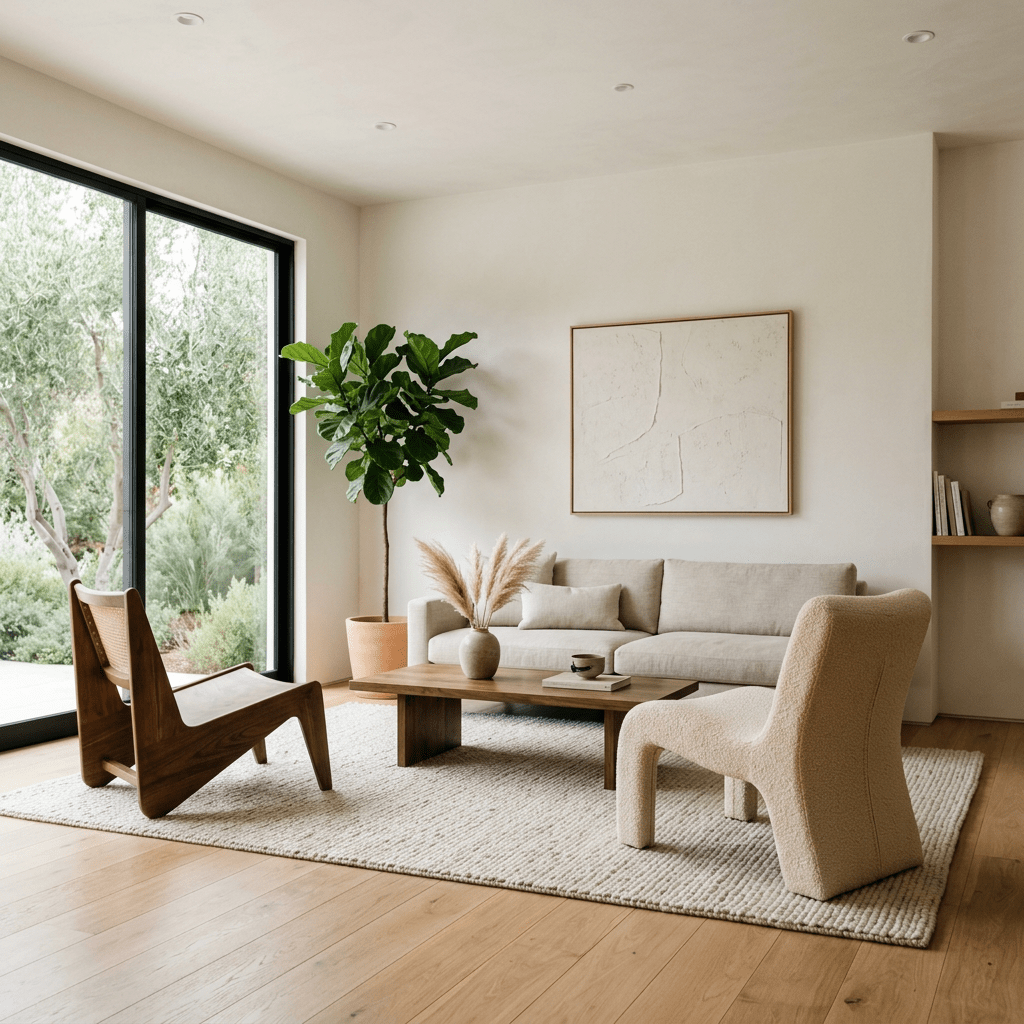
Have you ever walked into a beautifully minimalist home and thought, This is gorgeous, but it feels a little too empty? Or maybe you’ve admired the colorful layers and personality of a maximalist home only to wonder how anyone keeps it organized. If you’ve found yourself somewhere between those two styles, you’re not alone. That’s exactly why midimalism has become one of the biggest home design trends of 2026.
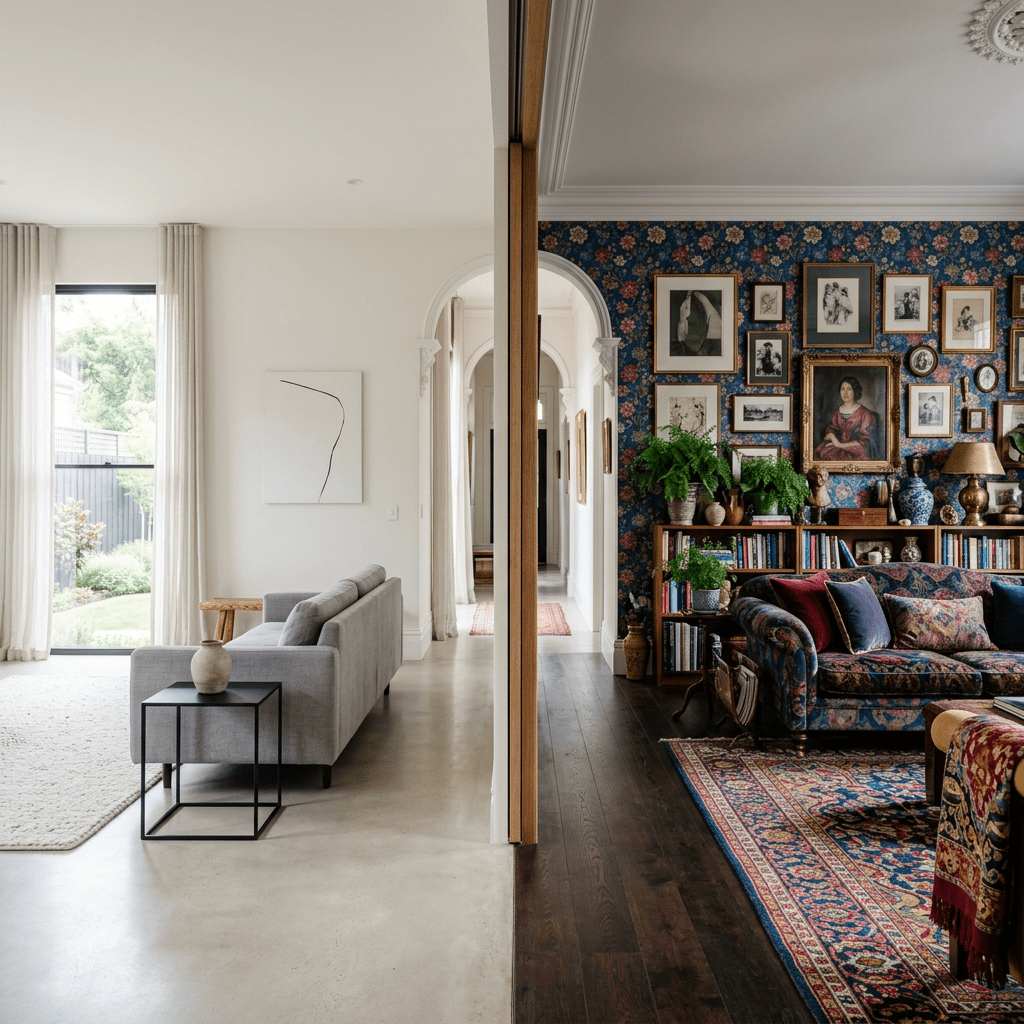
Midimalism embraces the idea that your home doesn’t have to fit neatly into one decorating philosophy. Instead, it encourages balance by combining the clean, calming aesthetic of minimalism with the warmth, creativity, and personality of maximalism. The result is a home that feels curated instead of cluttered, cozy instead of crowded, and stylish without looking overly designed.
Whether you’re decorating your first apartment, refreshing your forever home, or simply looking for inspiration, midimalism offers the flexibility to create a space that reflects your personality while still feeling calm and organized.
What Exactly Is Midimalism?
At its core, midimalism is all about intentional decorating. Instead of filling every shelf because you have the space—or removing everything in pursuit of a perfectly clean aesthetic—you choose pieces that have meaning and purpose. Every item contributes to the room, whether it’s through function, beauty, or sentimental value.
Imagine walking into a living room with warm neutral walls, a comfortable cream-colored sofa, an oversized piece of artwork that immediately catches your eye, and a few carefully chosen accessories like books, candles, and plants. The room doesn’t feel empty, but it also doesn’t feel overwhelming. That’s the essence of midimalism.
Unlike trends that come and go quickly, midimalism works because it allows homeowners to adapt their spaces as their lives evolve. You can add meaningful pieces over time without sacrificing the clean, inviting atmosphere that makes a home feel peaceful.
Understanding the Three Design Styles
To understand why midimalism has become so popular, it helps to look at the decorating styles that inspired it.
Minimalism is built around the idea that less is more. Clean lines, open spaces, and neutral colors create a peaceful environment with very little visual distraction. Furniture tends to be functional rather than decorative, and accessories are kept to a minimum. While many people appreciate the simplicity of minimalist homes, others find them a little too stark or lacking personality.
Maximalism takes the opposite approach. More is more, and every room becomes an opportunity for self-expression. Bold colors, layered textures, patterned wallpaper, vintage treasures, books, artwork, and collected décor all work together to tell a story. When done well, maximalism feels exciting and deeply personal. When overdone, however, it can become visually overwhelming and difficult to maintain.
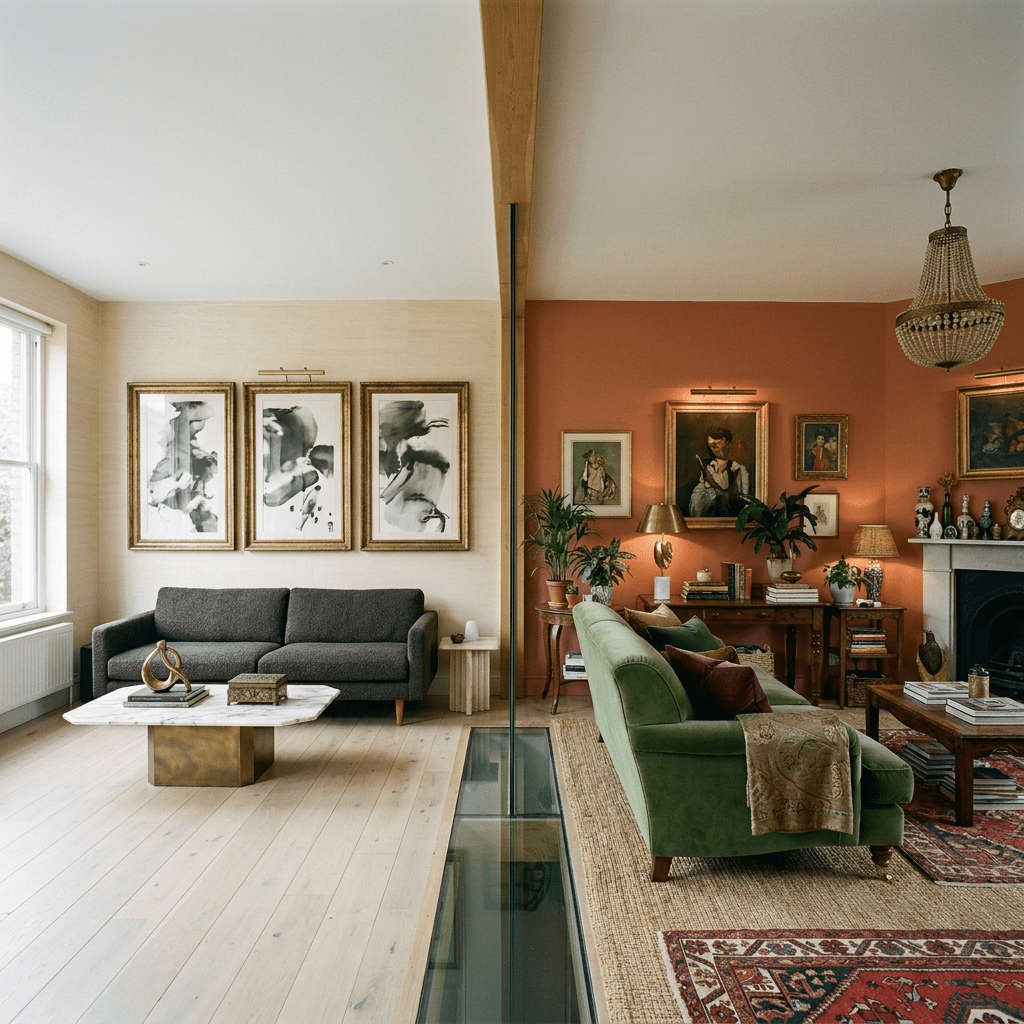
Midimalism sits comfortably between these two extremes. It borrows the clean foundation of minimalism while welcoming carefully selected colors, textures, artwork, and decorative accents. Instead of choosing one philosophy over the other, it asks a simple question: Does this piece add value to the space? If the answer is yes, it deserves a place in your home.
Why Midimalism Is Trending Right Now
Our homes have become much more than places to sleep. They’re offices, classrooms, gathering spaces, creative studios, and personal retreats. Because of that, people are looking for interiors that support both productivity and comfort.
After years of seeing ultra-minimal homes dominate social media, many homeowners realized those spaces didn’t always feel realistic for everyday life. On the other hand, highly decorated maximalist interiors, while beautiful, can require more maintenance and can quickly feel chaotic in busy households.
Midimalism offers the best of both worlds. It creates homes that feel lived in without looking messy. It celebrates personality without encouraging clutter. Most importantly, it reminds us that our homes should serve us—not social media trends.
Building a Midimalist Home
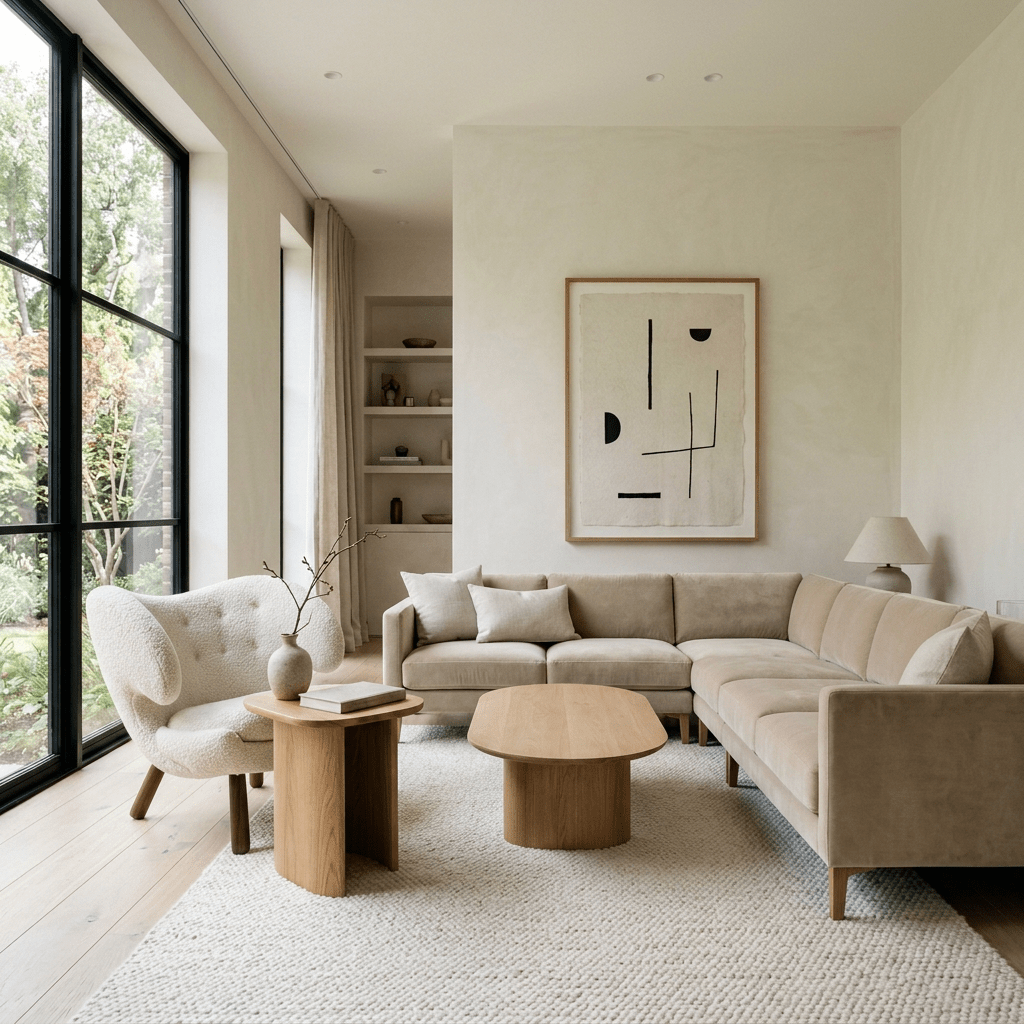
Creating a midimalist home begins with establishing a calm foundation. Neutral walls, timeless flooring, and comfortable furniture provide a backdrop that allows decorative elements to shine without competing for attention. Soft whites, warm beiges, greige, light taupe, and gentle sage greens are all excellent choices because they remain versatile as your style evolves.
Once your foundation is in place, it’s time to introduce personality. Rather than purchasing dozens of decorative accessories, choose a few statement pieces that naturally draw the eye. An oversized abstract painting, a sculptural coffee table, an elegant chandelier, or a beautifully upholstered accent chair can instantly become the focal point of a room without overwhelming it.
Texture also plays a significant role in midimalism. Layering natural materials such as linen, wood, woven baskets, velvet, bouclé, marble, ceramics, and glass creates visual interest without relying on excessive color or decoration. A room filled with subtle textures often feels richer and more inviting than one filled with countless decorative objects.
Perhaps the most important principle of midimalism is decorating with intention. Instead of asking yourself what can fill an empty shelf, ask yourself what deserves to be displayed. Family photographs, meaningful travel souvenirs, handmade pottery, favorite books, or artwork collected over the years all contribute to a home that tells your story.
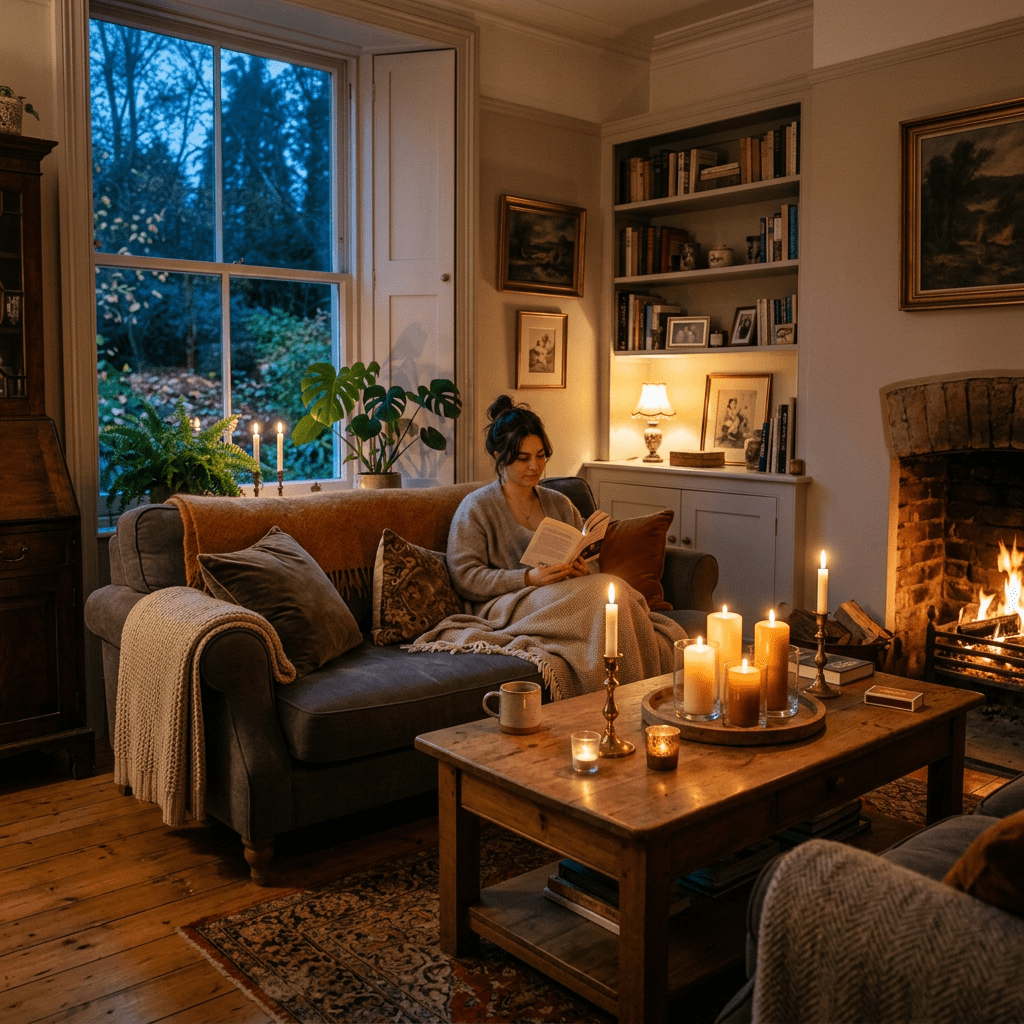
Lighting deserves just as much attention as furniture and décor. Layering overhead fixtures with table lamps, floor lamps, wall sconces, and candles creates warmth throughout the day and transforms a room in the evening. Natural elements such as houseplants, fresh flowers, olive branches, or woven baskets further soften the overall design and help connect the indoors with nature.
How to Create a Minimalist Look
If you’re naturally drawn to simplicity, achieving a minimalist aesthetic begins with editing your space rather than decorating it. Focus on purchasing fewer, higher-quality pieces that will stand the test of time instead of filling your home with inexpensive accessories.
Keep your color palette limited to a few complementary shades, choose furniture with clean lines, and allow open space to become part of the design. Coffee tables, countertops, and shelving should feature only one or two carefully chosen decorative items. Hidden storage is also essential, helping everyday necessities disappear so the room maintains its calm, uncluttered appearance.
A minimalist living room might feature crisp white walls, a light gray sofa, a solid oak coffee table, one large piece of artwork, and a simple floor lamp. While the design is understated, every element has been selected with purpose.
How to Create a Maximalist Look
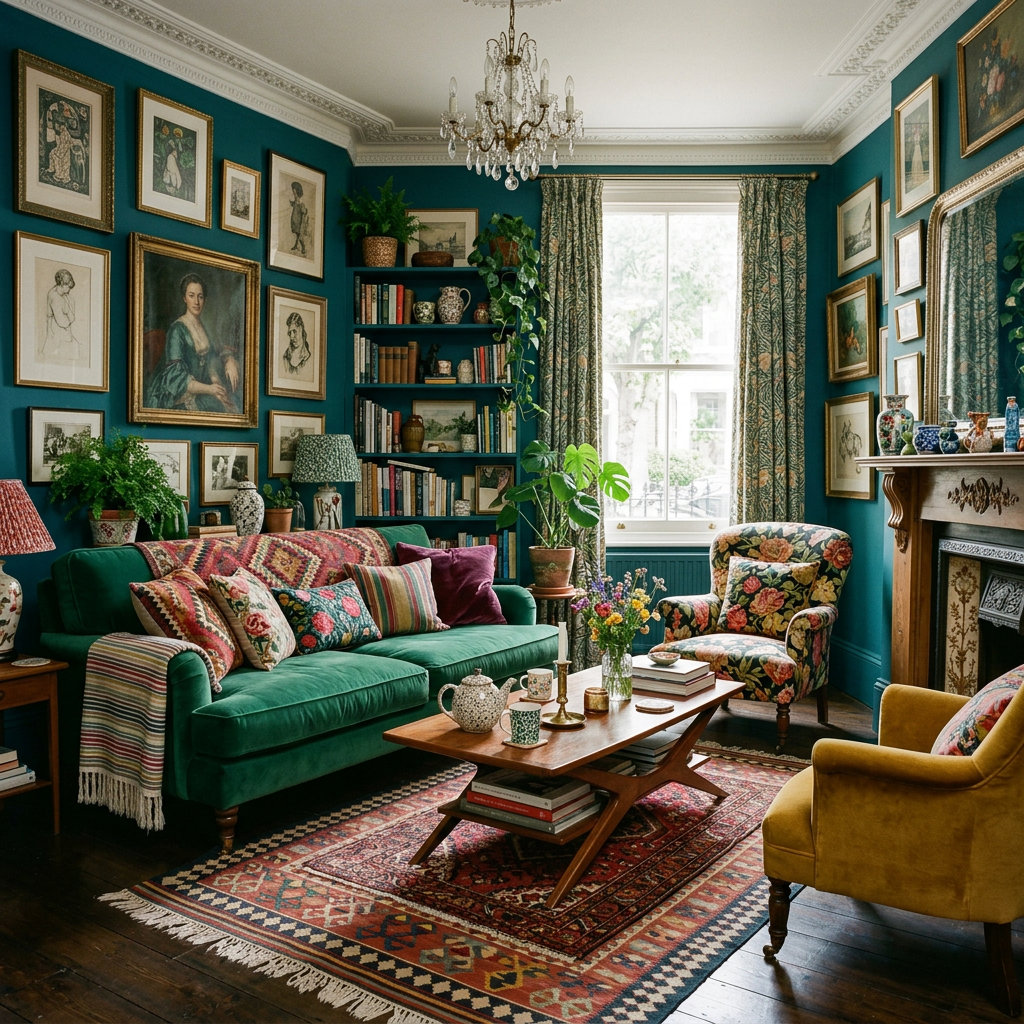
For those who love bold interiors, maximalism is an opportunity to let creativity shine. Rich jewel tones, dramatic wallpaper, patterned fabrics, layered rugs, and eclectic furniture combine to create spaces filled with personality.
Collections become part of the décor rather than something hidden away. Books line the shelves, vintage treasures share space with modern art, and colorful textiles add warmth throughout the room. The secret to successful maximalism isn’t simply adding more—it’s creating harmony through repeated colors, textures, and themes.
Picture a room painted deep emerald green with velvet seating, layered patterned rugs, brass lighting, overflowing bookshelves, colorful artwork, and lush plants. Every corner invites you to discover something new while still feeling cohesive.
Bringing Midimalism Into Every Room
One of the greatest strengths of midimalism is its versatility. In the living room, a neutral sofa can be transformed with textured throw pillows, a patterned area rug, a statement coffee table, and several carefully placed plants. The space feels comfortable and inviting without becoming visually cluttered.
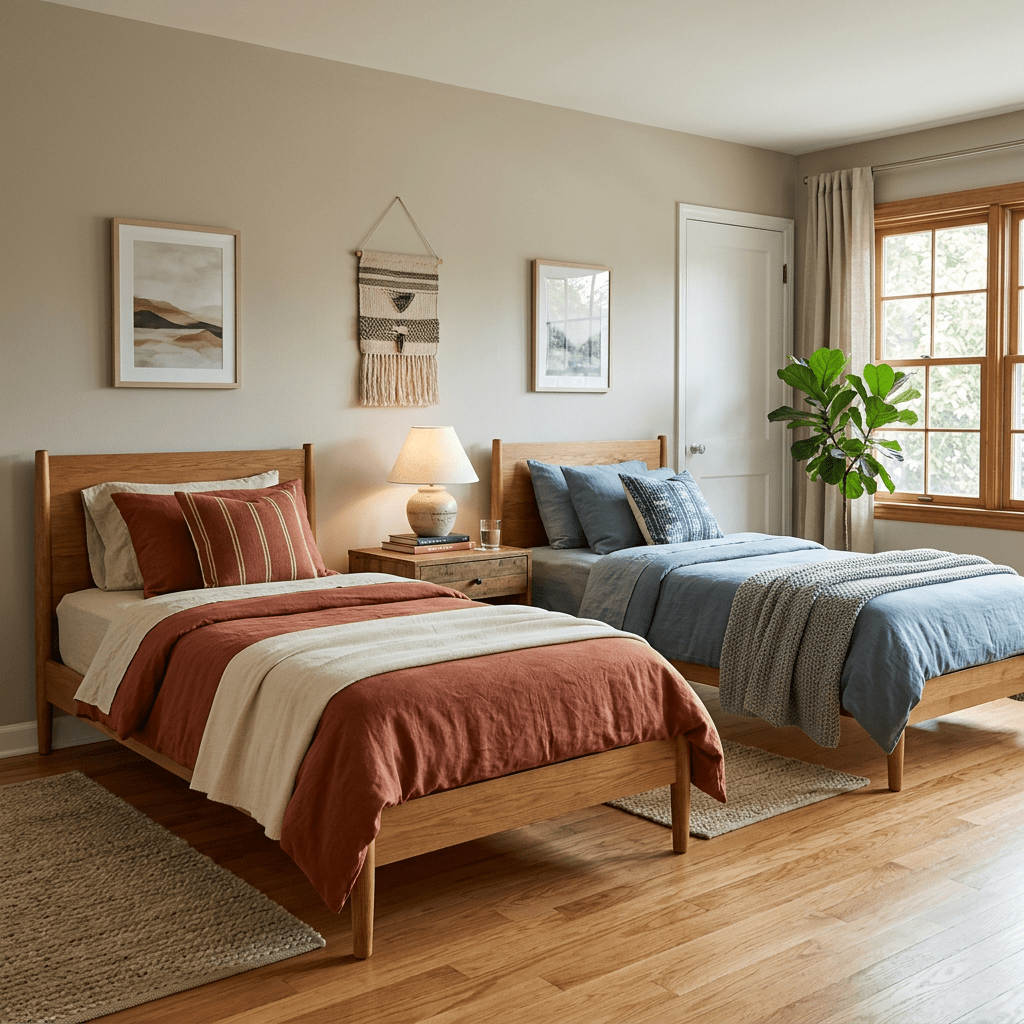
In the bedroom, crisp white bedding paired with layered blankets, an upholstered headboard, ceramic lamps, and a simple gallery wall creates a restful retreat that still reflects your personality.
Even kitchens can embrace midimalism through open shelving that displays only favorite dishes, wooden cutting boards, glass storage containers, fresh herbs, and warm metallic hardware. Home offices benefit from the same philosophy by combining clean workspaces with inspiring artwork, attractive storage solutions, and cozy lighting.
Common Mistakes to Avoid
Like any decorating style, balance is everything. One of the easiest mistakes is purchasing trendy décor simply because it’s popular rather than because you genuinely love it. Midimalism isn’t about following every design trend—it’s about curating a home that feels authentic.
Another common mistake is filling every available surface. Empty space isn’t something to fear; it’s what allows your favorite pieces to stand out. Choosing too many competing colors or oversized furniture can also disrupt the balance that makes this style so appealing. Finally, don’t overlook storage. Beautiful organization behind closed doors is often what makes a thoughtfully designed home feel effortless.
Final Thoughts
Midimalism reminds us that decorating isn’t about following strict rules or choosing sides in the minimalism-versus-maximalism debate. Instead, it’s about creating a home that reflects who you are while supporting the way you live every day.
Some rooms may lean toward simplicity, while others may celebrate color and creativity. The beauty of midimalism is that it welcomes both. By building a neutral foundation, layering rich textures, displaying meaningful décor, and leaving room to breathe, you can create spaces that feel warm, organized, and timeless.
Your home should tell your story—not someone else’s. Midimalism simply gives you permission to write that story with intention, balance, and a little creativity.
 Discoveringlifellc
Leave a comment