
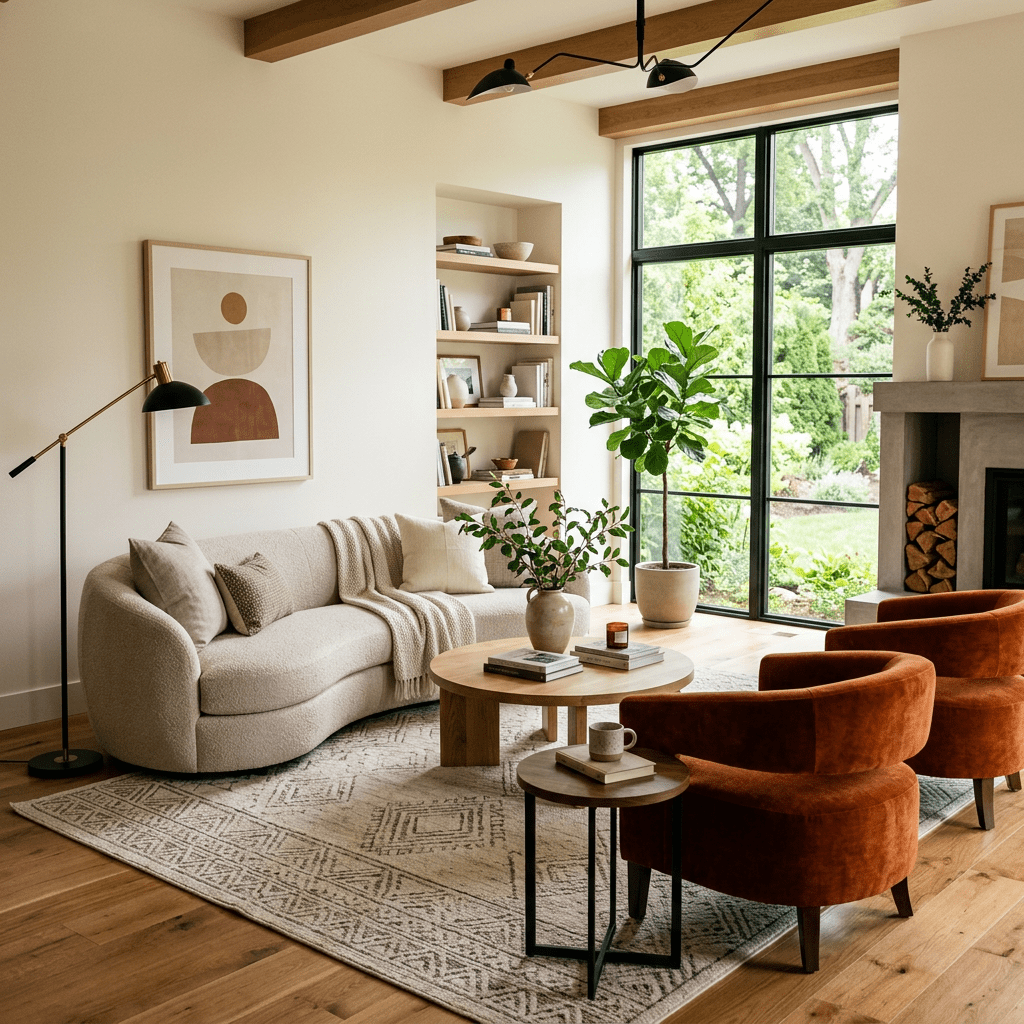
Walk into almost any furniture showroom, browse Pinterest, or scroll through Instagram, and you’ll quickly notice one thing: curves are everywhere. From rounded sofas and circular coffee tables to arched bookcases and sculptural accent chairs, curved furniture has become one of the biggest interior design trends of the year. But is this simply another passing design fad? Or are curved silhouettes here to stay?
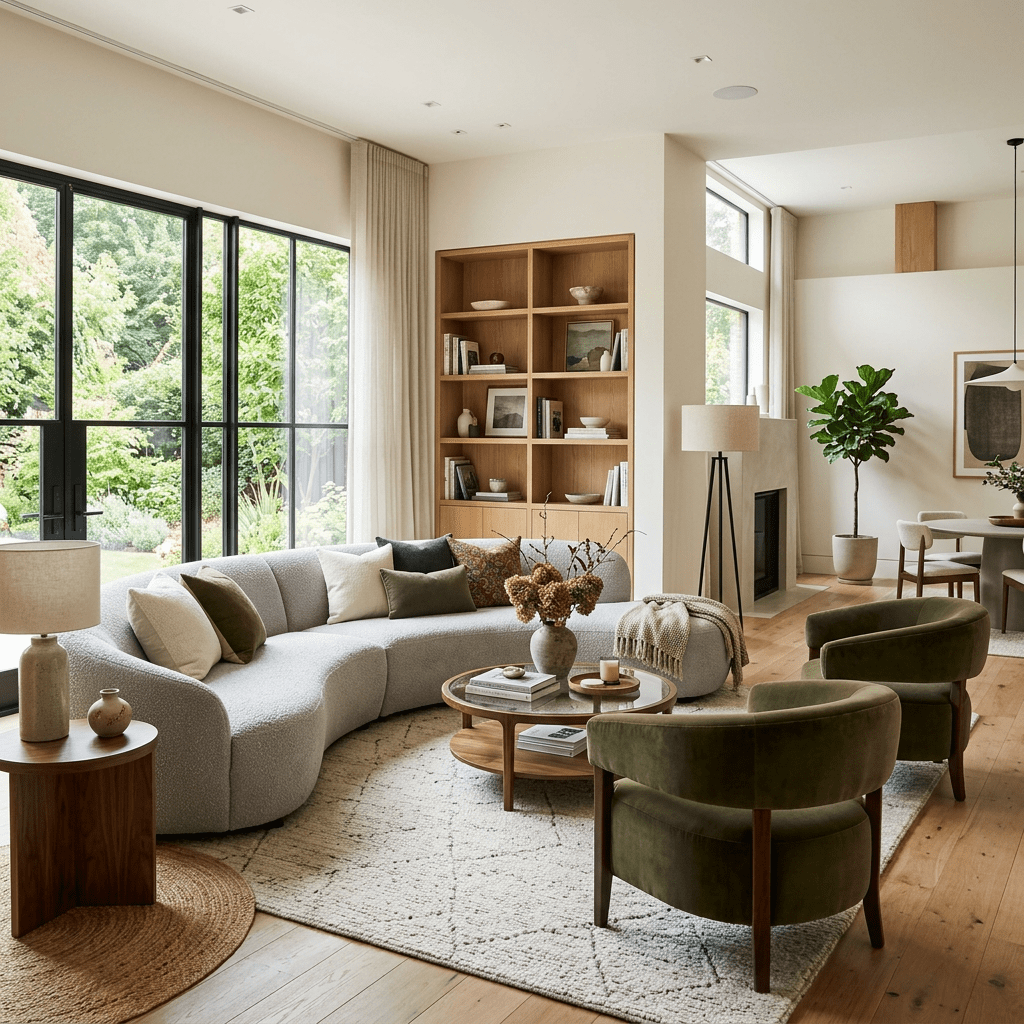
The answer is a little more interesting than you might think. While curved furniture is certainly having a major moment, the style itself is far from new. In fact, history shows that curved furniture has repeatedly returned to popularity over the centuries. Today’s version simply reflects what homeowners are craving now: comfort, softness, and spaces that feel welcoming.
Let’s explore why curved furniture has become so popular, where the trend began, and whether it’s worth investing in for your own home.
The History of Curved Furniture
Many people assume curved furniture is a modern invention, but designers have been embracing rounded forms for hundreds—even thousands—of years.
Ancient Greek and Roman furniture often featured elegant, curved legs and rounded backs. During the Rococo period of the 1700s, ornate curves became a defining feature of luxury furniture. Victorian homes later incorporated sweeping silhouettes into sofas, chaise lounges, and carved wood pieces. Fast forward to the 1930s and 1940s, when Art Deco designers introduced glamorous, curved sofas and barrel chairs that became symbols of sophistication.
Then came the clean, straight-lined minimalism of the late 20th century. Sharp angles, rectangular sectionals, and sleek modern furniture dominated homes for decades. Now, the design world has come full circle—quite literally.
Today’s curved furniture combines modern simplicity with the comfort and elegance of historical design, creating pieces that feel both contemporary and timeless.
Why Is Curved Furniture So Popular Right Now?
Interior design trends often reflect how people want to feel in their homes.
Over the past several years, homeowners have increasingly prioritized comfort, relaxation, and emotional well-being. After spending more time at home, many people realized they wanted interiors that felt calming rather than overly structured. Curved furniture naturally supports that feeling.
Unlike hard edges and sharp corners, rounded shapes create a softer visual experience. They make rooms feel more inviting and encourage movement throughout a space instead of creating rigid boundaries.
Design experts often describe curves as “organic.” They mimic the flowing lines found in nature—from rolling hills and river bends to flower petals and clouds. Humans tend to find these shapes calming because they’re familiar and comforting.
The Psychology Behind Curves
There’s actually science behind our attraction to rounded objects. Studies in environmental psychology suggest people generally perceive curved forms as friendlier, safer, and less intimidating than sharp angles.
When you walk into a room filled with rounded furniture, your brain often interprets the environment as more welcoming.
This may explain why so many luxury hotels, upscale restaurants, and boutique spaces have adopted curved seating and soft architectural details. The effect is subtle but powerful. Instead of feeling formal, the room feels relaxed. Instead of appearing cold, it feels warm.
Curved Furniture Makes Small Rooms Feel Bigger
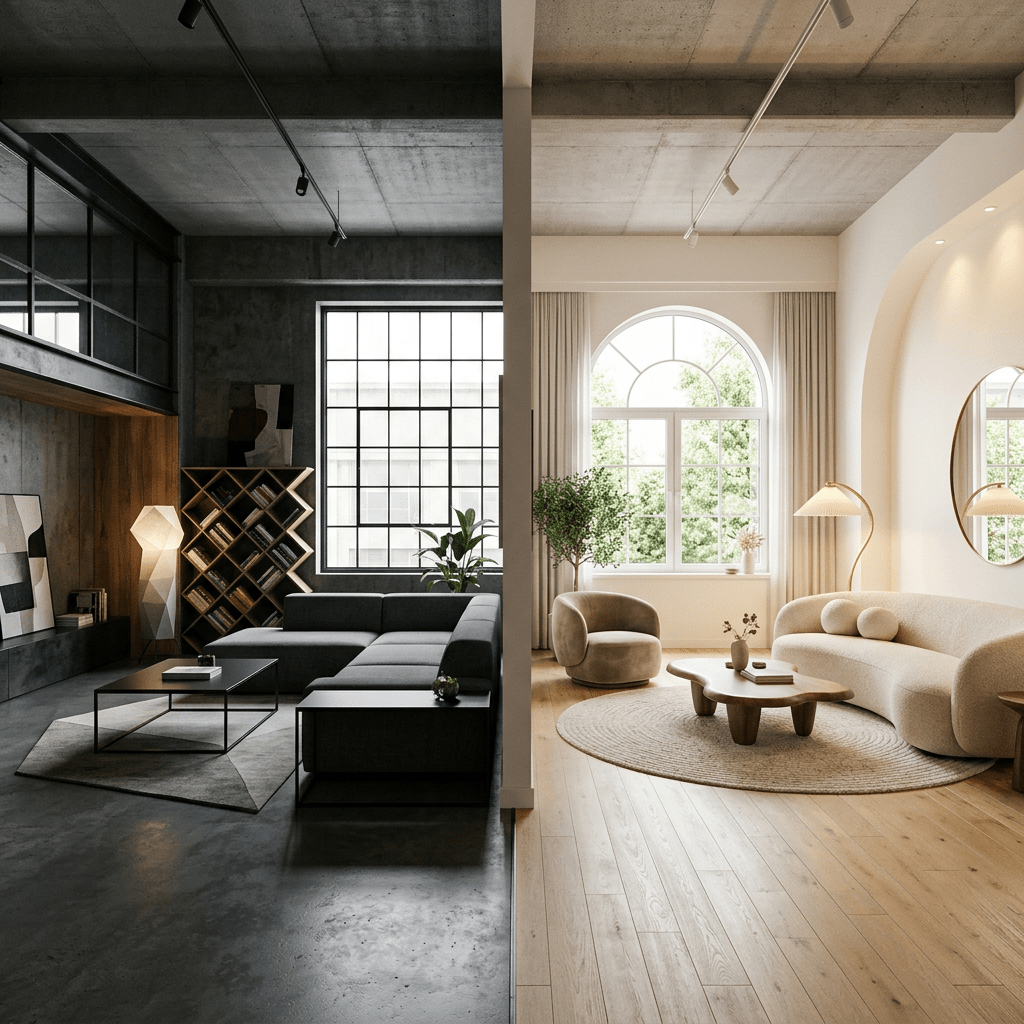
One surprising advantage of curved furniture is that it can actually improve the flow of smaller spaces. Sharp corners tend to visually stop the eye. Rounded furniture encourages the eye to continue moving naturally throughout the room, making spaces appear more open.
A curved sofa, for example, often feels lighter than a bulky square sectional—even when it occupies a similar footprint. Round coffee tables also improve traffic flow because people can move around them more easily without bumping into sharp corners.
The Most Popular Curved Furniture Pieces
If you’re curious about trying the trend, these are the pieces homeowners are buying the most:
Curved Sofas
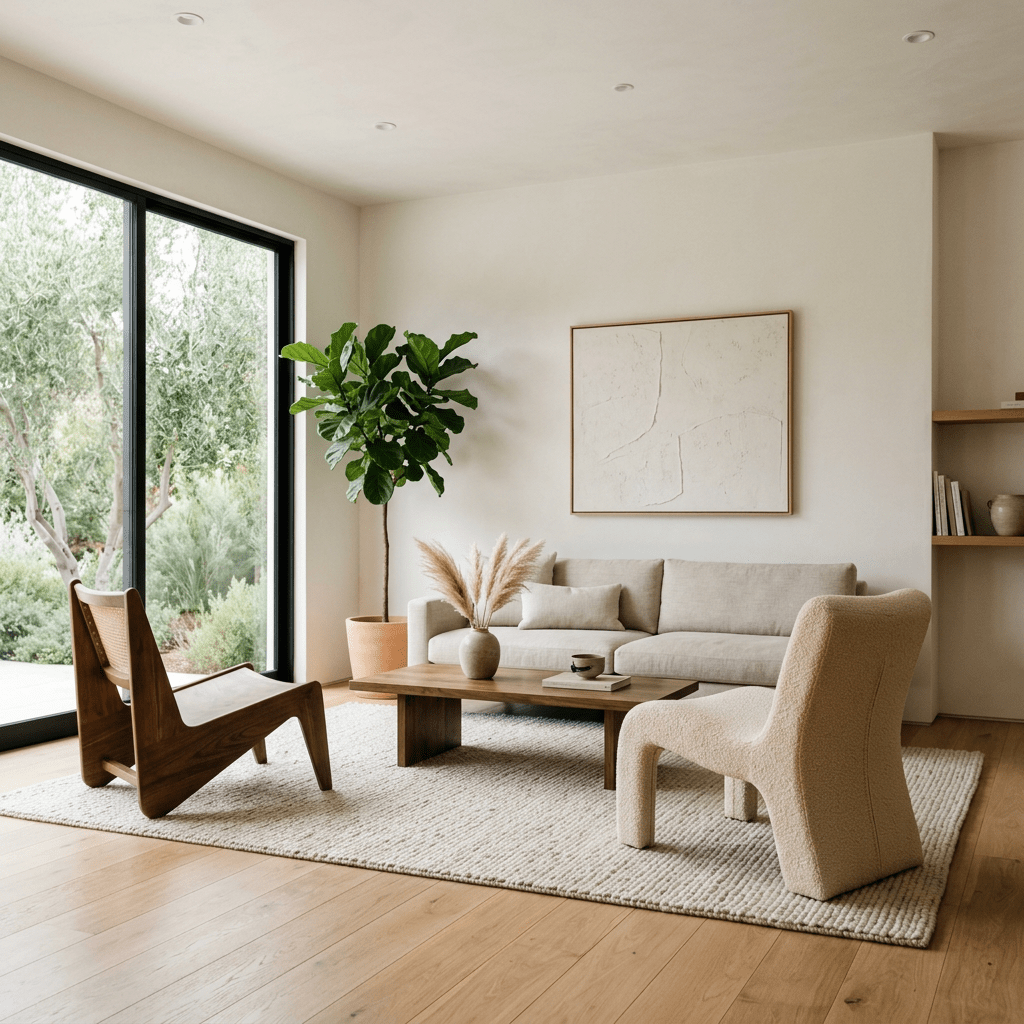
The curved sofa has become the star of modern living rooms. Its gentle shape naturally creates conversation areas while adding a luxurious designer look. Whether upholstered in boucle, velvet, or linen, curved sofas instantly become the focal point of the room.
Barrel Chairs
These rounded accent chairs wrap around your body, making them both stylish and comfortable. They work beautifully in living rooms, bedrooms, reading nooks, and home offices.
Round Coffee Tables
Replacing a rectangular coffee table with a round one instantly softens the room. They’re also more family-friendly because there are no sharp corners.
Oval Dining Tables
Oval dining tables have become increasingly popular because they provide the seating capacity of rectangular tables while feeling more elegant and improving movement around the room.
Arched Cabinets and Bookcases
Furniture isn’t the only place curves are appearing. Arched bookshelves, display cabinets, mirrors, and headboards continue to grow in popularity because they introduce architectural interest without overwhelming a room.
Will Curved Furniture Go Out of Style?
This is probably the biggest question homeowners ask before making a large furniture purchase. The short answer?
Some versions of the trend will fade—but curves themselves probably won’t.
Every design trend evolves. The ultra-curvy, sculptural furniture that’s dominating social media today may eventually become less common. However, softly rounded furniture has appeared repeatedly throughout history for hundreds of years.
That suggests curves aren’t simply a trend—they’re a recurring design language. Think of them like natural wood furniture. Wood finishes change. Styles change. But wood itself never really disappears. Curves are similar.
How to Keep Curved Furniture Timeless
If you’re investing in expensive furniture, choose designs that balance trendiness with classic proportions.
Instead of selecting exaggerated sculptural pieces that may feel dated in a few years, look for furniture with gentle curves and clean lines. Neutral fabrics such as cream, beige, soft gray, olive, navy, or warm taupe also help curved furniture remain stylish for much longer. Quality materials—including solid wood, performance fabrics, and durable upholstery—will outlast short-lived design fads.
How to Style Curved Furniture
One of the biggest mistakes people make is filling an entire room with rounded furniture.
Balance is key. A room becomes more visually interesting when curved furniture is paired with straight lines.
For example:
- Pair a curved sofa with a rectangular area rug.
- Use an oval coffee table with a square sectional.
- Add an arched mirror above a straight console table.
- Combine rounded accent chairs with clean-lined shelving.
- Layer soft textiles like boucle, linen, and velvet to enhance the cozy feel.
The contrast creates balance and keeps the room from looking overly themed.
Is Curved Furniture Worth the Investment?
For many homeowners, the answer is yes. Curved furniture isn’t just about following a trend—it changes how a room feels. It softens modern interiors, improves traffic flow, and creates spaces that encourage conversation and relaxation.
If you’re furnishing your forever home, choose timeless curved pieces in neutral colors that can evolve alongside changing décor styles. If you simply want to experiment with the trend, start small. A round coffee table, curved accent chair, or arched mirror can give your home the look without requiring a complete redesign.
Final Thoughts
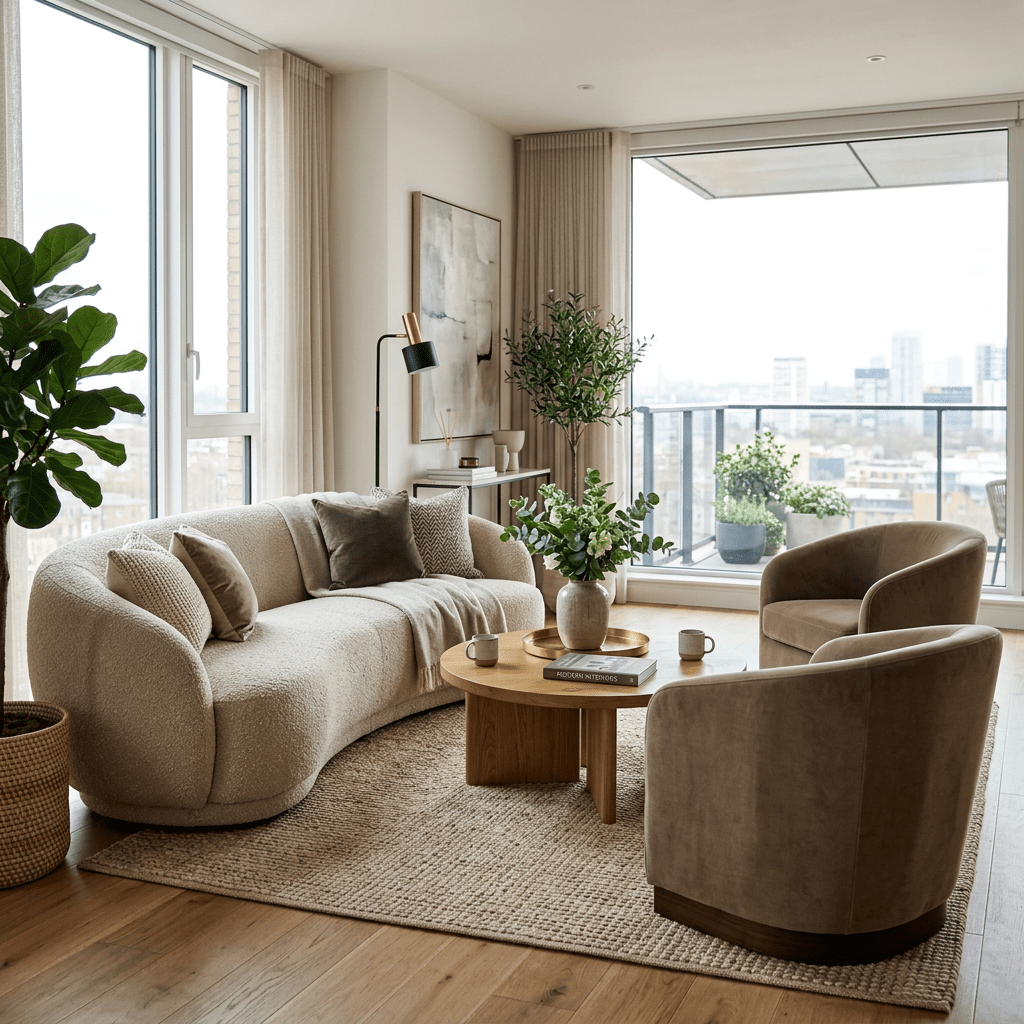
Curved furniture may be one of this year’s hottest trends, but its roots stretch back centuries. Like many enduring design ideas, it periodically returns in fresh ways that reflect the lifestyles and values of the moment. Today’s embrace of rounded silhouettes speaks to a broader desire for homes that feel comfortable, calming, and effortlessly inviting.
While dramatic statement pieces may eventually give way to new styles, thoughtfully designed curved furniture is unlikely to disappear. Instead, it’s becoming part of a larger movement toward softer, more organic interiors that prioritize both beauty and livability.
If you’re considering adding curves to your home, don’t think of them as chasing a trend. Think of them as investing in a design element that has stood the test of time—and continues to evolve with every generation.
 Discoveringlifellc
Leave a comment