
Not every home comes with the luxury of a dedicated dining room. If you’re living in a smaller space or an open-concept layout, finding a spot to enjoy meals can feel tricky. But with a little creativity and strategic design, you can carve out a beautiful, functional dining area that fits seamlessly into your home. Here’s how to make it happen:

1. Utilize a Kitchen Nook
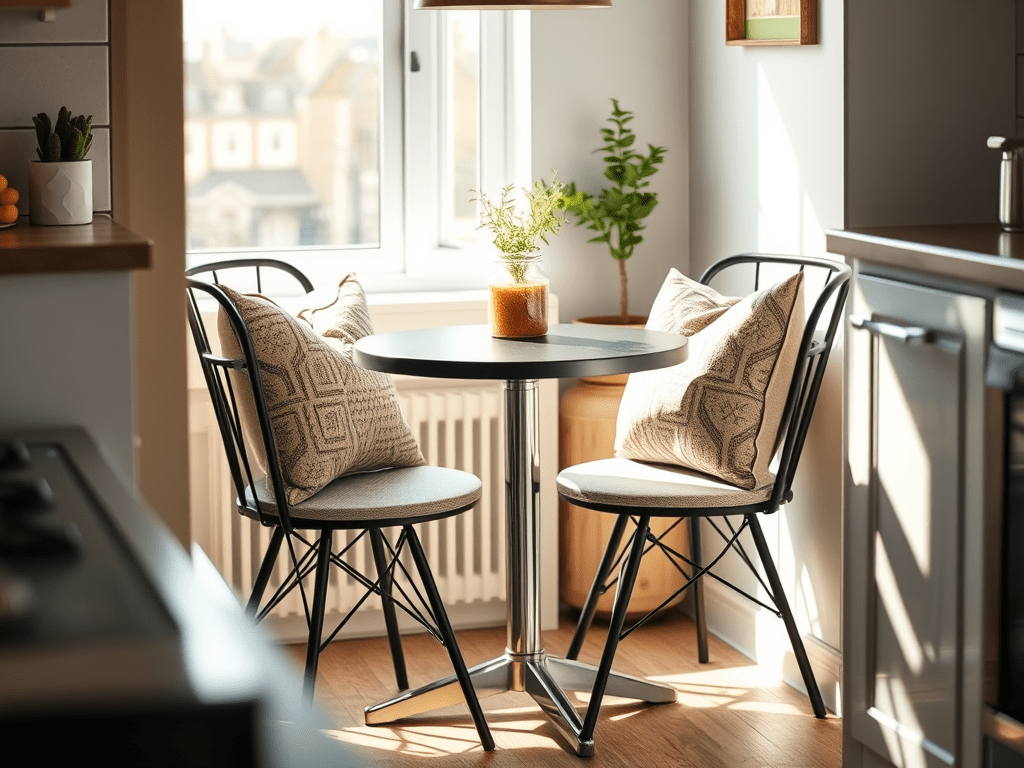
Look around your kitchen. Is there an empty corner or a small nook? Even the tiniest space can become a cozy dining spot. Consider a small bistro table and chairs, or a corner bench with a rectangular table. Adding cushions and decor will help define the area and make it inviting.
2. Multifunctional Furniture
Invest in a drop-leaf table or an extendable dining table that can double as extra counter space or a work area when not in use. Foldable chairs can be tucked away to save space and brought out when it’s time for a meal.
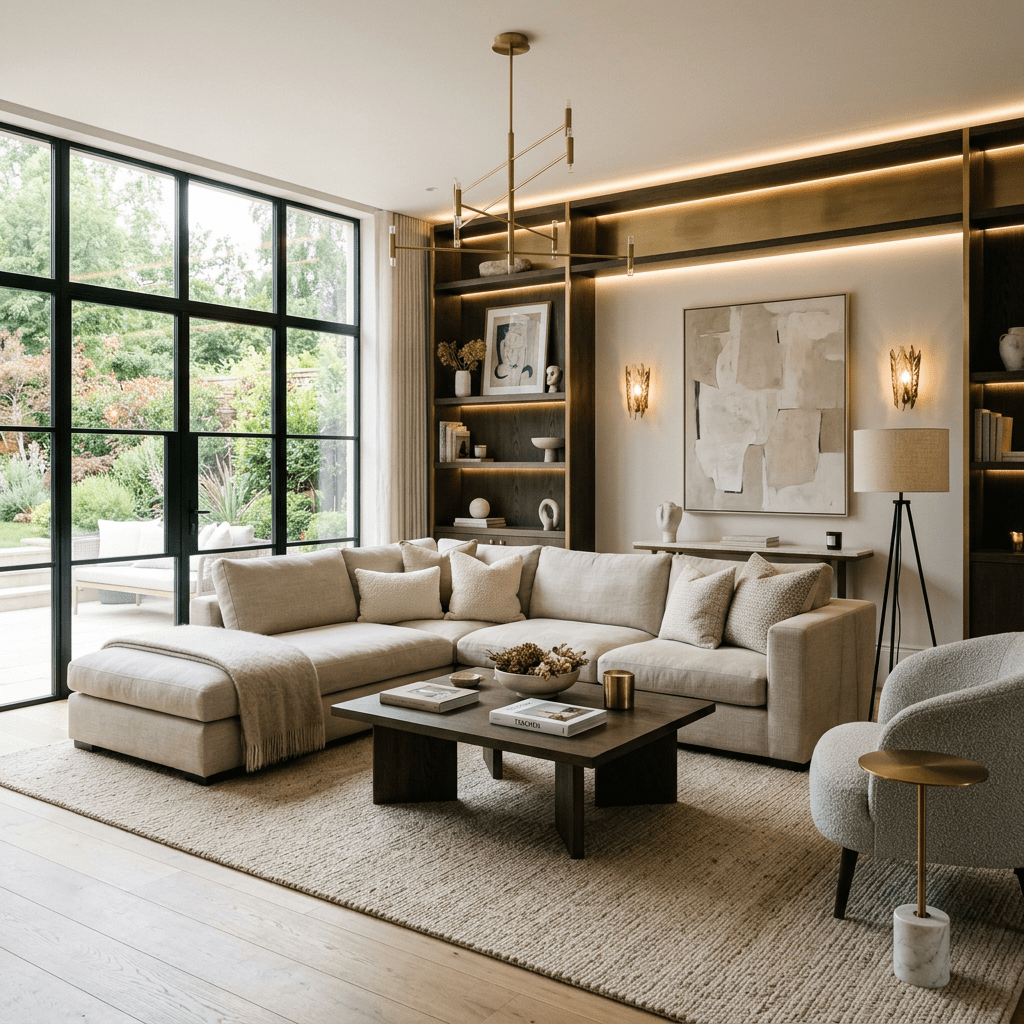
3. Maximize Your Living Room
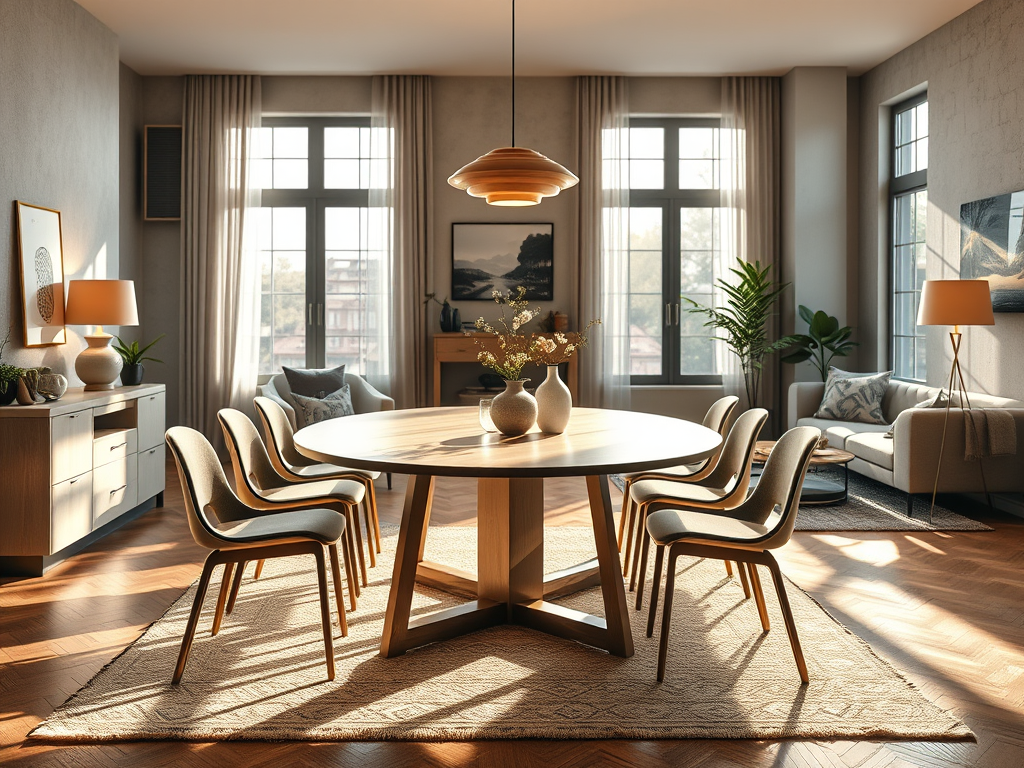
If your living room is spacious enough, designate one corner for dining. A round table can soften the area, and a rug underneath will anchor the space, making it feel intentional rather than accidental. Use a pendant light or a floor lamp above the table to add further definition.
4. Breakfast Bar or Island Seating
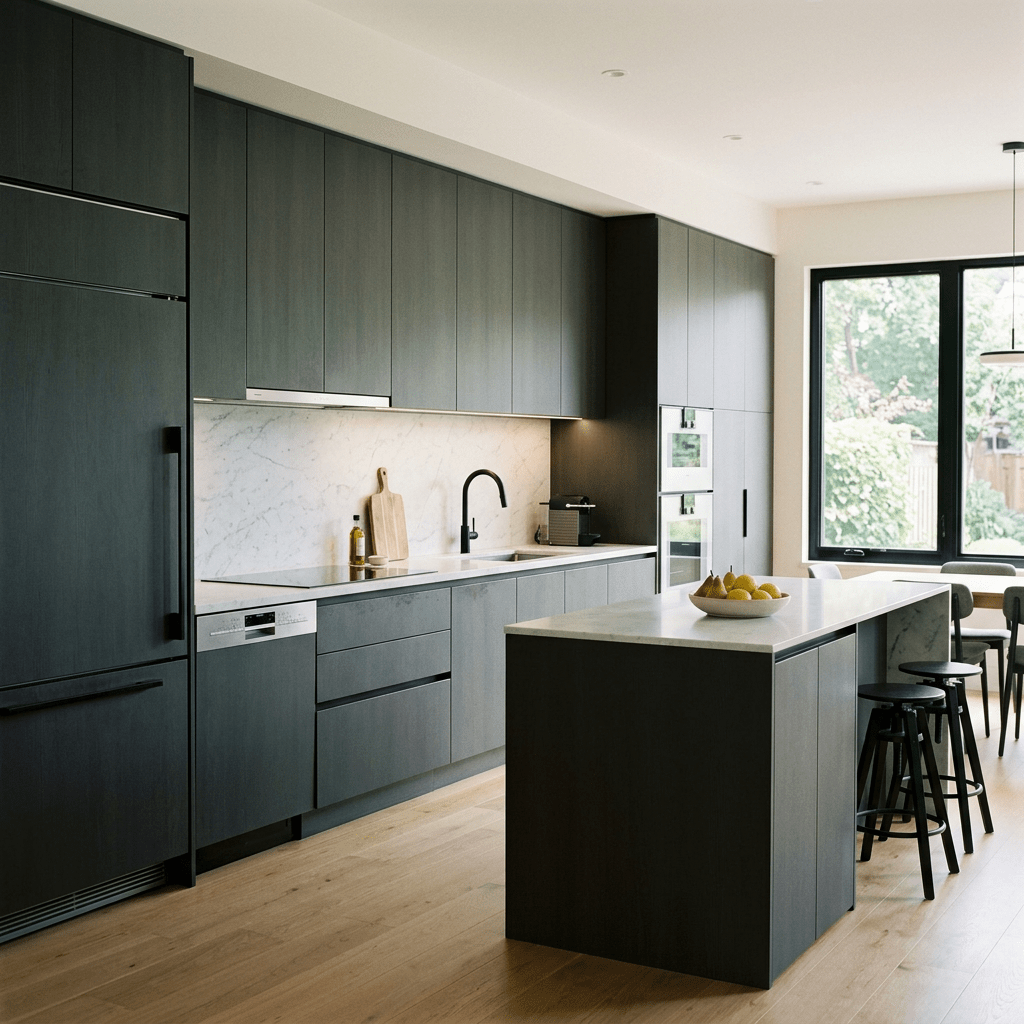
If you have a kitchen island or counter, add bar stools to create a casual dining area. This option works well for quick meals or small gatherings. Choose stools that complement your kitchen design to create a cohesive look.
5. Transform a Wall or Alcove
A wall-mounted drop-leaf table can be folded down when needed and stored flat when not in use. Alternatively, turn a built-in alcove or unused wall space into a dining zone by adding a small table and a bench. Shelving above can serve as storage for dishes or decor.
6. Use Room Dividers
Create a subtle separation between your dining area and other parts of your home using a stylish room divider, bookshelf, or curtain. This can give the illusion of a designated dining space without requiring extra square footage.
7. Balcony or Outdoor Dining
If you have a balcony or patio, take advantage of the outdoor space. A small outdoor dining set can be a charming solution for meals, especially during warmer months. String lights or potted plants can enhance the ambiance.
8. Blend with Existing Furniture
Incorporate your dining area into your existing furniture layout. A coffee table that raises into a dining table or a console table that expands can serve multiple functions while saving space.
9. Floating Shelves and Compact Storage
Utilize vertical space by installing floating shelves for plates, glasses, and other dining essentials. This keeps your dining area functional and organized without taking up valuable floor space.
Final Thoughts
Creating a dining space without a dedicated dining room requires a blend of functionality and design. By repurposing existing spaces, investing in versatile furniture, and using creative layouts, you can enjoy meals comfortably and stylishly, no matter the size of your home.
 Discoveringlifellc
Leave a comment