
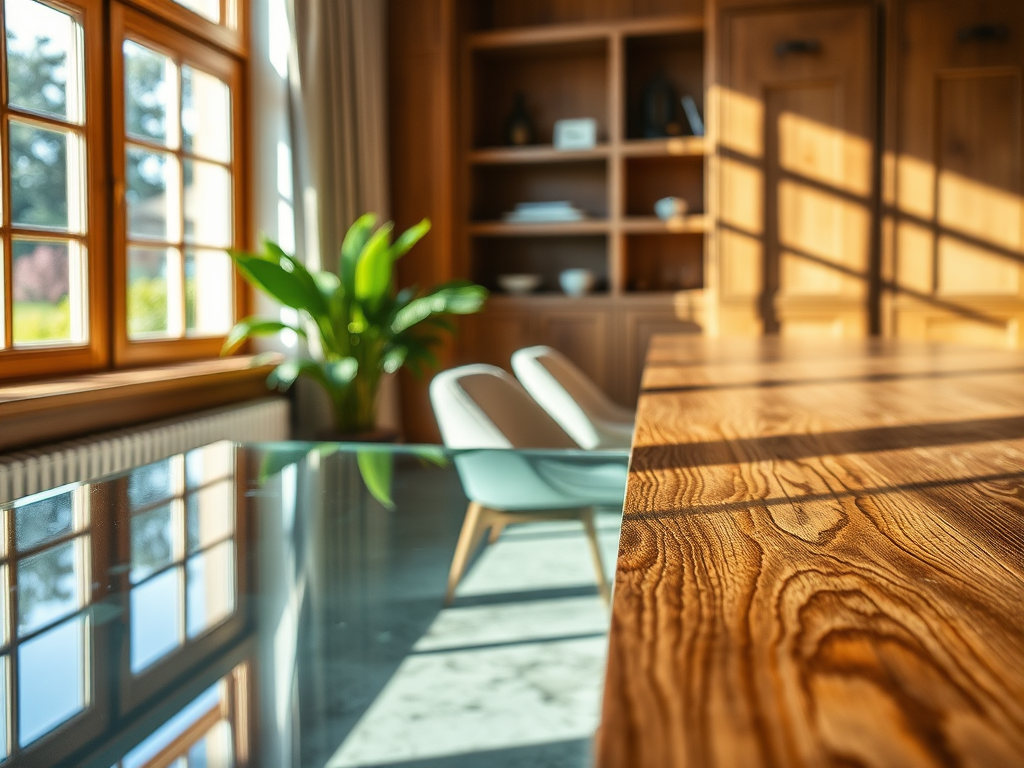
When choosing furniture, particularly tables, one of the biggest decisions is selecting the right material. Glass and wood are two of the most popular options, each offering unique benefits and drawbacks. The choice ultimately depends on your lifestyle, design preferences, and how you use your space. Let’s explore the key factors to consider when choosing between glass and wood tables for your home.
Aesthetic Appeal
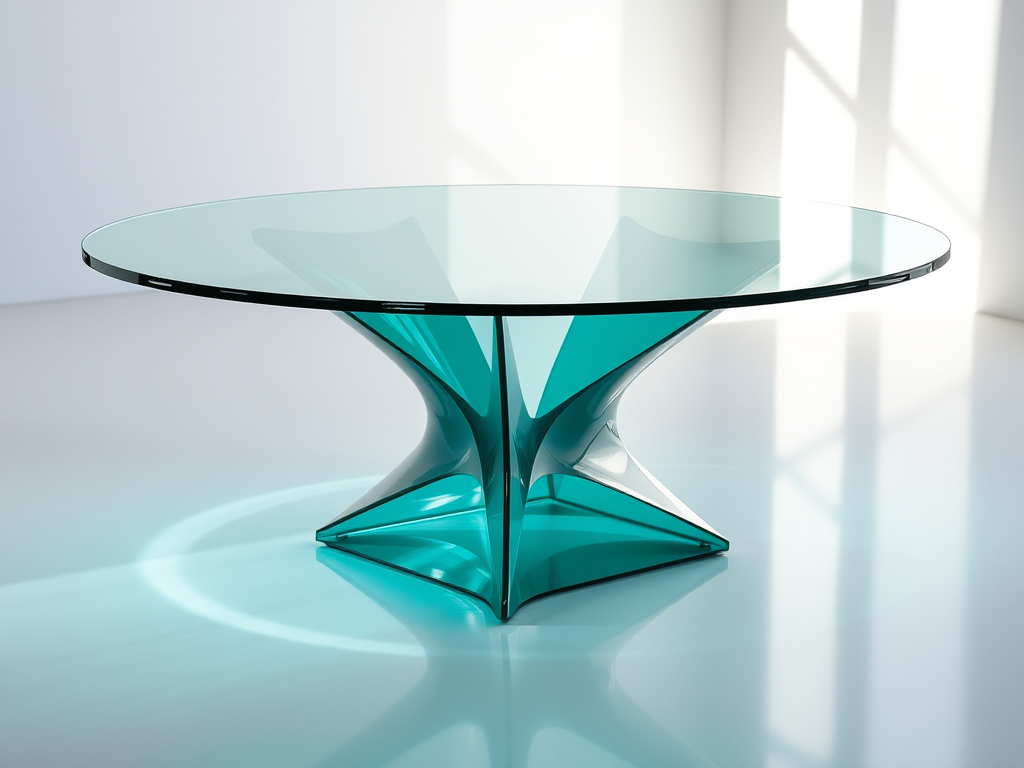
Glass Tables: If you love a modern, sleek, and airy look, glass tables are an excellent choice. They create an illusion of more space, making them ideal for smaller rooms. Glass tabletops also pair well with various materials like metal or wood bases, offering versatility in design.
Wood Tables: For a warm, classic, and timeless look, wood tables stand out. They bring a natural and cozy feel to any room, making them perfect for traditional, rustic, or farmhouse-style interiors. The variety of wood finishes and stains allows for customization to match your existing decor.
Durability and Maintenance
Glass Tables: Glass is prone to scratches, smudges, and fingerprints, requiring frequent cleaning. However, tempered glass is highly durable and resistant to shattering. A glass table can be a long-lasting option with proper care, but it may not be the best choice for homes with small children or pets due to its fragility.
Wood Tables: Wood is generally more durable and can withstand daily wear and tear better than glass. Solid wood tables can last for generations, but they require maintenance, such as polishing or refinishing, to maintain their beauty. Water rings, scratches, and dents can occur, but they often add character to the piece over time.
Functionality and Versatility
Glass Tables: Glass is lightweight and blends seamlessly with any decor style. It works well in dining rooms, coffee tables, and office desks. However, its transparent nature means it does not conceal clutter, which may be a drawback for those who prefer a cleaner, more concealed look.
Wood Tables: Wooden tables offer a solid and grounded presence, making them ideal for dining tables, desks, and console tables. They often include storage features like drawers or lower shelves, adding to their functionality. Unlike glass, wood surfaces conceal minor imperfections and daily messes better.
Cost Considerations
Glass Tables: Generally, glass tables are available at a wide range of price points. High-quality tempered glass with designer bases can be expensive, but more affordable options exist for budget-conscious buyers.
Wood Tables: The price of wood tables varies significantly depending on the type of wood used. Solid hardwood tables tend to be more expensive, while engineered wood or veneer options provide a budget-friendly alternative.
Which One is Best for Your Home?
- Choose glass if you want a contemporary, light, and airy look, have a smaller space, or prefer a material that won’t visually clutter the room.
- Choose wood if you prefer warmth and a timeless appeal, need durability for a high-traffic area, or want a surface that requires less frequent cleaning.

Final Verdict
There’s no one-size-fits-all answer when it comes to choosing between glass and wood tables. Consider your lifestyle, design aesthetic, and maintenance preferences before making a decision. Whether you opt for the sleek elegance of glass or the sturdy charm of wood, selecting the right material will ensure your table complements your home for years to come.
 Discoveringlifellc
Leave a comment