
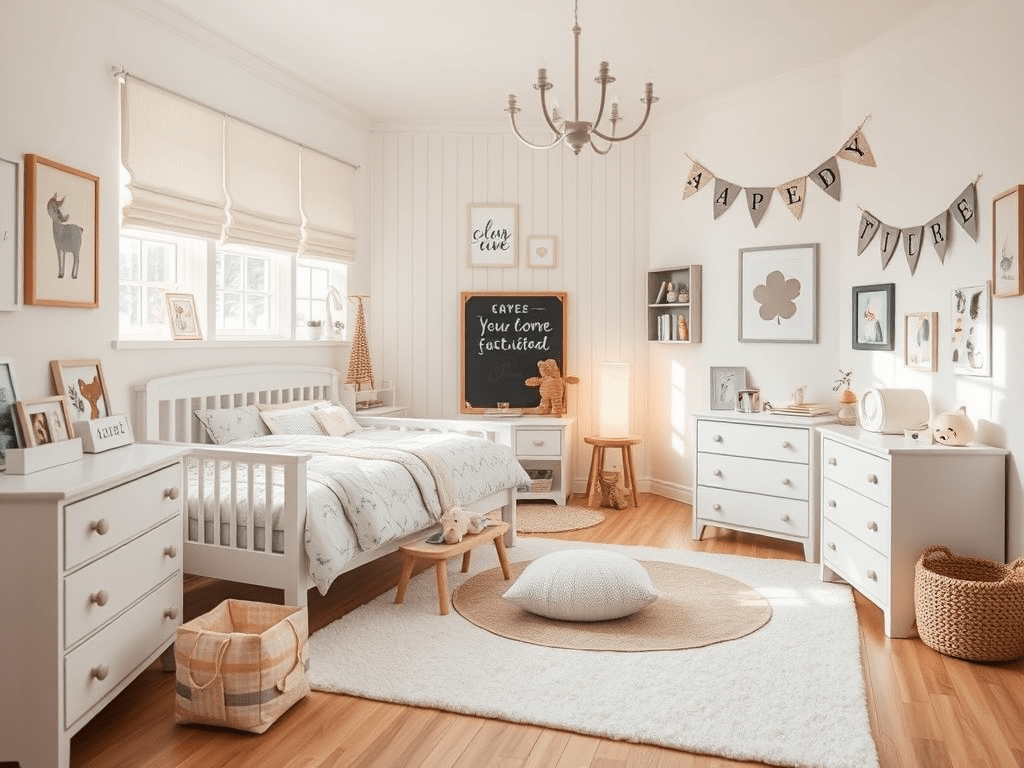
Decorating a child’s room can be a fun yet challenging task, especially when they haven’t yet developed a strong preference for a particular style. Unlike older kids who have clear interests and favorite colors, younger children may not express specific design choices, leaving parents to make the best decision for them. If you’re struggling to find the right direction, here are some helpful tips to create a space that grows with your child while still feeling personal and inviting.
1. Start with a Neutral Base
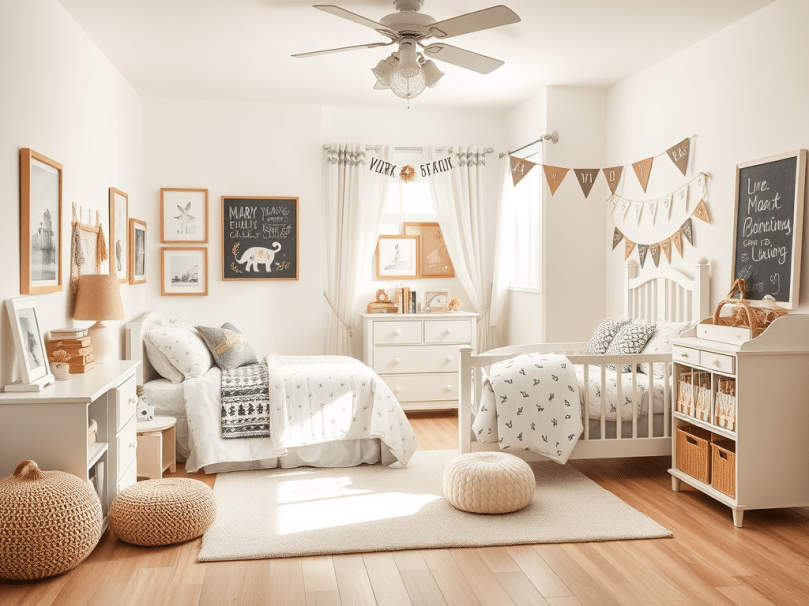
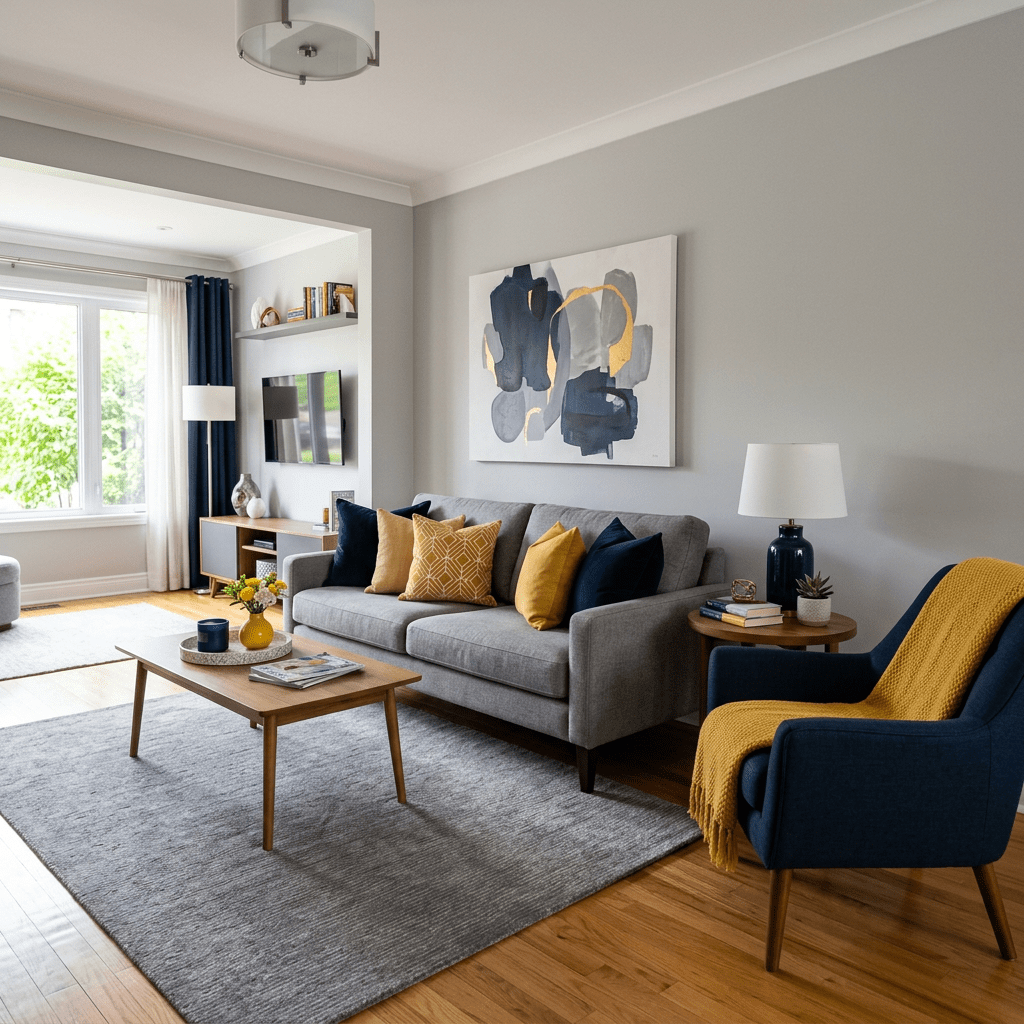
One of the best ways to create a room that will evolve with your child is to start with a neutral foundation. Soft whites, warm grays, or gentle pastels can serve as a blank canvas, making it easier to update the decor as your child’s preferences emerge. Neutral walls also allow furniture, bedding, and decor to stand out without overwhelming the space.
2. Incorporate Timeless Themes
Instead of focusing on trendy or highly specific themes that your child may outgrow quickly, consider timeless design elements. Themes like nature, adventure, outer space, or animals offer flexibility and can be subtly incorporated through bedding, artwork, and accessories.
3. Choose Versatile Furniture
Investing in adaptable furniture is key when decorating for a child who hasn’t yet developed their own style. Opt for classic pieces that can be used for years, such as a convertible crib-to-bed, a sturdy dresser, or a desk that can transition from toddlerhood to school age. Multi-functional furniture, like a storage bench or bookshelves with adjustable height, also adds value as their needs change.
4. Add Personal Touches
Even if your child hasn’t shown a strong design preference, you can incorporate elements that make the room feel special. Personalized wall art, name banners, or framed family photos can add warmth and character to the space. Soft toys, favorite books, and cozy blankets also make the room feel comforting and familiar.
5. Use Playful and Interactive Decor
Children’s rooms should be fun and engaging. Consider incorporating interactive elements such as a chalkboard wall, a reading nook, or a small play tent. These features not only add a touch of whimsy but also encourage creativity and exploration.
6. Keep Color and Pattern Flexible
While a neutral base is ideal, you can add pops of color and playful patterns through easily changeable elements like bedding, curtains, rugs, and wall decals. This allows you to refresh the space without a major overhaul as your child’s interests develop.
7. Make Storage a Priority
Children accumulate a lot of toys, clothes, and accessories over time. Designing a space with ample storage solutions, such as labeled bins, floating shelves, and under-bed drawers, helps keep the room organized and functional. Consider storage options that are easy for kids to use so they can learn to tidy up independently.
8. Leave Room for Growth
Your child’s room should have the flexibility to adapt to their changing needs and tastes. Avoid committing to overly specific decor that may need to be replaced in a few years. Instead, opt for adaptable design choices, like peel-and-stick wallpaper or removable wall decals, so updates can be made without a complete redesign.
Final Thoughts
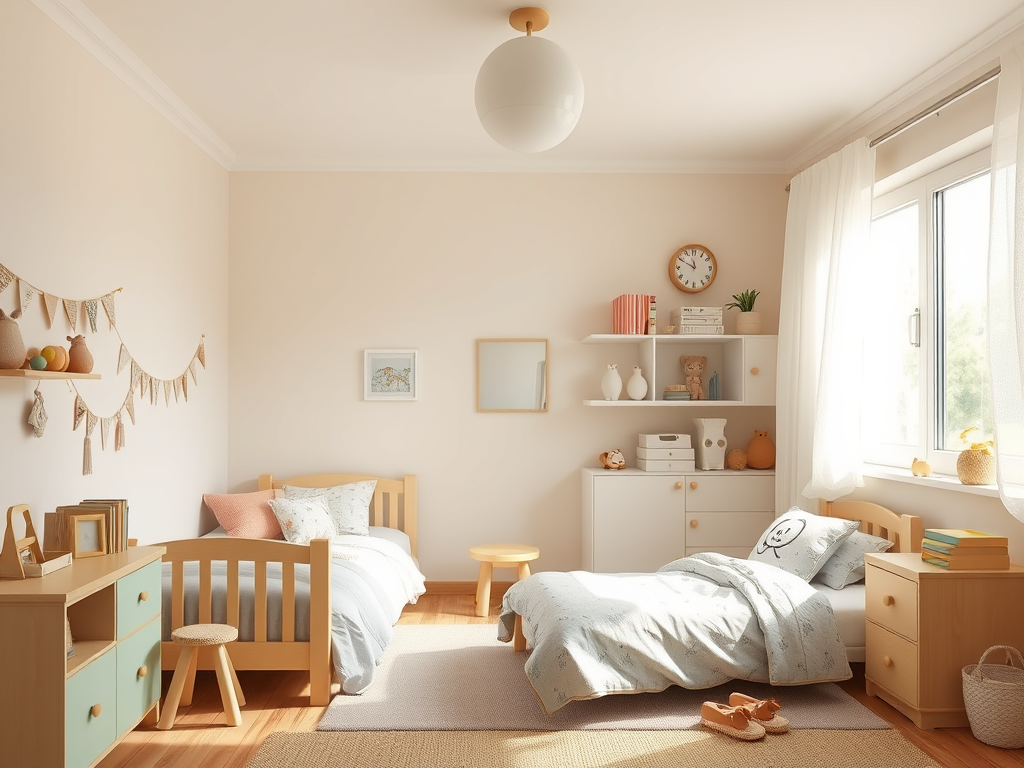
Decorating a child’s room without a defined style might seem like a challenge, but it’s actually an opportunity to create a timeless, adaptable, and comfortable space. By focusing on a neutral base, timeless elements, and versatile decor, you can design a room that grows with your child while allowing them to develop their own personal style over time. Most importantly, keep the space fun, functional, and filled with love!
 Discoveringlifellc
Leave a comment