
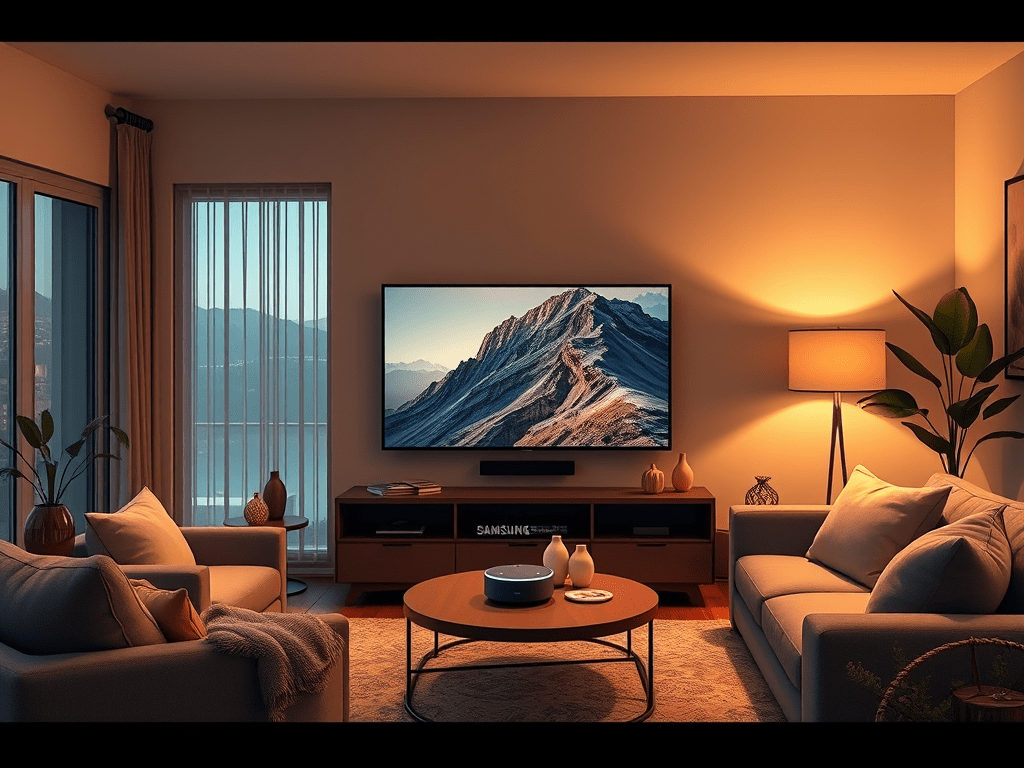
In the age of technology, smart devices have seamlessly woven themselves into the fabric of our daily lives. From voice-activated assistants to smart thermostats and security systems, these devices offer convenience, efficiency, and enhanced home management. But as technology advances, a question arises: Are smart devices taking over our homes? And if so, is it possible to strike a balance where technology serves us without overwhelming our living spaces?
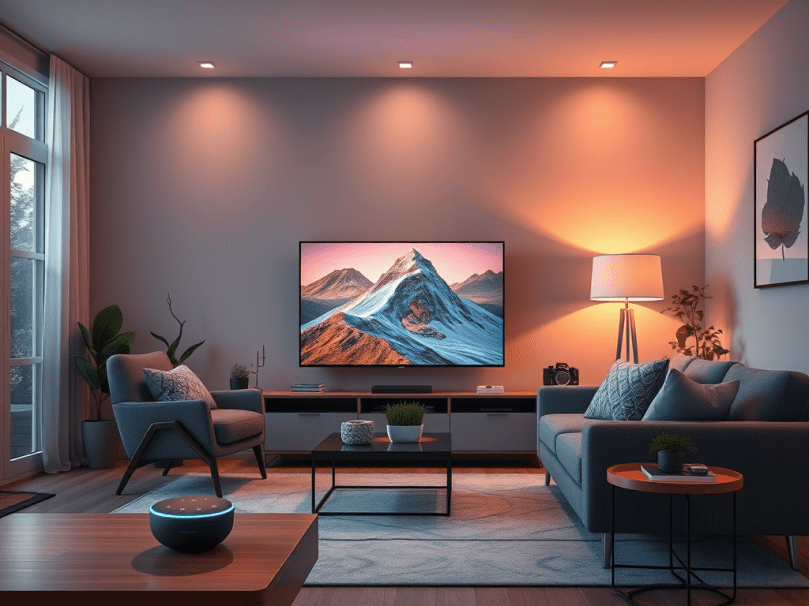
Are Smart Devices Taking Over Our Homes?
In the age of technology, smart devices have seamlessly woven themselves into the fabric of our daily lives. From voice-activated assistants to smart thermostats and security systems, these devices offer convenience, efficiency, and enhanced home management. But as technology advances, a question arises: Are smart devices taking over our homes? And if so, is it possible to strike a balance where technology serves us without overwhelming our living spaces?
Living With Smart Devices: Finding Balance
The key to living with smart devices without feeling overpowered is moderation and thoughtful integration. Smart technology should enhance your lifestyle, not dominate it. Here are some ways to maintain harmony between technology and home aesthetics:
1. Choose Devices That Complement Your Decor
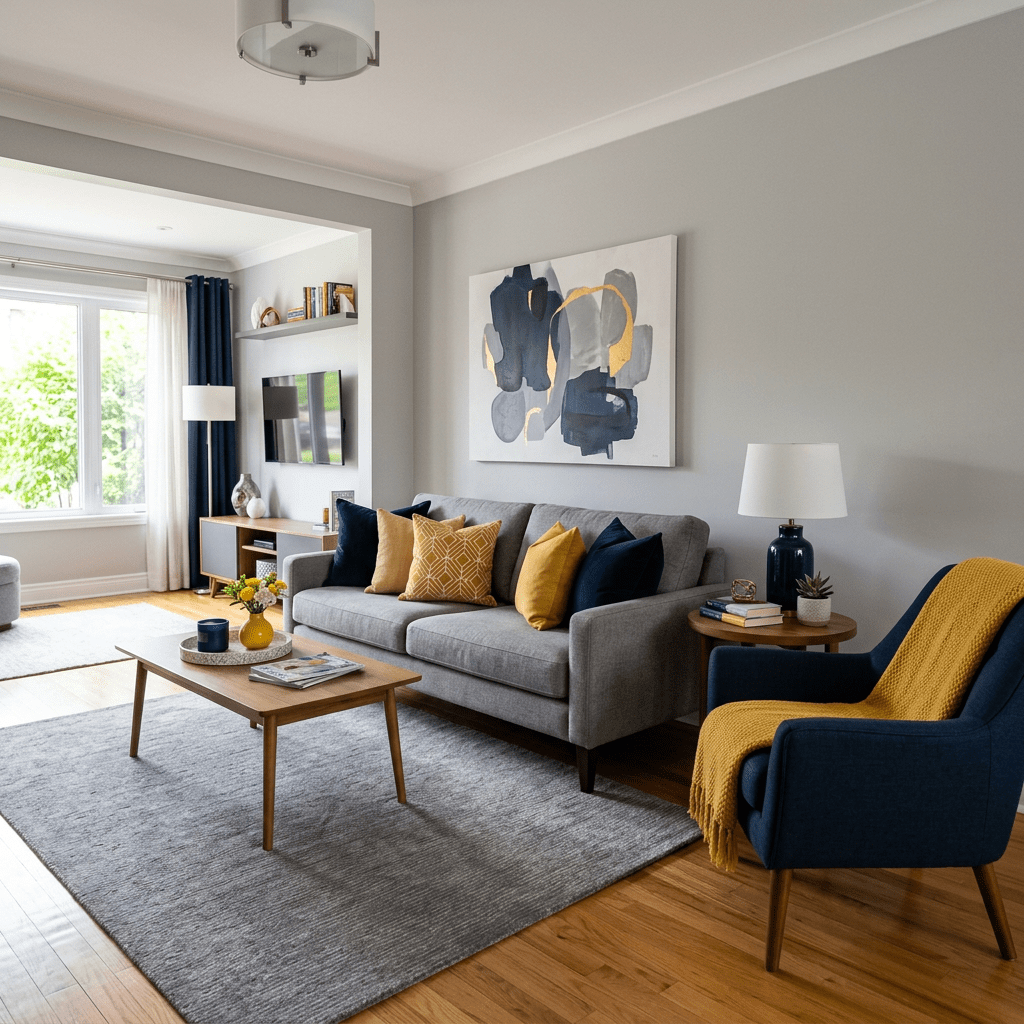
Many smart devices are designed with sleek, minimalist aesthetics that blend well with various decor styles. When selecting devices, consider colors and designs that complement your home’s aesthetic. For example, the Amazon Echo Dot (5th Gen) with its fabric cover seamlessly integrates into modern, minimalist living rooms. A Google Nest Thermostat offers a slim, stylish design that suits contemporary spaces. Additionally, smart lighting solutions like Philips Hue Lightstrips can be hidden behind furniture or shelves to create ambient lighting without visible hardware.
2. Limit the Number of Visible Devices
To prevent technology from becoming the focal point of your home, be selective about which devices are on display. Tuck away routers, hubs, and charging stations in discreet locations such as behind furniture or inside cabinets. For example, the eero Mesh Wi-Fi System can be placed in corners or behind plants without compromising performance. Mount security cameras like the Arlo Essential Spotlight Camera in less noticeable areas while maintaining coverage.
3. Opt for Multifunctional Devices
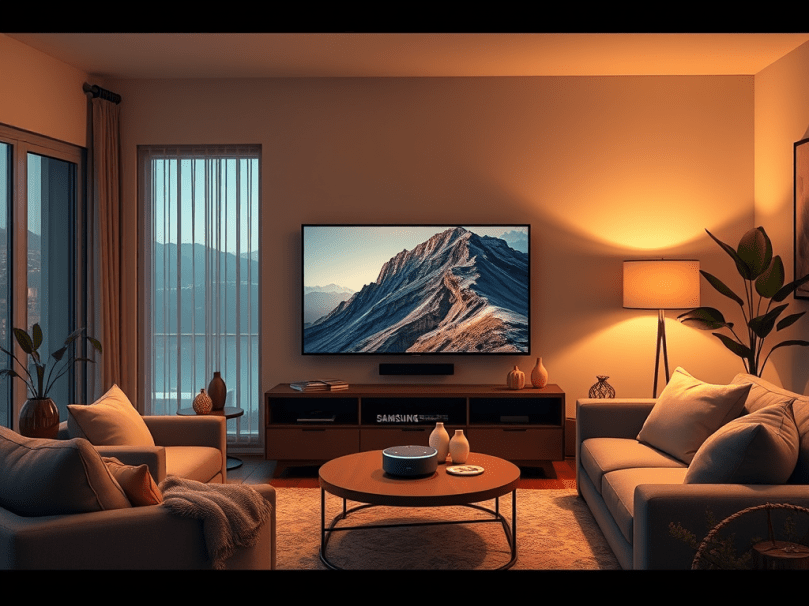
Choosing devices that serve multiple purposes can reduce the number of gadgets in your home. For example, the Samsung Frame TV doubles as a digital photo frame when not in use, blending into your wall decor. A Sonos One speaker provides excellent sound quality while also functioning as a voice assistant. This minimizes clutter while maximizing functionality.
4. Customize Notifications and Alerts
Constant notifications and flashing lights can disrupt the ambiance of your home. Take advantage of customization options to minimize visual and auditory disruptions. For example, the Ring Video Doorbell allows you to adjust motion detection settings to reduce unnecessary alerts, while smart lighting systems can be programmed to dim automatically during evening hours.
5. Maintain Control Over Connectivity
One common concern with smart devices is the feeling of being constantly connected. To avoid this, establish tech-free zones or times within your home. For example, keep bedrooms free from smart devices like voice assistants or use smart plugs to schedule device downtime. Setting “unplugged” hours during family time ensures that technology enhances your life without interfering with personal interactions and relaxation.
6. Prioritize Privacy and Security
Maintaining control over smart devices also involves safeguarding your privacy. Regularly update device settings to enhance security, use strong passwords, and be mindful of data-sharing permissions. The Apple HomePod Mini is known for its strong privacy features, making it a secure choice for voice assistance. Ensuring that your devices respect your privacy helps maintain peace of mind and prevents technology from feeling intrusive.
Conclusion
Smart devices are here to stay, offering countless benefits that can simplify and enrich our lives. The key is to integrate them thoughtfully, ensuring they support your lifestyle without overpowering your home. By choosing aesthetically pleasing devices like the Samsung Frame TV or Amazon Echo Dot, limiting visible technology, and setting boundaries for connectivity, you can create a harmonious living environment where technology enhances rather than dominates your space. Ultimately, the goal is to let smart devices work for you, not take over your home.
 Discoveringlifellc
Leave a comment