
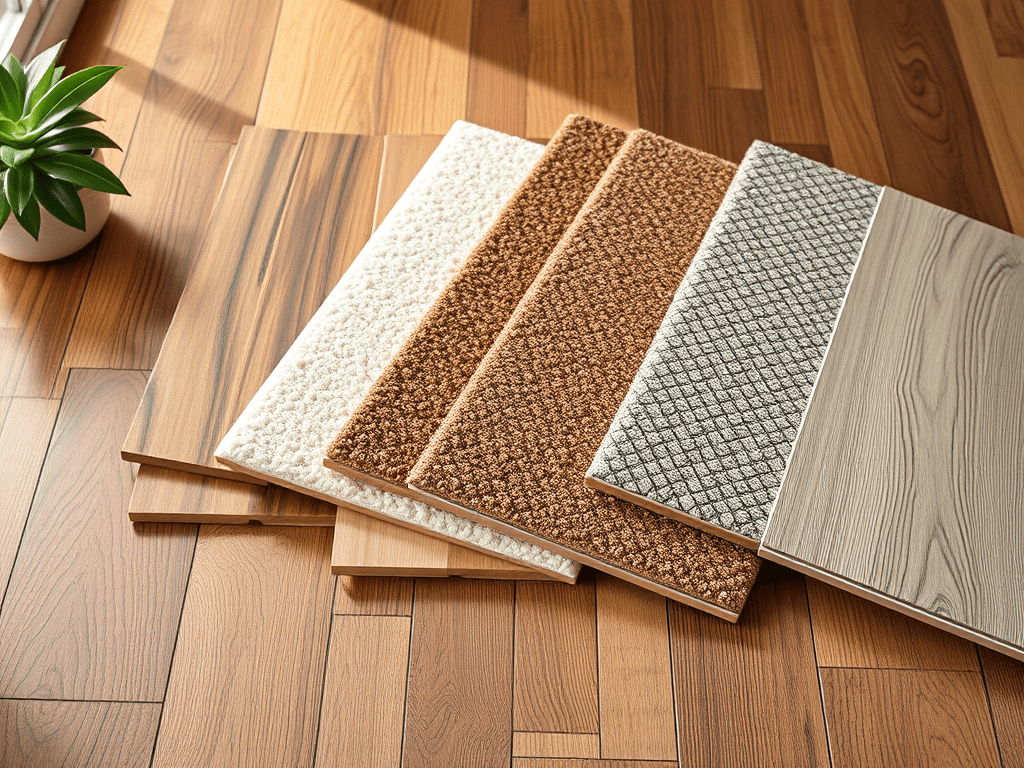
Choosing the right flooring for your home is an important decision that affects both aesthetics and functionality. With so many options available, including hardwood, vinyl, carpet, tile, and laminate, it can be overwhelming to determine which is best suited for your space. Let’s explore the pros and cons of each flooring type to help you make an informed choice.

1. Hardwood Flooring
Pros:
- Timeless and elegant appearance
- Increases home value
- Durable and long-lasting with proper care
- Can be refinished multiple times
Cons:
- Expensive upfront cost
- Susceptible to water damage
- Requires regular maintenance, including refinishing over time
- Can be noisy and hard underfoot
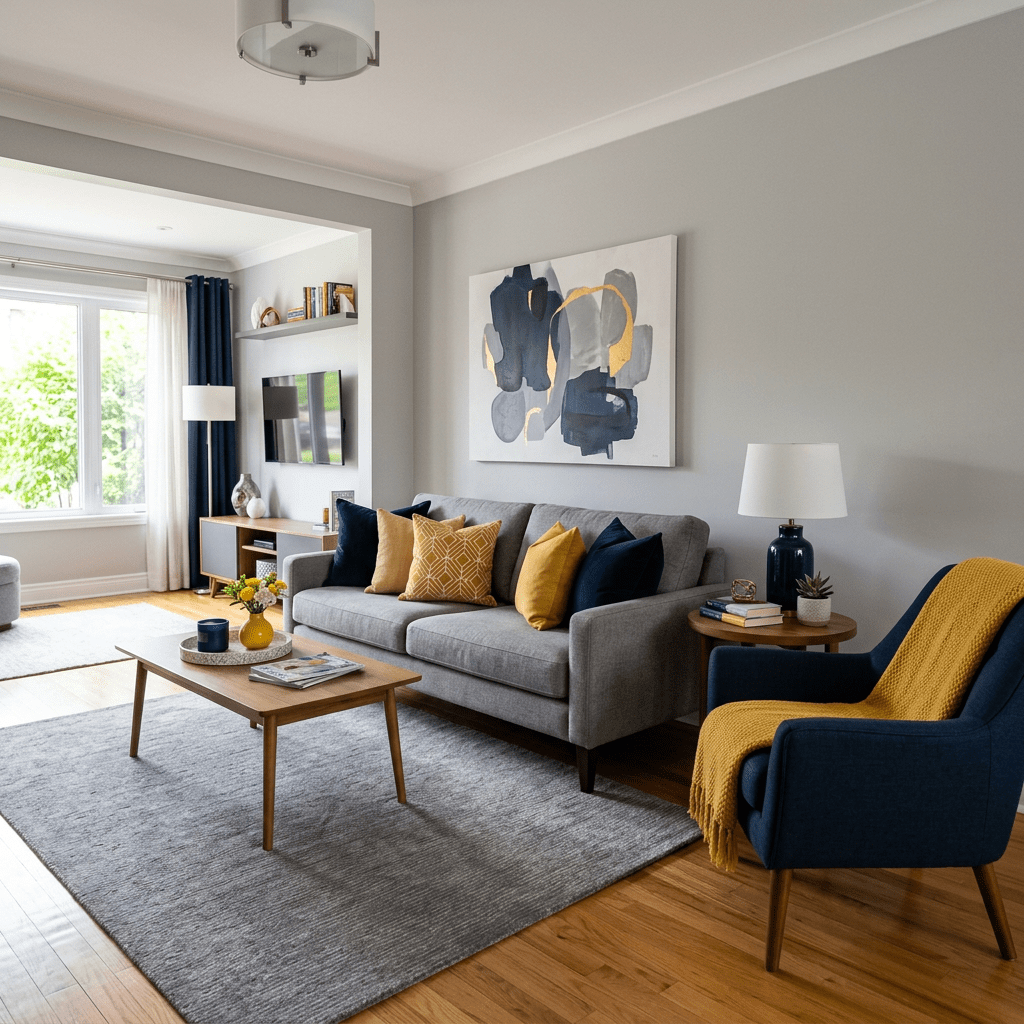
Best for: Living rooms, dining rooms, and bedrooms where warmth and aesthetics are a priority.
2. Vinyl Flooring
Pros:
- Affordable and cost-effective
- Water-resistant and ideal for moisture-prone areas
- Easy to clean and maintain
- Available in a wide range of styles, including wood and stone look-alikes
Cons:
- May not add significant value to a home
- Can fade over time with prolonged exposure to sunlight
- Less durable than hardwood and tile
Best for: Kitchens, bathrooms, basements, and high-traffic areas.
3. Carpet Flooring
Pros:
- Soft, warm, and comfortable underfoot
- Provides excellent sound insulation
- Affordable and available in various styles and colors
- Ideal for children’s rooms and bedrooms for added coziness
Cons:
- Prone to stains and difficult to clean
- Can trap allergens, dust, and pet dander
- May wear out faster in high-traffic areas
- Requires frequent vacuuming and deep cleaning
Best for: Bedrooms, family rooms, and areas where comfort is a priority.
4. Tile Flooring (Ceramic or Porcelain)
Pros:
- Highly durable and long-lasting
- Water-resistant, making it ideal for bathrooms and kitchens
- Available in a wide variety of designs and colors
- Easy to clean and maintain
Cons:
- Can feel cold and hard underfoot
- Expensive installation cost
- Grout lines may require regular maintenance
Best for: Bathrooms, kitchens, entryways, and areas prone to moisture.
5. Laminate Flooring
Pros:
- Affordable alternative to hardwood
- Scratch-resistant and durable
- Easy to install with a click-and-lock system
- Low maintenance and easy to clean
Cons:
- Cannot be refinished if damaged
- Susceptible to water damage
- Can feel less authentic than real wood or tile
Best for: Living rooms, hallways, and budget-conscious homeowners seeking a wood-like appearance.

Which Flooring Type Is Best for You?
The best flooring for your home depends on several factors, including budget, lifestyle, and the specific room’s function. If you want timeless elegance, hardwood is a great investment. For moisture-prone areas, tile or vinyl is a practical choice. If comfort is your priority, carpet is a cozy option. For affordability and durability, laminate can be a great alternative.
Ultimately, the best flooring for your home is one that meets your needs while complementing your overall decor. Consider how each type of flooring fits your lifestyle, and choose the one that best suits your home’s functionality and style.
 Discoveringlifellc
Leave a comment