
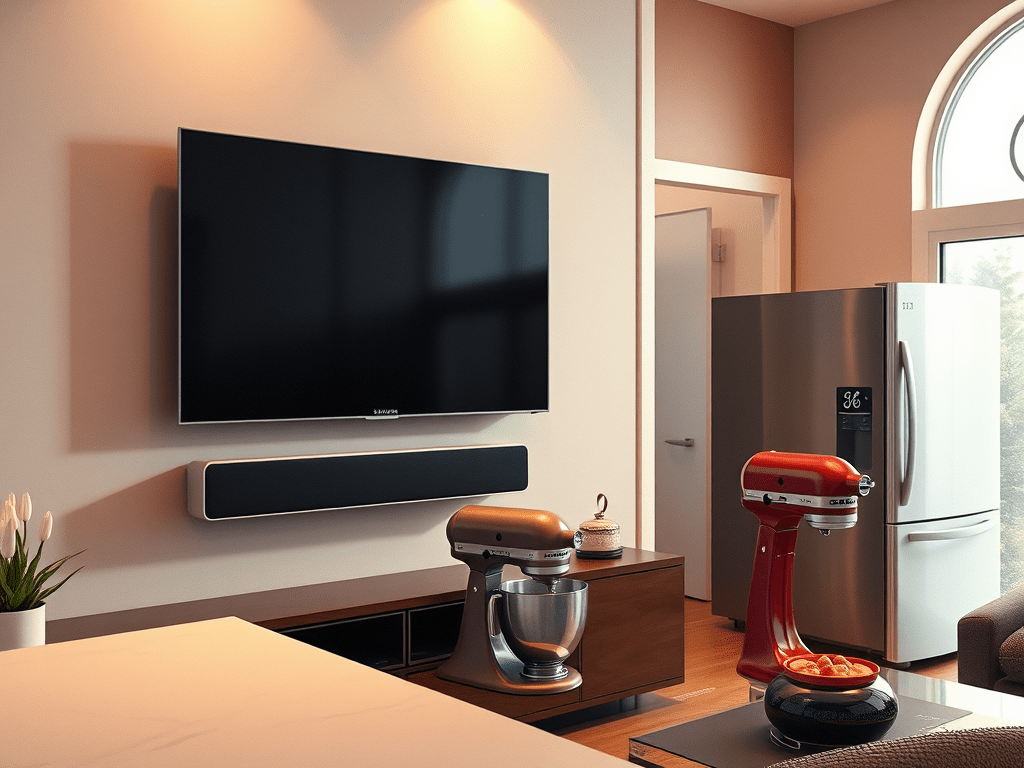
When it comes to filling your home with the best electronics, the choices can feel endless—and overwhelming. TVs, sound systems, kitchen appliances, smart home hubs, tablets, and more—it’s a lot to consider. One of the most common questions people ask when setting up their space is: “Should I stick to one brand for all my home electronics?”

If you’re a die-hard Samsung fan, for example, you might love their TVs, smartphones, or smart fridges. But maybe you’ve found that another brand—say, LG or Sony—does a better job with audio or smart home devices. So, is it okay to mix brands? Let’s explore that.
Mixing Electronics Brands: Yes, It’s Totally Fine
First things first: you absolutely can mix brands in your home electronics setup. In fact, it’s not only common—it’s often the smartest way to get the best performance across different categories.
While brands like Samsung, Apple, LG, and Sony all offer extensive product lines, no single brand dominates every category. You might love your Samsung TV, but prefer the deeper sound of a Sonos soundbar. Or maybe your kitchen feels complete with a Whirlpool fridge, but your laundry room thrives with GE appliances.
Why People Mix Brands at Home
1. Performance & Specialization
Some brands just do certain things better. For instance, Apple is widely praised for its ecosystem and user experience, but if you’re a gamer, an Xbox or PlayStation might be a better choice than Apple TV. Similarly, Samsung’s TVs are often considered best-in-class for vibrant colors and smart features, but Bose or Sony might have the edge in speaker performance.
2. Budget Considerations
Let’s be real—sticking to one brand for everything can get expensive. Mixing and matching gives you the flexibility to compare price points and features. You might find a great deal on a TCL TV that performs just as well as the Samsung model you were eyeing, or a KitchenAid mixer that’s worth every penny while you save on other appliances.
3. Aesthetic Flexibility
Different brands now offer sleek, modern designs that blend easily into your home. Mixing brands doesn’t mean your space has to look disjointed. In fact, with the right styling, your electronics and appliances can look cohesive even if the logos don’t match.
4. Functionality Across Platforms
Thanks to the rise of smart assistants like Alexa and Google Home, most modern devices are built to work across brands. As long as your devices are compatible with a common smart home ecosystem, they can still “talk” to each other—whether they’re from Samsung, Ring, Nest, or Philips Hue.
Are You Loyal to One Brand…But Still Open?
It’s okay to be brand-loyal and still make room for other names. Maybe you love the reliability and interface of Samsung products, but you’ve discovered that your Dyson vacuum outperforms your old Samsung stick vac. Or you’re a Google Pixel fan but love the Apple iPad for drawing and creative apps. That balance is what makes your home setup uniquely yours.

Final Thoughts: Go for What Works for You
At the end of the day, your home electronics should reflect your lifestyle—not a brand loyalty checklist. Function, performance, and value should take the lead. And guess what? Most homes are already full of mixed brands, whether we realize it or not.
So go ahead—pair your LG OLED TV with a Bose soundbar. Connect your iPhone to your Amazon Echo. Load your Samsung fridge with groceries ordered on your Dell laptop. The best home is one that works seamlessly for you—not just for the sake of branding.
What’s Your Electronics Style?
Are you someone who prefers to stay in one ecosystem, or do you mix it up based on what works best? Let me know in the comments or share your favorite brand pairings below!




 Discoveringlifellc
Leave a comment