
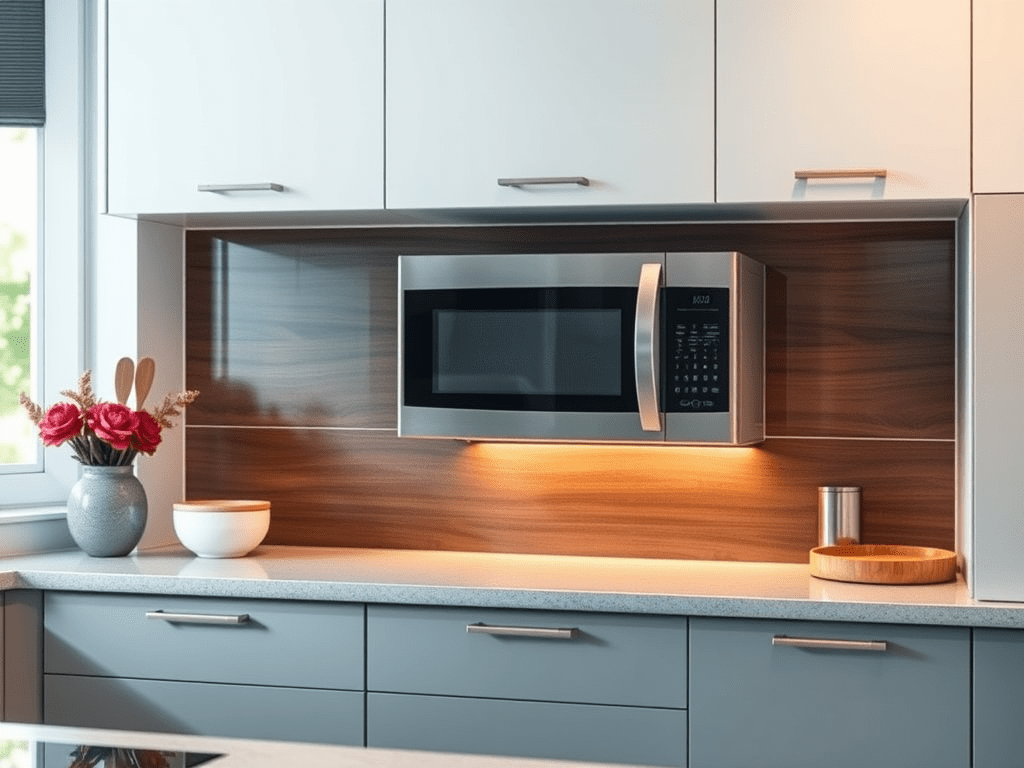
Many folks think “a microwave is a microwave” — you plug it in, press start, and it reheats your food. But there are important differences that can affect performance, convenience, space, and how well your kitchen runs.
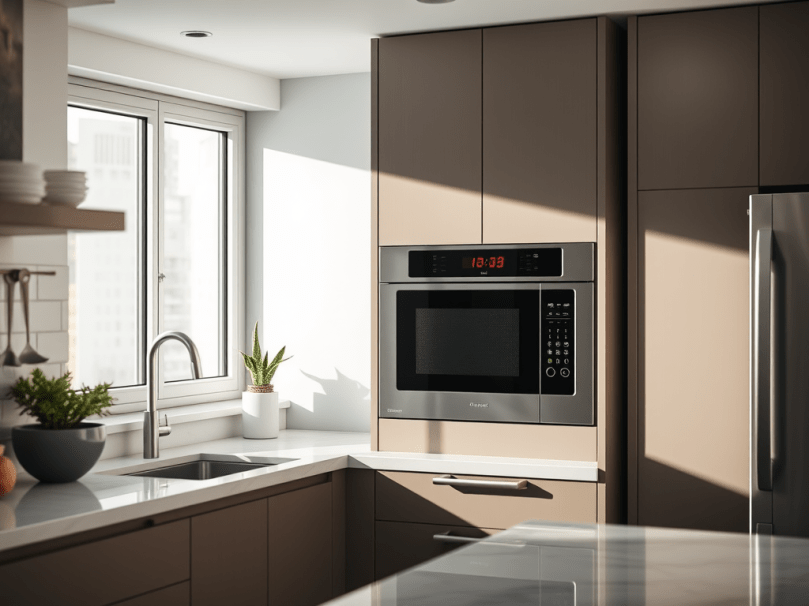
Here are key reasons it matters:
- Cooking speed and consistency: Higher wattage models heat faster and more evenly; low-power models can leave cold spots or take longer. (Good Housekeeping)
- Fit & layout: Size, capacity, and installation (countertop vs over-the-range vs built-in) all affect how the microwave integrates into your kitchen and how much room it takes. (aeno.com)
- Features & usefulness: Some microwaves have advanced cooking modes (convection, air-fry, sensor cook), smart controls, or better ventilation (for over-the-range units). If you pick a basic model but expect deluxe performance, you’ll be disappointed. (Whirlpool)
- Value & lifespan: Buying thoughtfully ensures you don’t pay extra for unused features, or buy cheap and end up with something that fails sooner or underperforms.
- Style & aesthetics: If you’re decorating or balancing an aesthetic in the kitchen (which you often are if you write about décor!), you’ll want a microwave that looks right and fits your design vision.
So yes — they are not all the same. It’s worth spending a little time picking the right one so it works well for you.
What to look for: How to choose the right one
Here are the main factors to keep in mind when selecting a microwave:
1. Type & size
- Countertop vs Over-the-range vs Built-in. For example, an over-the-range model doubles as a vent hood in many kitchens but requires proper installation. (kitchenaid.com)
- Check capacity (internal volume) and external size so it fits your space and your cookware. (aeno.com)
- Clearance & ventilation matter. If it’s cramped or blocked, performance and lifespan might suffer. (aeno.com)
2. Power & performance
- Wattage is a big deal. Many guides say aim for 1,000 watts or more for good performance. (Good Housekeeping)
- How the microwave distributes heat (turntable vs flatbed) and whether it uses inverter or smarter technology. (aeno.com)
3. Features & extras
- Sensor cooking: detects steam/food state and adjusts time/power. (kitchenaid.com)
- Convection or air-fry capabilities: These allow the microwave to do more than just reheat (bake, crisp, roast). (Whirlpool)
- Ventilation & lighting (for over-the-range). (kitchenaid.com)
- Userfriendly controls, cleaning convenience (easy-clean interior), child locks, design finishes. (lg.com)
4. Budget & how much you’ll use it
- If you mostly reheat leftovers, you don’t need every advanced feature. A good, basic model may suffice. (This Old House)
- If you cook more heavily, entertain, or want a “multi-purpose” microwave (bake, air-fry, etc), you may invest more.
5. Aesthetic & integration
Since you’re involved with home décor, how the microwave looks and fits your kitchen aesthetic (match finishes, handle style, layout) matters. Don’t just pick what’s cheapest; pick what fits the space.
Top microwave models on the market
Here are eight solid picks across different needs/budgets—each with something commendable.
Breville Combi Wave 3‑in‑1 Microwave
premium multi‑function
$499.95
Whirlpool 1.7 Cu Ft Over‑the‑Range Microwave
mid‑range OTR
$259.00
LG 1.7 Cu Ft Over‑the‑Range Microwave (EasyClean)
easy‑clean OTR premium
$299.00
Samsung 1.6 Cu Ft Over‑the‑Range Microwave
value OTR
$219.00
LG NeoChef 0.9 Cu Ft Countertop Microwave
compact countertop premium
$159.00
Hamilton Beach 1.1 Cu Ft Countertop Microwave
budget countertop full size
$80.00
Insignia 1.1 Cu Ft Countertop Microwave
budget countertop mid
$99.99
BLACK+DECKER 0.9 Cu Ft Countertop Microwave
entry countertop small
$99.99
Here’s a breakdown:
- Breville Combi Wave 3‑in‑1 Microwave: A premium model — microwave + convection + air-fryer. Great choice if you want one appliance that does a lot.
- Whirlpool 1.7 Cu Ft Over‑the‑Range Microwave: A solid over-the-range option with venting, good size.
- LG 1.7 Cu Ft Over‑the‑Range Microwave (EasyClean): Over-the-range with “EasyClean” interior and smart features — good if you want premium finishes.
- Samsung 1.6 Cu Ft Over‑the‑Range Microwave: Slightly smaller size but still respectable, includes auto-cook features and good value.
- LG NeoChef 0.9 Cu Ft Countertop Microwave: Good countertop option, smaller size — ideal for smaller kitchens or less frequent use.
- Hamilton Beach 1.1 Cu Ft Countertop Microwave: Mid-budget countertop option with decent size (1.1 cu-ft), reliable for everyday use.
- Insignia 1.1 Cu Ft Countertop Microwave: Budget countertop with good features (sensor cooking + 1000 watts) for the price.
- BLACK+DECKER 0.9 Cu Ft Countertop Microwave: Entry-level compact option — best for small spaces or minimal use.
Why these are “top” models
- They cover a range of types and budgets, so you can pick based on your kitchen layout and how much you’ll use it.
- They meet important performance criteria such as decent wattage, good capacity, and useful features (sensor cook, good venting, etc).
- They come from trusted brands with support and solid reviews.
- They align with the buying-guides: looking for size, power, features, layout integration.
Are they all the same? No. The differences matter
Yes, they all microwave food. But because microwaves vary in size, power, installation type, and feature set, they do not behave the same in practice. For example:
- A 700-watt compact model will take longer and may heat less evenly compared to a 1,100-watt model.
- Over-the-range models must fit above your stove and often include venting & lighting — which you won’t get with a countertop model.
- Models with convection/air-fry capabilities are more expensive but add cooking versatility.
- A countertop microwave has different vent/clearance requirements than built-in or over-the-range.
- Basic models may lack sensor cooking, child locks, or top finishes — which may not matter if you only reheat, but matter if you cook more.
Thus, choosing “just any microwave” is fine if your usage is minimal and your budget is tight — but if space, usage, aesthetics, or performance matter, you should choose carefully.
My practical suggestions for you
- Think kitchen layout & look: If your kitchen is styled (farmhouse, minimalist, boho etc) pick a microwave finish (stainless, black-stainless, white) that blends or accents your style.
- Consider visibility: If it’s in a main living space or open-plan, the microwave will show — so styling matters.
- Define usage: Ask yourself: “Will I use this mainly to reheat and defrost? Or will I cook meals and need more features?”
- Match size to space: If it’s a small apartment or first place a smaller countertop model may serve perfectly and allow budget for styling accessories.
- Feature vs budget trade-off: If you’re on a budget, a good 1.1 cu-ft, ~1000-watt model may get you 90% of what you need. Don’t pay extra for big bells & whistles if you’ll rarely use them.
- Integration & décor: If you change seasons or redesign furniture/layout, pick a microwave that doesn’t fight your style changes (neutral finish, streamlined design).
Conclusion
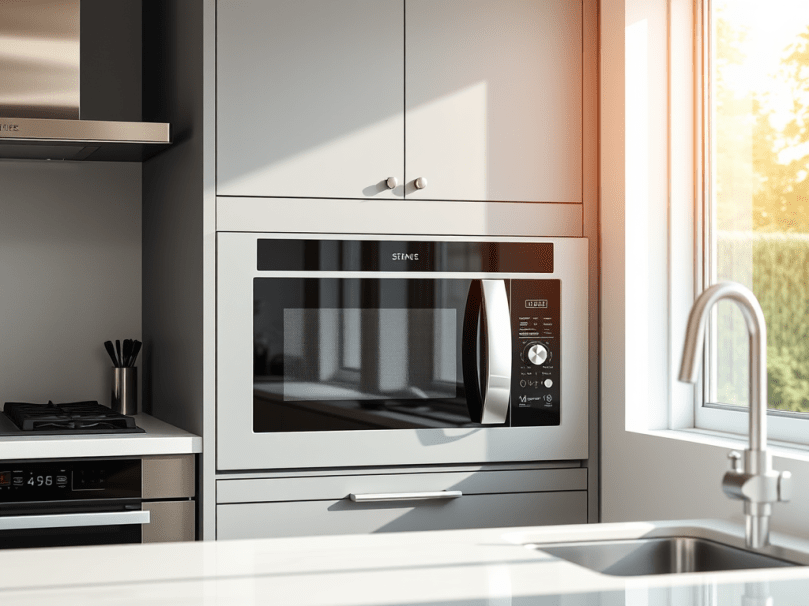
In short: Yes — you should pick your microwave with intention. It’s more than a “plug-in box” in the kitchen — it affects how well your kitchen flows, how quickly you prep meals, how the space looks, and whether your appliance will serve you well for many years. By focusing on the right size, power, features, style, and fit for your usage and space, you’ll land a microwave that works hard yet recedes into the background of good design.


 Discoveringlifellc
Leave a comment