
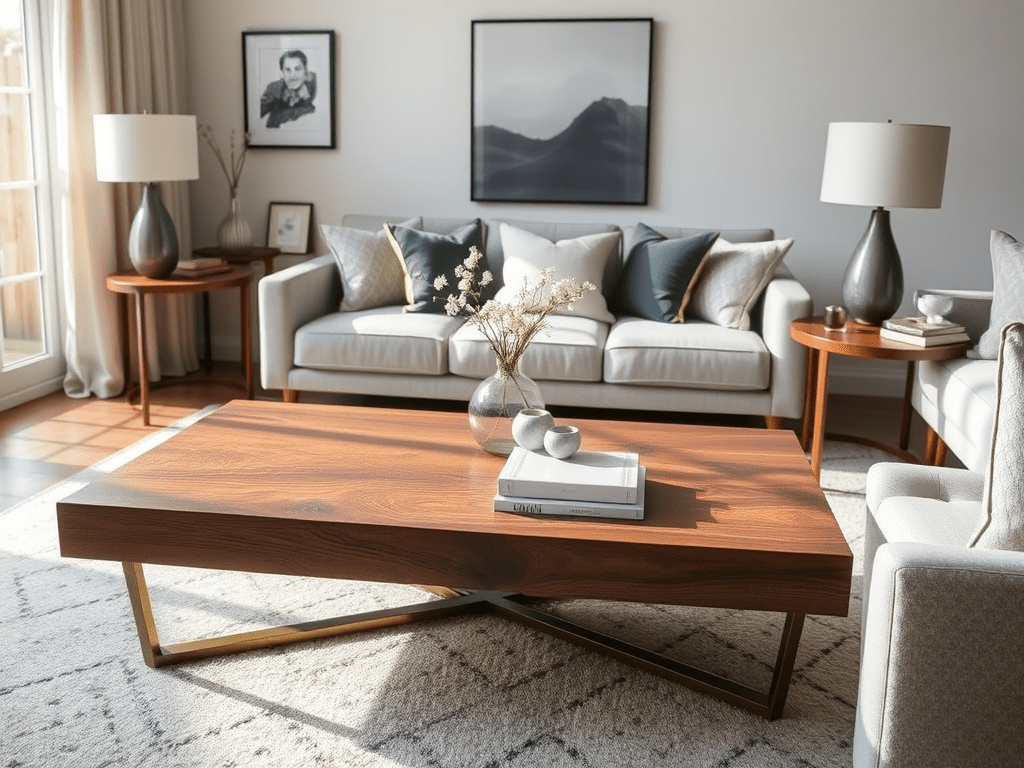
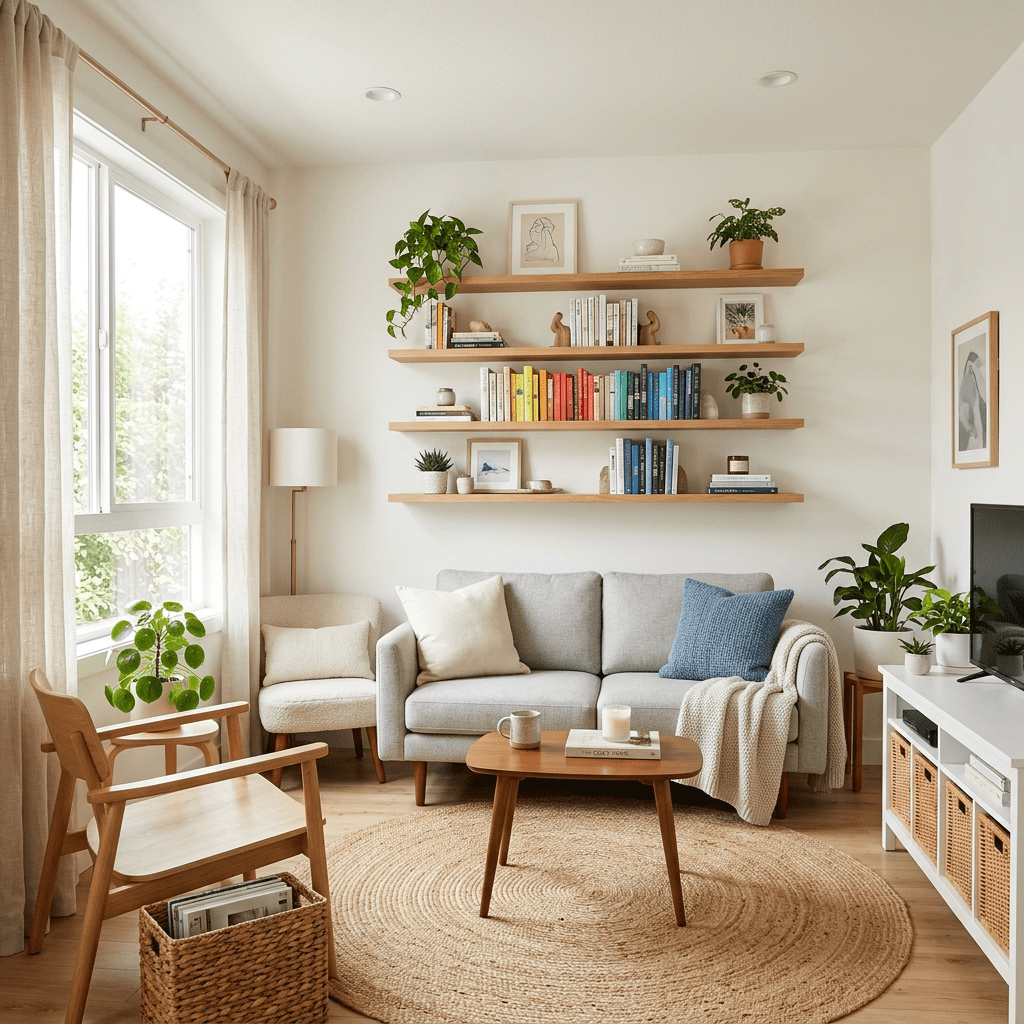
When it comes to decorating your living room, one of the most common questions people ask is: Do my coffee table and end tables have to match? The short answer is no—but there’s a bit more to it than that. Matching sets can create a coordinated, polished look, but mixing pieces from different brands, colors, or styles can bring warmth, personality, and balance to your space. The key is knowing how to make it all work together.

Let’s break it down.
The Case for Matching Tables
If you’re drawn to a clean, traditional look or you want to simplify your decorating process, matching coffee and end tables can be a great choice. Sets designed by the same brand often have coordinated finishes, materials, and proportions, making it easy to achieve a consistent aesthetic.
Matching tables work well when:
- You want a cohesive, streamlined design.
- You’re working with a formal living room.
- You prefer a minimalist or contemporary style.
- You’re short on time and want a ready-made set that “just works.”
There’s comfort in knowing everything matches perfectly—and if you’re styling a small space, a uniform look can make the room feel larger and more organized.
Mixing and Matching: Creating a Curated Look
On the other hand, mixing different tables can make your living room feel more dynamic and collected. Instead of a showroom feel, your space will tell a story. Maybe your coffee table has a rustic wood finish, while your end tables bring in metal accents or glass details—this contrast adds texture and personality.
Tips for mixing styles successfully:
- Stick to a common element.
Choose one unifying feature such as material (wood, metal, or marble), color family, or design era. For instance, pairing a mid-century coffee table with modern metal end tables can work if they share similar tones or lines. - Balance scale and proportion.
Make sure your tables are in harmony visually. If your coffee table is large and heavy, pair it with end tables that have visual weight, even if they’re a different style. - Use complementary finishes.
You don’t need to match colors exactly—mixing light and dark woods, or matte and glossy finishes, can add depth. Just make sure the tones feel intentional, not clashing. - Tie it together with decor.
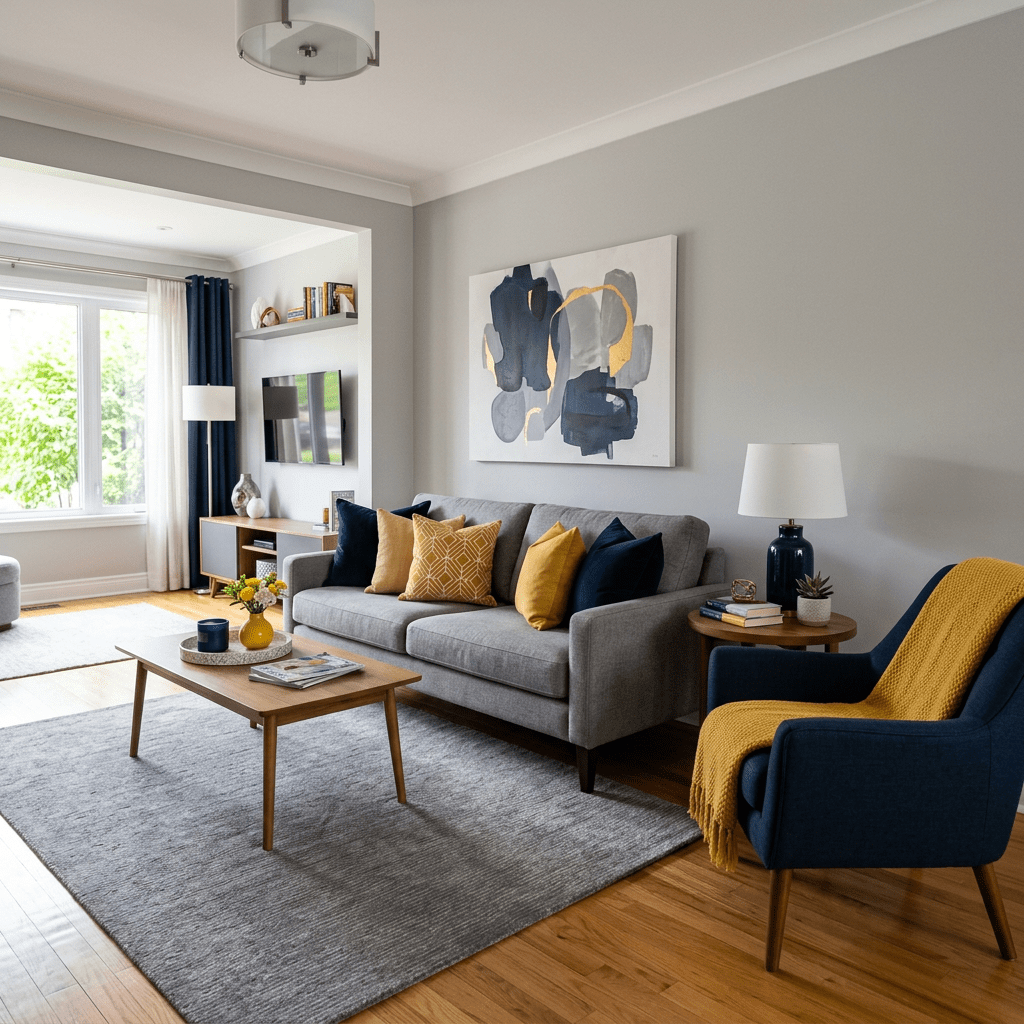
Lamps, trays, books, and decorative accents can bring unity to mixed furniture. For example, a matching pair of lamps or a consistent color scheme in your accessories will subtly connect your tables.
Real-Life Example: How Jenna Created Her Perfect Mix
When Jenna moved into her first home, she quickly realized that buying all new furniture from one brand wasn’t in her budget—or her style. She had fallen in love with a walnut mid-century coffee table online but couldn’t find matching end tables she liked. Instead of forcing a match, she decided to get creative.
Jenna chose black metal end tables from a completely different brand. The finishes didn’t match exactly, but they shared clean lines and a similar height. To bring everything together, she added a woven tray on her coffee table that echoed the natural tones in her rug and placed matching lamps on each end table.
The result? Her living room looked intentional, not mismatched. The mix of materials gave her space depth, and the shared design elements tied everything together beautifully. Friends often ask where she “got her set,” not realizing she handpicked each piece from different stores.
Do They Need to Be the Same Brand?
Not at all. Many of the best living room setups are a mix of brands and even price points. Don’t be afraid to blend a high-end coffee table with budget-friendly side tables if the design elements complement one another. Different retailers often carry similar finishes or materials, and combining pieces can actually make your room feel more curated rather than “out of the box.”
Finding Your Cohesive Style
If you’re unsure how to make mixed pieces feel intentional, start by defining your overall home style—whether that’s modern farmhouse, industrial, boho, or transitional. Once you’ve chosen a theme, look for repeating details that tie everything together: a metal leg finish, a wood tone, or even the shape of the furniture legs.
For instance:
- Modern farmhouse: Mix distressed wood with black metal accents.
- Boho: Try a natural rattan coffee table with carved wooden end tables.
- Industrial: Combine reclaimed wood with iron bases in different finishes.
- Minimalist: Keep lines simple and colors neutral, even if materials differ.

Final Thoughts
Your coffee table and end tables don’t have to match, but they should feel like part of the same conversation. Whether you’re buying a matching set or handpicking each piece from different brands, focus on balance, harmony, and your personal style.
At the end of the day, your living room should feel collected, not coordinated—a reflection of you and your lifestyle.
 Discoveringlifellc
Leave a comment