
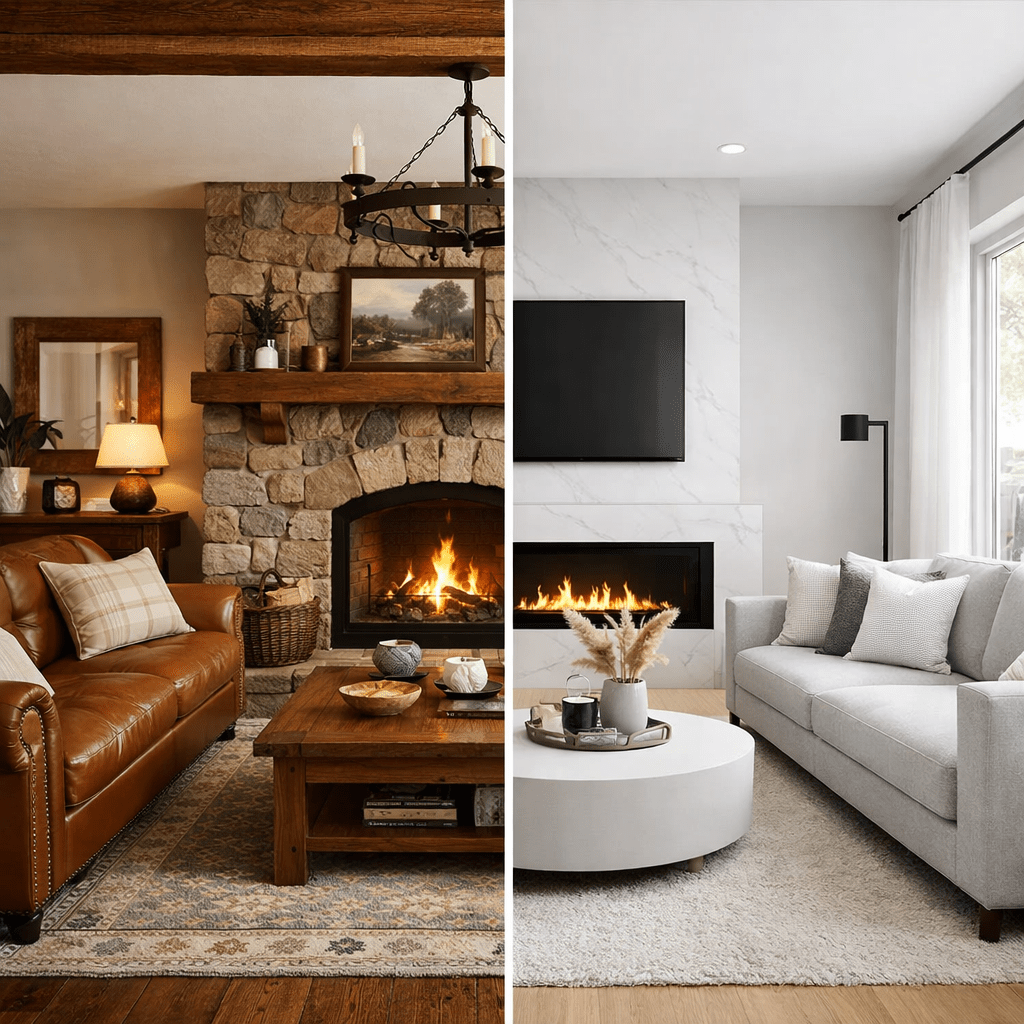
There’s something exciting—and let’s be honest, a little nerve-wracking—about getting a new roommate. Whether it’s a friend, partner, or someone new entirely, one thing becomes clear very quickly: your space is no longer just yours.
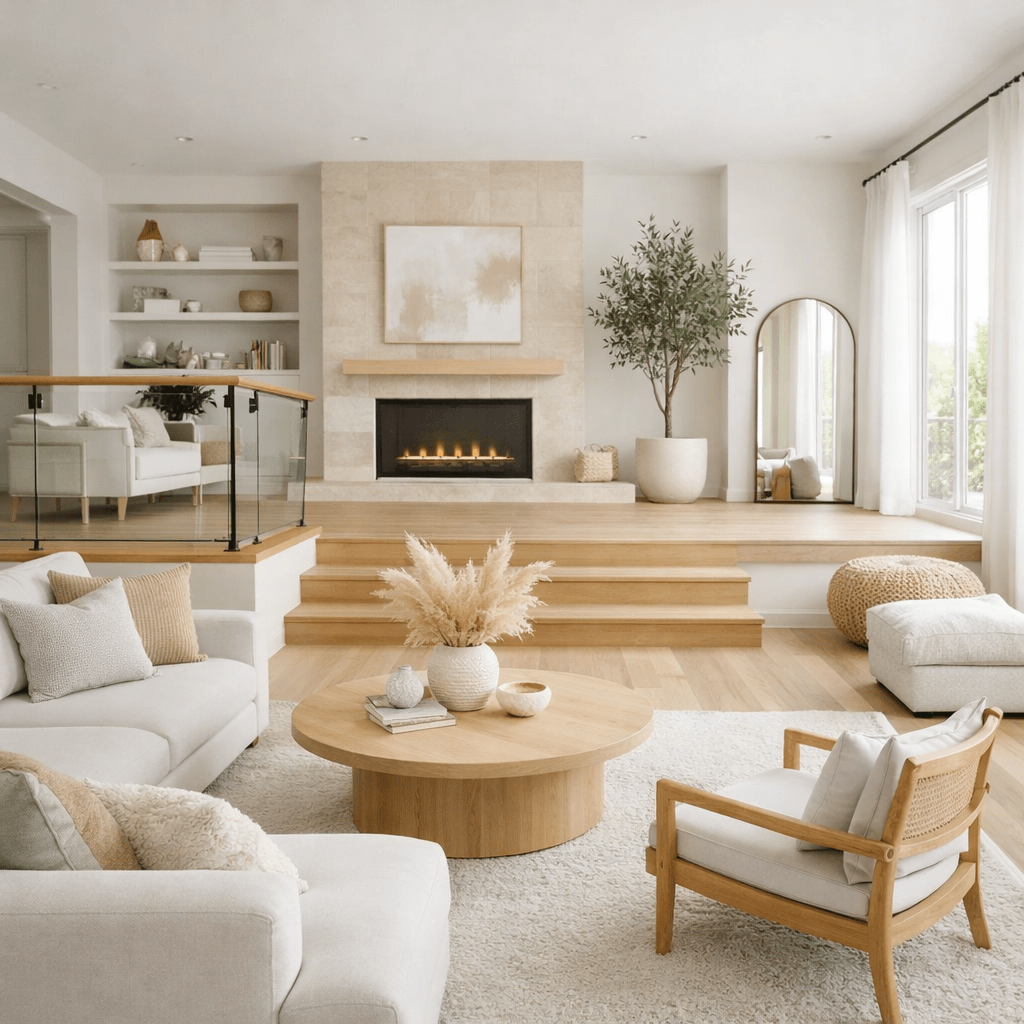
And when your styles are completely different? That’s where things can feel tricky.
Maybe you love bright, airy neutrals and they lean bold and dramatic. Maybe you’re all about cozy textures while they prefer sleek minimalism. Instead of seeing this as a design disaster waiting to happen, think of it as an opportunity to create something even better—a home that reflects both of you.
Let’s talk about how to make that happen.
Start With a Conversation (Yes, Before Moving Anything)
Before you start rearranging furniture or buying new decor, take a moment to actually talk about your styles.
Ask questions like:
- What makes a space feel like “home” to you?
- Are there specific colors you love or hate?
- What are your must-have pieces?
This step might seem simple, but it’s powerful. It sets the tone for collaboration instead of conflict—and helps avoid those “why is this here?” moments later.
Identify Your Common Ground
Even if your styles feel worlds apart, there’s always some overlap.
Maybe you both:
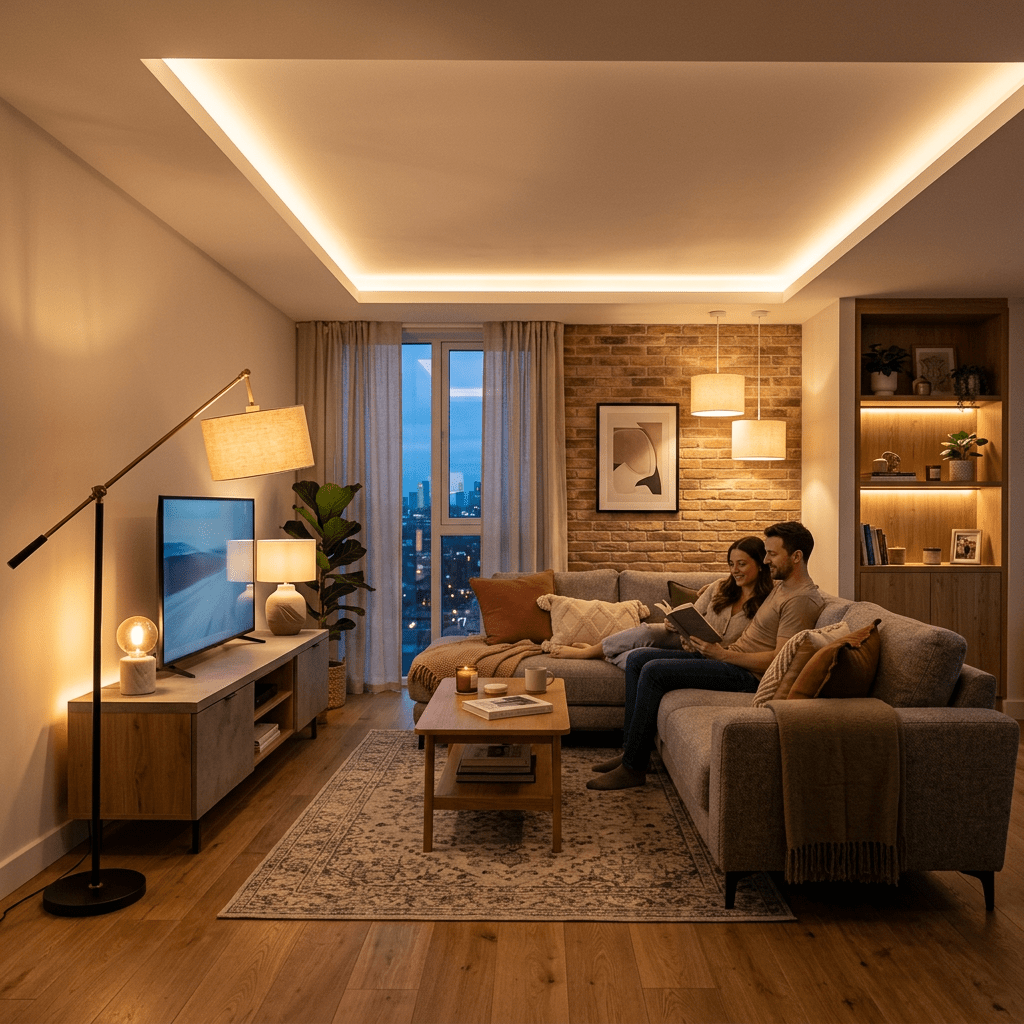
- Love cozy lighting
- Appreciate clean spaces
- Enjoy a certain color (even if used differently)
This shared foundation becomes your starting point.
Example:
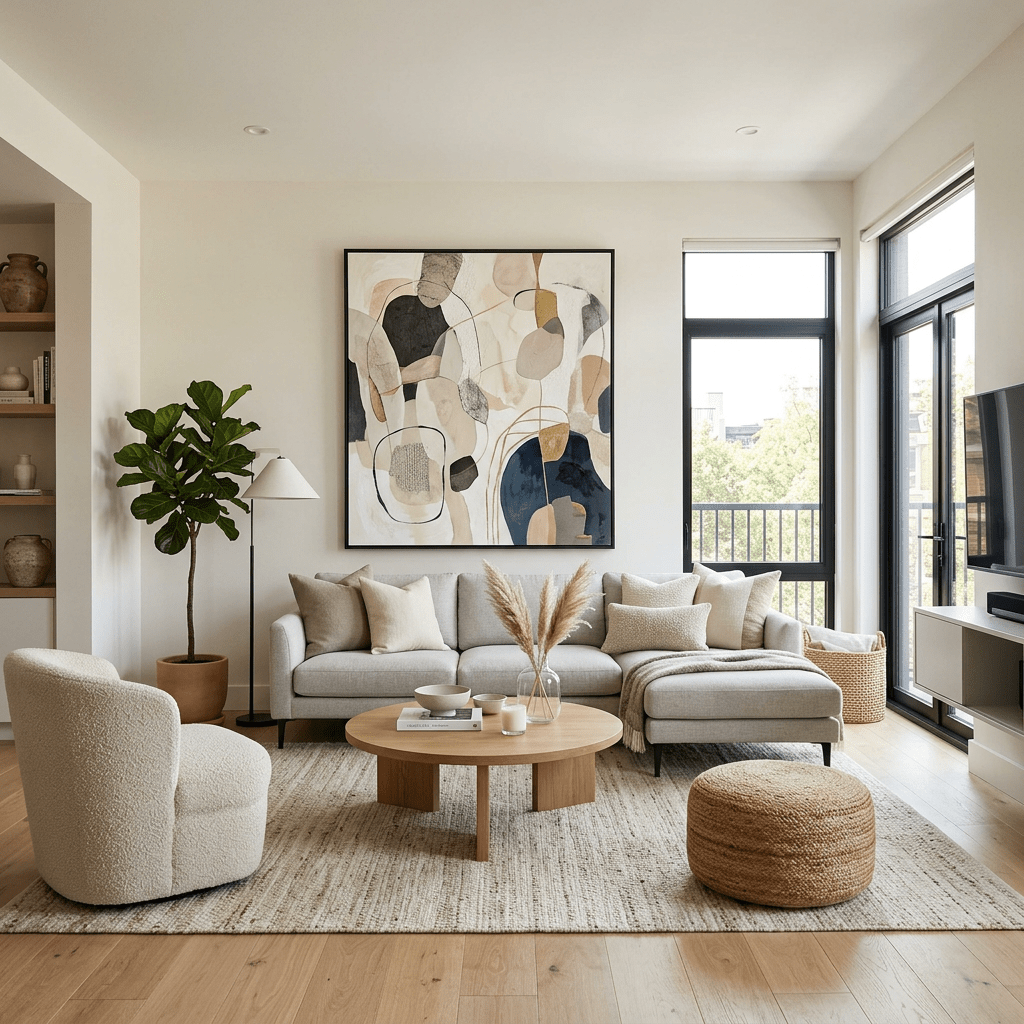
If you love soft neutrals and your roommate loves bold colors, you can build a neutral base and layer in bold accents. Suddenly, both styles exist—without clashing.
Create “Zones” That Reflect Each Person
One of the easiest ways to balance two styles is by dividing the space intentionally.
Think:
- One side of the living room leans more toward your aesthetic
- The other side reflects theirs
- Shared spaces blend both styles
This works especially well in:
- Living rooms
- Bedrooms (if shared)
- Offices
It gives each person a sense of ownership while still keeping the space cohesive.
Let Statement Pieces Shine (Without Competing)
Instead of filling the room with competing decor, choose a few standout pieces from each of you.
- Their bold artwork
- Your cozy accent chair
- Their modern coffee table
- Your textured rug
The key? Balance.
If everything is a statement piece, nothing stands out—and the room can feel chaotic. But when you carefully choose what to highlight, each piece gets its moment.
Use Color as Your Bridge
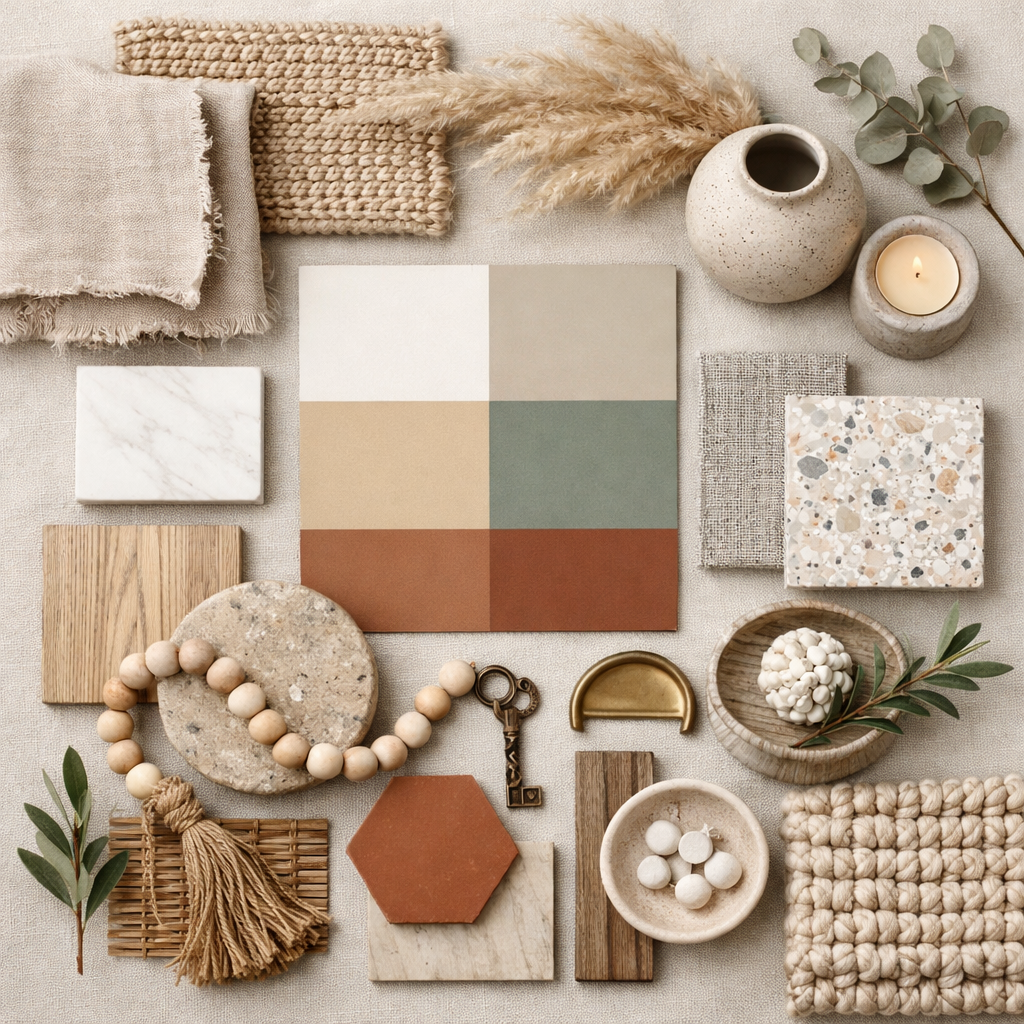
Color is one of the most powerful tools for blending styles.
Here’s how to make it work:
- Choose a shared color palette (2–4 colors max)
- Use those colors in different ways throughout the space
- Repeat colors in small details (pillows, decor, art)
Example:
If your roommate loves black and you love soft creams:
- Use black accents (frames, lamps)
- Keep larger furniture in lighter tones
- Add a mix of both in textiles
Now the room feels intentional instead of divided.
Mix Textures for a Cohesive Feel
Even if styles differ, texture can unify everything.
Try combining:
- Soft throws + sleek furniture
- Wood tones + metal accents
- Plush rugs + clean lines
Texture adds warmth and dimension, making the space feel layered instead of mismatched.
Compromise Without Sacrificing Yourself
Here’s the truth: blending styles requires compromise—but it should never feel like giving up your identity.
A good rule:
- Pick your non-negotiables (1–3 things that really matter to you)
- Be flexible with the rest
Your roommate should do the same.
This creates a space where both of you feel seen—not overshadowed.
Keep Personal Spaces Personal
If you each have your own room, let that be your full expression zone.
Go all in on your style:
- Colors you love
- Decor that reflects you
- Layout that fits your lifestyle
This makes it easier to compromise in shared areas because you still have a space that’s 100% yours.
Make It a Process, Not a One-Time Fix
Blending styles doesn’t happen overnight.
You’ll:
- Try things
- Move things around
- Realize what works (and what doesn’t)
And that’s okay.
The best spaces evolve over time—especially when more than one person is shaping them.
Final Thoughts: A Shared Space Can Be Even Better
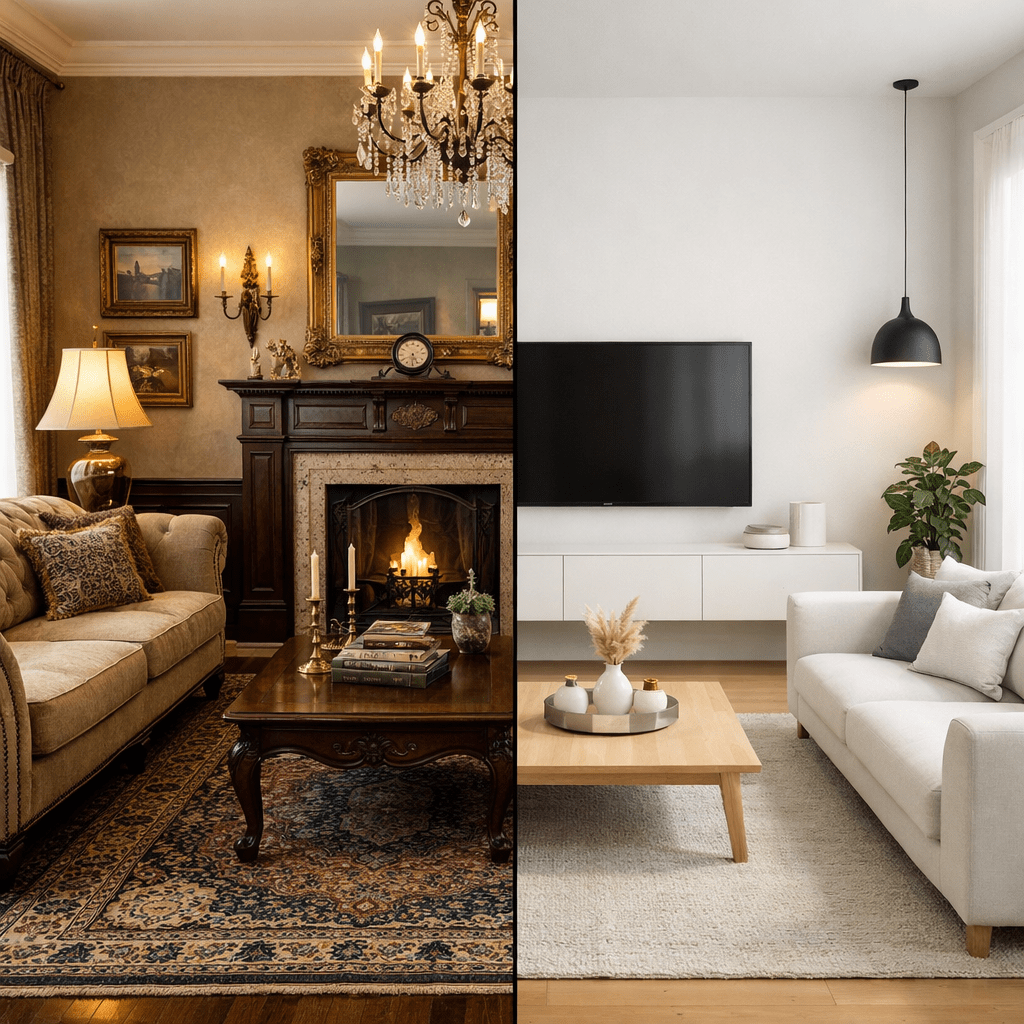
Unexpected roommates don’t have to mean design chaos.
In fact, they can push you to:
- Try new styles
- Step outside your comfort zone
- Create a home that feels richer and more dynamic
At the end of the day, your home isn’t just about how it looks—it’s about how it feels.
And when both people feel comfortable, represented, and at peace in the space… that’s when you know you’ve truly created something special.
Discovering Life Tip:
The goal isn’t to “win” the design—it’s to create a space where both of you belong.
 Discoveringlifellc
Leave a comment