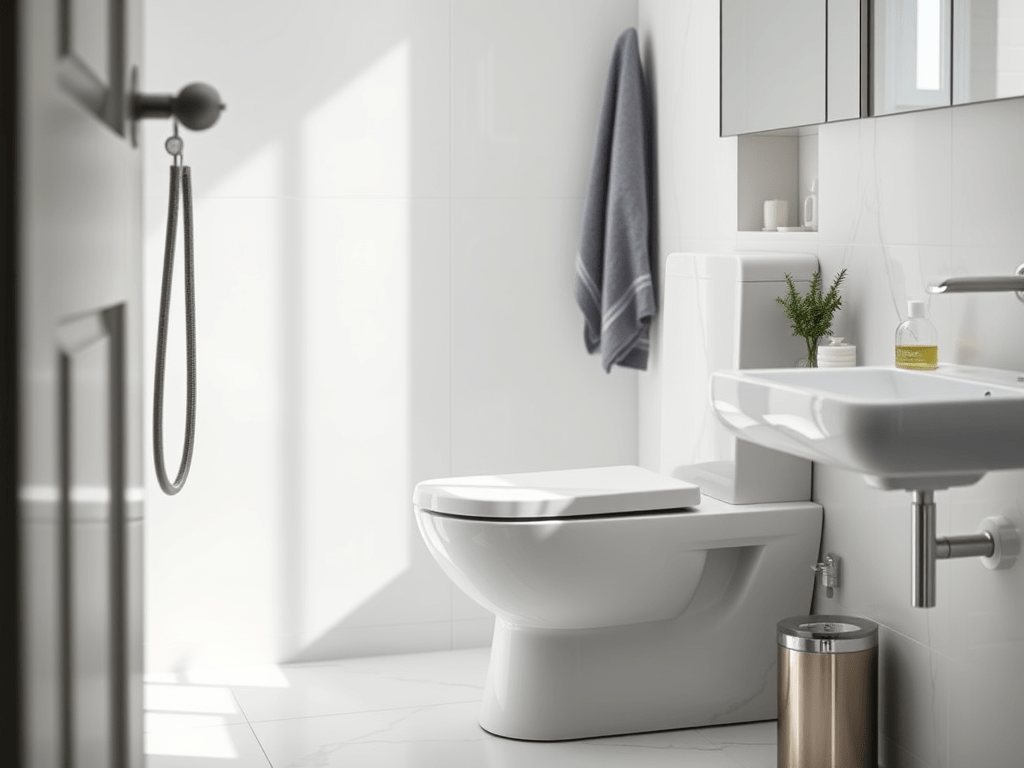
Bidets: Are They the Bathroom Upgrade We Never Knew We Needed?


Let’s talk about bidets—yes, the mysterious little bathroom fixture that’s been a staple in many parts of the world, yet still feels like a novelty in most American homes. The question is: how do we really feel about them? Are they just a trend for the fancy and well-traveled, or are bidets a genuinely useful addition to modern home life?

Are Bidets Good or Bad?

The answer isn’t black and white—but bidets have gained a lot of fans for good reason. On the “good” side, they’re more hygienic than toilet paper alone, better for the environment (less paper waste), and can even be gentler for people with sensitive skin. Some say once you try one, there’s no going back.

But not everyone is convinced. For some, bidets still feel awkward or unnecessary. There’s a learning curve, and for households that have never used one, it might feel like a luxury rather than a necessity.

Still, in a world where wellness and sustainability are at the forefront of how we design our homes, bidets are beginning to get the attention they deserve.

Are Bidets Useful or Unnecessary?

The usefulness of a bidet depends a lot on personal preferences—but here’s the truth: they’re practical. Especially for families, postpartum moms, older adults, or anyone who values a fresh and clean feeling, bidets can be a game changer.

And with many bidet attachments costing less than a dinner out, they’re no longer just for luxury homes or European hotels. They’re practical, affordable, and surprisingly easy to install.

Can the Average Person Put a Bidet in Their Home?

Absolutely. You don’t need a complete bathroom renovation to bring in a bidet. Most people think of a bidet as a separate fixture that takes up space, but today’s bidet options are designed to fit into your existing toilet setup.

Here’s how you can add one without reworking your whole bathroom:


How to Add a Small Bidet to Your Current Bathroom Design

  1. Choose Your Style:
    There are several types of bidets:
    • Bidet Attachments: Fit under your current toilet seat.
    • Bidet Toilet Seats: Replace your current seat with one that includes a sprayer, heated seat, and even a dryer.
    • Handheld Bidet Sprayers: Like a mini showerhead beside the toilet.
  2. Check Your Setup:
    Most bidets need access to your toilet’s water line. As long as you have a standard toilet with an accessible water valve, you’re good to go.
  3. Install It Yourself (Yes, Really):
    • Shut off the water valve.
    • Unscrew the toilet seat if needed.
    • Attach the bidet using the provided hardware.
    • Connect the bidet to the water supply (usually includes a T-adapter).
    • Turn the water back on and test it out!
  4. Design Tips to Blend It In:
    • Choose white or chrome finishes to match your current fixtures.
    • If you’re using a handheld sprayer, add a sleek wall bracket for a clean look.
    • Hide any visible hoses with a small plant, basket, or toilet side table.
    • Consider smart bidet seats for a more integrated, tech-savvy look.

Final Thoughts: Yay or Nay?

So… how do we feel about bidets?

If you love the idea of comfort, cleanliness, and eco-friendliness, a bidet is a resounding yay. If you’re still on the fence, consider trying an inexpensive attachment—you might just wonder how you ever lived without it.

Bidets are no longer just for high-end bathrooms or world travelers. They’re becoming a smart, stylish, and sustainable option for everyone.

And your bathroom? It’s more than ready for one.


Have you tried a bidet in your own home? Would you? Let’s talk about it in the comments below!

Want more design tips like this? Visit www.discoveringlifellc.com for modern, simple home upgrades that make a difference.


How to Find the Best Bathroom Cleaning Supplies (And Where to Store Them!)


Your bathroom is one of the most used—and most germ-prone—spaces in your home. That means keeping it clean isn’t just about aesthetics; it’s about hygiene and comfort. But let’s be real: finding the right bathroom cleaning products can be overwhelming with all the sprays, scrubs, and gadgets out there. In this post, we’ll walk you through how to find the best products to clean your bathroom efficiently, share some top recommendations, and give you practical ideas for storing them neatly and safely.


What to Look for in Bathroom Cleaning Supplies

Before you fill your cart, keep these things in mind:

  1. Multi-purpose vs. Specialized: Some cleaners work well across surfaces, while others are designed for specific tasks (like removing limescale or mildew).
  2. Non-toxic ingredients: Especially if you have children or pets, opt for products that are effective but don’t come with a strong chemical punch.
  3. Scent: A pleasant scent can make your cleaning session more enjoyable—just make sure it’s not overpowering or synthetic if you’re sensitive.
  4. Ease of use: Products with built-in sprays, ergonomic handles, or refill options can make cleaning less of a chore.

Recommended Bathroom Cleaning Products

Here are some top-rated options you’ll love using:

1. Lysol Power Bathroom Cleaner

Great for: Soap scum, mold, and mildew
Why we love it: It works quickly and has a fresh scent. Plus, it’s a disinfectant, so it kills 99.9% of bacteria.

2. Scrub Daddy Sponges

Great for: Scrubbing tubs, tiles, and sinks
Why we love it: These cute smiley sponges change texture with water temperature and are scratch-free.

3. Method Antibacterial Bathroom Cleaner

Great for: Natural cleaning that still gets the job done
Why we love it: Plant-based and smells amazing. It’s a go-to for eco-conscious homes.

4. Clorox ToiletWand Disposable Toilet Cleaning System

Great for: A quick and hygienic toilet clean
Why we love it: No more handling dirty brushes. Just click on a disposable head and toss it after use.

5. Bar Keepers Friend Cleanser & Polish

Great for: Hard water stains and tough grime
Why we love it: It brings back the shine on metal fixtures and porcelain.

6. Drill Brush Power Scrubber Kit

Great for: Deep cleaning tile grout and tub edges
Why we love it: It turns your drill into a powerful scrubber—no elbow grease required!


How to Store Bathroom Cleaning Supplies

You don’t want your bathroom to look like a utility closet. Here are some ideas to keep your supplies out of sight but within easy reach:

Under-Sink Storage Bin

Use labeled caddies or bins to group your products by type. Choose stackable or pull-out bins for added convenience.

Over-the-Toilet Shelving

Use baskets or containers to store extra cleaning wipes, toilet bowl cleaner, and paper towels in an organized way.

Wall-Mounted Storage

Install a small shelf or rack behind the door to hold sprays and brushes. Consider adhesive hooks for hanging tools.

Utility Cart

If you clean multiple bathrooms, a rolling cart can house all your supplies. Just wheel it from room to room.

Cleaning Caddy

Keep all your go-to items in a portable caddy you can grab when it’s time for a quick bathroom refresh.


Final Thoughts

Cleaning your bathroom doesn’t have to feel like a battle. The right tools, products, and storage solutions can make it quicker and easier. Invest in quality supplies, organize them in a way that works for your space, and establish a regular cleaning schedule. Your bathroom (and everyone who uses it!) will thank you.

Choosing the Right Toilet for Your Home: What You Need to Know


When you’re tackling a DIY bathroom update, the toilet might not be the first thing that comes to mind—but it should be. Toilets are one of the most-used fixtures in the home, and choosing the right one can make a huge difference in comfort, water usage, and even resale value. With so many options out there, it’s important to know what to look for beyond just the price tag.

Here’s what to keep in mind when choosing a toilet for your DIY bathroom project:

Is it Best to Buy the Cheapest Toilet?

In short: not always.
While it’s tempting to go for the least expensive model to save money, cheap toilets often come with hidden costs down the line—like higher water bills, more frequent repairs, or the need for early replacement.

Higher-quality toilets typically offer better flushing power, more efficient water use, and longer-lasting materials. Think of a toilet like you would a mattress—you use it daily, and it needs to be reliable. Spending a little more upfront can mean a lot less frustration later.

That being said, you don’t have to buy the most expensive model either. The goal is to find the best balance between price, quality, and function.

Things to Consider When Choosing a Toilet for Your DIY Bathroom Project

When you’re making your selection, consider these key factors:

1. Size and Shape

Toilets come in different sizes and shapes, and you’ll need to choose one that fits your bathroom space comfortably. Measure carefully before shopping.
You’ll need to know:

  • The rough-in size (the distance between the wall and the center of the drainpipe—usually 10″, 12″, or 14″).
  • How much clearance you have in front of and beside the toilet.
  • Whether you prefer an elongated bowl (more comfortable but bigger) or a round bowl (better for tight spaces).

2. Height

Standard toilets are about 15 inches from the floor to the seat, but comfort height toilets are closer to 17–19 inches. Comfort height models are easier to sit down on and stand up from, making them a great choice for adults, seniors, and anyone with mobility issues.

3. Water Efficiency

Look for WaterSense-labeled toilets, which use less than 1.28 gallons per flush compared to older models that might use 3–5 gallons. Dual-flush toilets (with separate buttons for liquid and solid waste) are also an option if you want to maximize efficiency.

4. Flushing System

Modern toilets offer different flushing technologies:

  • Gravity-flush toilets use the weight of the water to generate pressure.
  • Pressure-assisted toilets use compressed air to force water into the bowl. These are louder but more powerful, great for busy households.
  • Dual-flush toilets give you options for a lighter or heavier flush.

Think about your household’s needs. If clogging has been an issue before, you might want a stronger flush system.

5. Style and Appearance

If you’re already updating the bathroom, you probably want everything to match. Toilets come in various colors, designs, and styles:

  • Two-piece toilets (separate tank and bowl) are traditional and usually more affordable.
  • One-piece toilets (tank and bowl fused together) are sleeker, easier to clean, and modern-looking but often pricier.

6. Ease of Installation

Since you’re doing a DIY renovation, you want a toilet that’s straightforward to install. Some models are easier to handle than others, and brands often rate their products as “DIY-friendly.” Pay attention to the installation instructions and make sure you have all the tools and parts you’ll need ahead of time.

7. Budget

Set a realistic budget, not just for the toilet itself but for any additional materials:

  • New wax ring or wax-free seal
  • New supply line
  • New bolts and caps
  • Possibly a new toilet seat (not all toilets come with one)

Budgeting for all the little extras helps avoid those frustrating extra trips to the hardware store mid-project.


Final Thoughts

Choosing the right toilet is about balancing comfort, efficiency, style, and budget. While it’s tempting to just pick the cheapest one and move on, a little extra research (and a little more investment) can save you a lot of headaches down the road.

Remember: when you’re upgrading your home yourself, every choice you make affects how satisfied you’ll be with the final result. Take the time to choose a toilet that works for your space, your family, and your lifestyle—you’ll be glad you did every single day.


Create a Vibrant Bathroom: Tips for Color Usage

Yes, You Can Use Color in Your Bathroom—Here’s How to Make It Work for Your Style

When it comes to bathroom decor, neutral tones have long been the go-to. Think crisp white, calming beige, soft gray… safe, classic, clean. But what if you’re craving something a little bolder? A little more you? The good news is, color absolutely belongs in the bathroom—and when used thoughtfully, it can transform your space into a vibrant, stylish retreat that reflects your unique personality.

Let’s talk about how to make color work for you, and why stepping outside the neutral zone might be exactly what your bathroom needs.


Why We Tend to Avoid Color in the Bathroom

It’s not surprising that many people play it safe with bathroom color palettes. Bathrooms are often smaller, and there’s a long-standing belief that too much color can make the space feel busy or cluttered. Plus, since bathrooms are considered “wet” zones, we sometimes hesitate to treat them like the rest of our living spaces.

But avoiding color altogether can make your bathroom feel sterile or uninspired. You deserve a space that energizes you in the morning and helps you unwind at night—and color can help create that vibe.


Yes, You Can Use Color—Here’s How

Here’s the thing: using color doesn’t mean you have to go all-in with bright orange walls or neon tiles (unless you want to!). There are tons of subtle and creative ways to add color to your bathroom without overwhelming the space. Try one—or a few—of these ideas:

1. Colorful Towels and Accessories

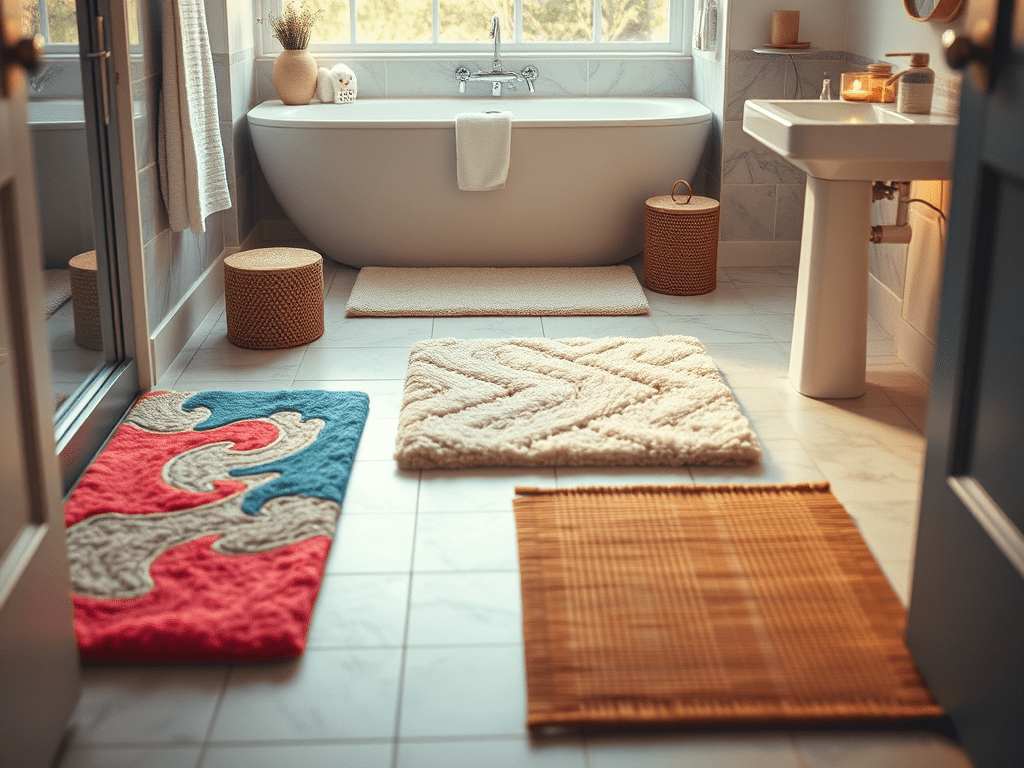
Start small with towels, rugs, shower curtains, and soap dispensers in your favorite colors. These accents are easy to change seasonally or whenever you’re ready for a new look.

2. Painted Walls or Ceilings

If you’re ready to take a bigger step, try painting one wall in a rich jewel tone like emerald green or deep navy. Feeling bold? Try a moody black ceiling for dramatic contrast!

3. Statement Tiles

Accent tiles in a fun pattern or bold color can bring personality to a backsplash, shower niche, or floor. Think geometric prints, colorful mosaics, or even hand-painted designs.

4. Bold Vanities or Cabinets

Swap out your standard white vanity for something that pops—like sage green, dusty blue, or matte black. It can become a stunning focal point in an otherwise simple space.

5. Art and Wall Decor

Who says bathrooms can’t have art? Hang framed prints, canvas paintings, or even colorful wall decals to give the room life and interest.


Let Your Personality Shine

Your bathroom is a part of your home, and it should reflect you just as much as your living room or bedroom does. Whether your style is playful and eclectic, calm and coastal, or modern and sleek, using color helps bring your vision to life.

Don’t be afraid to experiment. Color doesn’t have to be permanent—and it doesn’t have to be perfect. Try different combinations and see what feels right. The goal is to create a space that makes you feel good every time you walk in.


Final Thoughts: Neutrals Are Nice—But Color Is Inviting

There’s nothing wrong with a classic white-and-gray bathroom—but if you’re craving something more personal, go ahead and add that pop of color. Mix in your favorite shades. Layer in textures. Make it a space you love to spend time in, not just one you rush through in the morning.

So yes—it’s more than okay to use color in your bathroom. In fact, it might just be the refresh your home (and your mood) needs.

Organizing Your Walk-In Closet: Tips, Tools, and Storage Ideas That Actually Work


Your walk-in closet should feel like your personal boutique—not a chaotic jungle of shoes, scarves, and forgotten sweaters. Whether you’re working with a spacious walk-in or a modest one, the secret to a functional, beautiful closet lies in how well you organize it. Let’s dive into how you can transform your closet into an organized, stylish space that makes getting dressed a pleasure.


Why Organizing Your Walk-In Closet Matters

A well-organized closet doesn’t just save time; it saves stress. You’ll no longer waste your mornings digging through clutter. Plus, when your clothes and accessories are displayed in an orderly fashion, you’re more likely to wear what you own (and stop buying duplicates!).


Start With a Clean Slate

Before you organize, you must declutter.

Here’s how:

  1. Empty everything out – Yes, everything.
  2. Sort into piles: keep, donate, sell, and toss.
  3. Be honest with yourself—if it doesn’t fit, flatter, or spark joy, let it go.

Pro Tip: If you haven’t worn something in over a year, chances are, you won’t.


Smart Storage Tips & Tools

Here’s where the real transformation happens. Let’s break it down:

1. Use Uniform Hangers

Matching hangers make your closet look streamlined and help garments hang evenly. Opt for slim, non-slip velvet hangers to save space and keep clothes in place.

2. Invest in Clear Bins and Boxes

Transparent containers make it easy to see your accessories or seasonal items. Stackable bins are perfect for top shelves, while labeled baskets can corral scarves, belts, or handbags.

3. Add Drawer Dividers

Drawer dividers are perfect for organizing socks, undergarments, or jewelry. It’s all about giving every item a home.

4. Install Double Hanging Rods

Double up your hanging space by installing a second rod underneath your tops. Use the top rod for blouses and jackets and the bottom for skirts and pants.

5. Try a Shoe Organizer Wall or Rack

Use vertical space for shoes. Over-the-door organizers, clear shoe boxes, or tiered shelves make it easier to see and grab your favorite pair.


Techniques for Maximum Efficiency

  • Group like with like: Keep all jeans together, all work tops in one section, etc.
  • Color-code: Not only does this look good, but it also makes it easier to find what you need fast.
  • Use seasonal rotation: Store out-of-season clothes in bins on the top shelf or under your bed.
  • Label everything: Whether it’s baskets, boxes, or drawers, labels keep everyone (even your partner!) in the know.

Storage Recommendations That Work Wonders

  • IKEA PAX System: Customizable and budget-friendly with drawers, shoe racks, and pull-out trays.
  • The Container Store Elfa Closet System: Modular and chic—great for any closet size.
  • Amazon Basics Clear Storage Bins: Stackable, transparent, and affordable.
  • mDesign Fabric Bins: Great for top shelves and come in many sizes and colors.
  • Simple Houseware Hanging Closet Organizer: Ideal for folded sweaters, bags, or even purses.

A Final Touch: Personalize Your Closet

Add a mirror, some lighting, or a rug to elevate the vibe. A lavender sachet or cedar blocks will keep it smelling fresh and help preserve your clothing too.


Your Closet, Your Style

An organized walk-in closet reflects your personal style and makes daily life smoother. Start small, use the right tools, and don’t be afraid to get creative. Whether you’re working with a designer system or a DIY setup, your closet can be as beautiful as it is functional.


Ready to tackle your closet? Share your transformation with us on Instagram by tagging @DiscoveringLifeLLC and show off your before-and-after!