Are Home Security Systems Still Essential? Or Has Ring Changed the Game?


When you think about modern home security, one of the first brands that comes to mind is Ring. Their easy-to-install video doorbells and cameras have become so popular that many homeowners wonder:
Do I really need a full home security system anymore—or is Ring enough?

As technology evolves, so does the meaning of “home security.” Let’s break down how traditional systems compare to today’s smart security devices, and whether home security systems are still essential in 2025.


Why Home Security Still Matters Today

Whether you live in an apartment, townhouse, or large home, feeling safe in your space is a major part of feeling comfortable. And while home décor sets the aesthetic, security helps protect everything—and everyone—you love.

Here’s why home security is still important:

1. Peace of Mind Is Priceless

Beyond theft, security systems protect against fire, carbon monoxide, and even medical emergencies (depending on the system). It’s not just about cameras—it’s about early warning.

2. Crime Deterrence Still Works

Homes with visible security systems are significantly less likely to be targeted. Even a yard sign or security sticker can reduce the risk. Criminals tend to avoid complications.

3. Insurance Perks

Many insurance companies offer discounts for monitored systems, helping lower your monthly costs.

4. Whole-Home Protection

Traditional systems don’t just watch the front door—they monitor windows, entry points, motion indoors, and environmental dangers.


How Ring (and Similar Smart Devices) Changed the Security Landscape

Ring, Nest, Eufy, and other smart camera systems disrupted the security market by making surveillance:

  • affordable
  • DIY-friendly
  • app-controlled
  • easy to monitor no matter where you are

These solutions are fantastic for keeping an eye on packages, checking in on kids or pets, or capturing activity outside your home without expensive installation.

But do they replace full systems? Not entirely.


Is Ring Enough on Its Own?

Yes—and no.
It depends on your needs.

When Ring Is Enough:

  • You live in a smaller home or apartment
  • You want simple monitoring rather than a full system
  • You don’t need 24/7 professional monitoring
  • Your main priority is video footage or package theft prevention

When Ring Is Not Enough:

  • You want monitoring for break-ins beyond the front door
  • You need immediate emergency response
  • You have multiple access points in your home
  • You want layered protection: alarms, sensors, motion detection, and environmental sensors

Ring provides visibility—not necessarily full protection.


Are Traditional Home Security Systems Becoming a Thing of the Past?

Not at all. They’re evolving.

Today’s security systems often blend the old with the new by offering:

  • smart home integration
  • app control
  • video monitoring
  • wireless sensors
  • easy DIY installation

Companies like ADT, SimpliSafe, Vivint, and Ring’s own larger system packages combine sensors, alarms, and cameras into one smart ecosystem.

Rather than becoming obsolete, home security systems have become smarter, simpler, and more customizable.


Which Option Should You Choose?

Go with a full home security system if you want:

✔️ comprehensive protection
✔️ professional monitoring
✔️ coverage for every entry point
✔️ emergency services integration

Go with Ring or smart cameras if you want:

✔️ a budget-friendly solution
✔️ DIY installation
✔️ basic monitoring of doors and exterior spaces
✔️ smartphone access to live video

Many homeowners actually blend the two—using a full home security system plus smart cameras for added visibility.


Final Thoughts: Are Security Systems Still Essential?

Yes. In a world where smart tech is becoming the norm, home security systems remain essential—they’ve just adapted to the times. Whether you choose a full system or rely on smart cameras like Ring, what matters most is having a level of protection that gives you confidence and peace of mind in your home.

If you’re decorating, upgrading, or renovating, don’t forget that security is just as important as style. Your home should be beautiful—but also safe.


How to Choose the Right Washer & Dryer — First‑Time Buyer’s Guide


Buying a washer and dryer for the first time can feel a little overwhelming — there are many choices: front-load vs. top-load, full-size vs. compact, matched sets vs. combos, gas vs. electric, stackable vs. side-by-side… and each decision can impact your budget, space, utility bills, and laundry convenience. Here’s a simple guide to help you make a confident decision.

✅ Key Considerations Before You Buy

1. Space & Layout:

  • Measure your laundry area carefully — including doorways, hallways, and stairwells — to ensure the machines will fit before delivery. Full‑size washers/dryers are often about 27–28 inches wide and 30–35 inches deep. (GE Appliances)
  • If you have limited floor space (small laundry closet, apartment, tight space), consider a stacked unit or a compact washer/dryer combo rather than full‑size side-by-side machines. (Consumer Reports)

2. Washer Type — Front‑Load vs. Top‑Load:

  • Front‑load washers tumble clothes gently, need less water, and spin faster — which means clothes come out drier (shorter dry time), potentially saving energy and time. (ENERGY STAR)
  • Top‑load washers are often easier to load/unload (no bending needed), might be slightly cheaper, and some people prefer them if they do frequent smaller or heavy‑duty loads (like muddy clothes). (GE Appliances)
  • For first‑time homeowners, front‑loaders are often worth the extra upfront cost because of their long‑term efficiency (energy + water savings) and better cleaning performance for most loads. (ENERGY STAR)

3. Capacity & Usage Needs:

  • Think about how much laundry you typically do. If you have a family or wash bulky items (comforters, bedding), a larger drum (4.5 cu. ft. or more) is helpful. (Tom’s Guide)
  • For singles, couples, or small households, a medium‑capacity washer (around 3.5–4.4 cu. ft.) may be plenty. (Tom’s Guide)

4. Efficiency — Water & Energy Use:

  • Look for models certified by ENERGY STAR. Certified washers use roughly 20% less energy and 30% less water compared to standard models — which adds up over time. (ENERGY STAR)
  • For dryers, match the capacity of your washer so loads tumble properly and dry evenly; oversized dryers with small washers waste energy. (ENERGY STAR)

5. Buying a Set vs. Combo vs. Separate Units:

  • Buying a traditional washer and dryer set at the same time is often best: they’ll match capacity, machine age, and lifespan. (Angi)
  • A washer‑dryer combo or all-in-one unit can be good for small spaces or apartments — but if one part breaks, you may have to replace the entire unit. (Angi)

6. Features & Extras That Matter:

  • Look for high spin speeds (for washers) to reduce drying time. (Tom’s Guide)
  • Consider noise levels if your laundry area is near living spaces. (Tom’s Guide)
  • Smart/automatic detergent dispensers, different wash cycles (delicate, bulky items, sanitize), and drying options can add convenience — especially when you’re settling into a new home routine.

🧺 Good Washer & Dryer Picks for First‑Time Homeowners

Here are several washer/dryer units and combos that tend to be well‑rated for first‑time home buyers — offering a range of options depending on your space, budget, and laundry needs.

Electrolux ELTE7300AW Laundry Tower

Space‑saving tower

$1,499.99

GE Profile UltraFast Washer Dryer Combo

All‑in‑one combo

$1,999.00

Samsung Bespoke 5.3 Cu. Ft. AI Vented Laundry Combo

High‑capacity combo

$1,849.00

LG 4.3 Cu. Ft. Top Load Washer

Budget top‑load

$649.00

Frigidaire FLCE7522AW Compact Stacked Washer & Dryer

Compact stacked

$1,298.00

Magic Chef 2.7 Cu. Ft. Washer Dryer Combo MCSCWD27W5

Compact combo

$880.00

Whirlpool 4.5 Cu. Ft. Ventless All-In-One Washer Dryer

All‑in‑one ventless

$1,394.10

GE 24″ High-Efficiency Front Load Washer Dryer Combo

Compact front‑load combo

$1,061.99

Quick Highlights


My Advice (Based on What Most First-Time Homeowners Need)

  • If your home has limited laundry space (laundry closet, small room, apartment), go for a combo washer/dryer or a stacked laundry tower — they save space and reduce installation complexity.
  • If you want to prioritize long‑term savings on water and energy bills, and you expect to do frequent laundry or have a growing family, a front‑load washer with a matching dryer (or stackable set) is probably the best investment.
  • If your priority is budget and ease of use, a top‑load washer (with separate dryer later) can be a practical starting point — you can upgrade or expand later when budget or space allows.
  • Always measure your laundry space (door openings, hookups, venting, floor space) before buying — that’s the No. 1 real‑life mistake many first‑time buyers make.

The Evolution of White in Home Décor: Why This Timeless Shade Still Reigns Supreme


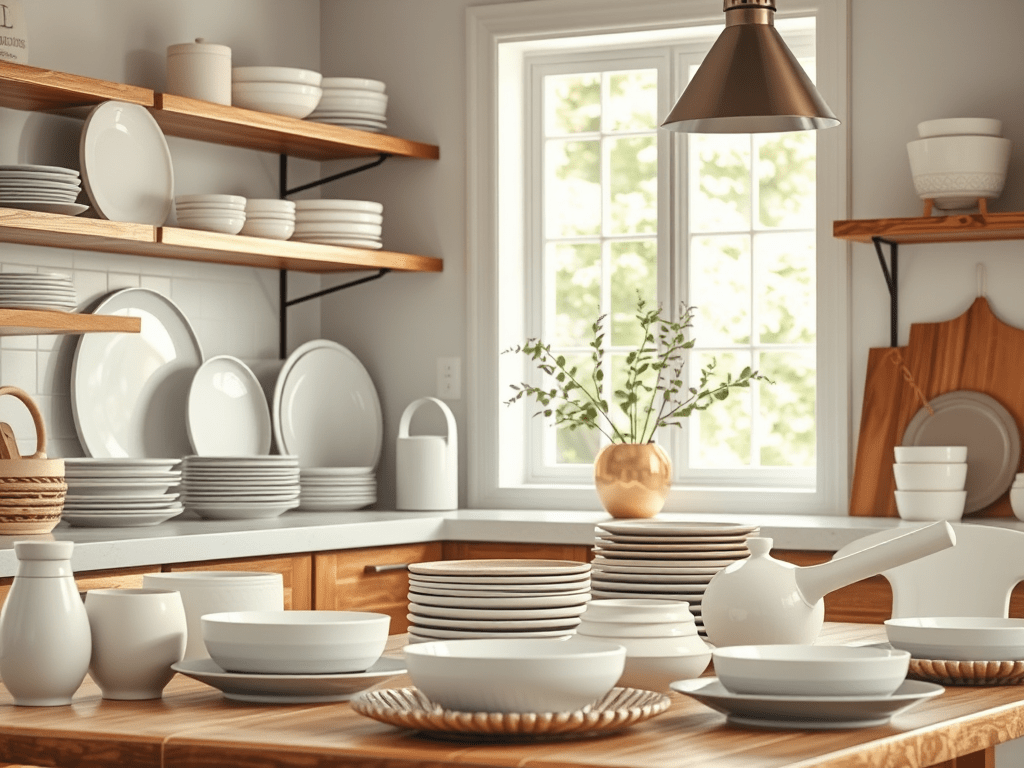
White has always held a special place in home décor. It’s the color of simplicity, purity, clarity—and yet its role in interior design has evolved drastically over time. What began as a practical backdrop has transformed into a deliberate design choice embraced by homeowners, stylists, and architects across every style imaginable.

Today, white is more than a neutral. It’s a statement. But how did we get here?

Let’s explore the evolution of white in home décor—from its humble beginnings to its modern-day dominance.


White as the Original Blank Canvas

Historically, white walls became popular largely out of practicality. Before the advent of richly pigmented, long-lasting paints, whitewash was an affordable and accessible option for most households. It brightened dim rooms, reflected limited natural light, and created a clean, sanitary appearance—something especially valued in older homes without modern lighting and ventilation.

White wasn’t a style choice. It was a necessity.

But this simplicity created something designers would later come to appreciate: a spacious, airy feeling that made even the smallest rooms feel open.


The Shift Toward Minimalism

As the 20th century progressed, design philosophies began to evolve. Movements like Scandinavian minimalism and mid-century modern embraced white not just for function, but for the emotion it evoked.

White suddenly became synonymous with:

  • Calm
  • Order
  • Light
  • Space

Designers realized something important: white acts as a reset button, allowing the architecture and furnishings to take center stage.

Scandinavian homes in particular used white to combat long, dark winters. White walls maximized light, made rooms feel uplifting, and allowed natural materials—wood, leather, wool—to truly shine.


White as a Modern Luxury

Fast forward to the early 2000s, and white entered a new chapter: the era of luxury minimalism.

Think:

  • White marble countertops
  • High-gloss white cabinetry
  • White bedding in boutique-style bedrooms
  • Crisp, gallery-like living rooms

White signaled sophistication. It was clean, crisp, and associated with high-end design. Magazines and home makeover shows emphasized how white could make a home look “expensive” without adding cost—simply by appearing bright, clean, and curated.

This is when white shifted from merely functional to deeply aspirational.


White in Today’s Homes: Still the Go-To Color

Despite new trends—earth tones, bold accent walls, and even the return of deep, moody palettes—white continues to be a go-to color for homeowners. Why?

1. It Works With Every Style

Farmhouse? Modern? Coastal? Boho? Industrial?

White adapts effortlessly. It complements wood tones, pairs beautifully with metallics, and softens bold colors.

2. It Makes Spaces Feel Larger

White visually expands the walls, ceilings, and corners of a space. In smaller homes and apartments, this effect is invaluable.

3. It Highlights Personal Style

White doesn’t compete with décor—it supports it. Wall art, plants, rugs, and furniture all pop against a white backdrop.

4. It Offers Seasonal Flexibility

With white as a base, it’s easy to switch décor seasonally:

  • Warm throw blankets in winter
  • Bright floral accents in spring
  • Natural textures in summer
  • Deep jewel tones in fall

White makes every transition cohesive.

5. It Feels Fresh and Clean

After decades of shifting design trends, one thing hasn’t changed: people want their homes to feel clean, calming, and bright. White still delivers that better than any other color.


The Future of White in Home Décor

While future décor trends may lean into warmer neutrals or moodier palettes, white will always remain a foundation in interior design. Its adaptability, light-enhancing qualities, and timeless appeal make it irreplaceable.

Whether used as a backdrop or as the main star, white brings a sense of peace and possibility into any space—and that’s something homeowners won’t be giving up anytime soon.


Breakfast Bar Seating: How to Choose Options That Are Functional and Stylish


Breakfast bars have become more than just a quick spot to sip coffee—they’re gathering spaces, homework hubs, meal prep stations, and casual dining areas all in one. With such a multifunctional role, choosing the right breakfast bar seating can completely elevate how your kitchen not only looks, but lives. If you’ve ever struggled to find that perfect mix of comfort, function, and style, this guide will walk you through how to get it right.


1. Start With Height: Counter-Height vs. Bar-Height

Before falling in love with a stool, make sure it fits your counter.

  • Counter-height seating: Ideal for surfaces around 36 inches high. Stools typically measure 24–26 inches.
  • Bar-height seating: Best for surfaces around 42 inches high, with stools that stand 28–30 inches tall.

Getting this right ensures your stools feel comfortable, not awkward—allowing just the right amount of legroom.


2. Comfort Matters: Think About Daily Use

Even stylish stools fall short if no one wants to sit in them.

Consider:

  • Back vs. Backless: Backed stools offer better support for longer sitting. Backless stools look cleaner and tuck fully under the counter—a great option for small spaces.
  • Cushioned vs. Uncushioned Seats: Cushioned stools add comfort but may require spot cleaning. Wood, metal, or plastic seats are low-maintenance but may benefit from a seat pad if you host often.
  • Swivel or Stationary: Swivel stools make moving around easy, especially in busy households. Stationary stools provide a tidier, more streamlined look.

3. Choose a Style That Complements Your Kitchen

This is where the fun begins—your stools can subtly blend in or boldly stand out.

  • Modern & Minimalist: Think slim metal frames, molded seats, or neutral upholstery.
  • Farmhouse & Rustic: Wood finishes, cross-back designs, or warm neutral fabrics.
  • Industrial: Metal details, distressed wood, rivets, or darker color palettes.
  • Coastal: Rattan, wicker, soft blues, or natural wood.
  • Classic Traditional: Upholstered seats, tufting, or nailhead trim.

Your stools don’t have to perfectly match your cabinetry or island. Instead, choose seating that complements the overall vibe while adding visual interest.


4. Consider Materials for Style and Durability

Breakfast bars take a lot of traffic—spills, elbows, snacks, and kids.

  • Wood: Warm, classic, and versatile. Great for farmhouse or traditional kitchens.
  • Metal: Durable and modern—fit for industrial and contemporary designs.
  • Upholstery: Adds softness and sophistication, ideal for elevating your kitchen’s look.
  • Faux Leather/Vinyl: Stylish and incredibly easy to wipe clean.
  • Rattan or Woven Seats: Add texture and a natural feel perfect for boho, coastal, or organic-modern styles.

Pick a material that matches your lifestyle just as much as your décor.


5. Decide If You Want Your Seating to Blend or Pop

Breakfast bar seating can act as a subtle extension of your kitchen—or the star of the show.

  • Blend In: Choose colors that match your cabinets, floors, or countertops for a seamless, airy look.
  • Stand Out: Pick bold colors, unique shapes, or textured materials to create a focal point in the room.

If your kitchen is neutral, seating is the perfect opportunity to introduce color or pattern without overwhelming the space.


6. Don’t Forget Scale and Spacing

The rule of thumb: allow 26–30 inches per stool so everyone has elbow room.

Also consider:

  • The width of each stool
  • Whether arms or backs add extra bulk
  • How many stools you realistically need vs. what fits comfortably

Good spacing keeps your kitchen feeling open—not crowded.


7. Add Function Through Thoughtful Features

Little details make a big difference in daily use.

  • Footrests: Essential for comfortable sitting
  • Easy-to-clean surfaces: Especially important for busy families
  • Lightweight designs: Ideal if you frequently move stools around
  • Stackable or tuckable seating: Perfect for small kitchens or multipurpose spaces

Final Thoughts

Breakfast bar seating is one of those home purchases that marries fashion and function—when chosen well, it can completely transform the flow and personality of your kitchen. Whether you lean modern, rustic, bold, or minimalist, the right stools not only elevate your décor but enhance everyday living.

If you’re updating your breakfast nook or designing one from scratch, your seating is the perfect place to showcase your style while keeping comfort at the forefront.


Surround Sound in an Apartment: How to Enjoy an Immersive Experience Without Upsetting Your Neighbors


Living in an apartment shouldn’t mean sacrificing the joy of a fully immersive entertainment setup. Whether you love movie nights, binge-watching your favorite shows, or creating a cozy gaming zone, surround sound adds depth and dimension that a TV’s built-in speakers simply can’t match. But—apartment living also means shared walls, potential noise concerns, and neighbors who may not appreciate the booming soundtrack of your favorite action film.

So, how do you enjoy incredible surround sound in an apartment without stepping on anyone’s toes? Here’s how to strike the perfect balance.


1. Choose the Right Type of Surround Sound for Apartment Living

Not all systems are created equal, and some setups work better in smaller, shared spaces:

✔ Soundbars with Wireless Subwoofers

These deliver rich audio without overwhelming bass that travels through floors and walls. Many soundbars now simulate surround sound beautifully.

✔ Compact Satellite Speaker Systems

If you love true surround sound, look for smaller speakers that mount to the wall or sit on shelves. Choose ones with adjustable volume output and directional controls.

✔ Dolby Atmos Soundbars

Systems with upward-firing drivers offer height and immersion without needing multiple speakers placed around the room.

✔ Headphone-Based Surround Sound

Perfect for late-night streaming or gaming. Modern surround-sound headphones offer a 360-degree experience your neighbors will never hear.


2. Placement Matters More Than You Think

Thoughtful placement can drastically reduce the sound that escapes your apartment.

🎧 Keep Subwoofers Off the Floor

Low-frequency bass travels through floors. Place your subwoofer on:

  • A thick rug
  • A vibration-dampening mat
  • An isolation platform
    This helps absorb and soften vibrations.

🎧 Avoid Putting Speakers Against Shared Walls

Angle them inward or place them on the walls you don’t share with neighbors whenever possible.

🎧 Mount Speakers with Isolation Pads

Mounts with rubber or foam dampen vibrations and stop sound from transferring into the studs of the walls.


3. Make Soft Decor Part of Your Sound Strategy

Your style actually helps with noise control! Soft decor absorbs sound and reduces the amount that escapes your apartment.

Add:

  • Plush rugs
  • Fabric drapes
  • Throw pillows
  • Upholstered furniture
  • Wall tapestries or acoustic-friendly canvas art

These additions act like natural sound dampeners while still fitting beautifully into your home decor.


4. Use Sound Settings to Your Advantage

Modern sound systems are built for flexible living.

Try These Adjustments:

  • Lower bass levels (this is usually the biggest noise offender)
  • Turn on “Night Mode” or “Quiet Mode”
  • Reduce rear-speaker intensity
  • Use directional sound settings so audio aims toward your seating area, not your walls

You’ll still get amazing sound without shaking the floor.


5. Consider Adding Simple Soundproofing

You don’t need to renovate your apartment to reduce noise leakage.

Budget-Friendly Soundproofing Ideas:

  • Use weather stripping around your door to block hallway noise
  • Add stick-on acoustic panels behind your TV
  • Install a large, soft rug under your entertainment area
  • Add bookshelf units with decor (books naturally absorb sound!)

These tricks help contain your audio—plus they elevate your decor.


6. Be a Good Neighbor (It Helps More Than Anything)

A little communication goes a long way.

Friendly Tips:

  • Let your neighbors know you’re installing a sound system
  • Ask if they ever hear noise from your apartment
  • Set a “quiet hours” guideline for yourself—especially for movies with heavy bass
  • Keep high-volume watching earlier in the evening

Most neighbors will appreciate the consideration and be more understanding if occasional noise slips through.


7. Enjoy Surround Sound—The Apartment-Friendly Way

Having surround sound in an apartment is absolutely possible. With the right setup, thoughtful placement, smart decor choices, and a little courtesy, you can enjoy immersive audio without the fear of a noise complaint.

Whether you’re watching the latest blockbuster, hosting a cozy movie night, or leveling up in your favorite video game, great sound enhances everything—and you deserve that experience even in a smaller space.