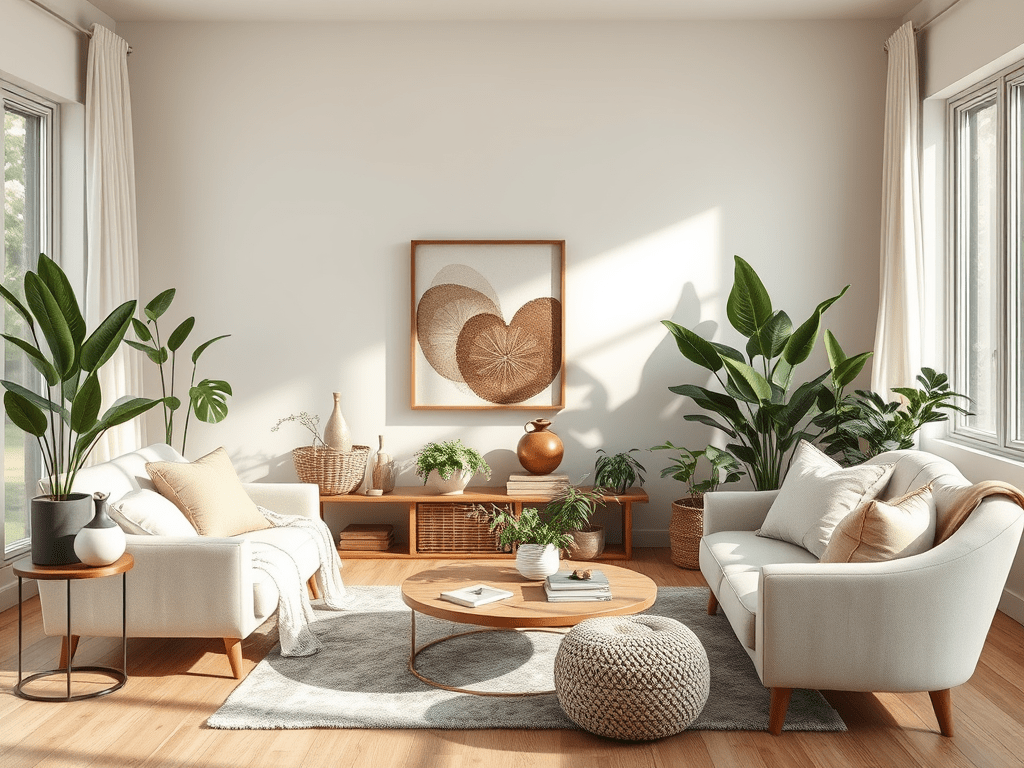
How to Create a Stylish, Storage-Centered Closet That Feels Like a Functional Room in Your Home


A closet isn’t just a place to stash clothes—it’s one of the most underrated spaces in your home. When it’s thoughtfully designed, it becomes a stylish extension of your personality and a highly functional daily-use zone. Whether you’re working with a small reach-in closet or a dreamy walk-in, your closet can absolutely feel like a curated, intentional part of your home.

Here’s how to create a storage-centered, stylish closet that feels like a space you actually want to spend time in.


1. Start With a Clear Vision (and a Clean Slate)

Before you add bins, racks, or shelves, take everything out. Every. Single. Thing.
A blank canvas makes it easier to:

  • See the true size of your space
  • Identify your storage needs
  • Visualize where everything should go

Ask yourself:
Do you want your closet to feel boutique-like? Calm and minimalist? Organized and labeled? Color-coordinated and creative?
Your style will guide your layout and decor choices.


2. Invest in Smart Storage That Works Hard for You

A closet should serve you—not the other way around. Prioritize storage solutions that help you maximize your space.

Shelf Dividers & Stackers

Perfect for sweaters, jeans, and purses so items don’t topple into each other.

Double Hanging Rods

Instantly double your hanging capacity without changing the footprint.

Drawer Units or Modular Cubes

Store smaller items like underwear, socks, accessories, and seasonal pieces.

Pull-Out Baskets

Great for workout clothes, pajamas, or items that don’t need to be folded perfectly.

Over-the-Door Racks

Ideal for shoes, scarves, bags, or even jewelry—using vertical space is everything.


3. Make It Stylish With Small Decor Touches

Style isn’t just for your living room—it belongs in your closet too.

Matching Hangers

This one simple change elevates your closet instantly. Wood, velvet, or acrylic—choose one and stick to it.

A Small Rug or Runner

Softens the room and adds warmth (bonus: protects your floor).

Accent Lighting

Strip lights, motion-sensor LEDs, or a small chandelier make the space feel intentional and luxurious.

Decorative Bins or Baskets

Choose colors and textures that match your home style—boho, minimalist, modern farmhouse, glam, etc.

Framed Art or a Small Mirror

Yes… art in a closet. It makes the space personal and inviting.


4. Curate Your Items Like a Boutique

If you want your closet to feel stylish, don’t overlook how you display your things.

  • Group clothing by type, then by color
  • Fold sweaters uniformly
  • Display handbags standing upright
  • Use hooks to hang hats or accessories
  • Put most-used items at eye level
  • Store seasonal clothing up high or in bins

This approach doesn’t just look great—it also saves time every morning.


5. Add a Functional Touch: Seating, Mirrors, or a Prep Area

To elevate your closet from a storage space to a functional room:

Add a small bench, chair, or ottoman

Perfect for putting on shoes or planning outfits.

Install a full-length mirror

Helps your closet double as a dressing area.

Create a mini styling station

Include a tray or shelf for:

  • Perfume
  • Jewelry
  • Everyday accessories
  • A lint roller
  • A steamer or handheld iron

This transforms your closet into a true getting-ready zone.


6. Keep It Clean and Fresh

A stylish space only feels stylish if it’s maintained.

  • Do a quick tidy weekly
  • Rotate seasonal clothes
  • Use a closet-safe diffuser or cedar balls for freshness
  • Store less-used items up high or in bins

A well-tended closet stays beautiful—and functional—year-round.


Final Thoughts

Your closet doesn’t have to be a forgotten corner of your home. With smart storage, intentional design touches, and a bit of personalization, it can become a space that’s both beautiful and efficient. Treat it like a mini room, and it will reward you with daily ease, clarity, and a hint of luxury.

Are Entertainment Centers Still a Thing? A Modern Guide to TV Stands, Media Cabinets & Home Entertainment Storage


When you think of entertainment centers, you might picture those giant, bulky wall units from the early 2000s — heavy wood, lots of shelving, and a space carved out for your old box TV. But just like everything in home decor, entertainment furniture has evolved. Today’s homeowners want pieces that feel lighter, smarter, and more flexible… yet still stylish enough to anchor the focal point of the living room.

So, are entertainment centers still a thing in 2025?
Absolutely — but with a modern twist.

In this post, we’ll break down the evolving role of entertainment centers, how TV stands have changed, what people are buying now, and whether these pieces are still a go-to for stylish and functional living rooms.


Are Entertainment Centers Still In Style Today?

The short answer is yes, but they are not the oversized units we remember from decades ago. Instead, today’s entertainment centers fall into three major categories: slim consoles, floating units, and custom media walls.

What Changed?

  1. TVs got slimmer — and so did the furniture.
    With flat screens becoming the norm, the need for bulky cabinets disappeared. Modern entertainment units are designed to enhance, not overpower, your room.
  2. Minimalist design trends shifted preferences.
    Today’s homeowners crave clean lines, open shelving, and furniture that blends into the home rather than steals the spotlight.
  3. Homes are smaller, and people want multifunctional furniture.
    Storage is everything. A modern entertainment unit often doubles as a decorative console, display shelf, or even a sideboard.
  4. Tech needs changed.
    Instead of space for DVDs and giant cable boxes, people now need smart cable management, adjustable shelves for gaming consoles, and hidden storage for remotes.

Are Entertainment Centers Still a Go-To for Living Rooms?

For many households, yes — especially if you want your living room to feel organized and elevated.

Why People Still Choose Entertainment Centers

  • They keep gaming consoles, remotes, soundbars, and accessories neatly stored in one place.
  • They make your TV area look intentional and well-designed.
  • They offer space for decor: candles, family photos, baskets, and greenery.
  • They anchor the room, helping create a visually balanced layout.

Even if wall-mounted TVs are becoming more popular, homeowners still want a stylish piece underneath for storage and decor. The TV stand acts as the foundation of the entertainment area.

Why Some People Skip Them

  • For ultra-minimalists, a mounted TV with a single floating shelf is enough.
  • Open-concept spaces sometimes call for lighter furniture.
  • Some prefer to use a dresser or credenza as a multifunctional alternative.

In other words, the entertainment center isn’t disappearing — it’s simply adapting to modern lifestyles.


Modern Types of Entertainment Furniture (Most Popular in 2025)

Whether you prefer a clean aesthetic or a more decorative setup, today’s market offers a wide range of stylish and practical options. Here are the most popular styles homeowners are buying now:


1. TV Stands / Media Consoles

The most common and versatile option. These are usually low, long pieces with a mix of open shelving and closed storage. They’re perfect for:

  • Apartments & small living rooms
  • People who want simple, no-fuss decor
  • Those who prefer flexible furniture they can move around

Design trends: mid-century modern, curved edges, fluted wood, rattan doors, walnut finishes.


2. Floating TV Units

These wall-mounted units offer a clean, modern look and free up floor space. Popular for:

  • Minimalist spaces
  • Small rooms
  • Homes with kids or pets (goodbye, fingerprints on the TV!)

They also create a sleek built-in look without the cost of actual custom cabinetry.


3. Full Entertainment Centers / Media Walls

These haven’t disappeared — they just look different now. Today’s versions are:

  • More modular
  • Less bulky
  • Often combined with LED lighting or adjustable shelves
  • Designed to hide ALL the cords and clutter

They serve as a decorative feature wall and are a favorite in large living rooms.


4. Sideboards and Credenzas Used as TV Stands

A growing trend! Homeowners love repurposing dining furniture as media storage because:

  • Sideboards often have deeper storage
  • They add a decorative, curated look
  • They work for both modern and vintage-inspired homes

These pieces give your home character and don’t feel like traditional TV furniture.


What Are the Most Popular Home Entertainment Storage Items?

Here are the top choices trending right now:

✔ Mid-Century Modern TV Console

Warm wood, slender legs, and clean lines — these remain timeless and work with almost any decor style.

✔ Rattan or Cane-Door Media Units

Perfect for boho, coastal, or organic modern homes. They add beautiful texture.

✔ Modern Black or Walnut Floating Units

These pair well with mounted TVs for a sleek, gallery-style look.

✔ Fluted Wood Media Cabinets

One of the hottest trends in 2024–2025. Fluted patterns create texture without visual clutter.

✔ Industrial Metal + Wood Consoles

Great for lofts, modern homes, or anyone craving a bold, urban feel.

✔ Custom Built-In Units

The ultimate luxury option — perfect for maximizing storage while blending seamlessly into the home.


Featured Options People Love Right Now

Here’s a quick curated list of trendy entertainment cabinet styles people are buying in 2025:

  • Modern Fluted TV Stand
    A bestseller thanks to its rich texture and clean silhouette.
  • IKEA SKRUVBY TV Unit
    Affordable, practical, and modern — a go-to for renters.
  • Rattan TV Stand for 65” TVs (Etsy)
    Handcrafted, stylish, and adds warmth to any room.
  • Walnut Arc TV Stand
    A curved, soft-edge piece that fits beautifully into contemporary homes.
  • Large Entertainment Consoles (Havertys)
    Ideal for bigger living rooms needing lots of storage.

Should You Buy an Entertainment Center for Your Home?

Ask yourself these questions:

Do you need extra storage?

If you have gaming consoles, speakers, remotes, or movies — yes.

Do you want your TV area to feel styled and complete?

A media unit adds polish and balance to the room.

Do you prefer a clean, minimal look?

Then a floating unit or slim console is perfect.

Do you have a large living room with empty wall space?

A full entertainment center or built-in can make a stunning statement.


Final Thoughts: Entertainment Centers Are Here to Stay — Just Smarter and More Stylish

Entertainment centers didn’t fade away — they evolved. Today’s options offer:

  • Sleeker silhouettes
  • Smarter storage
  • Better design flexibility
  • Options for every home size and style

Whether you love a bold media wall or prefer a simple, modern console, your entertainment furniture should complement your décor while keeping your living space functional and organized.

Are Posters and Magazine Covers Still in Style? Bringing 90s Teen Room Vibes Into Today’s Designs


If you grew up in the 90s, you probably remember the true badge of teenage identity: the bedroom walls. Posters from teen magazines, glossy pull-out centerfolds of your favorite celebrities, cut-outs from fashion spreads, and maybe even a few printed-out song lyrics from early internet chatrooms (remember those?). A teen’s room was their personal stage—bold, expressive, slightly chaotic, but full of personality.

Today’s teens decorate their rooms very differently. LED lights, aesthetic wall grids, minimalist gallery collages, and neutral tones dominate modern design trends. But there’s something undeniably charming about the 90s wall décor era—and yes, posters and magazine covers can absolutely still be in style when used with intention.

Let’s dive into how 90s décor influenced teen rooms, whether posters are still cool, and how to incorporate this nostalgic aesthetic into today’s spaces.


The 90s Teen Room: A Collage of Personality

Growing up in the 90s meant one thing: your bedroom walls said everything about who you were.

Back then, teens would carefully flip through magazines like Seventeen, Tiger Beat, Teen People, or Vibe, hunting for the perfect poster to showcase. Sometimes the posters were folded inside the magazine, and opening it felt like discovering buried treasure. Your walls might have held:

  • A pop star you were secretly convinced would marry you
  • Fashion editorials pinned up for outfit inspiration
  • Handmade collages of cut-out words like dream, style, and forever
  • Basketball stars or hip-hop artists taped directly above your boom box
  • Movie posters so large they covered entire sections of drywall

Cute 90s Teen Room Story:
I’ll never forget the moment my friend Kiara proudly announced she had finally achieved her dream 90s room. She had spent the entire Saturday cutting out magazine posters and strategically arranging them on her bright purple walls. When she stepped back, she gasped, grabbed my wrist, and said, “Tell me this doesn’t look like a music video backdrop.” And honestly? It did. The combination of boy band posters, neon doodles, and a glow-in-the-dark star ceiling made her room the spot where everyone wanted to hang out after school. It wasn’t just décor—it was a whole vibe.


Are Posters and Magazine Covers Still in Style Today?

Absolutely—just not in the same way.

While teens today may not tape random magazine pages all over the walls (and many parents would prefer not to damage the paint), posters and magazine-inspired décor are making a comeback thanks to:

  • The rise of retro and Y2K aesthetics
  • A desire for personal expression (beyond the typical LED strip lights)
  • The popularity of vintage prints and graphic art
  • Collage-style photo walls trending on Instagram and Pinterest

The modern take is more curated and aesthetic. Instead of everything-all-at-once, teens are creating intentional gallery walls using:

  • Minimalist frames
  • Coordinated color palettes
  • Retro magazine covers reprinted as high-quality art
  • Vintage concert posters
  • Digital prints styled to look like 90s covers

The charm of posters is back—but with a cleaner, more grown-up twist.


How to Incorporate 90s Style Into a Teen Room Today

Bringing 90s flair into a modern teen’s bedroom doesn’t mean recreating the chaos. It’s all about blending nostalgia with today’s streamlined aesthetics.

1. Create a Curated Poster Wall

Pick a theme—music, movies, fashion, or a specific color scheme—and hang posters in matching frames. It gives that nostalgic cluttered look but with a contemporary sense of order.

2. Use Magazine Covers as Art

Print or purchase iconic 90s magazine covers (think Rolling Stone, Vogue, Vibe, Seventeen) and arrange them in:

  • Slim black frames
  • Acrylic wall mounts for a floating effect
  • A grid pattern for a graphic, impactful wall

3. Add Neon and Glow Elements

The 90s were all about glow—from blacklight posters to glow-in-the-dark stars. Modern versions include:

  • LED neon signs (names, song lyrics, or fun shapes)
  • Removable glow decals
  • Soft neon lamps

These bring the energy without making the room feel dated.

4. Mix Bold Colors With Modern Neutrals

Think pops of hot pink, electric blue, lime green, or purple—but balanced with white, gray, or beige. This keeps the room fun but still cohesive.

5. Bring in 90s Patterns

Add touches like:

  • Checkerboard prints
  • Graffiti-style art
  • Abstract squiggles
  • Colorful geometric shapes

These can be used in bedding, throw pillows, or area rugs.

6. Add a Collage Corner (the Updated Version)

Instead of taping magazine pages to the wall, create a digital collage printed as a large poster. It gives the same vibe while keeping the space modern and neat.

7. Use Vintage-Tech Decor as Accents

Not for actual use, but as aesthetic pieces:

  • A retro-inspired record player
  • A vintage phone
  • A stack of colorful CDs on display
  • A clear storage trunk filled with nostalgic bits

Instant 90s charm.


Final Thoughts: The 90s Are Back—Just More Polished

Posters and magazine covers aren’t just a relic of the past—they’ve evolved into a statement-making décor trend with modern flair. Today’s teens can still express themselves just as boldly as 90s kids did, but with new tools, cleaner lines, and endless possibilities.

If anything, the rise of nostalgia in home décor proves one thing:
The 90s never really left—its influence just keeps getting cooler.


How to Find Your Home Style When You Feel Like You Don’t Have One


If you’ve ever stared at your living room, a blank wall, or even a colorful throw pillow and thought, “Why don’t I have a personal style?” — you’re not alone. Many people feel stuck between trends, overwhelmed by choices, or unsure of what truly reflects who they are. The good news? You do have a personal style. It’s already inside you — it just needs a little discovering.

Finding your home style isn’t about following design rules or copying what you see on Pinterest. It’s about understanding what makes you feel calm, inspired, and at home. Here’s how to uncover your personal style, step by step — even when you feel like you don’t have one.


1. Start With What You’re Drawn To (Even If It Feels Random)

Before you try to label your style, look at the things you naturally gravitate toward — colors, textures, photos, furniture pieces, or even clothing.
Ask yourself:

  • What color palettes make me feel good?
  • Do I like clean lines or cozy softness?
  • Am I drawn to neutrals, patterns, or a mix of both?

You might think your preferences are all over the place, but patterns always emerge. You don’t have to name your style yet — just observe your instincts.


2. Pay Attention to Spaces You Love in Real Life

Think about the places where you feel most comfortable or inspired — a friend’s home, a bookstore, a favorite coffee shop, or even a hotel lobby.

What stands out?

  • The warm lighting?
  • The textures?
  • The layout?
  • The sense of calm or creativity?

Often, we connect with spaces more than we connect with labels like “boho” or “modern farmhouse.” Notice why you enjoy those environments.


3. Create a “No Judgment” Inspiration Folder

Instead of curating the perfect mood board, start a messy inspiration folder on Pinterest, Instagram, or even your phone’s photo album. Save everything that catches your eye — no second-guessing allowed.

After you collect 20–30 images, look back and ask:

  • What keeps repeating?
  • Do you see similar colors, shapes, or layouts?
  • Is there a mood that ties everything together — airy, dramatic, colorful, calm?

This is often where your real home style reveals itself.


4. Learn the Names After You Discover Your Preferences

Many people try to choose a style name first — like Scandinavian, Traditional, Minimalist, Boho — but this can be backwards. Instead, identify what you love, then find the style categories that overlap with those preferences.

Example:
If you love natural wood, soft neutrals, plants, and relaxed textures, your style may lean toward Scandi-Boho or Organic Modern.
If you love bold artwork, deep colors, and statement lighting, you may be heading toward Eclectic or Modern Glam.

Naming your style helps later — but it shouldn’t define you in the beginning.


5. Decorate Room by Room — Not All at Once

Feeling like you don’t have a personal style usually comes from overwhelm. Instead of trying to decorate your entire home, start with one space — a bathroom, entryway, or reading corner.

Focus on:

  • One color palette
  • Two or three textures
  • A few accessories you love

Small successes build confidence and help you understand what feels right for you.


6. Mix Instead of Matching

Your style doesn’t have to fit into one category. In fact, many of the most beautiful homes blend multiple styles:

  • Minimalist + Farmhouse
  • Modern + Rustic
  • Boho + Traditional
  • Mid-Century + Contemporary

You’re allowed to love clean lines and cozy blankets. You can love both bright colors and soft neutrals. Your home style is unique because you are unique.


7. Take Note of What You Don’t Like

Sometimes the easiest way to find your personal style is by identifying what feels wrong.

Maybe you dislike:

  • Overly busy patterns
  • Cold or overly modern spaces
  • Dark rooms
  • Super bright color combinations
  • Too many accessories

Every “nope” brings you closer to your “yes.”


8. Let Your Lifestyle Guide You

Your personal style isn’t just about aesthetics — it’s about how you live.

Consider:

  • Do you want low-maintenance decor?
  • Do you need kid-friendly or pet-friendly furniture?
  • Do you prefer spaces that feel energizing or relaxing?
  • Do you host often or keep things simple?

A style that doesn’t match your lifestyle won’t feel personal — it will feel forced.


9. Give Yourself Permission to Evolve

Your home style doesn’t need to be perfect. It doesn’t even need to be permanent. Your tastes will grow as you do.

You might go from colorful to neutral.
From farmhouse to contemporary.
From cozy clutter to minimal calm.

Style is a discovery, not a destination — and you’re allowed to change your mind.


10. Your Personal Style Is Already There — You Just Need to Notice It

You don’t have to be a designer or an expert to create a home that feels like you. You just need to listen to what you love, pay attention to what inspires you, and allow your preferences to take shape over time.

Your personal style is the collection of small choices that make you feel most at home.
And once you start noticing what speaks to you, you’ll realize — you’ve had a style all along.


A Love Letter to Red: How to Use This Bold, Beautiful Color in Your Home All Year Long


Red is powerful. Red is passionate. Red is unapologetically present.
But for some reason, many people treat it like a seasonal color—something reserved for Christmas décor, Valentine’s Day accents, or fall’s deeper tones.

Today, we’re breaking that myth.
This is a red appreciation post for anyone who loves the color but isn’t quite sure how to use it at home without overwhelming the space. Because here’s the truth:

Red isn’t just a seasonal color. Red is a lifestyle.

And when used intentionally, it can bring warmth, depth, energy, and personality to a room in ways no other color can.


Why Red Deserves a Permanent Spot in Your Home

Red communicates confidence. It draws the eye, lifts the mood, and adds character even in small doses. Plus, red works across multiple décor styles:

  • Modern homes use red for structured, striking accents.
  • Boho spaces lean on earthy reds like terracotta and clay.
  • Traditional homes embrace deep burgundy and wine tones.
  • Minimalist spaces use pops of red to energize neutral palettes.

This is a color that adapts, shifts, and enhances—yet always makes itself known.


How to Use Red Without Overpowering Your Space

You don’t have to commit to a fire-engine-red wall (unless you want to, and honestly… go for it). There are plenty of ways to weave red into your décor in a balanced, thoughtful way.

1. Start with Small Accents

If you’re color-shy, this is your easiest entry point.

  • Throw pillows
  • Picture frames
  • Books
  • Candles
  • Vases

These add pockets of warmth without dominating the room.

2. Introduce One Statement Red Piece

When red stands alone, it becomes intentional instead of overwhelming.
Think:

  • A velvet red accent chair
  • A red ceramic lamp
  • A glossy red coffee table tray
  • A bold red rug under a neutral sofa

One strong piece feels curated, not chaotic.

3. Choose the Right Shade for the Mood

Red is not one-size-fits-all.

  • Crimson → dramatic and elegant
  • Cherry red → energized and fun
  • Terracotta → warm and earthy
  • Burgundy → cozy and romantic
  • Rust red → grounded and sophisticated

If you match the undertone to the atmosphere you want, red becomes surprisingly easy to style.

4. Pair Red with Calm Colors

Neutral partners help red shine.
Try pairing red with:

  • Soft whites
  • Creams and beiges
  • Charcoal gray
  • Warm wood tones
  • Matte black (for contrast)

These combinations create balance and prevent visual heaviness.

5. Use Patterns to Soften It

Florals, stripes, plaids, and abstract prints can introduce red in a subtle, blended way.
Patterned curtains, throw blankets, or bedding keep red from feeling like a solid “block” of color.

6. Bring It Into the Kitchen and Dining Room

Red stimulates conversation—and even appetite.
This makes it a natural fit for:

  • Bar stools
  • Dinnerware
  • Backsplash tile
  • Textiles like napkins and table runners

And yes, a red small appliance here and there just looks happy.

7. Add Red Through Wall Art

If you want a no-commitment approach, artwork is your best friend.
A print with red accents becomes an instant focal point without demanding the entire room revolve around it.


Where Red Works Best (According to Vibe)

  • Living Room: pillows, art, an accent chair
  • Bedroom: bedding patterns, lamps, a rug with red threads
  • Office: red desk accessories or a bold chair to spark creativity
  • Kitchen: cookware, stools, dish towels, small appliances
  • Bathroom: patterned shower curtain, towels, or artwork

Red even looks great in kid-friendly spaces—think playrooms or reading nooks—because it brings cheerful energy.


Final Thoughts: Let Red Be Fearless (and Still Balanced)

Red doesn’t need to take over your home to make a statement.
And it certainly doesn’t need a holiday to justify its presence.

It just needs intention.

Sprinkle it in or make it bold. Choose a shade that matches your personality. Let it warm, energize, and inspire your space. When used thoughtfully, red becomes an anchor—a color that reminds you to live fully, love deeply, and show up boldly in your own home.

This year, and every year, let’s appreciate red for the vibrant powerhouse it truly is.