Why Trees Are a Must-Have for Your Home: Beauty, Purpose & Perfect Curb Appeal


When you’re house hunting, you probably look for the usual things—an updated kitchen, a spacious living room, maybe a cozy nook for reading or working. But there’s one feature many of us overlook until we see it, feel it, and instantly fall in love: the trees.

Whether you’re someone who must have a tree in your front yard, back yard, or both, you’re not alone. Trees carry an emotional weight that goes deeper than simple landscaping. For many homeowners, a tree isn’t just a plant—it’s a piece of home.


Are You the Kind of Person Who Needs a Tree?

Some people won’t even consider a house unless it comes with a little shade and a view of branches swaying in the breeze. And honestly? There’s a good reason for that.

If you’re someone who needs a tree (or a few!) on your property, you probably value:

A Sense of Serenity

Trees instantly calm a space. Looking out your window and seeing greenery can lower stress, boost your mood, and make your home feel like a restful retreat.

A Strong Connection to Nature

Trees bring life right to your doorstep. Birds, butterflies, and sunlight filtering through leaves remind you that your home is part of something bigger.

Shade & Comfort

Some of us simply need a shady spot to sip morning coffee or a cool backyard corner to escape the summer heat.


Why Trees Are a Must-Have When Buying a Home

Even if you’re not naturally tree-obsessed, trees add tremendous value to your home—practically and emotionally. Here’s why they matter:

1. Curb Appeal

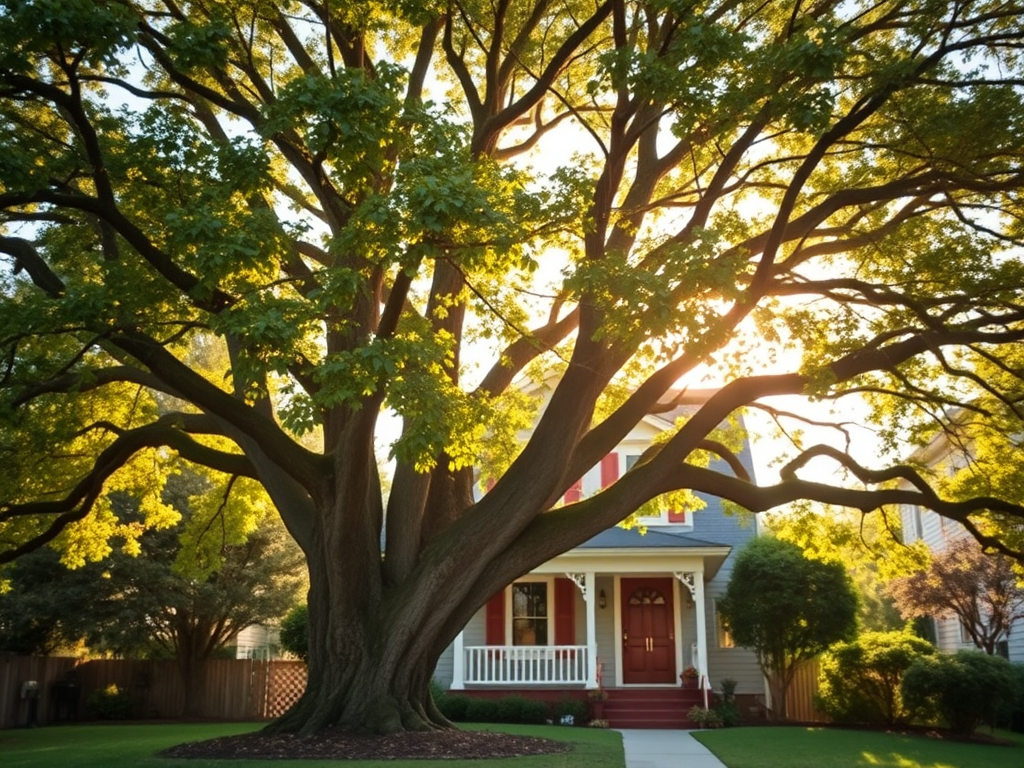
A mature tree immediately makes a home feel established, inviting, and well-loved. It frames the house, softens lines, and elevates your exterior just like the right rug does indoors.

2. Environmental Benefits

Trees clean the air, reduce noise, and even help cool your home naturally. A strategically placed tree can lower your energy bill by shading windows and reducing heat gain.

3. Long-Term Value

Homes with healthy trees often have higher property values. In fact, many buyers view a large, beautiful tree as an asset—something that takes years to grow but adds instant charm.

4. Emotional Warmth

There’s something magical about watching a tree change with the seasons—new leaves in the spring, shade in the summer, color in the fall. It gives your home a rhythm and a personality.


What Is the Purpose of Trees Around the Home?

Aside from their beauty, trees serve several important purposes:

  • Privacy – Natural screening from neighbors or busy streets
  • Shade – Energy savings and outdoor comfort
  • Windbreaks – Protection from harsh weather
  • Habitat – Welcoming wildlife that brings your yard to life
  • Structure – Helping shape the yard and guide outdoor design
  • Symbolism – Growth, stability, and new beginnings

Many homeowners even plant a tree to mark a special occasion—a birth, anniversary, or major milestone.


How People Make Trees Part of Their Home Decor

Trees aren’t just background scenery—they often become part of a home’s design story, indoors and out. Here’s how:

Outdoor Decor Pairings

  • Hanging lights from branches for a cozy backyard glow
  • Placing a bench or hammock beneath a tree for a curated relaxation zone
  • Creating stone or mulch circles around the base to make them look intentional and styled
  • Adding seasonal decor—lanterns, ornaments, or planters—to highlight their beauty

Indoor Style Inspiration

  • Using tree views as “living artwork” framed by windows
  • Decorating with wood textures that reflect the outdoor greenery
  • Bringing in small indoor trees, like fiddle leaf figs or olive trees, to mimic the natural aesthetic
  • Displaying photos, prints, or artwork of trees to create a cohesive vibe

Final Thoughts: Trees Just Make a Home Feel Like… Home

Whether you’re drawn to the shade, the symbolism, or the pure beauty of a tree-filled yard, one thing is clear: trees transform a house into a sanctuary. They’re not just part of the landscape—they’re part of the lifestyle.

So if you’re looking for a new home and you feel yourself leaning toward the property with that perfect front-yard maple or the backyard oak with a swing… trust your instinct. Trees have a way of grounding us, welcoming us, and making our homes feel complete.


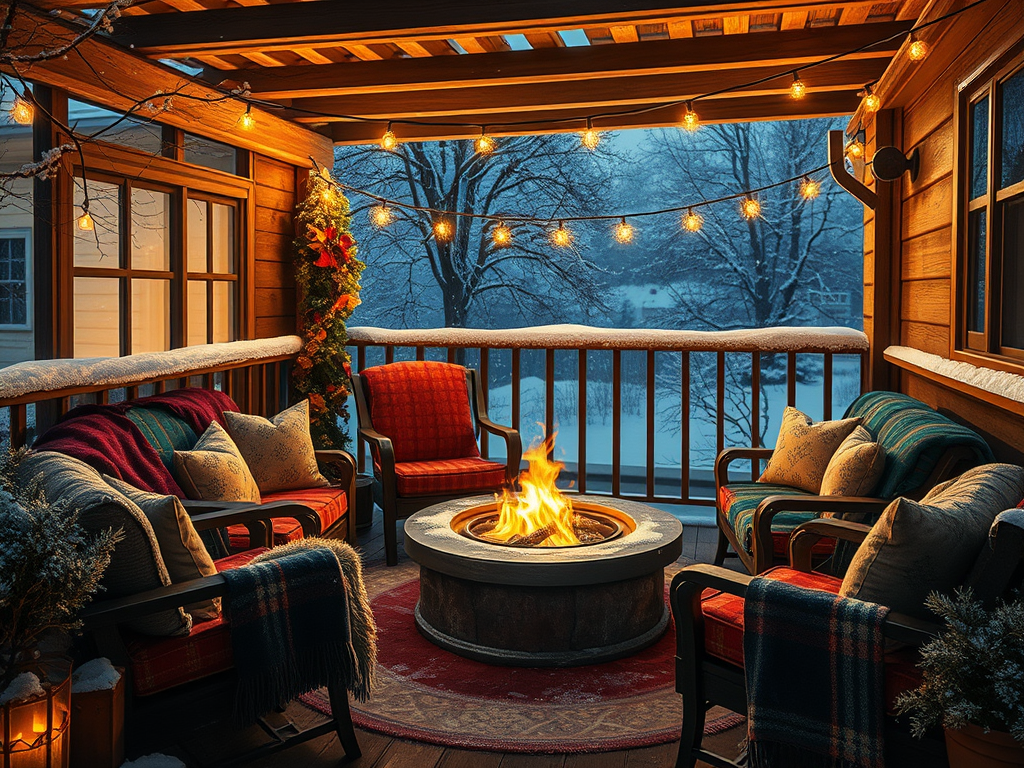
How to Keep Your Outdoor Space Functional During the Winter Months


When winter arrives, many homeowners abandon their outdoor spaces until spring. But your porch, patio, balcony, or backyard doesn’t have to hibernate just because the temperature drops. With a little creativity and a few practical upgrades, your outdoor area can remain cozy, inviting, and functional all season long.

Here’s how to make the most of your outdoor space in the winter—without freezing your fingers off.


1. Warm Up the Space With Heat Sources

Just because it’s cold doesn’t mean you can’t enjoy fresh air. The key? Adding warmth.

Popular outdoor heating options include:

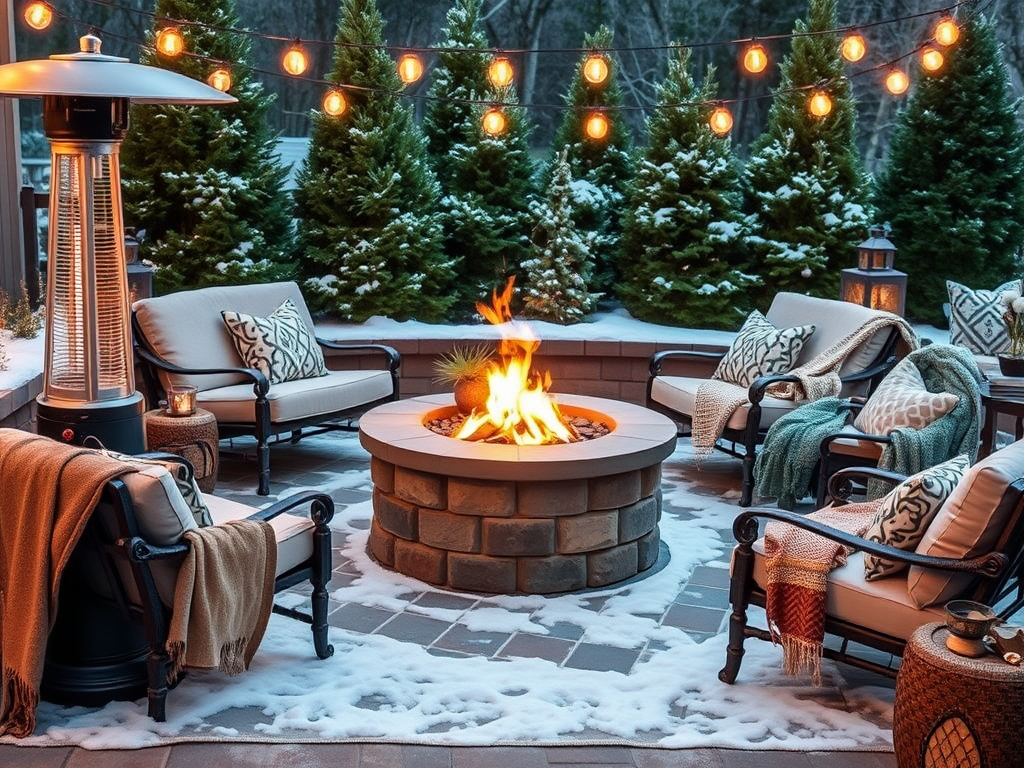
  • Electric patio heaters — Safer for enclosed porches or small patios.
  • Fire pits or fire tables — Perfect for gathering with friends or enjoying a quiet evening outside.
  • Portable propane heaters — Great for larger spaces that need targeted warmth.
  • Heated blankets or cushions — An inexpensive, cozy upgrade for any seating area.

When choosing a heater, be sure to consider safety clearances and local regulations, especially for fire pits.


2. Winter-Proof Your Seating Area

Cold weather can be harsh on fabrics and materials. Swap or layer your decor to winter-proof your furniture.

Winter seating tips:

  • Use weather-resistant cushions and textiles designed for colder climates.
  • Add outdoor rugs for warmth underfoot and to protect your deck.
  • Keep throws and blankets in a waterproof outdoor storage bin so they stay dry and ready to use.
  • Choose durable furniture materials like metal, teak, or all-weather wicker.

3. Bring the Light Back In

Winter days get darker earlier, so lighting is essential.

Lighting ideas to brighten your space:

  • String lights for ambiance and warmth.
  • Solar or LED lanterns placed along pathways or around seating.
  • Motion-sensor lights for safety on icy nights.
  • Candles or battery-operated faux candles for a cozy glow.

Layered lighting makes your outdoor space not only beautiful, but usable even after sunset.


4. Add Winter-Friendly Greenery

Plants don’t have to disappear in the winter. Some even thrive in the cold.

Consider adding:

  • Evergreen shrubs in pots (boxwood, juniper, dwarf spruce)
  • Winter pansies or hellebores for color
  • Dried winter arrangements in planters (pinecones, branches, berries)
  • Faux greenery for a low-maintenance option

These touches keep your outdoor space from feeling bare and lifeless.


5. Use Outdoor Curtains or Windbreaks

To make your space more comfortable, block the cold wind.

Options include:

  • Outdoor curtains
  • Portable screens
  • Tall planters or shrubs
  • Pergola side panels

A windbreak instantly makes your space feel warmer and more enclosed—without shutting out nature.


6. Create Zones for Different Activities

Even in winter, your outdoor space can serve multiple purposes.

You can create:

  • A hot beverage corner with a small outdoor cart stocked with mugs, blankets, and cocoa mix.
  • A reading nook with cozy cushions, a heater, and lanterns.
  • A fire pit gathering area for roasting marshmallows.
  • A pet-friendly space with warm bedding and a sheltered spot for fresh air.

Zoning makes your outdoor space feel organized and intentional, no matter the temperature.


7. Keep It Clean and Safe

Snow, ice, and winter debris can make outdoor areas slippery or unusable. A little maintenance goes a long way.

Winter upkeep tips:

  • Regularly sweep snow from furniture and rugs.
  • Use ice melt to prevent walkways from becoming hazardous.
  • Cover furniture you’re not actively using.
  • Keep pathways clear and dry for safety.

Maintaining your outdoor space keeps it functional—even on the coldest days.


Final Thoughts: Your Outdoor Space Doesn’t Have to Hibernate

Winter may be chilly, but your outdoor space can still be warm, inviting, and highly functional with a few thoughtful touches. Whether you want a cozy retreat, an entertaining area, or a place to relax with your morning coffee, you can design a winter-friendly outdoor oasis that works all season long.

How to Prep Your Lawn for Winter: When and How to Get Ready for the Cold


As fall settles in and the air turns crisp, your home isn’t the only thing that needs some seasonal preparation—your lawn does too. While it might seem like grass goes dormant once the temperatures drop, the truth is that how you care for your lawn in fall directly affects how healthy and green it will look when spring rolls around.

The question is: how early should you start preparing your lawn for the bitter cold and snow? Let’s dive into the timing and steps that will help you protect your yard from winter’s harsh effects.


When to Start Preparing Your Lawn for Winter

The best time to start winterizing your lawn is in early to mid-fall—roughly 6–8 weeks before the first expected frost in your area. This timing gives your grass a chance to absorb nutrients and strengthen its root system before it becomes dormant.

If you wait too long, the ground can become too cold to take in fertilizer or seed. Start early enough, and you’ll set the stage for a lush, resilient lawn next spring.


1. Give Your Lawn a Final Mow (But Don’t Go Too Short)

As temperatures cool, gradually lower your mower blade each time you cut. For the last mow of the season, aim for your grass to be around 2 to 2.5 inches tall.

  • Too long, and it can mat under snow, inviting mold and disease.
  • Too short, and roots are left exposed to frost.

Finding that balance helps protect your lawn throughout the freezing months.


2. Rake and Remove Leaves

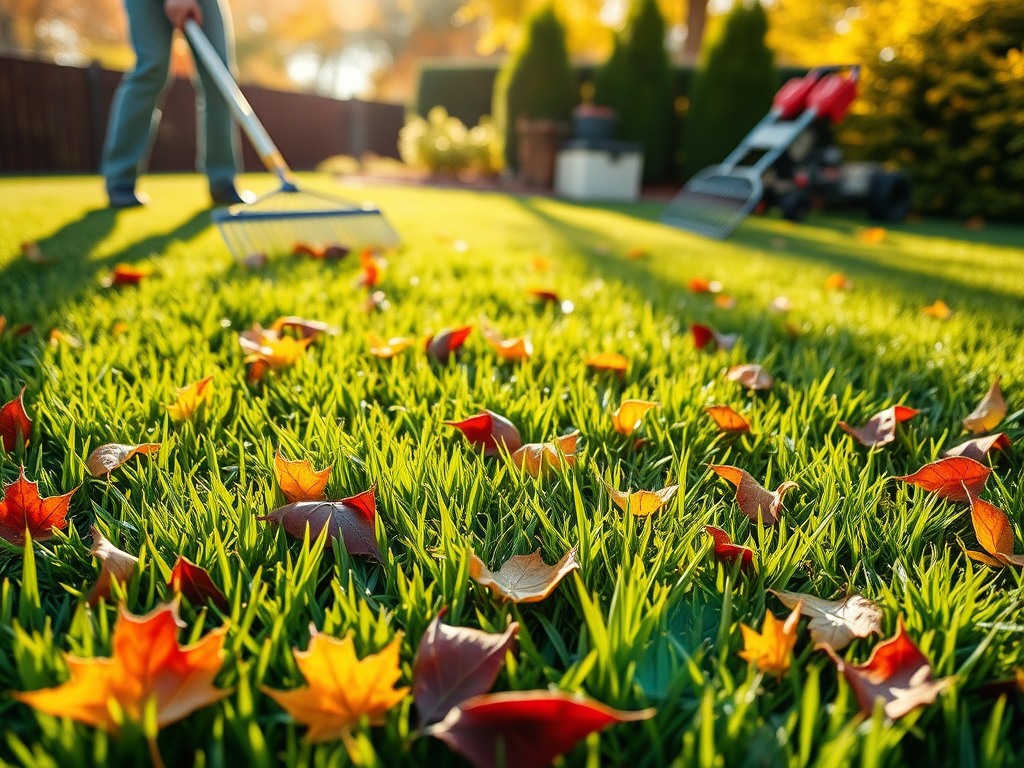
While autumn leaves are beautiful, leaving them on your lawn can cause problems. A thick layer of leaves blocks sunlight and traps moisture, creating a breeding ground for fungus.

Try raking or mulching leaves weekly during fall. If you have a mulching mower, use it to shred leaves into tiny pieces that can act as natural compost—feeding your lawn instead of smothering it.


3. Aerate the Soil

Fall is the perfect time to aerate your lawn, especially if your soil is compacted. Aeration allows water, oxygen, and nutrients to reach the roots more effectively. You can rent an aerator or hire a lawn care service to handle it for you.

Aerating before fertilizing ensures your grass absorbs every bit of the nutrients you add next.


4. Apply a Fall Fertilizer

One of the most important steps in prepping your lawn for winter is applying a slow-release fall fertilizer. This gives your grass the nutrients it needs to strengthen roots and store energy for spring.

Look for fertilizers high in potassium and nitrogen, which promote root health and cold resistance. Apply it in late fall, just before the ground begins to freeze.


5. Overseed Bare Spots

If your lawn has thin or bare patches, fall is the time to overseed. Cooler weather and moist soil create the ideal conditions for seed germination.

Rake the area lightly, sprinkle grass seed, and water regularly until the new grass takes hold. This helps prevent weeds from taking over and keeps your lawn looking full come spring.


6. Water Before the Freeze

Even though the days are cooler, your lawn still needs water. Continue watering until the ground starts to freeze. Moist soil protects roots better than dry soil and helps your lawn stay healthy through the winter.


7. Clean and Store Lawn Equipment

Once your final mow is done, take the time to clean and service your lawn tools and mower. Drain fuel, sharpen blades, and store everything in a dry, sheltered place. This small step saves you time and headaches when spring rolls around again.


A Little Fall Effort = A Healthier Spring Lawn

Prepping your lawn for winter doesn’t require much—just a bit of planning and consistency. Starting early ensures that your yard is ready to withstand snow, ice, and freezing temperatures without damage.

By the time spring returns, you’ll be rewarded with a greener, fuller, and healthier lawn that’s ready to shine once again.


Pro Tip: Mark your calendar for early fall each year as “lawn prep season.” A little work now pays off in a beautiful yard you can enjoy all spring and summer long.


Decorating Your Outdoor Space for Fall: How to Transition Seamlessly


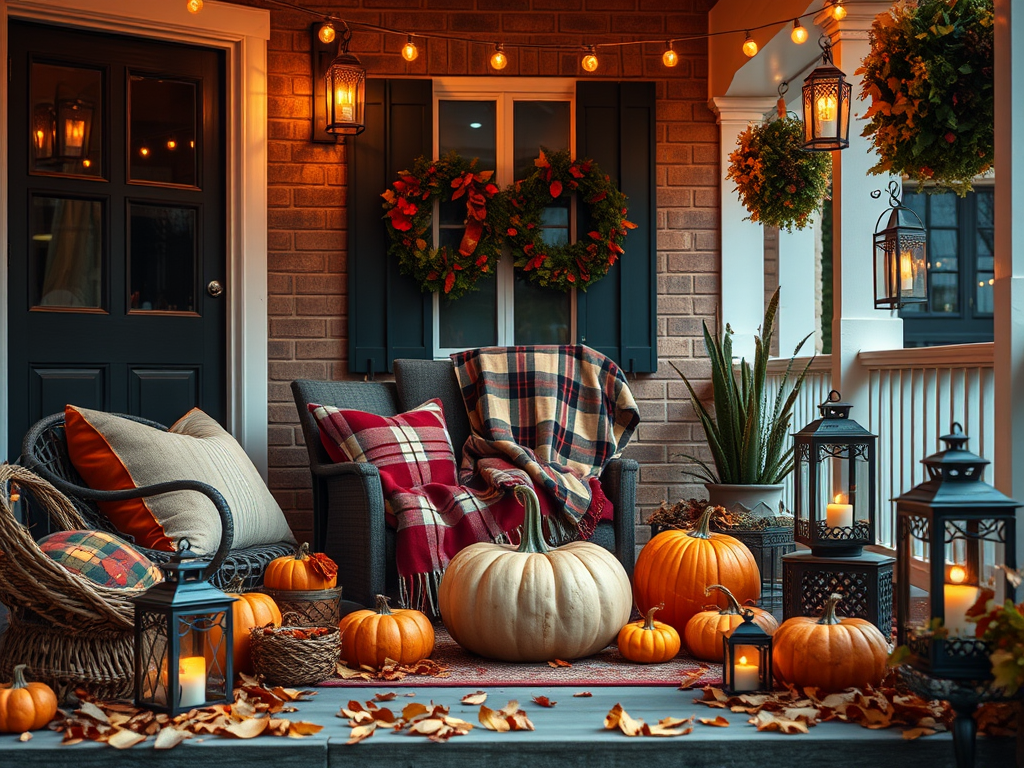
Fall brings crisp air, cozy colors, and that irresistible pumpkin-spice feeling. Just as we update our homes inside for the season, our outdoor spaces deserve the same attention. From swapping out summer furniture fabrics to adding warm lighting, fall décor outside can make your porch, patio, or backyard feel like an autumn retreat.

How Do You Prepare for Fall?

Preparing for fall doesn’t have to mean starting from scratch—it’s about transitioning thoughtfully. The first step is maintenance: clean your outdoor furniture, sweep away summer leaves and pollen, and check that your cushions, rugs, and lighting are still in good shape. Then, start layering in seasonal elements that highlight fall’s beauty.

Some people go all-out—think corn stalks, hay bales, and giant pumpkin displays—while others prefer subtle touches like a plaid throw blanket over a chair or a lantern by the door. Either way, it’s about creating warmth and comfort that reflect the season.

Do You Transition Outdoor Decor Each Season?

Many people transition indoor décor with the seasons, but outdoor spaces often get overlooked. Yet, your porch or patio is the first thing guests see—it sets the tone. Swapping out seasonal accessories doesn’t have to be overwhelming:

  • Spring/Summer: Bright cushions, floral patterns, lightweight fabrics.
  • Fall: Cozy textures, warm colors (think burnt orange, deep red, and mustard yellow), natural elements like gourds and mums.
  • Winter: Evergreens, twinkling lights, faux fur throws.

Even small changes, like updating your doormat or switching pillow covers, can give your outdoor space a fresh seasonal feel without breaking the budget.

How to Prep Your Outdoor Space for Fall

Here are some easy steps to get your outdoor space fall-ready:

  1. Swap Textiles – Replace light summer cushions with deeper tones and heavier fabrics. Add plaid or knit blankets for chilly evenings.
  2. Add Seasonal Plants – Mums, ornamental kale, and pumpkins instantly bring fall vibes to a patio or porch.
  3. Incorporate Warm Lighting – String lights, lanterns, or even candles (battery-operated for safety) make spaces inviting on shorter days.
  4. Layer in Natural Elements – Hay bales, cornstalks, pinecones, and wooden crates create a rustic autumn look.
  5. Keep Function in Mind – As temperatures drop, consider a fire pit, outdoor heater, or simply arranging seating around a cozy focal point.
  6. Transition Furniture (Optional) – If you enjoy refreshing your look, swap out slipcovers or add new throw pillows to give existing furniture a seasonal twist.

Cool Fall Decor Ideas to Try

Want to take your outdoor space to the next level? Try some of these simple but stunning fall decor ideas:

  • Pumpkin Tower: Stack pumpkins of different sizes on top of each other for a statement piece by the front door.
  • Rustic Ladder Display: Lean a wooden ladder against the wall and decorate it with cozy throws, lanterns, and mini pumpkins.
  • Barrel Planters: Fill half-barrels or large baskets with mums, sunflowers, or dried wheat stalks.
  • Lantern Pathway: Line your walkway with lanterns or mason jars filled with candles (LED for safety).
  • Autumn Wreath: Hang a wreath made of corn husks, berries, or faux leaves on your front door for instant fall charm.
  • Plaid Accents: Mix in plaid cushions, throws, or even a table runner on your outdoor dining set for a classic seasonal look.
  • Cozy Fire Corner: Arrange chairs around a fire pit or chiminea, and add baskets with blankets for chilly nights.
  • Harvest Table Setup: Style your outdoor table with pumpkins, eucalyptus, and wood slice chargers for fall gatherings.

Making the Most of Your Outdoor Space

Fall is about slowing down, gathering with loved ones, and enjoying the beauty of changing seasons. By giving your outdoor area some seasonal love, you create a welcoming extension of your home that makes sipping cider or watching the leaves fall even more enjoyable.

Whether you fully redecorate each season or just sprinkle in a few autumn touches, your outdoor space can be as inviting as the indoors.


How to Incorporate Your Kids into Your Outdoor Space (Without Sacrificing Style)


When designing an outdoor space, many of us dream of serene seating areas, string lights twinkling overhead, and perfectly curated planters. But if you’re a parent, there’s another reality to consider—how do you blend your children’s outdoor toys, swing sets, sandboxes, or playhouses into the design without your backyard feeling like a preschool playground?

Good news: you can create a stylish and family-friendly outdoor area. It just takes a little creativity, balance, and a few thoughtful choices. Here’s how to make your kids feel at home in your backyard and still stay true to your aesthetic.


1. Choose Natural Materials

Plastic playsets in primary colors can clash with a cohesive outdoor look. Instead, opt for swingsets, climbing structures, or sandboxes made from natural wood or muted tones. Cedar or pine structures blend beautifully with most backyard designs, especially if your space leans rustic, farmhouse, boho, or Scandinavian.

Example:
A cedar A-frame swing with rope swings and a wooden ladder can easily complement a patio with wicker furniture and jute rugs. Add a soft tan or sage-green canopy to the top for both shade and style.


2. Paint to Match Your Palette

Many wooden playhouses or sandboxes come unfinished. This gives you a great opportunity to paint or stain them in colors that align with your outdoor theme.

Example:
If your patio is done in whites, blacks, and neutrals, paint the playhouse a soft charcoal or creamy white. Add gold hardware or a mini black lantern for a stylish touch that matches your home’s exterior.


3. Add Landscaping Around the Play Area

A little landscaping goes a long way in helping kid zones feel more integrated into the space. Border their area with low-maintenance shrubs, decorative grasses, or even large planters. This defines the area while keeping it visually connected to the rest of the yard.

Example:
Use wooden raised beds to frame a sandbox. Plant lavender or rosemary around it—bonus: they smell great and deter bugs!


4. Incorporate Storage with Style

Toys have a way of taking over. Keep things tidy with outdoor storage solutions that double as décor.

Example:
Use a rattan outdoor bench with hidden storage to stash balls, water toys, or chalk. Or tuck a painted wooden toy chest near the playhouse that matches the furniture on your deck.


5. Designate Zones

Create “rooms” in your backyard just like you would indoors. This helps kids understand where their space is and helps adults maintain a sense of order and design.

Example:
One corner of your yard can hold a playhouse and sandbox. Another can have a cozy reading area with a teepee or tent for quiet time. Use outdoor rugs or pea gravel to separate areas visually.


6. Make Play Décor a Feature

Instead of hiding your kids’ things, make them part of the statement. Choose whimsical, well-designed play pieces that become outdoor focal points.

Example:
A white wooden teepee with twinkling fairy lights is a magical addition to a boho-inspired yard. Add a few soft outdoor pillows and it becomes a cozy hideaway for your kids and a photo-worthy corner.


7. Choose Timeless Over Trendy

When buying swingsets or large toys, think long-term. Go for classic styles that age well and can be updated as your child grows.

Example:
A modular wooden play structure that starts with a slide and swing can later be turned into a fort, reading nook, or climbing wall with a few simple additions.


Final Thoughts

Your outdoor space should feel like an extension of your home—and everyone who lives in it. By choosing play pieces that complement your design, integrating natural materials, and styling around the toys, you can create an environment that delights your children and reflects your personal taste.

After all, home is where life happens—and that includes digging, swinging, and making backyard memories.