

The Color Blue: A Timeless Shade That Defines Style and Calm


Blue — serene, deep, and endlessly versatile — has captured hearts, cultures, and canvases for centuries. From ancient dyes that were once more valuable than gold to today’s denim jeans and digital screens, blue has always stood for both sophistication and simplicity. Whether you’re talking fashion, home decor, or personal style, blue remains one of the most beloved colors in the world.

Let’s explore why.


The History of Blue: A Rare and Regal Beginning

For most of human history, blue was incredibly rare. Ancient artists couldn’t easily find natural pigments that produced it. The Egyptians were the first to create a synthetic blue dye around 2200 B.C. — known today as Egyptian blue — by heating sand, copper, and limestone. This vibrant hue was used to decorate tombs, jewelry, and statues, symbolizing the heavens and divine protection.

Centuries later, the lapis lazuli stone from Afghanistan became the source of ultramarine, one of the most expensive pigments ever made. Artists during the Renaissance reserved it for the robes of the Virgin Mary to symbolize purity, trust, and spirituality. It wasn’t until the 18th century that Prussian blue, a synthetic pigment, was accidentally discovered, making blue more accessible to the masses — and sparking a global love affair with the color.


The Shades of Blue: From Sky to Sea

Blue comes in countless shades, each carrying its own energy and emotion. Some of the most iconic include:

  • Navy Blue – Deep and elegant; often associated with sophistication, power, and formality.
  • Sky Blue – Light and airy; evokes freedom, calm, and optimism.
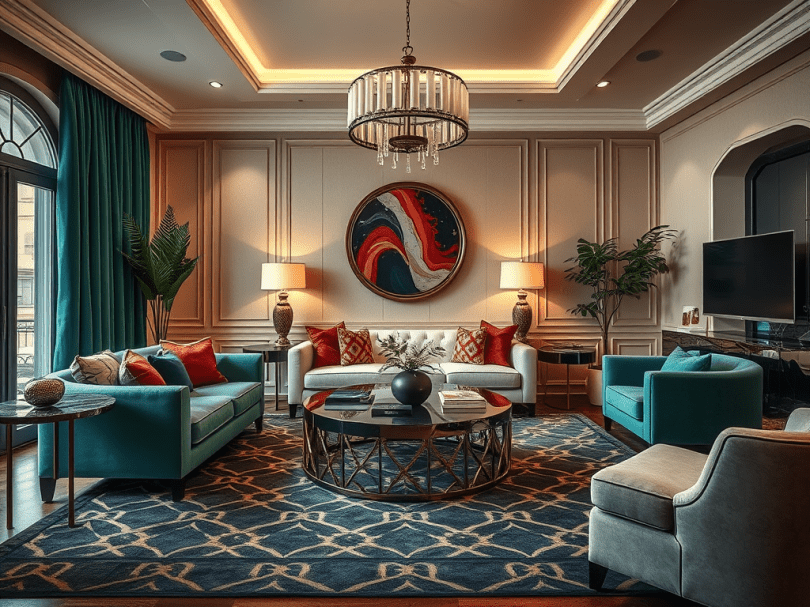
  • Turquoise – A refreshing blend of blue and green; symbolizes creativity, emotional balance, and coastal charm.
  • Cobalt Blue – Bold and modern; vibrant enough to make a statement yet timeless enough to blend with neutrals.
  • Teal – Muted and moody; offers a modern twist with depth and mystery.
  • Baby Blue – Soft and gentle; often linked to serenity, innocence, and simplicity.

Whether deep or delicate, blue can adapt to any style or atmosphere — it’s no wonder it continues to reign as one of the most loved colors in design and fashion.


Why Blue Is One of the Most Popular Colors

There’s science behind blue’s universal appeal. Psychologically, blue evokes feelings of trust, calm, and reliability — qualities that humans instinctively seek in their surroundings. It’s often used by brands to communicate dependability (think of tech companies, banks, and airlines).

Culturally, blue represents tranquility and stability, reminding us of the ocean and sky — two constants in our world. In the home, blue can make a space feel more peaceful and balanced. In fashion, it’s effortlessly versatile — flattering on all skin tones and appropriate for nearly every occasion.

Simply put, blue is a color that feels safe, stylish, and timeless.


How to Use Blue to Fix or Redefine Your Style

If your wardrobe or home decor feels unbalanced, adding blue can bring harmony and direction. Here’s how:

1. In Home Decor

  • Start with walls or accents: Light blues open up small spaces, while navy or cobalt adds depth and drama.
  • Mix textures: Pair soft blue fabrics with natural woods, metals, or white tones for balance.
  • Layer shades: Don’t be afraid to mix multiple blues — like sky, denim, and navy — for a coastal or modern layered look.
  • Accent pieces: Blue throw pillows, rugs, and artwork can instantly refresh a neutral room.

2. In Fashion

  • Build a capsule wardrobe: A navy blazer, light denim, or a cobalt scarf can instantly elevate your everyday style.
  • Mix with neutrals: Blue pairs beautifully with white, beige, gray, or black — a timeless combination that never feels overdone.
  • Experiment with undertones: If you prefer warmth, lean toward teal or turquoise. For a cooler palette, icy or slate blues may be your match.

3. In Personal Branding or Lifestyle

Blue conveys confidence and calm — perfect for anyone wanting to express professionalism without being flashy. From your social media palette to your living space, blue tells the world that you value trust, balance, and timeless style.


In the End: Blue Never Fades

From the ancient world to modern design studios, blue has always been a color of calm authority and enduring beauty. It’s a bridge between creativity and reliability — equally suited to bold statements and quiet elegance. Whether you’re updating your home, refining your wardrobe, or simply looking for inspiration, blue can help you reset your style and reconnect with what truly feels like you.

The Art of Window Treatments: Finding the Perfect Balance of Style and Function


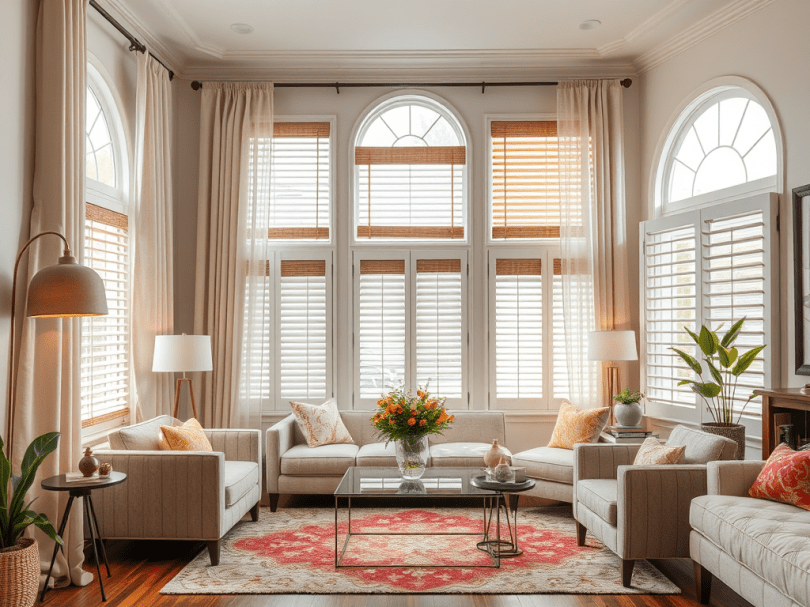
When it comes to decorating your home, few details make as big of an impact as window treatments. They do more than just provide privacy—they soften a room, frame a view, and help tie your entire space together. Whether you prefer something sleek and modern or warm and traditional, the right window treatment can completely transform the look and feel of your room.

But what exactly are window treatments, and how do you choose the right ones for your home? Let’s explore the options, styles, and why it’s worth putting thought into this important design detail.


What Are Window Treatments?

Window treatments refer to any type of covering or dressing used to enhance or manage a window. They can control light, improve insulation, provide privacy, and—of course—add a decorative element. There’s no one-size-fits-all approach, and that’s the beauty of it! Your choice depends on your home’s style, the room’s purpose, and your personal preferences.


The Different Types of Window Treatments

Here are some of the most common types you’ll find—and how each one contributes to your decor:

1. Curtains

Curtains are fabric panels that hang from a rod, available in countless colors, patterns, and materials. They can be light and airy for a breezy look or heavy and lined for more formal settings. Curtains are ideal for bedrooms, living rooms, and dining areas where style and privacy both matter.

2. Drapes

Often confused with curtains, drapes are typically made from thicker fabrics and lined to block out more light. They offer a more structured, elegant appearance—perfect for formal living spaces or bedrooms where you want to create a cozy, luxurious feel.

3. Blinds

Blinds are made of slats or vanes that can tilt open or closed. They come in wood, faux wood, aluminum, or vinyl, offering excellent light control and a streamlined look. Blinds work well in offices, kitchens, and bathrooms where practicality meets simplicity.

4. Shades

Shades are fabric panels that roll, fold, or pleat up and down. They come in a variety of styles—Roman, roller, cellular, and woven wood, to name a few. Shades provide a softer look than blinds and can filter or block light depending on the fabric you choose.

5. Shutters

Shutters are solid window coverings with adjustable louvers, often made from wood or composite materials. They add architectural charm and are great for maintaining privacy while letting in natural light. Shutters are timeless and particularly popular in coastal or farmhouse-style homes.

6. Valances and Cornices

Valances and cornices are decorative top treatments used to conceal curtain rods or add a polished finish to a window. They can stand alone or be paired with blinds or shades for a layered, custom look.


Are All Window Treatments the Same?

Not at all! Each type of window treatment serves a unique purpose and offers a distinct aesthetic.

  • Blinds and shades focus more on functionality and light control.
  • Curtains and drapes emphasize softness and style.
  • Shutters and valances add structure and architectural detail.

Mixing and matching is also an option—you can layer sheer curtains over blinds, or pair roman shades with side panels for extra depth and visual interest.


Is It Okay to Use Color?

Absolutely! Neutral tones like white, beige, and gray are timeless, but color can completely change the mood of a room.

  • Soft blues and greens can create a calm, relaxing environment.
  • Deep jewel tones like emerald or navy add richness and drama.
  • Warm hues like mustard or terracotta can make a space feel cozy and inviting.

Don’t be afraid to use patterned fabrics or bold colors—just make sure they complement the rest of your decor. If your walls and furniture are neutral, window treatments are a great way to introduce a pop of personality.


How Important Is It to Find the Right Window Treatments?

Very! The right window treatments are like the finishing touch to a well-designed room. They balance light and privacy, enhance your home’s energy efficiency, and bring harmony to your decor. Poorly chosen or neglected windows can make a space feel unfinished or mismatched.

When you take the time to select window coverings that fit your lifestyle, design style, and functional needs, you’ll notice the difference every day—especially when you open those shades each morning or draw your curtains in the evening.


Final Thoughts

Window treatments are one of those elements that can completely change how your home looks and feels. They’re practical, stylish, and an easy way to express your personality. Whether you go with sleek roller shades, classic drapes, or charming shutters, the key is finding a style that fits your home and makes you feel at ease in your space.


Choosing Art Deco Pieces for Your Home: Bringing Glamour Without the Museum Feel

Do you love the bold lines, rich colors, and elegant flair of Art Deco—but aren’t quite sure how to bring that style into your home without making it feel more like a museum than a cozy space? You’re not alone. Art Deco has a timeless appeal, but striking the right balance between vintage charm and livable comfort takes a little understanding and a thoughtful eye.

Let’s break down what Art Deco really is, and how you can choose pieces that capture its essence while keeping your home warm and welcoming.


What Is Art Deco?

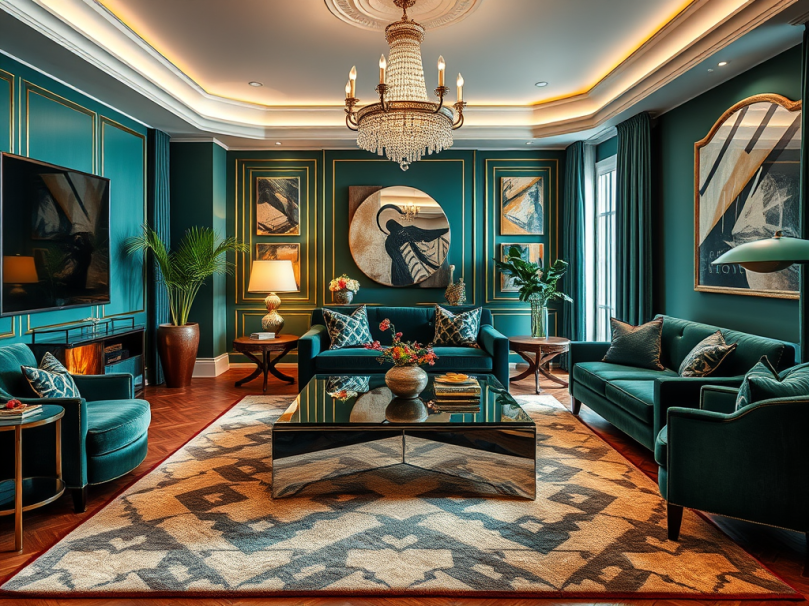
Art Deco emerged in the 1920s and 1930s, during a time when people were craving luxury, optimism, and forward-looking design. Think The Great Gatsby—geometric shapes, gold finishes, mirrored furniture, velvet upholstery, and rich jewel tones. It’s a style that celebrates craftsmanship, glamour, and sophistication.

Key elements of Art Deco design include:

  • Geometric patterns: Chevron, zigzags, and sunburst motifs.
  • Bold materials: Glass, lacquer, marble, chrome, and brass.
  • Luxurious textures: Velvet, silk, and glossy finishes.
  • Deep, rich colors: Emerald, sapphire, ruby, and black paired with gold or silver.

It’s all about balance—mixing sleek lines with rich details to create a look that feels both timeless and modern.


How to Pick Beautiful Art Deco Pieces

When choosing Art Deco-inspired furniture or decor, the goal is to capture glamour and sophistication without going overboard. Here’s how:

1. Start with One Statement Piece

You don’t need to deck out every corner in bold design. Start small—a mirrored coffee table, a geometric-patterned rug, or an accent chair with gold trim.
That single piece will instantly elevate the room and can serve as your inspiration point for adding complementary touches.

2. Mix Old with New

You don’t have to hunt down authentic 1930s pieces (unless you want to). Modern reproductions and inspired designs can give the same visual impact. Try mixing a sleek, new Art Deco-style chandelier with your existing modern or minimalist furniture—it keeps things fresh while adding character.

3. Play with Texture and Finish

Art Deco thrives on contrast. Combine smooth glass with plush velvet, or pair polished brass with deep wood tones. These juxtapositions bring warmth and depth to the space, ensuring it feels inviting rather than overly formal.

4. Use Color Strategically

While deep, bold colors are central to Art Deco design, balance them with neutrals so the space doesn’t feel heavy. Think a navy sofa with ivory cushions, or a black-and-gold wallpaper behind a cream sideboard.

5. Add Subtle Glamour

Little touches can go a long way—brass picture frames, a sunburst mirror, or a lamp with angular lines. These accents nod to the Art Deco era without overwhelming the room.


Making Your Home Feel Like a Home—Not a Museum

The biggest risk with any historical style is overcommitting to it. To keep your Art Deco-inspired home livable and comfortable:

  • Include soft elements: A plush throw, cozy rug, or layered curtains soften the bold lines typical of Art Deco.
  • Incorporate personal touches: Family photos, travel souvenirs, or books make the space feel like you, not a period display.
  • Keep functionality in mind: Choose furniture that’s as comfortable as it is stylish. Art Deco can be glamorous and practical at the same time.

Final Thoughts

Art Deco is a celebration of elegance, craftsmanship, and bold design—but it doesn’t have to be intimidating. By choosing a few standout pieces and blending them with modern comfort, you can create a home that feels both luxurious and lived-in.

The beauty of Art Deco lies in its versatility—it can transform a room into a space that’s vibrant, sophisticated, and uniquely yours.


Large vs. Small Furniture: How to Find the Right Pieces for Your Space


When decorating a home, furniture choices can make or break the feel of a room. One of the biggest design challenges people face is finding the right balance between style and scale. Maybe you’ve fallen in love with a grand sectional sofa, but your living room barely fits a loveseat. Or perhaps you’re drawn to minimalist, smaller furniture but worry it’ll feel lost in a large open space.

So how do you find the right furniture for your space—and what can you do if your heart says big, but your square footage says small? Let’s break it down.


Understanding Scale and Proportion

Before you buy a single piece, take a step back and look at the scale of your space.

  • Scale refers to how big or small something is in relation to the room.
  • Proportion is how different pieces relate to each other.

A large piece in a small room can feel overwhelming, but a few well-balanced choices can actually make the space look bigger when done right. Likewise, too many small pieces in a large room can make it feel cluttered and underwhelming.


How to Find the Right Furniture for Your Space

  1. Measure First, Shop Later
    Always know your room’s dimensions before you buy. Measure wall lengths, ceiling height, window placement, and the distance between doorways. This helps you visualize what will actually fit—without blocking light or walkways.
  2. Create Zones
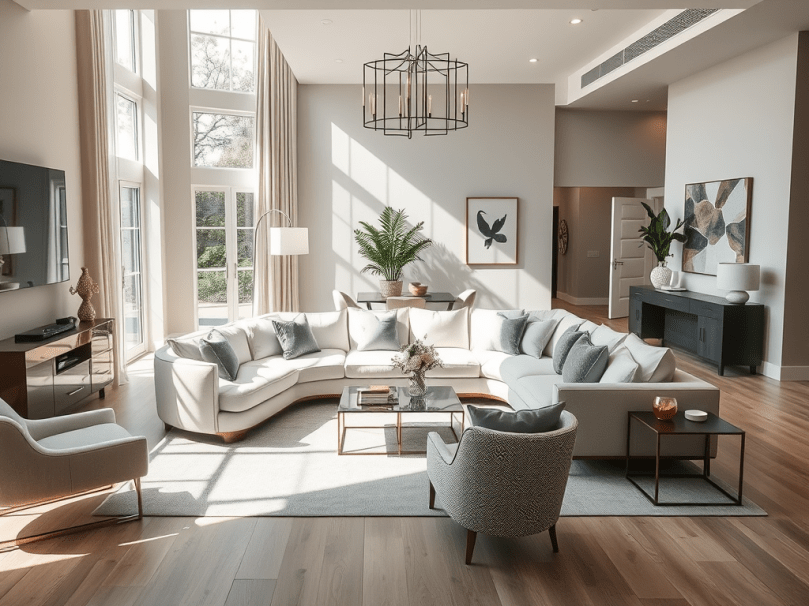
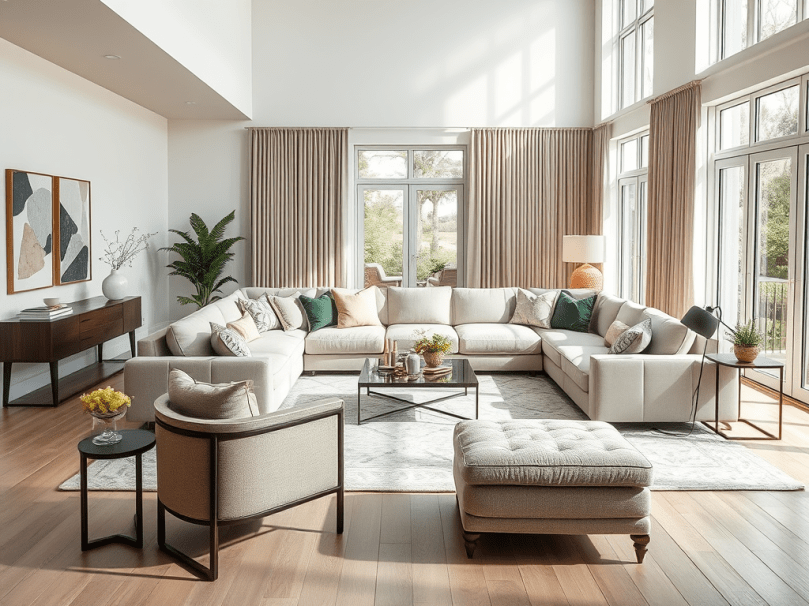
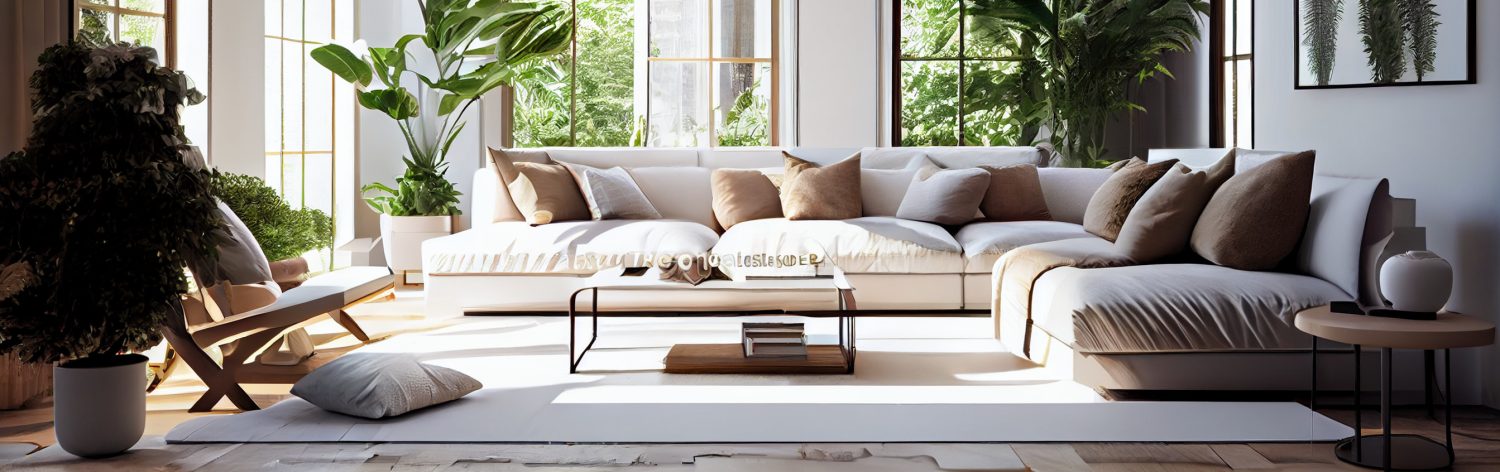
    In large spaces, use furniture to define zones. A big sectional can anchor a living area, while a console table or rug can separate a dining or reading nook.
  3. Balance Heights and Visual Weight
    Even small spaces benefit from variation. Pair a low-profile sofa with a tall bookshelf to add dimension. In large rooms, mix solid, substantial pieces with open designs to keep things visually interesting.
  4. Think Multifunctional
    Especially in smaller spaces, every piece should earn its place. Look for furniture that offers hidden storage, expandable surfaces, or can serve more than one purpose—like an ottoman that doubles as a coffee table or a fold-down desk.

What to Do If You Love Large Furniture but Have a Small Space

Falling in love with oversized furniture happens to the best of us. The good news? You don’t always have to give it up—you just have to be strategic.

  1. Choose One Statement Piece
    Let your large item shine and keep the rest of the furniture minimal. A big sofa or bed can anchor the room, while smaller, lighter accessories balance it out.
  2. Opt for Slimmer Silhouettes
    You can still go big without going bulky. Choose pieces with raised legs, open frames, or glass elements to create the illusion of more space.
  3. Use Light Colors and Mirrors
    Light tones help large furniture blend more seamlessly into a small room. Add mirrors or reflective surfaces to enhance brightness and make the space feel airier.
  4. Arrange with Flow in Mind
    Avoid pushing everything against the walls. Sometimes, floating furniture—like a sofa pulled slightly forward—creates better movement and actually makes the room feel larger.
  5. Customize or Downsize
    If you’re absolutely set on a large piece, see if there’s a smaller version. Many brands offer “apartment-size” options that maintain the same look with scaled-down dimensions.

The Bottom Line

When it comes to furniture, size truly matters—but so does creativity. Whether your home is spacious or cozy, the right balance of scale, proportion, and function will make it feel comfortable and stylish.

If you love big furniture but live in a small space, don’t let square footage stop you. With smart layout choices, clever lighting, and multifunctional designs, you can create a home that feels open, inviting, and perfectly you.


Finding the Perfect Throw Blanket: Cozy Comfort Meets Home Style

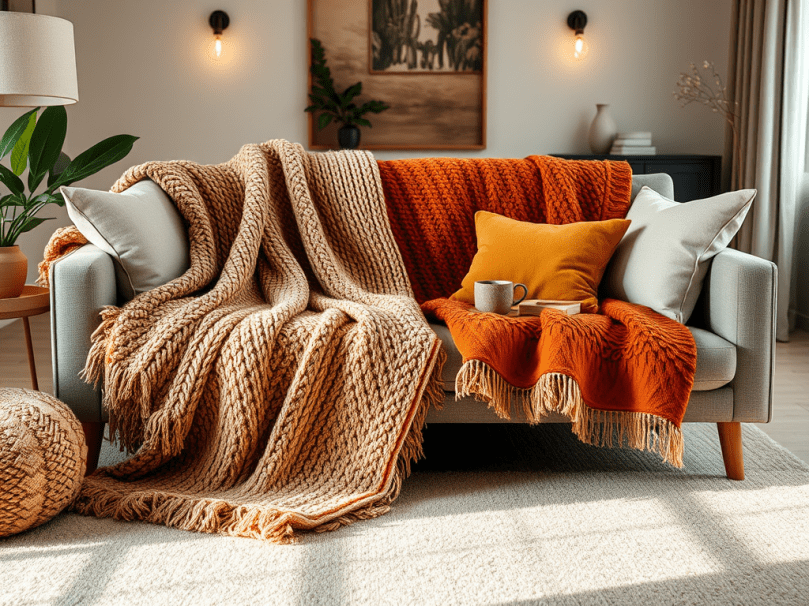
As the days grow shorter and the air turns crisp, there’s one home essential that suddenly becomes irresistible: the throw blanket. It’s that magical piece of decor that not only keeps you warm but somehow manages to pull an entire room together. Whether you’re curling up on the couch with a cup of cocoa or layering your bed for extra warmth, the right throw blanket is both comfort and style wrapped in one soft, cozy package.

But with so many textures, colors, and brands out there, how do you find the perfect one for your home? Let’s break it down—then I’ll share a little story about how I accidentally found my dream throw blanket (and almost started a snowball fight in the process).


How to Choose the Right Throw Blanket for Your Home

1. Think about your purpose.
Are you looking for something purely decorative, or do you want a blanket you can snuggle under during movie night?

  • Decorative throws often come in lighter fabrics like cotton or linen blends and are meant to complement your sofa or bedding.
  • Functional throws are thicker—think fleece, sherpa, wool, or chunky knit—and are designed to keep you warm.

2. Consider the material.
Each material has its own vibe:

  • Cotton: Breathable and easy to clean, great for everyday use.
  • Wool: Warm, natural, and perfect for chilly winter nights.
  • Sherpa or fleece: Soft and plush—ideal for wrapping yourself up like a burrito.
  • Chunky knit or faux fur: Adds a luxurious, textured touch to your decor.

3. Match your home’s aesthetic.
If your decor is minimalist, go for solid neutrals or soft earth tones. For a boho look, consider tassels, patterns, or woven textures. And if your home leans modern or glam, faux fur or velvet throws can elevate the space instantly.


Best Throw Blanket Brands Worth Snuggling With

  • Barefoot Dreams: Famous for their ultra-soft, buttery fabric—luxury comfort at its best.
  • Brooklinen: Offers a great balance between style and coziness, with gorgeous neutral tones.
  • Ugg Home: Known for their sherpa and plush styles that practically beg for nap time.
  • Pottery Barn: Beautiful, durable, and versatile options to fit any decor theme.
  • Target’s Threshold Line: Affordable, trendy, and surprisingly high quality—perfect for seasonal updates.

Best Color Choices for Throw Blankets

  • Neutrals (Beige, Gray, Cream): Timeless and easy to blend with any decor style.
  • Warm Earth Tones (Terracotta, Mustard, Olive): Perfect for fall and winter, adding cozy warmth to your living space.
  • Deep Jewel Tones (Navy, Emerald, Burgundy): Rich colors that make your space feel elegant and inviting.
  • Soft Pastels (Blush, Sage, Sky Blue): Great for brightening a neutral room and adding a touch of charm.

If you’re someone who likes to rotate your decor with the seasons, keep a few different throws on hand—light ones for spring and summer, and plush, thick ones for fall and winter.


A Cozy (and Funny) Story About Finding My Perfect Throw Blanket

Last winter, I decided it was time to find the perfect throw blanket. You know, the one that’s soft enough to make you forget all your responsibilities but stylish enough to look like you have your life together.

After hours of browsing online, I convinced myself that I needed to feel the fabric in person—because you can’t exactly touch-test through a screen. So off I went to the store.

I spotted a display of sherpa throws and reached for one just as another shopper did. We both froze, gripping opposite corners like it was a holiday sale standoff. She laughed and said, “You can have it if you promise not to hog the remote when you get home.”

We both cracked up, and it turned out there were more in the back (thankfully). I brought mine home, threw it over the couch, and it instantly became everyone’s favorite spot in the house—dog included.

Moral of the story? The right throw blanket isn’t just about warmth—it’s about comfort, laughter, and the memories you make under it.


Final Thoughts

Throw blankets aren’t just accessories; they’re comfort statements. They tell a story about your style, your home, and those quiet, cozy moments you treasure. So as the temperatures drop, find one (or two) that make your space feel like a warm hug.

Because let’s be honest—there’s no such thing as too many throw blankets.