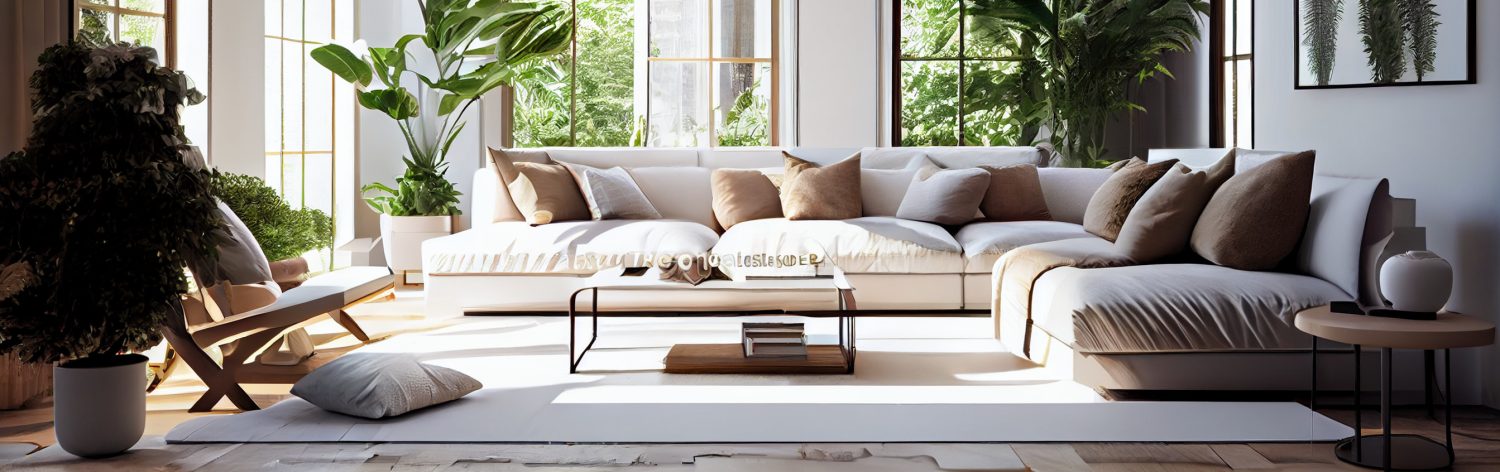

Finding Balance with Color: How to Dress Your Home in Color Your Way

Color is one of the most powerful tools in home design—it can completely transform the mood of a room, define your personal style, and make a space feel truly yours. Yet, finding the right color balance can feel intimidating. How do you choose colors that complement each other and reflect your personality? The good news is, it’s not about following strict design rules—it’s about finding harmony between what feels good and what looks good.

Here’s how to dress your home in color your way.


1. Start with What You Love

Before diving into color theory, start with your heart.
Look around your wardrobe, Pinterest boards, or favorite artwork—what colors do you naturally gravitate toward? Maybe you love the calming hues of the ocean, or perhaps you’re drawn to warm earth tones that make you feel grounded.

Use those favorites as your base palette. When your color choices are rooted in what you love, your home instantly feels authentic and personal.


2. Understand the Power of Neutrals

Neutrals are your foundation—they create balance and allow other colors to shine.
White, beige, gray, or even soft greige can act as your blank canvas. From there, you can layer in bolder accents or subtle pops of color through accessories, art, or textiles.

Neutrals don’t have to be boring. A soft gray wall paired with natural wood furniture and olive green accents can feel cozy and stylish without overwhelming the senses.


3. Find Your Color Balance

Color balance is all about proportion. A simple way to start is with the 60-30-10 rule:

  • 60% of a dominant color (walls, large furniture)
  • 30% of a secondary color (upholstery, curtains, rugs)
  • 10% of an accent color (pillows, decor, art)

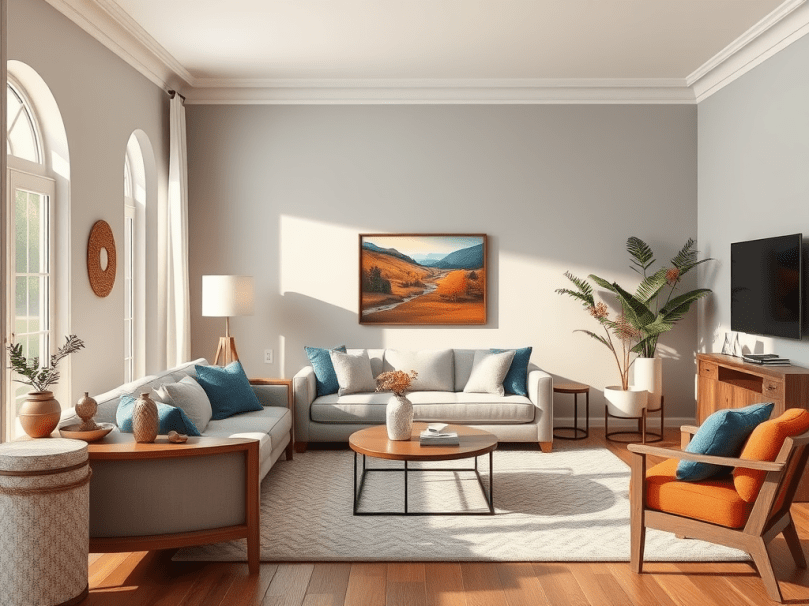
This approach helps create visual harmony while allowing your personality to shine through. For example, if you love blue, your walls could be a soft sky blue (60%), paired with white and natural beige (30%), and finished with gold or navy accents (10%).


4. Mix Warm and Cool Tones

Don’t be afraid to mix temperatures. A balanced space often includes both warm and cool tones.
For example, pairing warm terracotta with cool sage green can bring a sense of harmony and depth to a room. Warm colors create energy, while cool colors bring calm—together, they keep a room from feeling too intense or too flat.

If you’re unsure, try layering different shades of the same color family for a cohesive, balanced look.


5. Reflect Your Mood and Lifestyle

Color affects how we feel. Think about the mood you want to create in each room:

  • Living Room: Inviting, warm, and conversational (try soft golds, greens, or blues).
  • Bedroom: Calm and restful (go for cool tones like lavender, soft gray, or muted taupe).
  • Kitchen: Energetic and bright (think whites with cheerful pops of yellow or teal).

Choose colors that match not only your style but also the energy you want in your space.


6. Don’t Forget Texture and Lighting

Colors can look completely different depending on lighting and texture. Natural sunlight, warm bulbs, or cool LEDs can all change how a color appears.
Before committing to a paint color, test swatches in different corners of the room at various times of day.

Also, remember—color doesn’t just come from paint! Fabrics, rugs, furniture finishes, and even plants can add layers of color and texture to your home.


7. Express Yourself Without Overdoing It

If you love color but fear going too far, start small. Add color through accessories, art, throw blankets, or accent furniture. These elements can easily be swapped out as your style evolves.

For the bold at heart, go ahead—paint that accent wall or choose a deep jewel-toned sofa. The key is to make choices that feel like you.


8. Dress Your Home in Color—Your Way

Your home should tell your story. Whether you love soft neutrals or vibrant palettes, balance is about intention, not perfection.
By mixing what feels comfortable with what inspires you, you create a home that’s not only visually beautiful but emotionally uplifting.

Color is personal—and that’s what makes it powerful. So go ahead, dress your home in color your way.

Matching Your Master Bedroom to Your Master Bathroom: Should You or Shouldn’t You?

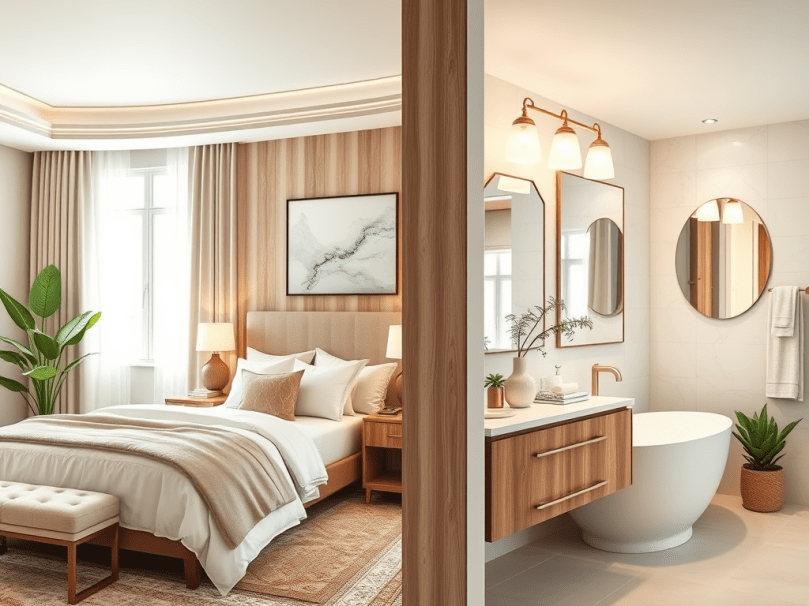
When designing or refreshing your master suite, one question often comes up — should your bedroom and bathroom match? After all, these two spaces are connected, often flowing into one another both visually and functionally. Whether you prefer a seamless, coordinated look or distinct designs that showcase personality, there’s no one-size-fits-all answer — just great ways to make either choice work beautifully.


Do the Master Bedroom and Bathroom Have to Match?

No — your master bedroom and bathroom don’t have to match. What matters most is how you want the space to feel as a whole. Some homeowners prefer cohesion — a look that feels like one continuous sanctuary — while others like a touch of contrast to define each room’s purpose and mood.

If your bedroom feels warm, cozy, and personal, while your bathroom feels clean, bright, and spa-like, that’s perfectly okay. The key is finding balance — enough shared elements to make the transition feel natural without making everything identical.


If You Choose to Match Them, Here’s How to Do It

If you love the idea of harmony between your bedroom and bathroom, here are a few design strategies to achieve a cohesive look:

  1. Stick to a Consistent Color Palette
    Choose two or three main colors and use them in both spaces. For example, a soft beige and white palette in the bedroom can extend into the bathroom through towels, tile, and décor accents. If your bedroom is painted in a soothing gray, bring that into the bathroom with cabinetry, rugs, or shower curtains.
  2. Repeat Materials and Textures
    If your bedroom features natural wood tones, try incorporating similar finishes in your bathroom cabinetry or shelving. A rattan chair in the bedroom? Add a woven basket in the bathroom for a subtle tie-in.
  3. Coordinate Lighting Fixtures and Hardware
    Matching finishes — like brushed gold, matte black, or polished nickel — create instant flow between the two spaces. Think of your light fixtures, drawer pulls, and towel racks as jewelry that ties everything together.
  4. Use Similar Design Themes
    If your bedroom has a modern farmhouse feel, carry that same style into the bathroom with shiplap accents or black-and-white fixtures. Love boho style? Use earthy tones, plants, and natural textures in both areas.
  5. Match the Mood, Not Just the Look
    Sometimes matching isn’t about identical décor but about feeling. If your bedroom is calming and restful, your bathroom should feel like a spa-like retreat, echoing the same relaxing energy.

“Matchy-Matchy” Style Trends for Bedrooms and Bathrooms

If you want your bedroom and bathroom to feel like a curated suite, here are some current matching style trends worth exploring:

  • Modern Coastal – Light blues, sandy neutrals, and crisp whites make both spaces feel fresh and connected. Add driftwood tones or woven textures for a serene, beachy flow.
  • Minimalist Luxe – Clean lines, soft neutrals, and sleek finishes like marble and gold accents create a sophisticated and seamless transition between the bedroom and bath.
  • Rustic Retreat – Think reclaimed wood, matte black hardware, and earthy tones for a cozy cabin feel that unites both spaces.
  • Organic Modern – Soft whites, warm wood, greenery, and natural textures create a spa-inspired suite that feels both modern and relaxing.
  • Scandinavian Calm – A palette of whites, grays, and pale wood tones connects both spaces effortlessly, emphasizing simplicity and comfort.

If You Don’t Match Them: How to Individualize Each Space

Maybe you prefer the idea of each room having its own personality — that’s perfectly stylish, too! Here’s how to make your bedroom and bathroom feel distinct but still complementary:

  1. Use Different Color Palettes with Shared Undertones
    For instance, a deep navy bedroom paired with a crisp white bathroom can feel cohesive if both include touches of warm wood or gold.
  2. Play with Contrast
    If your bedroom is dark and moody, let your bathroom be bright and airy. This can actually enhance the experience of moving from one room to the other — like stepping from comfort into refreshment.
  3. Make the Bathroom a “Mini Escape”
    Treat your bathroom as a retreat that contrasts your bedroom’s energy. If your bedroom is cozy and romantic, make the bathroom a clean, spa-like getaway.
  4. Add Personal Touches
    Display art, accessories, or plants in each space that reflect your unique taste rather than repeating the same pieces. A vintage mirror in the bathroom and framed photos in the bedroom can help each room tell its own story.
  5. Use Lighting to Define Mood
    Soft, warm lighting in the bedroom and bright, clear lighting in the bathroom can separate the spaces naturally while maintaining harmony.

A Real-Life Example: The Elegant, Non-Matching Master Suite

When interior designer Lena Hughes renovated her 1920s home, she decided early on that her master bedroom and bathroom wouldn’t match — but they would belong together.

Her bedroom is warm and moody — deep emerald green walls, velvet curtains, a tufted cream headboard, and brass accents. The atmosphere feels indulgent, a perfect place to unwind at the end of the day.

Step through the arched doorway into her master bathroom, however, and the mood shifts completely. The bathroom is bright and serene — white marble floors, soft gray cabinetry, and brushed gold fixtures that subtly echo the brass in the bedroom. The air feels light and fresh, a morning retreat designed for rejuvenation.

Even though the spaces don’t “match” in color or style, they complement one another beautifully. The gold accents provide a thread of continuity, while the contrast between the rich, dark bedroom and the airy, elegant bathroom feels intentional — like two sides of the same coin.

This kind of thoughtful contrast can create a master suite that feels layered, sophisticated, and distinctly yours.


Final Thoughts

Whether your master bedroom and bathroom match perfectly or simply complement each other, the goal is to create a space that feels balanced, intentional, and you. Matching can make your suite feel unified and polished, while individualizing each space allows for creativity and personality.

At the end of the day, your home should feel cohesive — not cookie-cutter. Choose what feels most natural for your lifestyle and aesthetic, and your master suite will always feel like a true retreat.


How to Choose the Right Flooring for Your Home

Choosing the right flooring is one of the biggest decisions you’ll make in a home-renovation or build. It sets the tone for the whole space: how it looks, how it feels underfoot, how it functions (especially with kids, pets, everyday life), and how it ages. Below we break down three major flooring types — hardwood, tile, carpet — comparing them head-to-head (hardwood vs. tile, tile vs. wood, wood vs. carpet) and then talk about what’s trending in 2025 and how to pick what’s right for you.


The Main Materials: Pros & Cons

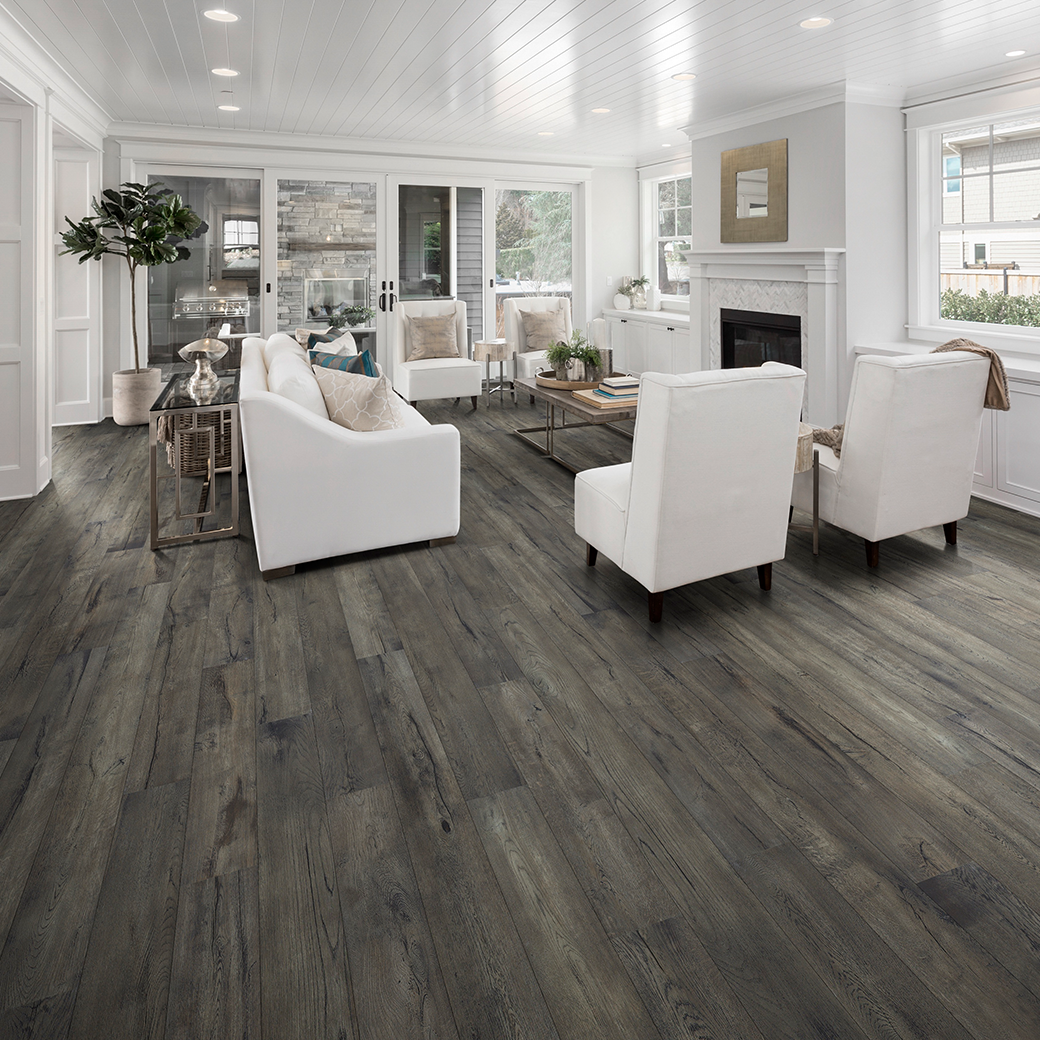
Image

Why people choose hardwood

  • Timeless beauty: natural grain, warm tones, a premium look. For example, one source notes hardwood is “timeless beauty and elegance… home value” in bedrooms. (CSM Flooring)
  • Longevity: With proper care, hardwood floors can last decades and can often be refinished.
  • Healthy for indoor air: Solid floors don’t trap as much dust/allergens as carpet. (CSM Flooring)
  • Strong resale value: Many home-buyers value hardwood and associate it with quality. (Ideal Home)

Potential drawbacks

  • Cost: Higher up-front cost compared to many other materials.
  • Moisture sensitivity: In wet areas (bathrooms, basements) solid hardwood can be risky unless engineered or specially treated.
  • Hard underfoot, colder in winter unless paired with rugs.
  • Susceptibility to scratches/dents (especially in high-traffic or pet households).

Trends for hardwood in 2025

  • Wide planks (5″–10″) rather than skinny strips: they help the space feel more open. (Carpet Spectrum)
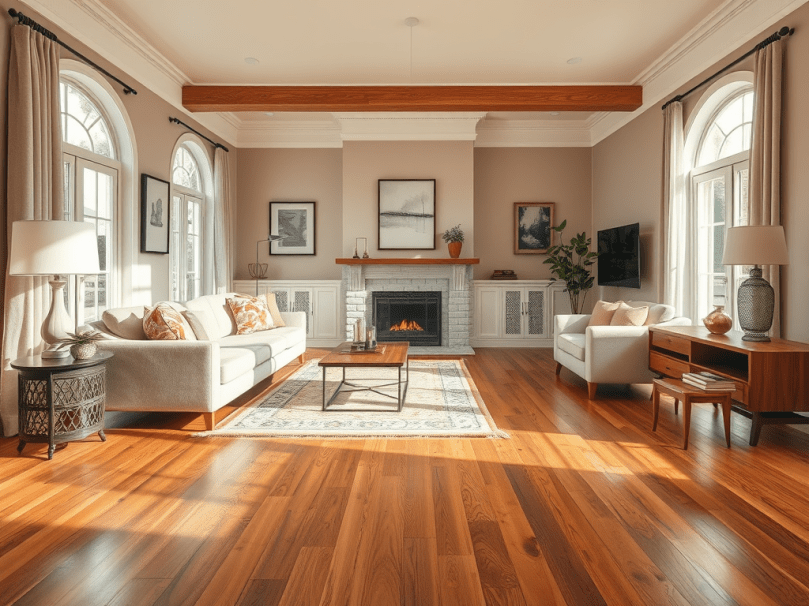
  • Light, natural wood tones or warm browns (moving away from cool greys). (Houzz)
  • Matte and textured finishes (wire-brushed, hand-scraped) rather than high gloss. (Real Simple)
  • Sustainability: eco-friendly sourcing, low-VOC finishes, engineered options. (Weles)

Bottom line for hardwood: If you want a premium, long-term flooring that elevates your space and are willing to invest (and maintain accordingly), hardwood is an excellent choice — especially for living rooms, dining, bedrooms (but less ideal for rooms with high moisture or heavy wear unless engineered versions are used).

Why people choose tile

  • Durability & moisture resistance: Especially in kitchens, bathrooms, entryways or high-traffic zones.
  • Style versatility: Many finishes, sizes, patterns; can look sleek, rustic, modern, etc.
  • Great for spills, wet zones, or if you want a hard, cool surface.
  • With large-format tiles and improvements in technology, tile is becoming more seamless and contemporary.

Potential drawbacks

  • Underfoot can feel cold/hard (unless radiant heating or rugs used).
  • Grout maintenance (unless using large formats with minimal grout).
  • Some tile can feel less cozy or “homey” compared to wood or carpet.
  • Installation cost can be high for premium tile/stone.

Trends for tile in 2025

  • Warm-toned tiles (e.g., sand, earth tones) rather than icy greys. (House Beautiful)
  • Large-format tiles, fewer grout lines, wood-look tile is still strong. (Decorilla)
  • Mixed material floors (tile + wood) to delineate space. (All Hardwood Floors)
  • But: some tile trends are falling out (e.g., very small mosaics, extremely glossy tiles) in favour of more natural/matte finishes. (Livingetc)

Bottom line for tile: If you have areas prone to moisture (bath, mudroom, kitchen), or want something ultra-durable and easy to clean, tile is a strong pick. To make it feel more “homey,” consider pairing with rugs or warm textures.


Why people choose carpet

  • Soft underfoot: Great for bedrooms, family/media rooms where comfort and warmth matter.
  • Sound absorption: Helps reduce echo/footstep noise, beneficial in multi-story homes or apartments.
  • Cost-effective: Typically lower cost compared to hardwood or high-end tile.
  • In 2025, carpet is making a comeback in specific usages (not full home maybe) thanks to texture and pattern innovations. (The Carpet Workroom)

Potential drawbacks

  • Harder to clean and maintain compared to hard surfaces (can trap allergens, stains).
  • May not have the same “durable premium” perception as hardwood/tile when it comes to resale.
  • Not ideal for areas with spills, heavy traffic, pets unless you select high-performance carpet.

Trends for carpet in 2025

  • Textured, pattern-rich carpets (rather than plain builder‐grade) especially in bedrooms/family rooms. (Floor Depot Plus)
  • Carpet layering: e.g., using area rugs over carpet in layered designs. (McCool’s Flooring)

Bottom line for carpet: For rooms where comfort is king (bedrooms, media rooms, cozy corners), carpet is still relevant. But in communal, high-traffic zones you might lean toward harder surfaces.


Head-To-Head Comparisons

Hardwood vs Tile

Choose hardwood if:

  • You want a warm, natural, premium look and are in a dry environment (or using engineered wood for more moisture control).
  • You anticipate staying in the home for many years and want a floor that ages well and can be refinished.
  • You are willing to invest a bit more and maintain (avoid excessive moisture, scratches).

Choose tile if:

  • You have wet zones (bathroom, kitchen, laundry), or want something ultra-durable and easy to clean.
  • You want a cooler surface (climate may affect this), or you prefer a sleek modern aesthetic.
  • You foresee high traffic, pets, or frequent spills and want minimal compromise.

Hybrid possibility: Many homes use hardwood in living/bed areas and tile in bathrooms/kitchens — which is totally valid. Just aim for a consistent design flow (e.g., consistent widths, transitions, complementary colors) to avoid a disjointed look. Also, trendwise, mixing materials to define zones is actually in. (All Hardwood Floors)

Tile vs Wood (Carpet basically aside)

If we think of “wood” as hardwood/wood-look floors:

  • Tile wins for durability, moisture resistance, easier cleaning.
  • Wood wins for warmth, comfort, perceived value, and resale.
  • If you want the look of wood but need tile-level performance you can opt for wood-look tile (tiles that mimic wood) — this is a big 2025 trend. (Decorilla)
  • From a design perspective: think about transitions, scale (wide planks), and tone (warm vs grey) to keep things current.

Wood vs Carpet

Wood wins for:

  • Resale value, long-term durability, allergen control.
  • Cleaner look, easier to maintain in high traffic or multi-pet homes.

Carpet wins for:

  • Comfort, warmth, cost in certain rooms, sound control.
  • For pure relaxation zones (bedrooms, media), you might prefer carpet or at least carpet in part.

Combination approach: Use wood in living/dining and major traffic areas; carpet in bedrooms and cozy spaces. Use area rugs to soften wood floors if you want some of the carpet feel without the downsides.


What People Are Choosing — & Why

Here are some of the underlying reasons why people pick one over another, beyond just the “looks”.

  • Lifestyle & traffic: Families with kids/pets often pick harder surfaces (tile, wood) because of durability and easy cleaning. Carpets are more common in calmer zones.
  • Allergies/health: People with allergies often avoid carpet because it traps dust/mites; hardwood helps here. (CSM Flooring)
  • Resale / value: Hardwood is still seen as a premium feature; tile in required zones is expected. Poor flooring choices or too many different types may hurt resale. (Ideal Home)
  • Moisture & room use: Bathrooms, basements, laundry rooms often require tile, engineered wood, or other moisture-resistant options.
  • Budget: Cost plays a big part — initial cost, installation, maintenance over time. Carpet and tile (in many cases) may cost less upfront than premium hardwood.
  • Aesthetic/trend: People want floors that look current but also timeless. They’re avoiding overly trendy “effects” that date quickly (e.g., cool greys, ultra-gloss). Warm woods, matte finishes, natural materials are more in vogue.
  • Maintenance: The less time/effort you want to spend cleaning/maintaining, the more likely you’ll pick durable, low-maintenance surfaces. According to a 2025 trend report: “low-maintenance flooring for everyday life” is a big focus. (Flooring America)

2025 Trends You Should Know

Here are key trends for 2025 that might influence what you pick and how you pick it:

  • Warm, natural tones over cool/grey: In wood and tile, warm browns, beiges and natural textures are dominant. Cool greys are losing favour. (Real Simple)
  • Wide plank, long boards for hardwood: Fewer seams, more visual continuity. (Carpet Spectrum)
  • Matte/low-sheen finishes vs gloss: For both wood and tile, because they hide wear and look more natural. (The Spruce)
  • Natural materials and sustainability: Engineered wood with eco-credentials, stone tile, reclaimed wood, low-VOC carpets. (Weles)
  • Mixed materials and layering: Combining different flooring types (e.g., wood + tile) to reflect zones, open-concept flows, or just design interest. (All Hardwood Floors)
  • Carpet revival — but in a more selective way: In 2025, carpet isn’t dying out — rather, it’s being used with more intention (texture, pattern) rather than as the default everywhere. (Floor Depot Plus)

How to Choose the Right Flooring for Your Home

Here’s a step-by-step guide to making the decision, tailored to your home and lifestyle:

  1. Define the room and use-case
    • Is it a high traffic zone (entry, living room, kitchen)?
    • Is there moisture risk (bathroom, laundry, basement)?
    • What level of comfort do you want (bedrooms vs. utility spaces)?
  2. Think about lifestyle & maintenance
    • Kids/pets? Then durability and ease of cleaning matter.
    • Allergies? Then consider hardwood or tile over carpet.
    • How much maintenance are you OK with (refinishing wood, grout cleaning etc.)?
  3. Consider budget (initial + long-term)
    • Materials + installation + upkeep.
    • For example: hardwood might cost more up front but can pay off in value; carpet might cost less but may wear faster.
  4. Look at aesthetic/tone & future-proofing
    • Do you want something trendy now? Or something that will age well?
    • Use the 2025 trends as guide (warm wood, wide planks, matte finishes).
    • Avoid overly specific trends you’ll tire of soon (very glossy finishes, extreme colors).
  5. Consider continuity across the home
    • If you’re replacing floors throughout the house, try for flow/consistency (not too many different flooring types). One expert rule: no more than three different floor types in a home to avoid a disjointed feel. (Ideal Home)
    • Transition solutions: use rugs, thresholds, or natural transitions between different floors.
  6. Evaluate resale / future buyer appeal
    • If you plan to sell in the future, lean toward materials that have broad appeal (hardwood, tile) and avoid flooring that might date quickly or appear low quality.
    • Use durable, timeless materials rather than very “now” aesthetics that might feel dated.
  7. Sample & test
    • Bring home sample boards/planks/tiles and view them in your space (lighting, adjacent furniture).
    • Walk on them, consider underfoot comfort, colors at different times of day.
    • Check for feel: hardness, texture, sound.

My Recommendation: General Guidelines

  • For living rooms, dining rooms, main areas: Go with engineered hardwood or good quality hardwood in wide planks, warm tones, matte finish. It offers value, aesthetics and durability.
  • For kitchens, bathrooms, laundry, mudrooms: Go with tile (perhaps large-format porcelain) or wood-look tile if you want the look of wood but need moisture resistance.
  • For bedrooms, media rooms, cozy spaces: Consider carpet (or hardwood with area rugs) if comfort is important. Choose a textured, quality carpet rather than builder-grade.
  • Mixing materials is totally fine — but keep tone/cohesion in mind. For example, the wood tones you use in the living room should complement the tile you choose in the kitchen.
  • Avoid overly trendy finishes that are likely to date quickly. Use the 2025 trends to guide you toward options that will remain relevant for years.

Conclusion

Choosing the right flooring is a mix of function (traffic, moisture, comfort), style (look, tone, finish), budget, and future-proofing. Hardwood, tile and carpet each have their strengths — the key is to match the material to the room-use and your lifestyle, and then pick a style that will age well rather than date fast. In 2025, the smart move is toward natural textures, warm tones, wide planks, matte finishes, and materials that can handle real life (pets, kids, busy households).

How to Prep Your Lawn for Winter: When and How to Get Ready for the Cold


As fall settles in and the air turns crisp, your home isn’t the only thing that needs some seasonal preparation—your lawn does too. While it might seem like grass goes dormant once the temperatures drop, the truth is that how you care for your lawn in fall directly affects how healthy and green it will look when spring rolls around.

The question is: how early should you start preparing your lawn for the bitter cold and snow? Let’s dive into the timing and steps that will help you protect your yard from winter’s harsh effects.


When to Start Preparing Your Lawn for Winter

The best time to start winterizing your lawn is in early to mid-fall—roughly 6–8 weeks before the first expected frost in your area. This timing gives your grass a chance to absorb nutrients and strengthen its root system before it becomes dormant.

If you wait too long, the ground can become too cold to take in fertilizer or seed. Start early enough, and you’ll set the stage for a lush, resilient lawn next spring.


1. Give Your Lawn a Final Mow (But Don’t Go Too Short)

As temperatures cool, gradually lower your mower blade each time you cut. For the last mow of the season, aim for your grass to be around 2 to 2.5 inches tall.

  • Too long, and it can mat under snow, inviting mold and disease.
  • Too short, and roots are left exposed to frost.

Finding that balance helps protect your lawn throughout the freezing months.


2. Rake and Remove Leaves

While autumn leaves are beautiful, leaving them on your lawn can cause problems. A thick layer of leaves blocks sunlight and traps moisture, creating a breeding ground for fungus.

Try raking or mulching leaves weekly during fall. If you have a mulching mower, use it to shred leaves into tiny pieces that can act as natural compost—feeding your lawn instead of smothering it.


3. Aerate the Soil

Fall is the perfect time to aerate your lawn, especially if your soil is compacted. Aeration allows water, oxygen, and nutrients to reach the roots more effectively. You can rent an aerator or hire a lawn care service to handle it for you.

Aerating before fertilizing ensures your grass absorbs every bit of the nutrients you add next.


4. Apply a Fall Fertilizer

One of the most important steps in prepping your lawn for winter is applying a slow-release fall fertilizer. This gives your grass the nutrients it needs to strengthen roots and store energy for spring.

Look for fertilizers high in potassium and nitrogen, which promote root health and cold resistance. Apply it in late fall, just before the ground begins to freeze.


5. Overseed Bare Spots

If your lawn has thin or bare patches, fall is the time to overseed. Cooler weather and moist soil create the ideal conditions for seed germination.

Rake the area lightly, sprinkle grass seed, and water regularly until the new grass takes hold. This helps prevent weeds from taking over and keeps your lawn looking full come spring.


6. Water Before the Freeze

Even though the days are cooler, your lawn still needs water. Continue watering until the ground starts to freeze. Moist soil protects roots better than dry soil and helps your lawn stay healthy through the winter.


7. Clean and Store Lawn Equipment

Once your final mow is done, take the time to clean and service your lawn tools and mower. Drain fuel, sharpen blades, and store everything in a dry, sheltered place. This small step saves you time and headaches when spring rolls around again.


A Little Fall Effort = A Healthier Spring Lawn

Prepping your lawn for winter doesn’t require much—just a bit of planning and consistency. Starting early ensures that your yard is ready to withstand snow, ice, and freezing temperatures without damage.

By the time spring returns, you’ll be rewarded with a greener, fuller, and healthier lawn that’s ready to shine once again.


Pro Tip: Mark your calendar for early fall each year as “lawn prep season.” A little work now pays off in a beautiful yard you can enjoy all spring and summer long.


How to Fix a Broken-Down Couch Instead of Replacing It


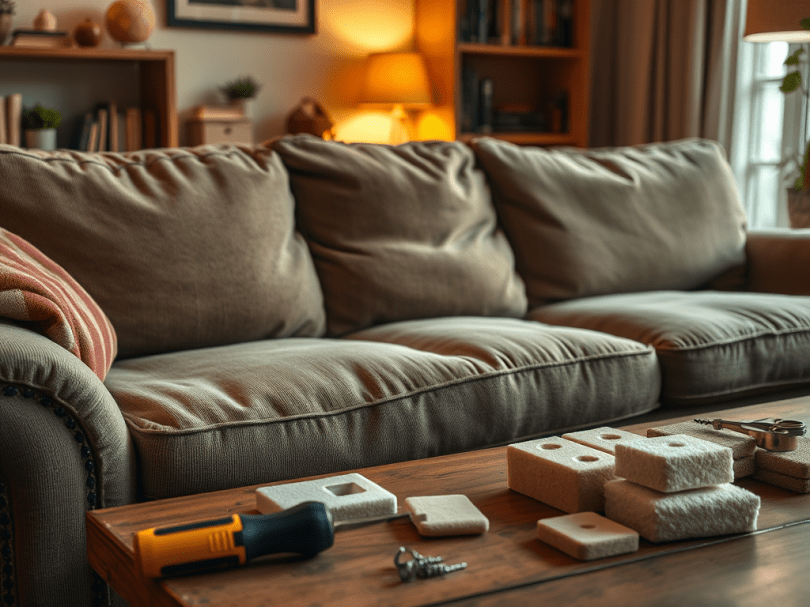
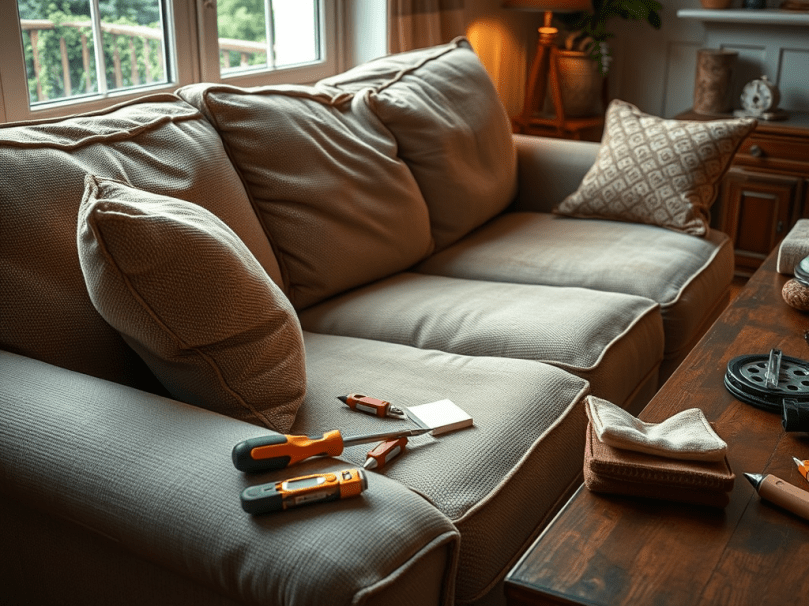
If your couch has seen better days—sagging cushions, creaky springs, or worn-out fabric—it doesn’t necessarily mean it’s time to toss it out. A broken-down couch can often be fixed with a little creativity, patience, and elbow grease. Repairing your sofa not only saves you money but also gives you the satisfaction of breathing new life into a beloved piece of furniture. Here’s how to fix your couch rather than replacing it.


1. Identify What’s Actually Broken

Before you start any repairs, figure out what’s causing the problem. Is it the frame, the cushions, the springs, or the fabric?

  • Frame issues usually show as sinking or uneven support.
  • Spring problems make the couch feel bouncy or lumpy.
  • Cushion issues often mean sagging or flattened seats.
  • Upholstery problems include tears, stains, or thinning fabric.

Understanding the root cause helps you decide which repair approach will actually work.


2. Fixing a Sagging Couch Frame

If your couch dips in the middle or one side feels lower than the other, the wooden frame might be loose or cracked.
Here’s what you can do:

  • Tighten loose screws or bolts: Flip the couch over and check for any hardware that’s come loose. Tightening it might be all it takes.
  • Reinforce weak spots: Use metal brackets, corner braces, or wood glue to strengthen cracked areas.
  • Replace broken slats: If the wooden support slats are split, remove and replace them with new wood pieces cut to the same size.

These fixes can bring back that sturdy support without the cost of a new frame.


3. Restoring Couch Springs

Springs are key to comfort, and they often wear down before the rest of the couch does.

  • Check the zigzag or coil springs underneath the cushions.
  • Reattach loose springs using pliers and strong twine or metal clips.
  • Replace damaged ones—most hardware stores carry standard replacement springs for furniture.

If your couch has webbing instead of springs, consider re-stretching or replacing it entirely for firmer support.


4. Fluffing and Refilling Flattened Cushions

Over time, cushions lose their shape and support. Instead of buying new ones, you can refill them:

  • Open the zipper (if it has one) and add new foam inserts or polyester fiberfill.
  • For extra firmness, wrap the foam in batting before inserting it back into the cover.
  • If your cushions aren’t removable, add padding underneath by tucking folded blankets or foam sheets under the seat cushions to lift them up.

Your couch will instantly feel more supportive and comfortable.


5. Refreshing the Upholstery

Sometimes the couch itself is fine, but the fabric tells another story.

  • Patch small tears or holes using a matching fabric patch and fabric glue.
  • Steam clean or shampoo the upholstery to remove stains and odors.
  • For a bigger update, use a slipcover. It hides damage, updates the look, and can be easily removed for cleaning.

If you’re feeling ambitious, you can even reupholster the couch—but that’s a project best suited for those comfortable with tools and sewing.


6. Tighten Wobbly Legs or Replace Missing Ones

A wobbly or uneven couch can be fixed quickly by tightening leg screws or adding washers to stabilize them. If a leg is broken or missing, you can replace it with a new set—many furniture stores sell universal replacement legs that easily screw into place.


7. Add Finishing Touches

Once the structure and comfort are restored, give your couch a little style refresh:

  • Add decorative throw pillows or a textured blanket.
  • Apply fabric protector spray to help prevent future stains.
  • If you repaired wood elements, sand and restain them for a clean, cohesive look.

Final Thoughts

Fixing a broken-down couch might take a weekend’s worth of work, but it’s worth it. You’ll save money, keep a beloved piece in your home, and help reduce waste by keeping furniture out of the landfill. With a few basic tools and materials, your couch can go from tired and sagging to stylish and comfortable again—ready for many more movie nights and cozy afternoons.


Tip: If you love the results, consider applying the same approach to other worn-out pieces—like chairs, ottomans, or benches. A little restoration can go a long way in transforming your space affordably and sustainably.