
Creative Alternatives to the Traditional Coffee Table


When it comes to decorating your living room, the coffee table is often seen as the centerpiece — the place to rest your drinks, display books, and gather around for conversation. But what if you’re not a fan of the traditional coffee table look? Or maybe your space calls for something a little more flexible, unique, or multi-functional?
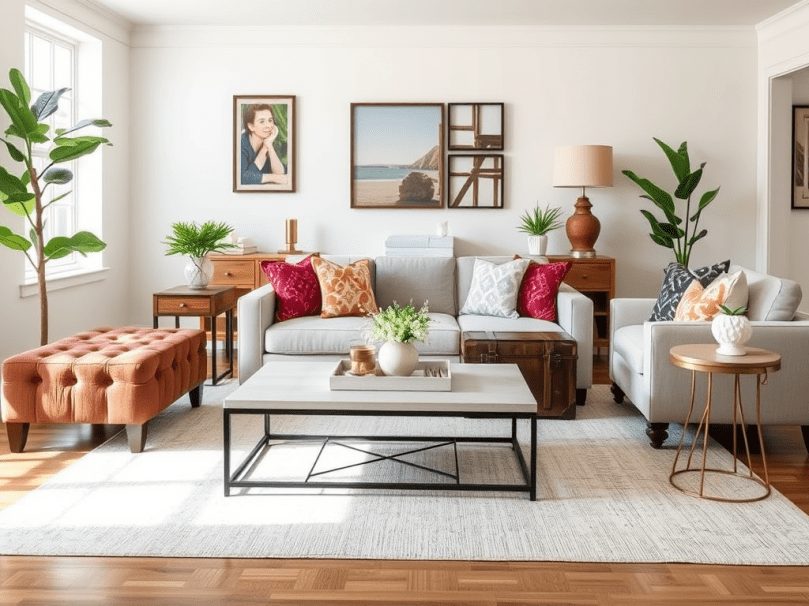
Good news — you don’t have to stick to convention. There are plenty of creative, stylish, and practical alternatives that can add personality and functionality to your living room while keeping it fresh and modern.

1. Ottomans and Poufs

A large upholstered ottoman or a cluster of poufs can bring softness to the room while serving multiple purposes. They can act as a footrest, extra seating, or even a surface for a tray when you need a place to set your drink or snacks. Plus, they come in so many fabrics and colors — from leather to linen — that it’s easy to match them to your décor style.

Style Tip: Choose a tufted ottoman for a traditional look or a sleek, cube-shaped pouf for something more contemporary.


2. Storage Benches

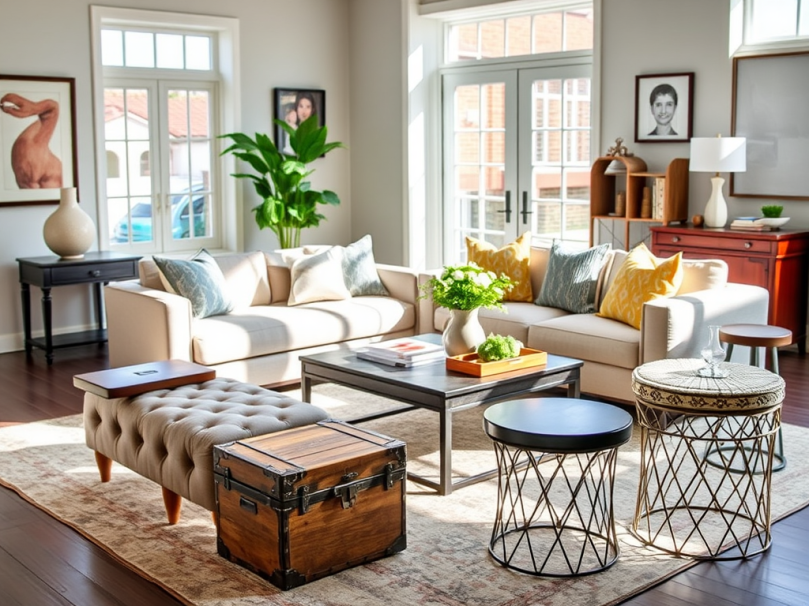
A storage bench can double as both a coffee table and a smart organizational tool. It’s perfect for tucking away blankets, books, or kids’ toys while keeping the top clear for décor or everyday use.

Style Tip: Top it with a woven tray to give it that “coffee table” feel and make it easier to move items when you need to access the storage inside.


3. Nesting Tables

Nesting tables are incredibly versatile. You can spread them out for guests or tuck them neatly together when you want more open space. They’re ideal for smaller living rooms or minimalist setups.

Style Tip: Mix materials like metal and wood for a modern, layered look that feels effortlessly chic.


4. Trunks and Vintage Chests

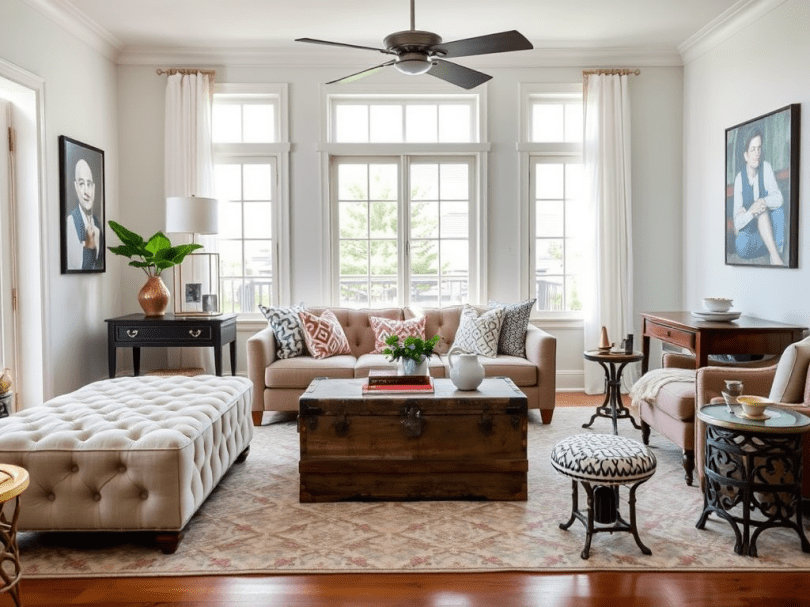
If you love a little character and charm, a vintage trunk or chest can be a wonderful statement piece. They’re sturdy, functional, and often come with built-in storage. This option is especially great for eclectic or farmhouse-inspired spaces.

Style Tip: Add a few décor accents — like a vase of flowers or a stack of coffee table books — to balance the ruggedness of the trunk with softer touches.


5. Side Tables in a Cluster

Who says you need one big table in the center of your room? Try grouping two or three smaller side tables together instead. This approach gives you flexibility — you can move them around when entertaining or rearrange them for a different look.

Style Tip: Combine tables of varying heights and finishes for a curated, designer-inspired feel.


6. Garden Stools or Accent Stools

Ceramic garden stools or sculptural accent stools are a fun way to add personality and texture to your space. They’re perfect for small areas and can easily be moved around as needed.

Style Tip: A pair of matching stools works beautifully in symmetrical layouts, while mismatched designs create a playful, eclectic vibe.


7. A Low Bookshelf or Flat Storage Unit

If you’re an avid reader, a low bookshelf can be a beautiful and practical substitute for a coffee table. It keeps your favorite books within reach while doubling as a conversation piece.

Style Tip: Keep the top surface tidy with a small tray or decorative bowl to maintain balance and prevent clutter.


8. A Large Basket or Wicker Hamper

A woven basket or wicker hamper adds warmth and texture to a living room. You can use it as a casual surface or even to store blankets and pillows when not in use.

Style Tip: Top it with a round wooden board to make a more stable surface for drinks or décor.

Final Thoughts

A traditional coffee table isn’t a must-have — it’s just one option among many. The best choice for your living room depends on your lifestyle, your space, and your personal style. Whether you prefer something soft and cozy, sleek and modern, or vintage and charming, the key is to choose a piece (or combination of pieces) that complements the way you actually live.

Your living room should work for you, not the other way around.

Reorganizing Your Home When You Have Very Little Storage Space: Creative Ways to Make It Work


Living in a small home or apartment can be cozy and charming—but when storage space is limited, it can also feel cluttered and frustrating. Whether you’re working with a tiny bedroom closet, minimal kitchen cabinets, or barely-there bathroom shelves, it is possible to create order without adding bulky furniture or spending a fortune.

Here’s how to creatively reorganize your home and make every inch count.


1. Start by Decluttering — Ruthlessly

Before you try to “find more space,” take a hard look at what’s filling it. Go room by room and ask yourself:

  • Do I use this regularly?
  • Does it serve a purpose or bring me joy?
  • Would I buy this again today?

Be honest. If the answer is no, it’s time to donate, sell, or recycle it. You’ll be amazed at how much easier organizing becomes once the excess is gone.


2. Rethink Vertical Space

When floor and shelf space are limited, look up. Vertical organization can completely transform a small home.

  • Add floating shelves above doorways or desks.
  • Install hooks or pegboards in kitchens, entryways, and bathrooms for bags, utensils, or towels.
  • Use tall bookcases that go nearly to the ceiling—just keep the upper shelves for items you don’t need daily.

Even a narrow wall can become valuable storage when used creatively.


3. Use Furniture That Works Double Duty

When you’re short on storage, your furniture should pull double duty. Look for pieces that offer both form and function, like:

  • Storage ottomans that hide blankets or games.
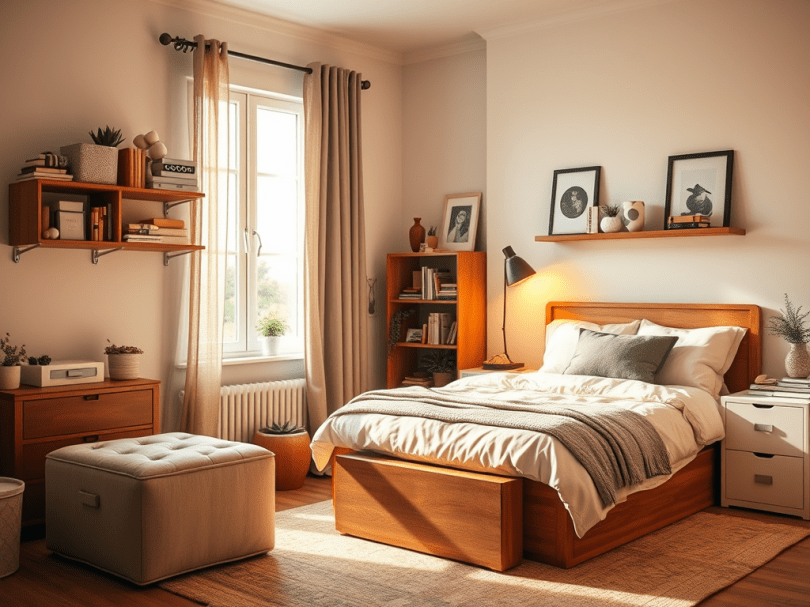
  • Beds with built-in drawers or room underneath for slide-in bins.
  • Benches with lift-up seats in entryways.
  • Coffee tables with hidden compartments for remotes, chargers, or magazines.

These clever designs make it easier to keep things looking neat without adding clutter.


4. Make Use of Hidden Spaces

Every home has unused nooks and crannies—often overlooked because they don’t seem “useful.” But with a little creativity, you can turn them into storage spots.

  • The space under the stairs can become a mini office, pantry, or shoe storage area.
  • Behind-the-door organizers are perfect for cleaning supplies or accessories.
  • The space under your bed or sofa can store seasonal clothes, extra bedding, or decor.

Think beyond the obvious—sometimes the best storage spots are the ones you don’t even see.


5. Get Smart with Containers and Labels

Invest in a few good-quality storage containers or baskets that fit your space. Clear bins are great for visibility, while woven baskets add texture and warmth to open shelving.
Label everything—especially in shared spaces. This makes it easy to keep track of where things belong and saves you time searching for small items.


6. Rethink What “Organized” Means

A perfectly organized home doesn’t mean a minimalist space with nothing on display. It means every item has a home and the system works for you.
If you love books, make them part of your decor. If you collect mugs, hang them on a wall rack. Organization should make your life easier and reflect your personality.


7. Keep It Simple and Sustainable

Once your home is reorganized, keep it that way by following one golden rule: One in, one out.
For every new item you bring home, something else should go. This keeps your space balanced and helps you maintain the sense of calm and order you’ve worked so hard to create.


Final Thoughts

Reorganizing your home when you have little storage space isn’t just about clever hacks—it’s about creating a system that supports your lifestyle. With a little imagination and a willingness to let go of what you don’t need, you can transform even the smallest home into a comfortable, organized sanctuary.


Choosing the Right Size Bed for Your Room: Queen vs. King


When it comes to choosing a new bed, size matters—both for your comfort and for how your room functions. The bed is the centerpiece of any bedroom, setting the tone for your overall design and layout. But when you’re deciding between a queen and a king, it’s not always easy to know which one will truly fit your space and lifestyle.

Let’s break down the key differences between these two popular sizes and help you figure out which one is the perfect fit for your room.


The Basics: Queen vs. King Size Beds

Before diving into style and space, it’s important to know the exact dimensions:

  • Queen Bed: 60 inches wide x 80 inches long
  • King Bed: 76 inches wide x 80 inches long

That’s 16 inches of extra width with a king bed—about the width of a standard nightstand. While both beds are the same length, that extra width can make a big difference in comfort, room layout, and how much space you have to move around.


Queen Size Beds: The Versatile Favorite

A queen bed is often the go-to choice for many homeowners because it fits comfortably in most rooms without feeling overwhelming.

Best suited for:

  • Master bedrooms or guest rooms measuring 10’ x 10’ to 12’ x 12’
  • Couples who like to sleep close or single sleepers who love extra space
  • Apartments, condos, or homes with smaller bedrooms

Pros:

  • Offers plenty of sleeping space for one or two people
  • Easier to move and more affordable than a king
  • Leaves room for additional furniture (like a dresser, vanity, or reading chair)

Cons:

  • May feel cramped for couples who prefer extra space to stretch out

Design Tip:
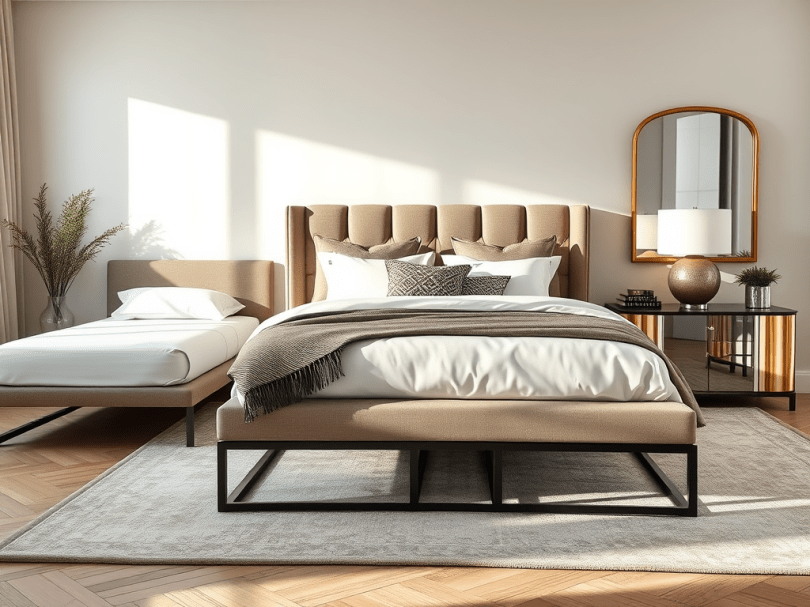
If you want your queen bed to make a statement without crowding your room, consider a platform or low-profile frame to create an open, airy feeling.


King Size Beds: The Luxury Option

A king bed brings hotel-style comfort home—it’s spacious, luxurious, and perfect for spreading out.

Best suited for:

  • Master bedrooms measuring at least 12’ x 12’ or larger
  • Couples who like personal space while sleeping
  • Families who co-sleep with children or pets

Pros:

  • Offers maximum comfort for two sleepers
  • Ideal for larger rooms or open-concept primary suites
  • Comes in many styles, including split kings for adjustable bases

Cons:

  • Requires more space and can dominate smaller rooms
  • Bedding and frames tend to cost more
  • Harder to move through tight hallways or up staircases

Design Tip:
Balance the scale of a king bed by placing it on a feature wall with nightstands and wall art that extend the width of the bed. This creates a cohesive look without overwhelming the space.


How to Decide Which One Fits Your Space

When choosing between a queen and a king, ask yourself these questions:

  1. What are your room’s dimensions?
    • If your room is under 12 feet wide, a king bed might feel too tight once you add other furniture.
    • You should have at least 2–3 feet of space around the bed on all sides for easy movement.
  2. Who’s using the bed?
    • If you sleep alone or prefer cozy spaces, a queen is more than enough.
    • For couples—or anyone who values extra room to stretch—a king is worth the upgrade.
  3. What’s your furniture layout?
    • Sketch or tape out your bed’s dimensions on the floor.
    • Consider where your dresser, side tables, and windows are positioned to ensure a balanced layout.
  4. What’s your comfort priority?
    • Do you want cozy or spacious?
    • The answer often decides it—queen for a snug fit, king for sprawling comfort.

Final Thoughts: It’s About Balance

Your bed should complement both your comfort level and your room’s design. A queen bed provides flexibility and balance in smaller spaces, while a king bed turns larger bedrooms into a true retreat.

The best choice ultimately depends on your lifestyle, room size, and design goals. So, measure carefully, visualize the layout, and choose the bed that lets you sleep—and style—comfortably.

Because at the end of the day, the right bed doesn’t just fit your room—it fits you.


Finding the Right Lighting for Your Home: Fixtures, Styles, and Top Brands


Lighting is one of the most powerful tools in home design — it sets the mood, enhances your décor, and brings your space to life. Whether you’re working with a cozy apartment or a sprawling home, finding the right lighting fixtures and styles can transform how your rooms look and feel. From practical task lighting to statement-making chandeliers, the right lighting choices can elevate your space in an instant.

Let’s explore your fixture options, the most popular lighting styles, and some of the best brands to consider.


Fixture Options: Layering Light in Every Room

The secret to a well-lit home is layering. By combining different types of lighting, you can achieve both function and ambiance. Here are the main categories to know:

1. Ambient Lighting (General Light)

This is your room’s main source of light — it fills the entire space and creates overall visibility.
Examples: Ceiling-mounted fixtures, recessed lighting, or large pendants.

2. Task Lighting

Focused lighting for activities like reading, cooking, or working.
Examples: Desk lamps, under-cabinet lighting, vanity lights, or adjustable sconces.

3. Accent Lighting

Used to highlight architectural details, art, or décor.
Examples: Wall sconces, picture lights, LED strips, or spotlights.

4. Decorative Lighting

Lighting that’s as much about beauty as it is about brightness.
Examples: Chandeliers, lantern pendants, or statement floor lamps.

When designing your space, aim to include at least two or three types of lighting in each room — this gives depth and balance.


Lighting Styles: Finding Your Look

Lighting fixtures come in a wide range of designs that can complement or define your home’s aesthetic. Here are some popular styles to inspire your selection:

1. Modern & Minimalist

Clean lines, geometric shapes, and neutral finishes like matte black or brushed nickel. Perfect for open spaces and contemporary homes.

2. Industrial

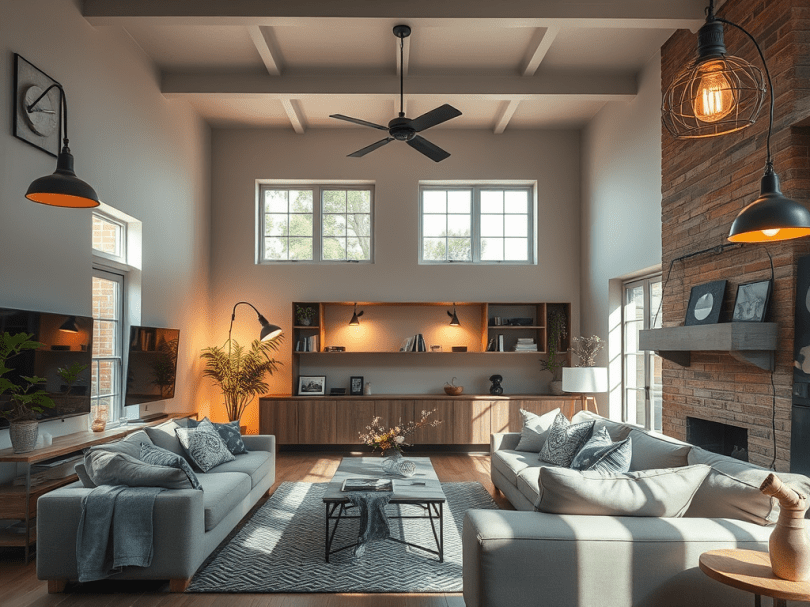
Raw, bold, and edgy. Think metal cages, exposed bulbs, and finishes like bronze or iron. Ideal for loft-style spaces or rooms with rustic charm.

3. Farmhouse

Warm, inviting, and timeless. Expect distressed wood, soft metal finishes, and mason jar-inspired designs.

4. Bohemian (Boho)

Eclectic and expressive. Look for rattan pendants, woven lamp shades, or natural fiber floor lamps.

5. Traditional

Elegant and classic. Crystal chandeliers, ornate sconces, and warm finishes like brass or gold bring sophistication to any room.

6. Coastal

Light and airy with textures like rope, glass, and driftwood. Great for creating a breezy, relaxed atmosphere.

No matter your style, lighting can act as the perfect finishing touch — tying your furniture, color palette, and décor together seamlessly.


Best Lighting Brands to Consider

When it comes to quality and design, some lighting brands consistently stand out. Here are a few worth exploring:

1. West Elm

Known for its mid-century modern aesthetic and stylish yet functional pieces. Their pendant and wall lighting collections are both trendy and timeless.

2. Pottery Barn

A go-to for classic and transitional designs. You’ll find everything from glass globe chandeliers to rustic lanterns.

3. Mitzi by Hudson Valley Lighting

Chic, modern, and feminine — perfect if you love playful yet sophisticated pieces.

4. Feiss

Offers a mix of traditional and modern fixtures, often seen in high-end interiors for their quality and craftsmanship.

5. Kichler Lighting

Excellent for both indoor and outdoor options, combining performance with elegant design.

6. Crate & Barrel

Known for clean, modern styles that blend seamlessly into contemporary homes.

7. Hinkley Lighting

A great choice for elegant statement lighting — from oversized pendants to outdoor lanterns.

8. IKEA

Affordable, versatile, and stylish. Their smart lighting line also integrates easily with Alexa or Google Home.


Tips for Choosing the Right Lighting

  • Match the mood to the room: Warm light for bedrooms and living rooms, cooler light for kitchens and offices.
  • Consider ceiling height: Choose fixtures that fit your space proportionally — low ceilings benefit from flush mounts or semi-flush fixtures.
  • Add dimmers: Dimming capabilities give you control over ambiance and energy efficiency.
  • Think about placement: Properly positioned light enhances both function and aesthetics — especially with task lighting in kitchens or bathrooms.

Final Thoughts

Lighting isn’t just about brightness — it’s about personality. The right lighting fixtures can define your home’s character and make each room feel complete. Whether you’re drawn to a sleek modern pendant or a rustic farmhouse chandelier, the right choice can turn your home into a beautifully illuminated reflection of you.


Discovering Life LLC
Where design meets inspiration.
Visit www.discoveringlifellc.com for more décor guides, lighting tips, and home inspiration.


Baby Proofing Your Home in a Stylish Way: Safety Meets Chic Design


When you bring a baby home, your entire world changes — and so does your home. Suddenly, sharp corners, slippery floors, and low-lying decor pieces become potential hazards. But here’s the good news: baby proofing doesn’t mean you have to sacrifice style. You can have a safe, functional space that still looks beautiful and feels like you.

Today, let’s talk about how to baby proof your home in a stylish way — with safety products and design choices that blend seamlessly into your decor.


1. Choose Furniture That’s Naturally Safe

Instead of adding bulky protectors everywhere, start with rounded-edge furniture when possible. Opt for coffee tables, ottomans, and dining chairs with smooth curves and soft edges.

If you already have sharp-edged furniture you love, use clear corner guards or silicone edge bumpers in neutral tones. These can protect your baby without drawing attention away from your aesthetic.

Style Tip: Choose guards in transparent or wood-tone finishes to blend with your furniture color rather than contrast it.


2. Swap Breakables for Beautiful Alternatives

Your favorite vase or glass decor might need a temporary relocation — but that doesn’t mean your shelves have to look empty. Replace fragile decor with woven baskets, fabric storage bins, or soft plush accents.

You can also bring in wooden or silicone decor items that fit your color scheme but are safer for curious hands.

Style Tip: Use decorative bins that match your home’s palette — think ivory, taupe, blush, or sage — to keep your design cohesive.


3. Go Cordless with Window Coverings

Cords are a major hazard for little ones, so it’s time to upgrade to cordless blinds or shades. This small change makes a huge safety difference — and instantly gives your home a cleaner, more modern look.

Style Tip: Linen Roman shades or bamboo blinds add natural texture while keeping things sleek and simple.


4. Anchor Everything (and Hide It Stylishly)

Heavy furniture like dressers, bookshelves, and TVs should always be anchored to the wall. Thankfully, today’s furniture anchors are easy to install and invisible once in place.

If visible, paint the straps the same color as your wall or furniture for a seamless look.

Style Tip: For open shelving, use woven or rattan baskets to contain items and keep the look organized and intentional.


5. Create Soft, Stylish Play Zones

Every home needs a safe space for your baby to explore — but those bright foam tiles aren’t your only option.

Instead, look for neutral play mats in elegant patterns like terrazzo, geometric shapes, or soft solids that complement your living room. Many are waterproof, easy to clean, and reversible for when you want a more “grown-up” look.

Style Tip: Layer a chic area rug under your play mat to make it feel integrated into the space, not separate from it.


6. Secure Cabinets Without Sacrificing Design

Cabinet locks are a must once your little one starts to crawl, but you don’t have to settle for plastic eyesores.

Choose magnetic locks that stay hidden inside the cabinet door. They’re completely invisible from the outside and blend perfectly with a minimalist or modern kitchen.

Style Tip: If you prefer visible hardware, look for matte finishes like brushed nickel, black, or champagne gold — they’re safer and stylish.


7. Light It Right

Soft lighting not only makes nighttime feedings easier but also helps prevent accidents in dim areas. Consider motion-sensor night lights in hallways, nurseries, and bathrooms.

Style Tip: Go for warm white or amber-toned lights that feel cozy and complement your decor, not harsh blue tones that clash with your aesthetic.


8. Keep It Organized

A clutter-free home is a safer home. Use decorative storage solutions like baskets, ottomans with lids, or storage benches to keep toys, blankets, and baby gear tucked away but within reach.

Style Tip: Choose textures like wicker, linen, or faux leather to match your decor theme — from farmhouse to modern chic.


Final Thoughts

Baby proofing doesn’t have to mean turning your home into a plastic playground. With a little creativity and thoughtful choices, you can create a safe, stylish home where your baby can explore — and you can still love how everything looks.

Safety can be beautiful when you design with intention.