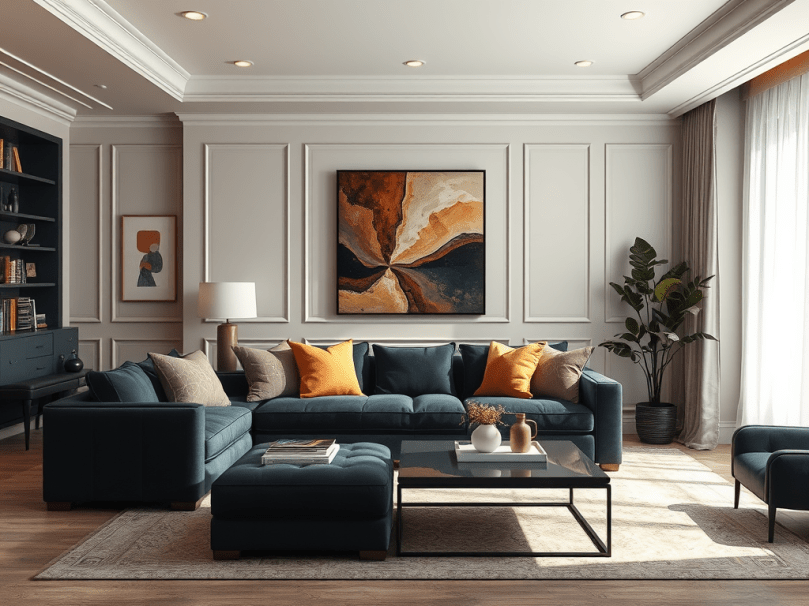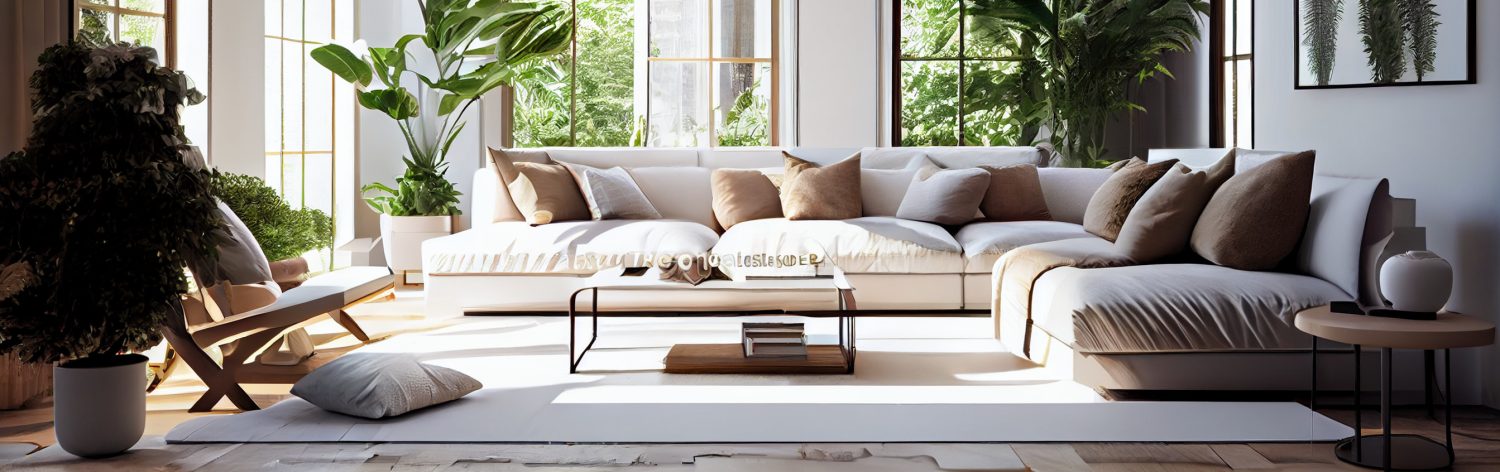

Baby Proofing Your Home in a Stylish Way: Safety Meets Chic Design


When you bring a baby home, your entire world changes — and so does your home. Suddenly, sharp corners, slippery floors, and low-lying decor pieces become potential hazards. But here’s the good news: baby proofing doesn’t mean you have to sacrifice style. You can have a safe, functional space that still looks beautiful and feels like you.

Today, let’s talk about how to baby proof your home in a stylish way — with safety products and design choices that blend seamlessly into your decor.


1. Choose Furniture That’s Naturally Safe

Instead of adding bulky protectors everywhere, start with rounded-edge furniture when possible. Opt for coffee tables, ottomans, and dining chairs with smooth curves and soft edges.

If you already have sharp-edged furniture you love, use clear corner guards or silicone edge bumpers in neutral tones. These can protect your baby without drawing attention away from your aesthetic.

Style Tip: Choose guards in transparent or wood-tone finishes to blend with your furniture color rather than contrast it.


2. Swap Breakables for Beautiful Alternatives

Your favorite vase or glass decor might need a temporary relocation — but that doesn’t mean your shelves have to look empty. Replace fragile decor with woven baskets, fabric storage bins, or soft plush accents.

You can also bring in wooden or silicone decor items that fit your color scheme but are safer for curious hands.

Style Tip: Use decorative bins that match your home’s palette — think ivory, taupe, blush, or sage — to keep your design cohesive.


3. Go Cordless with Window Coverings

Cords are a major hazard for little ones, so it’s time to upgrade to cordless blinds or shades. This small change makes a huge safety difference — and instantly gives your home a cleaner, more modern look.

Style Tip: Linen Roman shades or bamboo blinds add natural texture while keeping things sleek and simple.


4. Anchor Everything (and Hide It Stylishly)

Heavy furniture like dressers, bookshelves, and TVs should always be anchored to the wall. Thankfully, today’s furniture anchors are easy to install and invisible once in place.

If visible, paint the straps the same color as your wall or furniture for a seamless look.

Style Tip: For open shelving, use woven or rattan baskets to contain items and keep the look organized and intentional.


5. Create Soft, Stylish Play Zones

Every home needs a safe space for your baby to explore — but those bright foam tiles aren’t your only option.

Instead, look for neutral play mats in elegant patterns like terrazzo, geometric shapes, or soft solids that complement your living room. Many are waterproof, easy to clean, and reversible for when you want a more “grown-up” look.

Style Tip: Layer a chic area rug under your play mat to make it feel integrated into the space, not separate from it.


6. Secure Cabinets Without Sacrificing Design

Cabinet locks are a must once your little one starts to crawl, but you don’t have to settle for plastic eyesores.

Choose magnetic locks that stay hidden inside the cabinet door. They’re completely invisible from the outside and blend perfectly with a minimalist or modern kitchen.

Style Tip: If you prefer visible hardware, look for matte finishes like brushed nickel, black, or champagne gold — they’re safer and stylish.


7. Light It Right

Soft lighting not only makes nighttime feedings easier but also helps prevent accidents in dim areas. Consider motion-sensor night lights in hallways, nurseries, and bathrooms.

Style Tip: Go for warm white or amber-toned lights that feel cozy and complement your decor, not harsh blue tones that clash with your aesthetic.


8. Keep It Organized

A clutter-free home is a safer home. Use decorative storage solutions like baskets, ottomans with lids, or storage benches to keep toys, blankets, and baby gear tucked away but within reach.

Style Tip: Choose textures like wicker, linen, or faux leather to match your decor theme — from farmhouse to modern chic.


Final Thoughts

Baby proofing doesn’t have to mean turning your home into a plastic playground. With a little creativity and thoughtful choices, you can create a safe, stylish home where your baby can explore — and you can still love how everything looks.

Safety can be beautiful when you design with intention.

Making Space to Work Out: Creating a Home Gym Without a Spare Room


Working out at home sounds great — until you realize you don’t actually have a home gym. Between the couch, coffee table, and that pile of laundry waiting to be folded, it can feel impossible to carve out a place to move. But the truth is, you don’t need a full room to stay active. With a few smart design tricks and a bit of creativity, you can make space for workouts right where you are.

1. Define Your Workout Zone

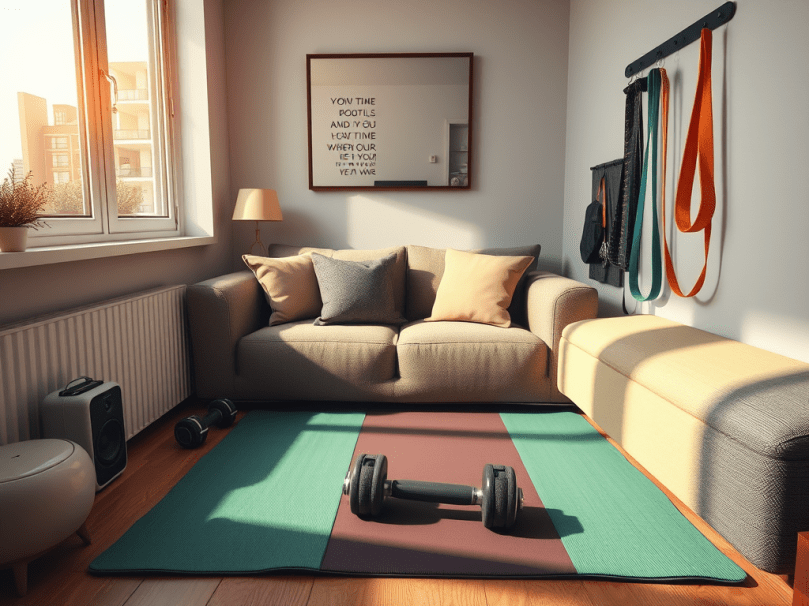
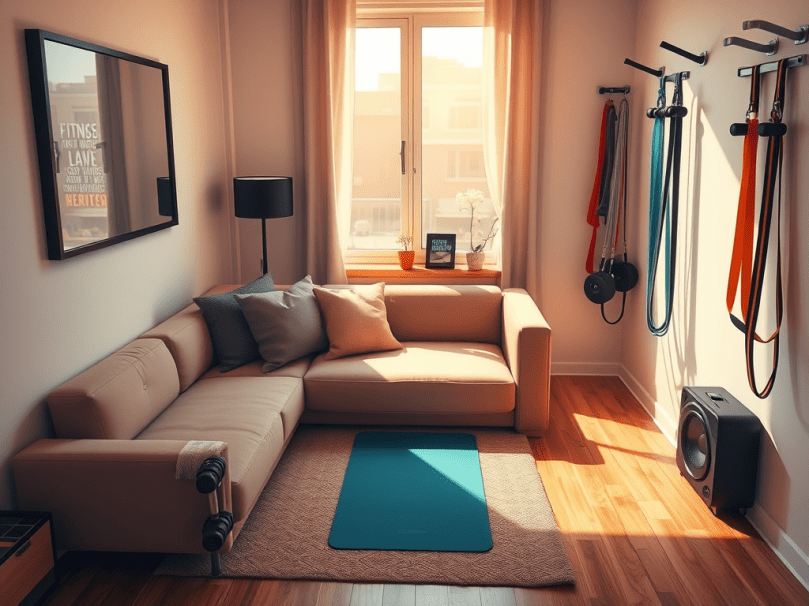
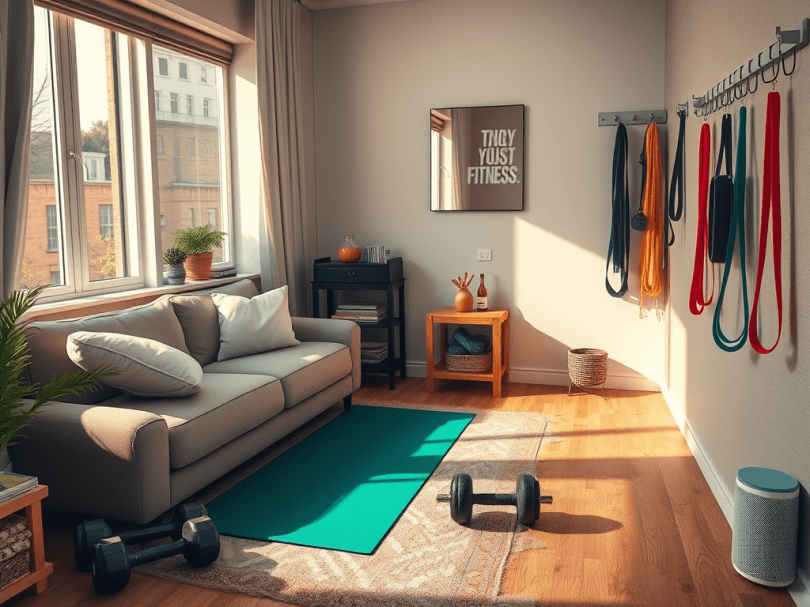
Even if you live in a small apartment or have limited open space, you can still define a “workout zone.” Choose an area that gives you just enough room to move comfortably — maybe the corner of your living room, a spot beside your bed, or even an open hallway.
Use a yoga mat, area rug, or foldable foam mat to signal, this is my space to move. When it’s laid out, it’s workout time. When it’s rolled up, it’s life as usual.

2. Choose Equipment That Fits Your Life

Skip bulky treadmills or giant weight racks — opt for space-saving equipment that works with your home, not against it.
A few good options include:

  • Resistance bands — easy to store and surprisingly effective.
  • Foldable yoga mats or interlocking foam tiles for comfort.
  • Adjustable dumbbells or kettlebells that tuck neatly under furniture.
  • Jump ropes or sliders for cardio without taking up room.

If you prefer bodyweight workouts, your “equipment” might simply be your mat and a pair of sneakers — which makes your space even more flexible.

3. Store Smartly

The key to keeping your home from feeling cluttered is smart storage. A woven basket, ottoman with hidden storage, or a sleek storage bench can keep your weights, bands, and towels out of sight when you’re done.
If you have a small closet nearby, use over-the-door organizers to store resistance bands, yoga straps, or towels. This keeps your space calm and functional — perfect for homes that double as living and workout zones.

4. Make It Motivating

Even if your workout area is just a few square feet, you can make it feel like a mini gym.

  • Add a mirror to check your form (and boost motivation).
  • Keep a small speaker or playlist ready for your workout vibe.
  • Hang a motivational quote or poster nearby to remind yourself why you’re moving.
  • Use good lighting — natural light if possible — to keep energy levels high.

When you associate that corner or mat with motivation, it’s easier to show up.

5. Stay Flexible

Your home gym doesn’t have to look perfect — it just has to work for you. Maybe your workout zone lives behind your couch, or maybe it’s your living room before everyone wakes up. The key is flexibility.
The best part about creating a workout space at home is that it evolves with you. Some days it’s yoga. Other days it’s strength training. And on rest days, it can go right back to being your cozy living space.


Final Thoughts

You don’t need a dedicated room to stay active — you just need a plan. A small, intentional workout space can fit beautifully into your home and lifestyle. With smart storage, flexible equipment, and a touch of motivation, you can create a space that inspires movement, no matter how small your home is.


Dark Colors vs. Light Colors: How to Balance, Pair, and Choose the Right Shades for Your Home


Color is one of the most powerful design tools in home decor. It shapes how we feel in a space, how big or small a room appears, and even how cozy or refreshing it feels. But one of the most common design dilemmas many homeowners face is deciding between dark and light colors—and even more importantly, learning how to pair them together.

Let’s explore the beauty behind both dark and light tones, how to pair them effectively, and why our color choices say so much about who we are and how we want to live.


The Appeal of Light Colors

Light colors—think whites, creams, beiges, pale grays, and pastels—are loved for their ability to make a space feel open, airy, and bright. They reflect light, making small rooms feel larger and more inviting.
A light color palette often creates a peaceful, calm environment, perfect for bedrooms, bathrooms, and spaces where you want to relax or unwind.

Common light color moods:

  • White & Cream: Freshness and simplicity
  • Pale Gray: Modern and balanced
  • Soft Blues & Greens: Tranquility and calm
  • Blush & Beige: Warmth and approachability

The Strength of Dark Colors

Dark colors—like navy, charcoal, emerald, or espresso—bring a sense of depth, drama, and sophistication. They absorb light rather than reflect it, making a room feel cozier, more intimate, and often more luxurious.

Dark hues can anchor a space, providing contrast and visual weight. They’re especially effective when you want to create a focal point or highlight certain areas, such as a statement wall or a bold piece of furniture.

Common dark color moods:

  • Navy Blue: Confidence and timeless style
  • Charcoal or Black: Sophistication and grounding
  • Forest Green: Nature-inspired elegance
  • Deep Burgundy or Plum: Warmth and richness

Why Dark Works So Well with Light

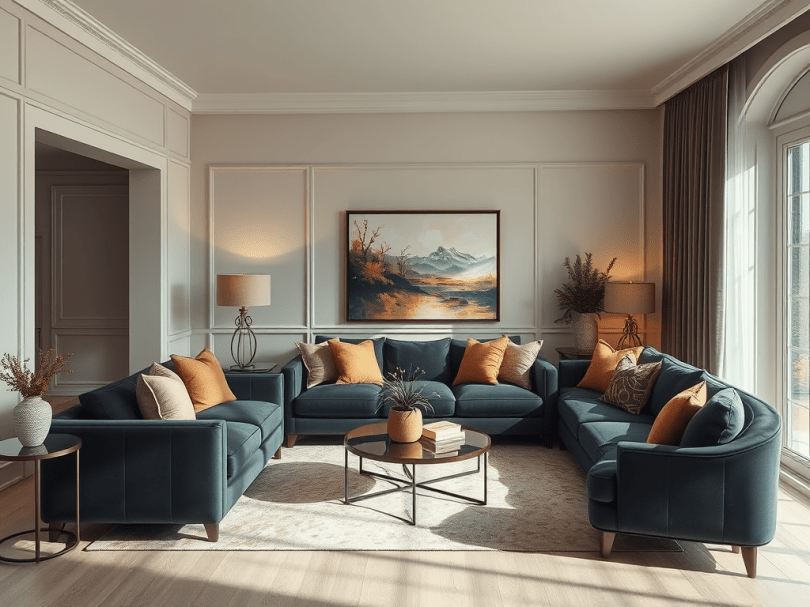
Pairing dark and light colors creates balance—a visual push and pull that keeps the eye interested. Light colors lift a room, while dark tones ground it. When used together, they prevent a space from feeling too sterile or too heavy.

Think of it like this:

  • The light tones provide brightness and openness.
  • The dark tones add definition and contrast.

It’s this dynamic contrast that brings dimension to a space, making it feel layered and thoughtfully designed.


How to Pair Light and Dark Colors

Here are a few tried-and-true strategies for mixing both palettes effectively:

  1. Follow the 60-30-10 Rule:
    • 60% light (walls, large surfaces)
    • 30% dark (furniture, flooring, or accent walls)
    • 10% accent color (decor, art, or textiles)
  2. Anchor with Dark Elements:
    Use darker shades on pieces that stay grounded—like sofas, cabinetry, or rugs—and keep lighter tones on walls or curtains to open up the space.
  3. Use Textures to Soften Contrast:
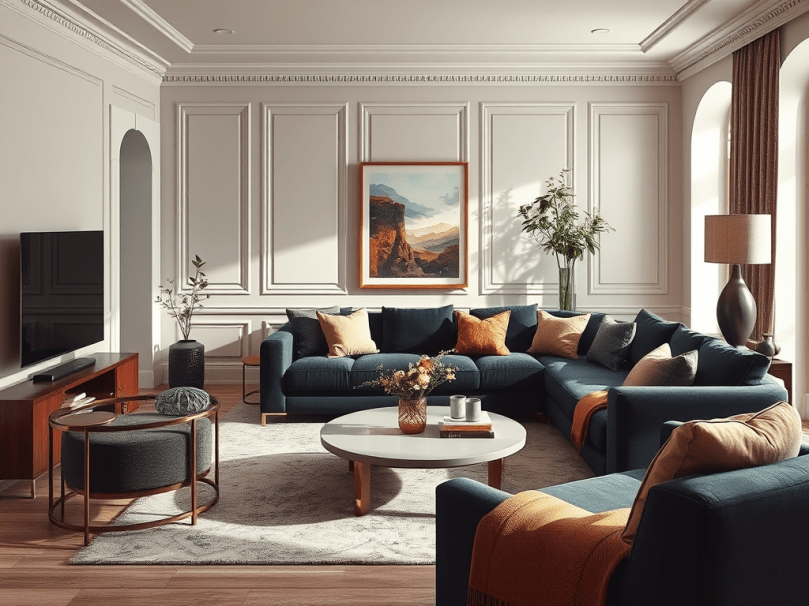
    A soft cream throw on a dark navy couch or a black metal lamp against a pale wall adds texture and balance without overwhelming the eye.
  4. Bring It Together with Neutrals:
    Warm neutrals like taupe, gray, or beige can bridge the gap between dark and light tones, creating harmony throughout the room.

Beautiful Light and Dark Color Combinations

Need inspiration? Here are a few combinations that never go out of style:

  • Navy Blue + Soft White – Timeless, nautical, and crisp
  • Charcoal Gray + Blush Pink – Moody yet romantic
  • Forest Green + Cream – Natural and grounded
  • Black + Light Oak Wood – Modern and minimalist
  • Chocolate Brown + Sky Blue – Earthy and balanced
  • Deep Burgundy + Pale Gray – Warm with subtle sophistication

Why We Choose the Colors We Do

Color choices are deeply personal—they reflect emotion, personality, and even mood.

  • If you’re drawn to light colors, you likely crave peace, simplicity, and clarity in your space.
  • If dark colors appeal to you, you might love the feeling of coziness, strength, and sophistication.
  • And if you love pairing both, you’re seeking balance—creating a space that feels grounded yet full of light.

Ultimately, the best color palette is the one that feels like you. Whether your heart leans toward airy whites or dramatic darks, the key is to create contrast that feels natural and intentional.


Final Thoughts

The magic of interior design lies in balance—and color is the heartbeat of that balance. Light and dark shades each have their strengths, but when paired together, they can transform a home into a place that feels dynamic, comfortable, and complete.

So next time you’re choosing paint, furniture, or decor, remember: it’s not about picking one over the other—it’s about how light and dark work together to create harmony in your space.


How to Choose the Right Refrigerator for Your Home


When you’re ready to buy a new refrigerator, it’s not just about picking the prettiest one on display — it’s about finding the right fit for your home, your lifestyle, and your kitchen layout. Since your fridge will be one of the hardest-working appliances in your home (and likely stay with you for a decade or more), it’s worth choosing wisely.

Here’s a helpful guide to finding the perfect refrigerator — including where to shop, what features to look for, how big it should be, and which models are topping the charts right now.


Step 1: Start With Your Space

Before you fall in love with a model, take a measuring tape to your kitchen. Measure the width, height, and depth of your fridge space — and check for:

  • Door swing clearance (will it hit a wall or counter?)
  • Ventilation room (leave at least half an inch on the sides and top, and one inch behind)
  • Doorway size (can it fit through your front door or hallway?)

Even a half-inch can make a big difference when delivery day arrives!


Step 2: Choose Your Style

The right refrigerator style depends on how you use your kitchen. Here are the main types to consider:

StyleWhy You’ll Love ItWhat to Watch Out For
Top-FreezerClassic, affordable, and reliableYou’ll bend more for fresh food
Bottom-FreezerEasy access to fridge section, great for familiesYou’ll stoop for the freezer
Side-by-SideGreat for narrow kitchens; easy access to both sectionsNarrow shelves can limit space for wide dishes
French DoorModern look, roomy fridge space, energy efficientUsually pricier; slightly less freezer space
Counter-DepthSits flush with cabinets, gives a built-in lookSmaller interior capacity for the size

If you love entertaining or prefer a sleek, high-end look, French-door or counter-depth models might be your best bet. For simple dependability, top-freezer styles are still a classic choice.


Step 3: Pick the Right Size

A good rule of thumb:

  • 1–2 people: 14–18 cubic feet
  • 3–4 people: 19–22 cubic feet
  • 5+ people: 25+ cubic feet

But don’t stop at the numbers — interior layout matters just as much. Adjustable shelves, deep bins, and humidity-controlled drawers can make a smaller fridge feel surprisingly spacious.


Step 4: Choose the Right Features

Today’s refrigerators are smarter than ever, but not every bell and whistle is necessary. Focus on the features that will actually make life easier:

Dual cooling systems — keeps fridge and freezer at perfect humidity levels
Humidity-controlled crispers — your produce will last longer
LED lighting — bright and energy-efficient
Adjustable shelves and bins — flexible space for any occasion
Ice maker & water dispenser — convenient but sometimes high-maintenance
Smart connectivity — great for tech lovers, but adds cost and complexity
Energy efficiency — look for the yellow EnergyGuide label to save on your bills

If you prefer simplicity and reliability, skip the extra tech and focus on solid build quality and efficiency.


Step 5: Where to Shop

You can find great refrigerators at both big-box retailers and local appliance stores.

  • Best Buy, Home Depot, and Lowe’s are ideal for comparing models and getting delivery + haul-away service.
  • Local dealers often provide better customer service, personalized advice, and installation help.
  • Online retailers like Costco or AJ Madison sometimes have exclusive bundles or rebates.

Pro Tip: Look for seasonal sales — major holidays, Memorial Day, or end-of-model-year clearances are great times to buy appliances at a discount.


Step 6: Top 5 Refrigerators on the Market (2025 Edition)

Here are a few models getting rave reviews right now — from budget-friendly to high-tech showstoppers:

LG 26 cu ft Smart Counter-Depth French Door

  • Price: ~$1,999
  • Rating: ★★★★☆ (4.3/5)
  • Why people love it: Stylish, smart, and efficient. Features a dual ice maker and smart app controls without sacrificing space.
  • Best for: Families who want sleek design and convenience.

Samsung Bespoke 29 cu ft 4-Door French Door

  • Price: ~$2,749
  • Rating: ★★★★☆ (4.3/5)
  • Why people love it: Custom panels, AI features, and internal cameras — perfect for design lovers.
  • Watch for: Higher price and more complex tech repairs.

Whirlpool 24.6 cu ft Side-by-Side

  • Price: ~$999
  • Rating: ★★★★☆ (3.9/5)
  • Why people love it: Reliable, roomy, and budget-friendly.
  • Best for: Traditional layouts and families who prefer easy freezer access.

Frigidaire 18 cu ft French Door

  • Price: ~$1,298
  • Rating: ★★★★☆ (4.5/5)
  • Why people love it: Affordable French-door style with solid cooling performance.
  • Best for: Smaller kitchens that still want a modern look.

Whirlpool 20.5 cu ft Top-Freezer

  • Price: ~$699
  • Rating: ★★★★☆ (4.1/5)
  • Why people love it: Simple, reliable, and energy-efficient — no unnecessary extras.
  • Best for: Apartments or those who value durability over tech.

Step 7: What People Are Saying

  • LG and GE models top reliability lists for 2025, with consistent cooling and easy maintenance.
  • Samsung’s Bespoke line draws attention for style and features — but some reviews note that its smart tech can occasionally glitch.
  • Whirlpool and Maytag earn points for durability and easy part replacement.
  • Frigidaire remains a solid middle-ground choice: stylish and affordable, though long-term durability varies.

Final Thoughts

Choosing the right refrigerator is about more than cubic feet — it’s about how you live. Whether you’re an avid cook, a meal prepper, or a minimalist, there’s a fridge out there that fits your rhythm.

Before clicking “Add to Cart,” double-check these quick points:

  • ✅ Measure twice, buy once
  • ✅ Read long-term user reviews
  • ✅ Check warranty and service availability in your area
  • ✅ Plan for delivery, installation, and haul-away
  • ✅ Shop during appliance sales for the best value

With a little planning, you’ll end up with a refrigerator that keeps things cool, saves energy, and looks great doing it.


Want more home tips like this?
Visit www.discoveringlifellc.com for guides on furniture, home organization, and decorating inspiration to make your home feel truly your own.


Shades of Green: How to Use This Versatile Color in Your Home Without Overpowering It


Green is one of the most calming and adaptable colors in interior design. It represents renewal, nature, and harmony — making it a perfect choice for creating a soothing home environment. But with so many shades of green to choose from, it can be tricky to know where to start or how to use the color without it taking over your space.

Let’s explore the different shades of green, how to incorporate them into your home, and some design inspiration to help you find the right balance.


Different Shades of Green

Green isn’t just “green” — it’s a spectrum that ranges from soft, muted tones to deep, dramatic hues. Here are some of the most popular shades and how they can influence the feel of a room:

  • Sage Green: A soft, muted tone that’s perfect for modern farmhouse, minimalist, or Scandinavian-inspired spaces. Sage is subtle and relaxing, often used in kitchens, bedrooms, or bathrooms.
  • Olive Green: Earthy and sophisticated, olive green pairs beautifully with neutrals and wood accents. It adds warmth and depth without being overwhelming.
  • Emerald Green: Rich, luxurious, and bold — emerald brings drama and elegance to any space. It’s stunning on accent walls, velvet furniture, or statement decor pieces.
  • Mint Green: Fresh and airy, mint gives rooms a light, uplifting feel. It works wonderfully in bathrooms, nurseries, or small kitchens.
  • Forest Green: Deep and moody, this shade evokes a sense of coziness and connection to nature. It pairs well with natural textures like rattan, leather, and stone.
  • Chartreuse: A lively mix between green and yellow, this shade adds vibrancy and energy to modern spaces. It works best as an accent color rather than a main hue.

How to Use Green in Your Home

Green can be incorporated in countless ways — from paint to furniture to accessories. The key is to choose the right shade and placement for your style and comfort level.

  1. Start Small:
    If you’re new to using color, begin with green accessories — like throw pillows, curtains, or vases. This lets you introduce the shade without committing to a full wall or furniture piece.
  2. Bring Nature Indoors:
    Add indoor plants! They naturally introduce shades of green while improving your air quality and adding texture. Group a few different-sized plants together for a lush, balanced look.
  3. Use Green as a Neutral:
    Muted greens like sage and olive work almost like neutrals. They blend beautifully with beige, gray, and white, making them ideal for walls or cabinetry.
  4. Incorporate Green in Patterns:
    Floral prints, botanical wallpaper, or geometric designs that include green can add color and interest without feeling overpowering.
  5. Paint an Accent Wall:
    Choose one wall to highlight in a rich shade like emerald or forest green. Balance it with lighter neutrals or natural textures around the room.

Design Inspiration

  • Living Room: Pair a deep emerald sofa with gold accents, cream walls, and a jute rug for a refined yet cozy space.
  • Bedroom: Create a calming retreat with sage green walls, white bedding, and wooden furniture. Add a few leafy plants for a fresh touch.
  • Kitchen: Olive or moss green cabinets with brass hardware and white marble countertops make for a timeless, elegant look.
  • Bathroom: Go for mint or seafoam tiles paired with white fixtures and bamboo accessories for a spa-like atmosphere.
  • Dining Area: Use green upholstered chairs around a wooden table, paired with a soft linen table runner in neutral tones.

How to Use Green Without Overpowering Your Home

Green is powerful, so balance is key. Here’s how to keep your space feeling fresh — not overwhelming:

  • Mix with Neutrals: Pair greens with whites, grays, tans, and wood tones to keep the color grounded.
  • Limit Your Palette: Choose one or two shades of green and stick to them throughout your space for consistency.
  • Play with Texture: Combine green in different materials — velvet, ceramic, linen, or glass — to create depth without overdoing it.
  • Use Lighting Wisely: Natural and warm lighting enhance green’s natural beauty. Harsh lighting can make it look too intense.

Final Thoughts

Green is the color of balance and renewal, making it a beautiful choice for any home. Whether you love the subtlety of sage or the richness of emerald, there’s a shade that can complement your style and bring your space to life.

The key is to start small, balance bold shades with neutrals, and let the natural inspiration of green guide your decor choices. When done right, green doesn’t just decorate your home — it rejuvenates it.