
Decorating a Unisex Child’s Bedroom: Helping Your Child Discover Their Style (Without Forcing Yours)


Decorating a child’s bedroom can be one of the most rewarding experiences for parents — but it can also feel a little tricky when your child doesn’t yet have a clear sense of their own style. Maybe they’re too young to decide, or maybe they simply like a little bit of everything. Either way, creating a space that feels personal, functional, and adaptable can help nurture their developing sense of self without boxing them into one theme.

Here’s how to design a unisex child’s bedroom that grows with your child and helps them discover their unique style — all while keeping the process fun and pressure-free.


1. Start with a Neutral Foundation

Before you add color or character, think about building a neutral base. Soft whites, warm grays, muted greens, or gentle taupes work beautifully for unisex spaces. These colors make it easy to adjust decor as your child’s interests evolve.

A neutral foundation also prevents the room from feeling overly gendered — and lets accessories, bedding, and wall art shine as your child’s personality develops.

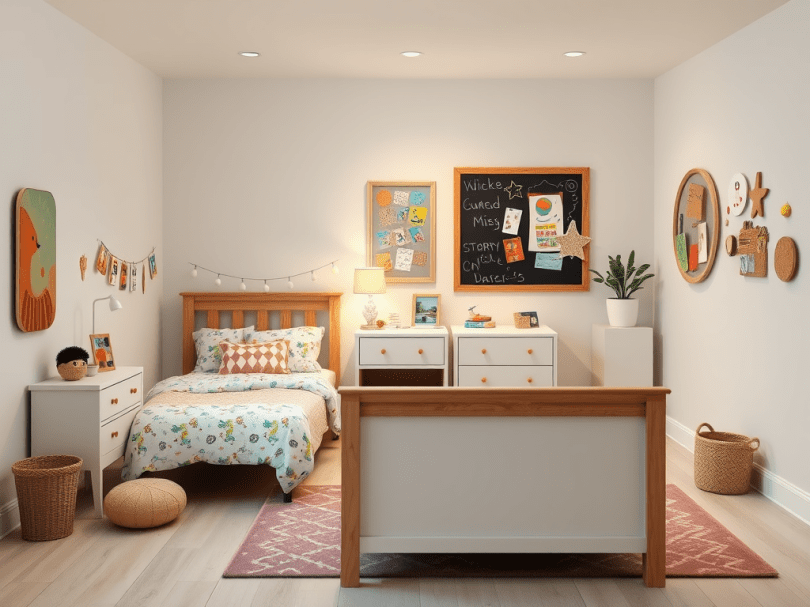
Tip: Stick with neutral furniture pieces, like a natural wood bed frame or a white dresser. Then, layer in playful, interchangeable decor pieces.


2. Introduce Color Through Accents

Instead of choosing a full room color based on a single theme, use color accents to add energy. Bedding, pillows, rugs, or curtains are great ways to introduce fun shades without locking into one look.

For example, a mix of soft teal, mustard yellow, and gray feels cheerful and balanced — while sage green and dusty blue can feel calming and timeless.

As your child’s tastes evolve, you can swap these pieces easily without repainting or redesigning the whole space.


3. Use Interests, Not Labels

Children may not know what “boho” or “modern” means, but they’ll respond to textures, shapes, and colors that make them feel good. Instead of asking, “Do you want a princess room or a superhero room?” try asking open-ended questions:

  • “Do you like soft or bright colors?”
  • “Do you like animals, stars, or shapes?”
  • “What feels fun to you — cozy, colorful, or calm?”

Their answers will guide your design choices without steering them toward something they’re not ready to define.


4. Add Interactive Decor Elements

Give your child space to explore what they love. A chalkboard wall, pinboard, or magnetic display lets them show off their art, favorite characters, or new hobbies as they grow.

This not only adds personality but also helps your child connect with their room as a creative space that changes with them.


5. Keep It Flexible

A child’s room should grow with them — which means flexibility is key. Instead of committing to one theme, focus on interchangeable elements:

  • Removable wall decals instead of murals
  • Convertible furniture like a toddler bed that transforms into a twin
  • Neutral bedding with themed accent pillows
  • Floating shelves for rotating decor or collectibles

This approach gives you (and your child) freedom to evolve the space as their interests change.


6. Let Them Have Small Wins

If your child struggles to make choices, offer two or three simple options at a time. Too many choices can overwhelm them — but limited options help them feel confident.

For example:

  • “Do you like this green pillow or this yellow one?”
  • “Which lamp do you think looks better on your desk?”

When they choose something themselves, even small details, it helps build ownership and pride in their room.


7. Add a Touch of You — Carefully

It’s natural to want your child’s room to reflect your own taste, but it’s important to leave space for their personality to shine through. If you lean toward minimalist decor, balance it with their need for whimsy. If you love rustic tones, add playful textures like pom-pom garlands or colorful artwork to keep it kid-friendly.

Your role is to guide, not dictate — and that’s what makes the space feel special for both of you.


Final Thoughts

Decorating a unisex child’s bedroom doesn’t mean creating a bland or style-less space — it’s about designing a flexible foundation that grows with your child. By focusing on neutrals, layering color through accessories, and involving your child in small ways, you’ll help them naturally discover their style over time.

Most importantly, remember: their room is a reflection of their journey, not just your vision. And sometimes, watching their tastes develop is the most rewarding part of the design process.
Choosing the Right Fixtures for Your Home: A Complete Guide


When decorating or remodeling your home, fixtures may not always be the first thing you think about—but they have an incredible impact on how your space looks and feels. From lighting to faucets to cabinet handles, the right fixtures pull everything together and add that finishing touch that turns a house into a home.

Why Choosing the Right Fixtures Matters

Fixtures are more than just functional components. They influence your home’s overall aesthetic, comfort, and even value. The right fixtures can:

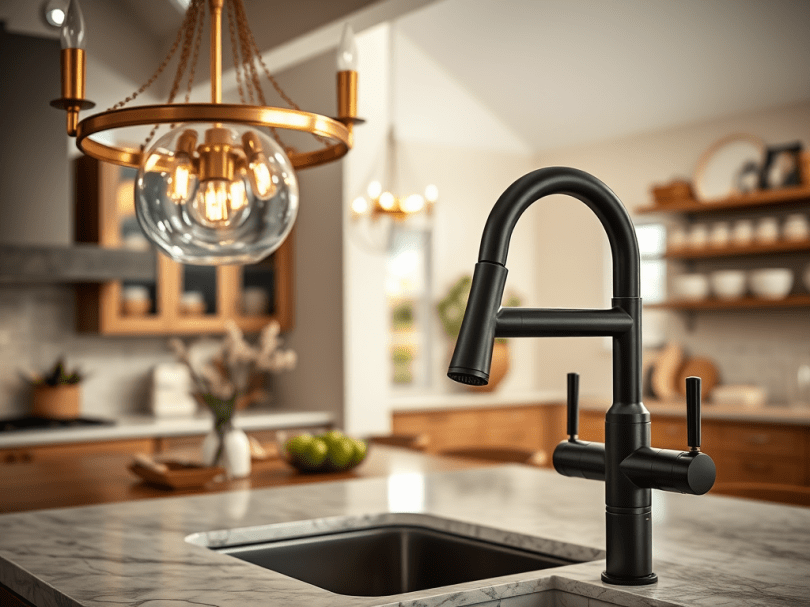
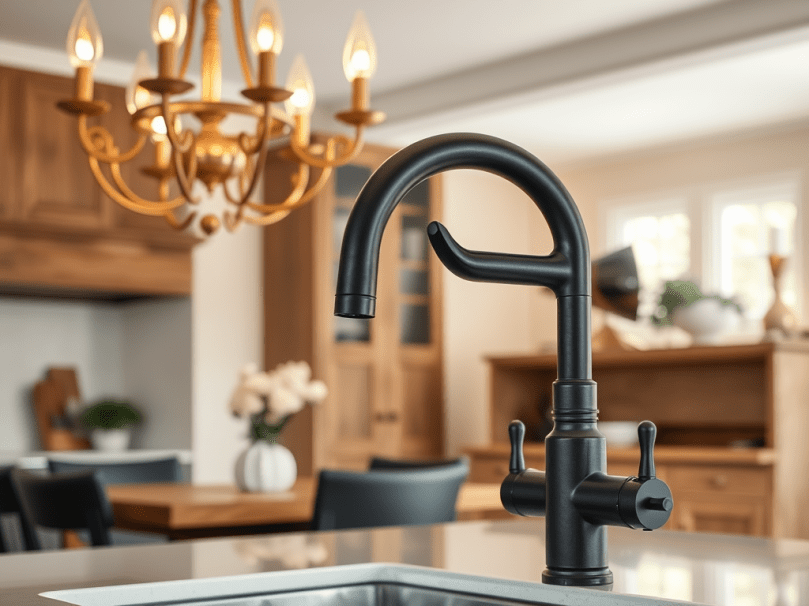
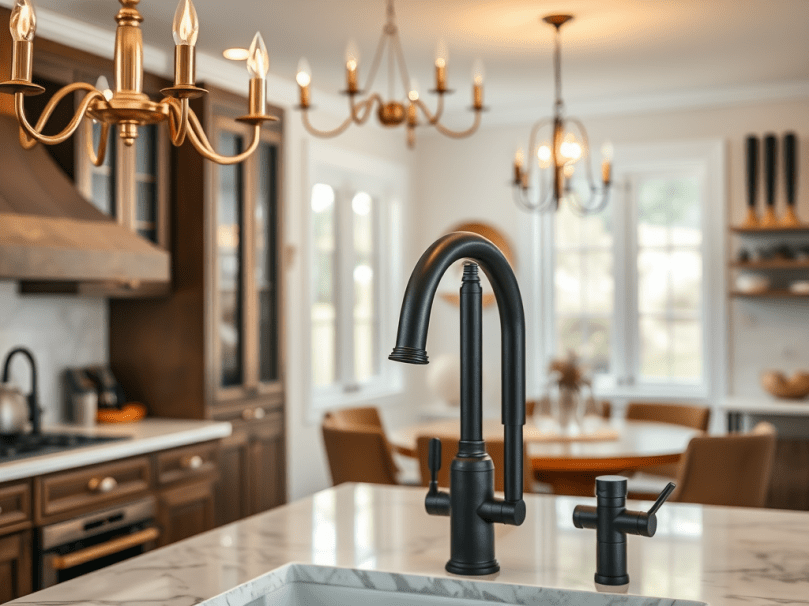
  • Enhance your design theme: Fixtures are subtle, but they define style. A sleek black faucet complements a modern kitchen, while an antique brass chandelier brings warmth to a vintage-inspired dining room.
  • Increase home value: High-quality fixtures are an investment that appeals to potential buyers and elevate your home’s perceived worth.
  • Improve functionality: Fixtures directly affect how you use your space. The right lighting, for instance, ensures your rooms are both inviting and practical.
  • Reflect your personality: Whether you prefer minimalist, boho, or traditional decor, fixtures allow you to express your taste through small but impactful design details.

How to Choose the Right Fixtures

  1. Start with your home’s style
    Look at your overall design theme—modern, farmhouse, coastal, industrial, or eclectic—and choose fixtures that align with it. Consistency is key. For example, matte black or brushed nickel finishes tend to work beautifully in modern or minimalist spaces, while brass or oil-rubbed bronze fits traditional or vintage-inspired homes.
  2. Consider your color palette
    Fixtures should blend seamlessly with your existing colors. If your kitchen features cool tones like gray or white, silver or chrome finishes keep things cohesive. Warmer spaces with wood accents often pair best with gold or bronze finishes.
  3. Balance form and function
    A fixture may look beautiful, but it also needs to serve your lifestyle. Make sure your lighting provides enough brightness, your faucet offers easy control, and your hardware feels comfortable in your hand.
  4. Mix finishes—carefully
    Mixing metal finishes can create visual interest when done thoughtfully. Try pairing matte black cabinet pulls with brushed brass light fixtures for a modern yet warm look. Stick to two to three finishes throughout the home for a balanced feel.
  5. Set a budget
    Fixtures vary widely in price. Decide where to splurge and where to save. For instance, you might invest in statement lighting for your dining area but opt for affordable hardware in secondary rooms.

Types of Fixtures to Consider

There are many types of fixtures in a home, each playing its own unique role in your decor:

  • Lighting Fixtures: Chandeliers, pendant lights, wall sconces, ceiling fans with lights, recessed lighting, and table lamps.
  • Plumbing Fixtures: Faucets, showerheads, bathtub fillers, and sinks.
  • Cabinet & Door Hardware: Knobs, pulls, hinges, and handles that complement cabinetry or entryways.
  • Bathroom Fixtures: Towel bars, robe hooks, mirrors, and toilet paper holders.
  • Electrical Fixtures: Switch plates, outlets, and thermostats that can subtly influence the room’s overall look.

Where to Find the Right Fixtures

Finding the perfect fixtures for your home has never been easier. You can explore:

  • Home improvement stores: Places like Home Depot, Lowe’s, or Menards offer a wide variety of options for every budget.
  • Online retailers: Websites such as Wayfair, Build.com, and Amazon carry a large selection with helpful customer reviews and inspiration photos.
  • Specialty lighting and hardware stores: These shops often offer higher-end or unique fixtures you won’t find in big-box stores.
  • Local artisans and small businesses: For a one-of-a-kind look, consider supporting local makers who create custom or handcrafted pieces.
  • Antique stores or flea markets: Perfect for those who love character-filled vintage or reclaimed fixtures that tell a story.

Final Thoughts

Choosing the right fixtures for your home is about more than appearance—it’s about creating harmony between beauty, comfort, and practicality. Every handle, light, and faucet plays a role in defining your home’s identity. Take your time, explore your options, and remember: the best fixtures are the ones that make your home feel truly yours.


Eating in Your Home: Is the Dining Room Table a Thing of the Past?


In today’s fast-paced world, the way we eat at home has changed just as much as the way we live. Once upon a time, every home had a formal dining room — a space reserved for family meals, special gatherings, and holidays. The dining table wasn’t just furniture; it was a symbol of togetherness. But now, many of us find ourselves eating dinner on the couch while catching up on a show, or even having breakfast in bed on a lazy weekend. So, what happened to the traditional dining room table — and does it still have a place in modern life?


Do You Have a Designated Eating Area?

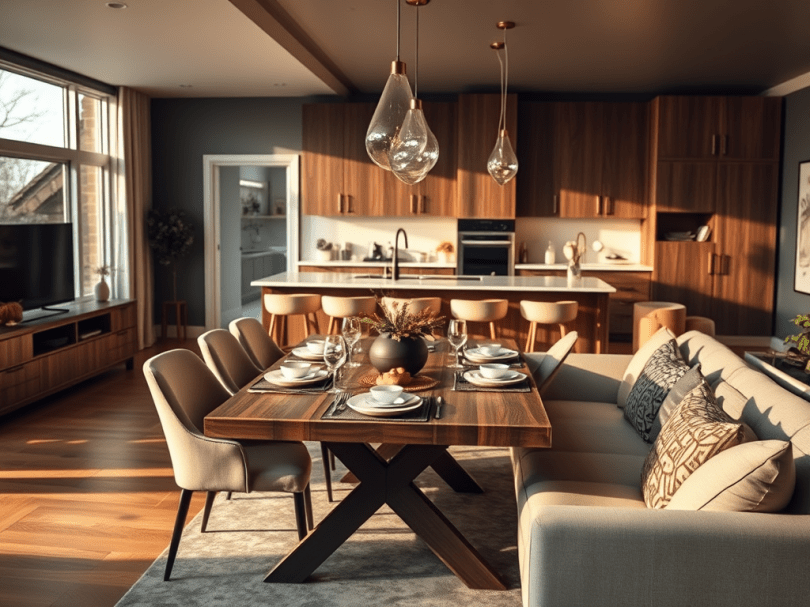
Every home has its rhythm. For some, eating at a designated dining table still brings a sense of structure and comfort. For others, the kitchen island, breakfast bar, or even the coffee table in front of the TV has become the new “dining spot.”

Open-concept living has also changed how we define eating spaces. Many modern homes blur the line between the kitchen and living area, making casual dining more natural. Families might share a meal at the island while one person cooks, or snack together on the couch while watching a movie — proving that connection doesn’t always require formality.


Do People Still Use the Dining Room Table?

Surprisingly, yes — but not always every day. Many people still keep a dining room table as part of their home decor, even if it’s more for holidays, birthdays, or Sunday dinners. It’s often seen as a centerpiece, a gathering place for special moments rather than a daily necessity.

For smaller spaces, dining rooms have become multifunctional: part dining area, part home office, part craft zone. The modern dining table has evolved into a flexible piece of furniture that adapts to the way we live now.


Eating on the Couch (or Bed): The New Normal?

Let’s be honest — eating on the couch is often more comfortable and convenient. With busy schedules and on-demand entertainment, it’s no wonder so many people prefer to dine in front of a screen. The same goes for breakfast in bed or a late-night snack while scrolling through your phone.

While it’s cozy, it does change the dynamic. Meals become less about conversation and more about comfort. There’s nothing wrong with that — but it’s interesting to see how habits have shifted away from structured mealtime routines.


The Formal History of the Dining Room Table

The dining room table has deep roots in history. In medieval times, large wooden tables in great halls were used for communal feasts. Over the centuries, the dining room became a symbol of sophistication and family unity, particularly in the 18th and 19th centuries.

By the mid-20th century, eating together at a dining table became a daily ritual for many families — a time to share stories, reflect on the day, and strengthen relationships. It was as much about the experience as the meal itself.


Why Families Ate Together — and Is It Still Important?

Sharing a meal has always been about more than just eating. It was (and still is) a way to connect, communicate, and create memories. Studies have shown that families who eat together often have stronger relationships and better emotional well-being.

However, in our modern world — with different work hours, after-school activities, and digital distractions — family meals have become less frequent. But even if it’s just once or twice a week, sitting at a table together still holds value. It’s a small way to pause, reconnect, and make home feel like home.


So, Is the Dining Table Obsolete?

Not at all — it’s just evolving. The dining table may not be used daily, but it still represents connection, conversation, and community. Whether you gather around it for Sunday brunch, game night, or holiday dinner, it’s a reminder of how our homes bring us together.

And for those who prefer to dine on the couch or at the breakfast bar — that’s perfectly fine too. Home is all about what works best for you.


In the end, it’s not about where you eat — it’s about how you share those moments that make your house feel like home.


Discovering the Warmth of Mexican Style Homes: A Blend of Color, Culture, and Comfort


When you think of Mexican-style homes, chances are you picture rich colors, hand-painted tiles, natural textures, and a welcoming warmth that makes every space feel alive. Mexican home design is all about celebrating life—its vibrancy, its imperfections, and its history. But what exactly is Mexican style? What’s its proper name, and how can you bring a touch of this timeless aesthetic into your own home—whether you prefer modern, farmhouse, or boho decor? Let’s dive in.


What Is Mexican Style Home Design?

Mexican style home design—often referred to as Mexican Colonial, Hacienda style, or Spanish Colonial Revival—draws heavily from Spanish architecture blended with Indigenous artistry and local craftsmanship. The look combines rustic textures with bright, bold colors, creating an atmosphere that feels both cozy and celebratory.

Common features include:

  • Terracotta tiles: Used on floors, roofs, and even walls, they bring earthy tones and warmth.
  • Stucco walls: Often whitewashed or painted in warm hues like mustard yellow, burnt orange, or deep turquoise.
  • Exposed wood beams: A signature of Hacienda-style ceilings.
  • Talavera tiles: Hand-painted Mexican tiles featuring vibrant patterns used in kitchens, bathrooms, and staircases.
  • Iron accents: Wrought iron lighting, railings, and decorative details add charm and authenticity.

This style is deeply rooted in craftsmanship—each tile, textile, and carving tells a story. It’s not about perfection; it’s about character.


The Heart of Mexican Style: Color and Texture

One of the most defining aspects of Mexican decor is its fearless use of color. Bright blues, deep reds, sunny yellows, and earthy browns all find a home in this palette. Texture is equally important—woven fabrics, rustic wood, hand-thrown pottery, and rough plaster create layers of visual interest.

If you’re used to more muted or minimalist interiors, this may feel bold—but that’s exactly the point. Mexican design invites you to live colorfully.


How to Mix and Match Mexican Style with Other Home Styles

The beauty of Mexican design is that it can blend beautifully with other aesthetics if done thoughtfully. Here’s how you can do it:

1. Mexican + Modern

Pair clean lines and neutral walls with a few statement Mexican pieces—like a Talavera tile backsplash, colorful textiles, or a handcrafted wooden bench. The contrast between modern simplicity and traditional vibrancy creates balance.

2. Mexican + Boho

These two styles naturally complement each other. Mix woven rugs, plants, and macrame with bright pottery, embroidered pillows, and rustic furniture. The layered, collected look will feel organic and full of life.

3. Mexican + Farmhouse

Blend farmhouse neutrals with warm Mexican tones. Use distressed wood furniture, white plaster walls, and add pops of color through accent tiles, throws, or pottery. The key is balance—let the farmhouse style ground the space while Mexican accents bring warmth.

4. Mexican + Minimalist

Yes, it’s possible! Choose just a few standout elements—a carved wooden door, a terracotta planter, or a colorful tile accent—and keep the rest simple. The focus becomes the craftsmanship and vibrancy of those unique details.


Quick Tips for Bringing Mexican Style Into Your Home

  • Start small: Add Talavera tiles as coasters, mirror frames, or kitchen accents.
  • Mix textures: Combine clay, wood, and metal for a tactile feel.
  • Play with color: Don’t be afraid to mix warm and cool tones—contrast is part of the charm.
  • Shop handmade: Look for artisan pieces—woven blankets, pottery, and furniture that tell a story.
  • Add greenery: Plants like succulents and palms thrive in this setting and enhance the earthy vibe.

In Essence

Mexican-style homes are not just about design—they’re about soul. They capture a spirit of joy, warmth, and tradition while leaving room for creativity and personal expression. Whether you go all in with a full Hacienda aesthetic or simply incorporate a few vibrant accents, this style brings a sense of life and authenticity that few others can match.


Finding Your Peace in Your Space: Creating a Non-Traditional Sanctuary at Home


We often hear the phrase “home is where the heart is,” but what about “home is where the peace is”? In the middle of busy days, endless responsibilities, and constant noise, having a space in your home that’s just for you—a place to recharge, reflect, and simply breathe—is more important than ever. What’s beautiful about this idea is that your peaceful space doesn’t have to follow tradition. It doesn’t have to be a full room or fit into anyone else’s definition of a “quiet corner.” It just has to feel like you.

Identifying Your Quiet Space

The first step in creating peace at home is identifying where you naturally feel most at ease. For some, it might be a sunny corner near a window. For others, it could be a tucked-away nook in the bedroom, a balcony, or even a spot in the kitchen where the morning light streams in. Ask yourself:

  • Where do I feel calm in my home?
  • Which space allows me to pause and be still, even for a moment?
  • What makes me want to linger there?

Sometimes, the quiet space isn’t obvious until you start noticing where you naturally retreat when life feels overwhelming.

Creating a Non-Traditional Peaceful Space

Your peaceful space doesn’t need to be a reading nook with a big armchair (unless you want it to be). It can be anything that speaks to your personal sense of comfort. Some ideas:

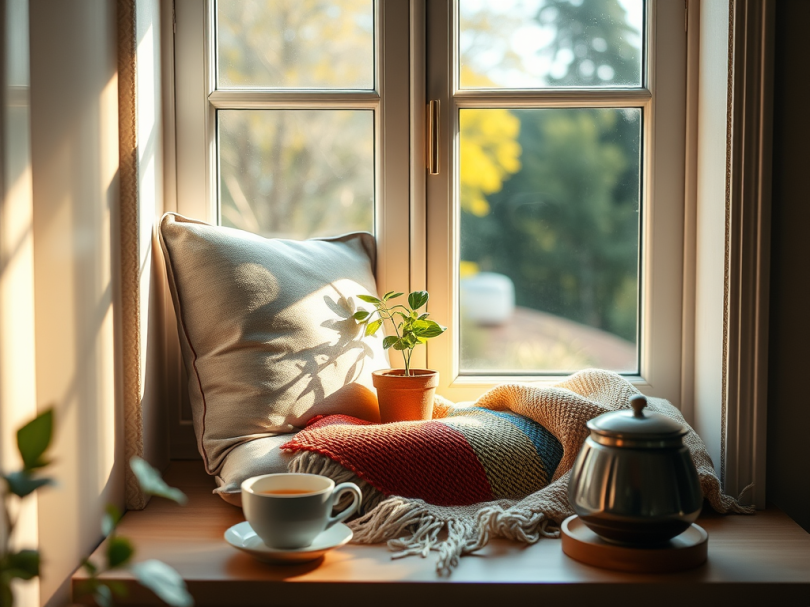
  • A Window Sill Retreat: Add a cushion, a small plant, and a throw blanket to a sunny windowsill to create a mini retreat.
  • A Floor Cushion Corner: Place a large cushion, a small side table, and soft lighting in any corner of your home for a meditative or journaling spot.
  • A Bath Sanctuary: Transform your bathroom into a spa-like escape with candles, soft towels, and soothing scents.
  • A Balcony Oasis: String lights, a cozy chair, and potted plants can turn an outdoor space into a peaceful hideaway.
  • A Kitchen Pause: Sometimes the heart of the home can also be its sanctuary. A small bistro chair by the counter, paired with your favorite mug, can become your ritual morning peace zone.

The key here is not to overthink it. Peace doesn’t come from perfection—it comes from intention.

Filling It With Comfort

Once you’ve identified your quiet space, think about what makes you feel comfortable and grounded. For some, it’s texture—soft pillows, cozy throws, or rugs. For others, it’s ambiance—dim lighting, a soft playlist, or the scent of lavender. Consider layering your space with:

  • Lighting: Warm lamps or candles to create calm.
  • Plants: A touch of greenery to add life and freshness.
  • Personal Touches: A favorite book, a photo, or an object that reminds you of peace.
  • Scents: Essential oils, incense, or candles that bring relaxation.

Making It Yours

Your peaceful space doesn’t have to make sense to anyone else. It doesn’t even have to look like “decor.” It just needs to give you a sense of stillness in your day. Whether it’s a non-traditional nook by the stairs, a shelf you’ve claimed as your “altar of calm,” or simply a chair by the window, let it serve as your reminder that peace is found in the pauses, not the perfection.


Finding peace in your home is about creating a space that speaks to your soul. It can be as small as a corner or as expansive as a whole room. The important part is that it reflects who you are and gives you the comfort you need.