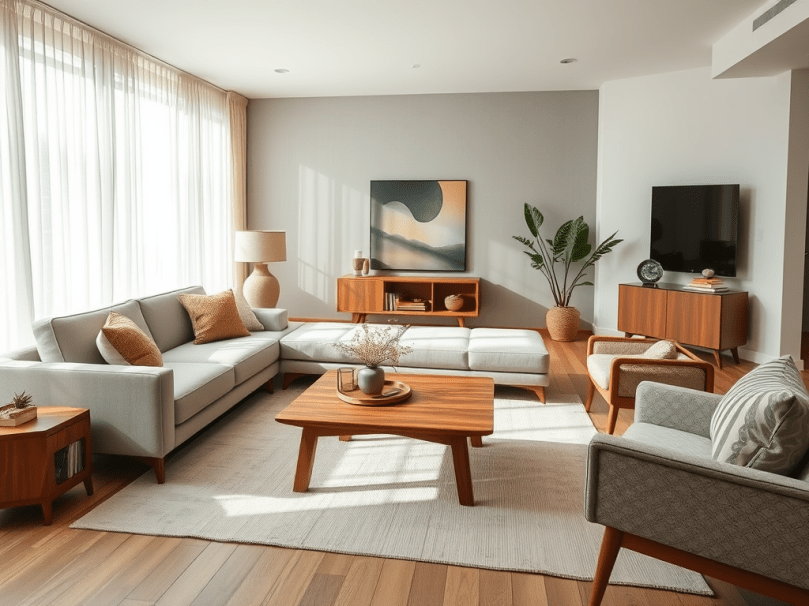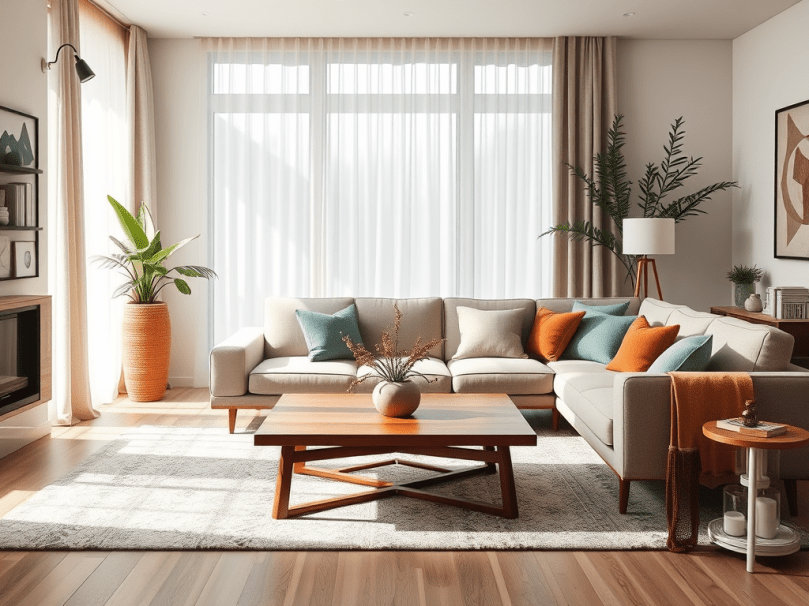

Want a Kitchen Island Without the Expense? Here Are Affordable Alternatives


A kitchen island can transform a space. It offers extra storage, counter space, and even seating—all while adding a stylish focal point. But let’s be honest: installing a traditional kitchen island can be expensive. Between custom cabinetry, countertops, and electrical or plumbing hookups, the price tag can add up quickly.

The good news? You don’t have to commit to a full remodel to enjoy the perks of an island. There are plenty of creative, budget-friendly alternatives that give you the functionality without the cost.


1. Rolling Kitchen Carts

Rolling carts are one of the most popular alternatives to a permanent island. They’re flexible, mobile, and come in a variety of sizes and styles. You can tuck them against the wall when not in use or wheel them into the center of the kitchen when you need extra counter space. Many even include shelves, drawers, or racks for added storage.

Pro tip: Choose one with a butcher-block top for a prep station or stainless steel for a modern, industrial look.


2. Repurposed Furniture

Think outside the box by using a sturdy piece of furniture as your island. Dressers, vintage tables, or even console tables can be repurposed to add charm and function to your kitchen. A quick coat of paint or new hardware can help the piece blend seamlessly with your existing decor.


3. Standing Butcher Block Tables

If you love the idea of extra prep space, a freestanding butcher block table could be the perfect fit. These tables are durable, stylish, and come in compact sizes ideal for small kitchens. Unlike a traditional island, they don’t require installation, and you can easily move them if you decide to rearrange.


4. Bar Carts

For smaller kitchens, a chic bar cart can double as a mini-island. While they’re not as spacious as other options, they add mobility, storage, and a touch of personality to your kitchen. You can use the top for prepping small meals and store essentials like spices, utensils, or wine bottles on the lower shelves.


5. Tall Farmhouse Tables

If you love the look of a farmhouse kitchen, consider adding a tall table in the center of your space. This creates a “dining island” where you can gather, prep, and serve, all in one spot. Pair it with counter-height stools, and you’ll have both a prep station and casual dining area.


6. Narrow Workbenches

For kitchens with limited space, a slim workbench can provide additional prep room without overwhelming the layout. These are perfect for galley kitchens or apartments where every inch counts.


7. DIY Island on a Budget

If you’re a DIY enthusiast, consider building your own island using stock cabinets and a countertop slab. Add wheels for mobility, or keep it stationary if you want a more permanent look. This option lets you customize dimensions, finishes, and storage at a fraction of the cost of a professionally installed island.


Final Thoughts

You don’t have to spend thousands to enjoy the functionality of a kitchen island. From rolling carts to repurposed furniture, there are plenty of clever ways to bring extra workspace and storage into your kitchen. With a little creativity, you can have the “island life” without the island price tag.
Does Plaid Still Have a Place in Home Décor?


When you hear the word plaid, you might think of a cozy flannel shirt, a rustic log cabin, or even the classic holiday blanket draped across a sofa. But plaid has a much richer story—and a surprisingly modern place in home décor. So, is plaid a thing of the past, or can it be reimagined as a fresh and stylish choice for today’s interiors? Let’s dive into the history, its timeless appeal, and how you can incorporate plaid into your updated home style.


The History of Plaid

Plaid patterns—also known as tartans—have deep cultural roots. Originating in Scotland, tartan patterns were historically tied to different clans, each with their own distinct color and line combinations. Over time, plaid moved from traditional attire to mainstream fashion and eventually into home design.

By the mid-20th century, plaid became wildly popular in homes across the United States and Europe. Think wood-paneled dens, cozy cottages, and even the occasional plaid wallpaper. It was a symbol of warmth, tradition, and family gathering spaces.


Why Plaid Was So Popular in the Past

Plaid had a lot going for it:

  • Versatility – It worked in clothing, upholstery, and even as flooring accents.
  • Warmth & Comfort – The layered pattern instantly made a space feel cozy and inviting.
  • Symbol of Heritage – For many, plaid carried cultural meaning and nostalgia.
  • Timeless Pattern – Just like stripes and polka dots, plaid has a design rhythm that’s easy on the eyes.

Is Plaid Outdated? Or Ready for a Comeback?

Some may see plaid as old-fashioned, associated with the heavy fabrics of the 1970s or overly rustic cabins. But here’s the truth: plaid has never really gone away. Instead, it has evolved.

Designers today are revamping plaid by:

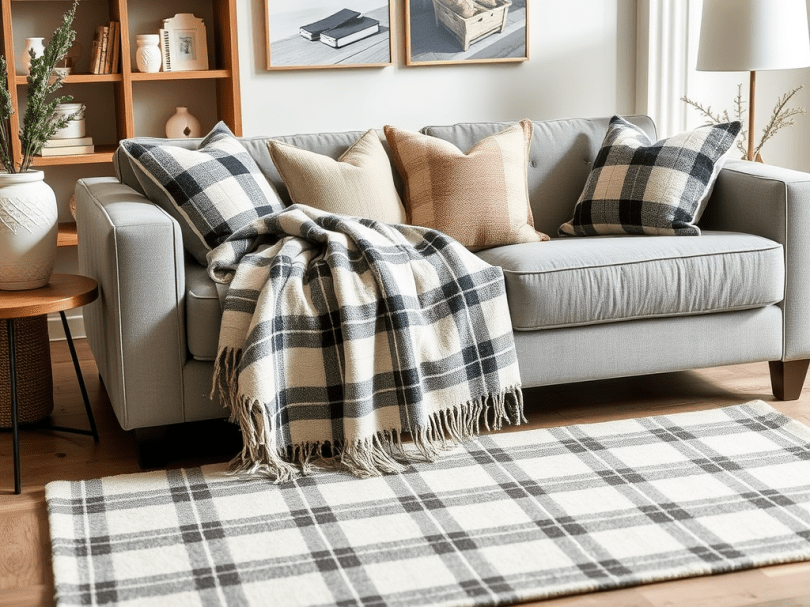
  • Using softer, modern color palettes like muted grays, creams, and sage instead of traditional red and green.
  • Mixing plaid with minimalist styles to create a subtle accent rather than an overpowering theme.
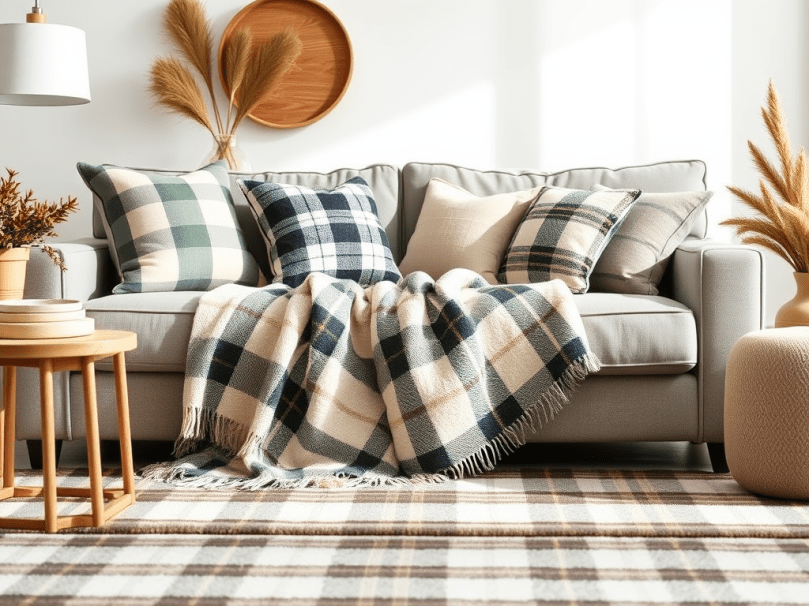
  • Introducing plaid in smaller doses—throw pillows, blankets, or curtains—rather than covering entire rooms.

When used thoughtfully, plaid feels less “grandpa’s den” and more Scandinavian chic.


Why Plaid Will Always Be a Thing

Plaid is one of those patterns that never truly disappears because it works across so many styles:

  • Traditional & Rustic – Perfect for cozy cabins or farmhouse living.
  • Modern & Minimalist – When done in neutrals, plaid adds texture without overwhelming.
  • Seasonal Décor – Nothing says “holiday” quite like a red-and-green plaid throw.
  • Global Appeal – Plaid connects history, culture, and timeless design, making it adaptable worldwide.

How to Add Plaid to Your Updated Décor Style

If you’re wondering how to use plaid without making your home look dated, here are some tips:

  1. Start Small – Plaid throw pillows, blankets, or table runners are an easy way to add the pattern without commitment.
  2. Go Neutral – Stick to modern palettes like beige, charcoal, or navy plaid to blend with contemporary décor.
  3. Mix with Solids – Pair plaid with solid-colored furniture or walls to keep it balanced.
  4. Choose Accents, Not Overload – A plaid accent chair or rug makes a statement without overwhelming the room.
  5. Seasonal Style Swap – Use bold plaids for the holidays and swap them out for subtle versions year-round.

Final Thoughts

Plaid isn’t a thing of the past—it’s a timeless design element that simply adapts with each generation. Whether you want to lean into its heritage charm or give it a sleek, modern twist, plaid has the power to bring warmth, personality, and character to your home.

So, the next time you’re updating your décor, don’t shy away from plaid. With the right balance, this classic pattern might just become your home’s most stylish secret weapon.


Decorating Like Your Parents: Breaking Generational Trends in Home Style


Whether we realize it or not, much of our decorating taste is shaped by what we grew up with. From the floral couches in grandma’s living room to the heavy drapes in mom’s dining room, generational decor has a way of influencing our own spaces. Sometimes, we adopt it. Other times, we try our hardest to avoid it.

But here’s the real question: Does your style rival your parents’ style—and do you actually want to change that?


Why We Decorate Like Our Parents

Our childhood homes are our first introduction to “style.” If your parents were into dark wood furniture, you might naturally feel at home surrounded by it. If your mom loved traditional wallpaper, you might either crave the same coziness or avoid it completely.

This is generational decor influence—our taste is partly inherited, partly shaped by nostalgia. The challenge comes when those inherited trends no longer feel current or true to who we are today.


Signs You’re Stuck in a Generational Decor Habit

  • Overstuffed Furniture – Big, bulky sofas that prioritize comfort over style.
  • Heavy Window Treatments – Think layered valances, lace curtains, or thick drapes.
  • “Matchy-Matchy” Sets – Bedroom and living room sets that look like they were bought in one sweep.
  • Formal Spaces You Rarely Use – Dining rooms with furniture too delicate to touch.

Recognize any of these in your own home? That might be your parents’ influence talking.


Breaking the Cycle: Tips & Tricks

  1. Mix, Don’t Match
    Instead of buying a full matching set, try pairing a sleek modern sofa with a vintage coffee table. The blend of styles adds character without feeling dated.
  2. Lighten It Up
    Swap out heavy curtains for sheer panels or minimalist blinds. Natural light instantly modernizes a room.
  3. Say Goodbye to Beige Overload
    While neutral tones are timeless, layering in muted greens, soft blues, or warm terracottas brings a fresher feel than the beige-on-beige look many of us grew up with.
  4. Functional Over Formal
    If you don’t use a dining room every day, turn it into a multipurpose space—a home library, office, or cozy lounge.
  5. Layer Textures, Not Clutter
    Instead of knickknacks filling every surface, choose a few textured accents—woven baskets, ceramic vases, linen throws—for depth without the “cluttered” look.

The Latest Decor Trends to Break Old Habits

  • Minimalist Japandi Style – A calming mix of Scandinavian and Japanese design: clean lines, neutral palettes, and natural materials.
  • Statement Lighting – Goodbye chandelier with dangling crystals, hello sculptural pendants and sleek floor lamps.
  • Bold Accent Walls – Paint, wallpaper, or textured panels that make one wall a focal point without overwhelming the whole room.
  • Sustainable Decor – Choosing eco-friendly furniture, thrifted finds, or repurposed pieces to add uniqueness while being conscious of the planet.
  • Curved Furniture – Soft edges in sofas, chairs, and coffee tables that feel modern yet inviting.

Final Thoughts

Decorating like your parents isn’t necessarily a bad thing—it’s part of your story. But if you find yourself repeating generational trends that don’t reflect who you are today, it may be time to break the cycle. Blend old with new, adopt trends that excite you, and create a space that feels uniquely yours.

After all, your home should reflect your life, not just the life you grew up in.


Shades of Blue: Why This Timeless Color is So Popular in Home Decor


Blue is one of the most beloved colors in the world. From calming ocean waves to the clear sky on a sunny day, the color blue carries a sense of peace, serenity, and depth. But have you ever wondered why blue is so popular in home decor? Beyond its natural beauty, blue has a rich history, countless variations, and endless creative possibilities that make it a go-to choice for homeowners and designers alike.

A Brief History of Blue in Home Decor

The history of blue in design stretches back centuries. In ancient times, blue pigments were rare and expensive, often reserved for royalty, religious art, and symbols of prestige. Egyptian art frequently showcased blue as a symbol of protection and rebirth. By the Middle Ages, ultramarine—derived from the semi-precious stone lapis lazuli—was prized in paintings and decorative work, symbolizing heaven and divine truth.

As dye-making and paint technology advanced, blue became more accessible. In the 18th and 19th centuries, blue-and-white ceramics gained popularity, especially in Europe and Asia. By the 20th century, blue emerged as a staple in interior design, thanks to its versatility and ability to complement almost any palette. Today, blue continues to reign as one of the most favored home colors, beloved for both tradition and trend.

Why Is Blue So Popular?

There’s more to blue’s popularity than just aesthetics:

  • Calming effect: Psychologists agree that blue evokes feelings of peace and relaxation, making it perfect for bedrooms, bathrooms, and other spaces designed for rest.
  • Versatility: Blue can be light and airy, bold and dramatic, or muted and sophisticated. It works equally well in traditional and modern spaces.
  • Universality: Unlike some colors, blue appeals to almost everyone. It’s seen as trustworthy, timeless, and approachable.
  • Connection to nature: Blue naturally reminds us of the sky and water—elements that soothe and ground us.

Shades of Blue to Explore

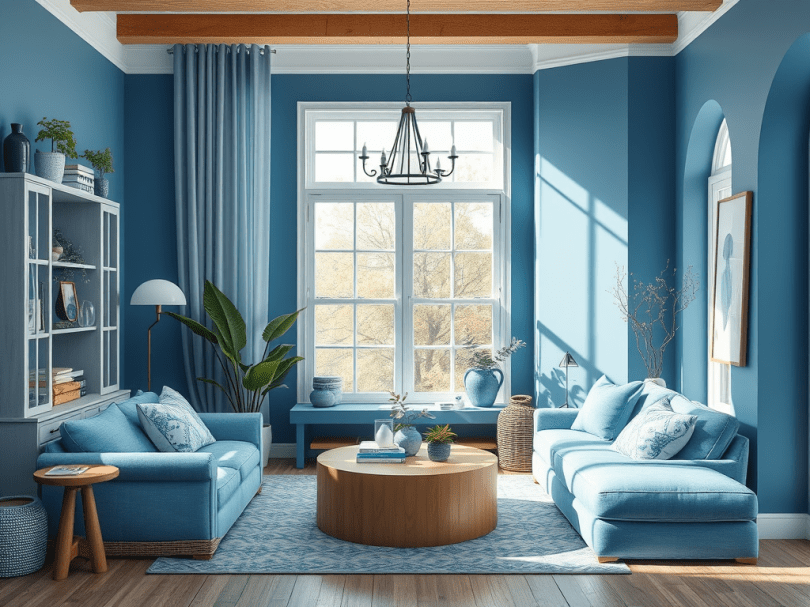
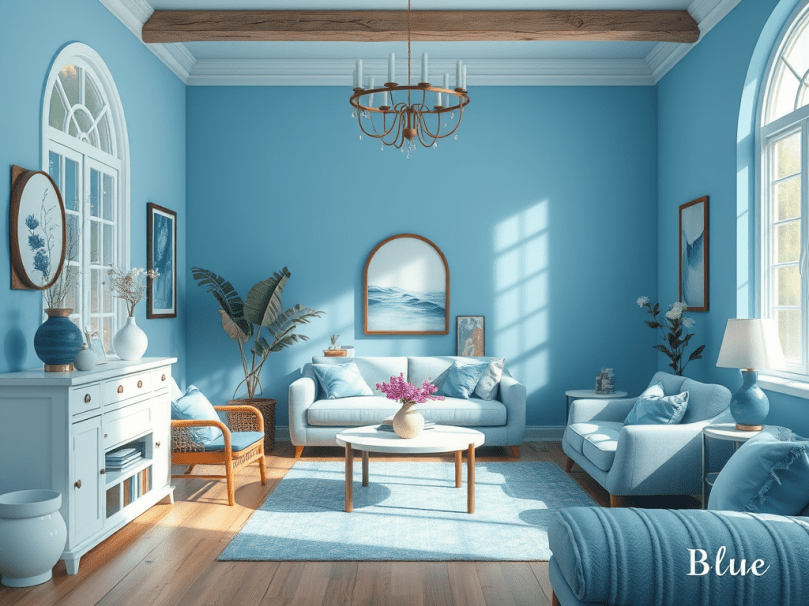
Blue isn’t just one color—it’s a family of hues, each creating a unique mood. Some popular variations include:

  • Navy Blue: Classic, elegant, and strong. Perfect for accent walls or upholstery.
  • Sky Blue: Light and breezy, ideal for creating an open, airy atmosphere.
  • Teal: A bold mix of blue and green that adds vibrancy and sophistication.
  • Powder Blue: Soft and delicate, great for nurseries, bathrooms, and bedrooms.
  • Cobalt Blue: Bright and lively, a striking choice for accent decor.
  • Dusty Blue: Muted and romantic, a favorite for farmhouse or vintage-inspired spaces.

Untraditional Ways to Use Blue in Your Home

While walls and textiles are the most common uses of blue, there are plenty of creative ways to bring this color into your space:

  • Blue Ceilings: A nod to “haint blue” porches in the South, painting your ceiling in a light shade can make a room feel taller and brighter.
  • Blue Kitchen Cabinets: Move over white—navy and cobalt cabinets are chic, modern, and unexpected.
  • Blue Flooring: Patterned blue tiles in bathrooms or kitchens can create a stunning, artistic focal point.
  • Blue Appliances: Retro-inspired blue refrigerators, stoves, or mixers bring personality to the kitchen.
  • Statement Furniture: A velvet navy sofa or a turquoise armchair can act as a bold anchor piece in a neutral room.
  • Art & Accessories: Instead of paint, bring in blue through oversized artwork, ceramics, or even a gallery wall with hints of blue woven throughout.

Final Thoughts

Blue is more than just a color—it’s a feeling, a tradition, and a design tool that has stood the test of time. Whether you lean toward soft pastels or dramatic navy tones, incorporating shades of blue can add beauty, calm, and sophistication to your home.

So, the next time you’re choosing a color for a room refresh, think about blue. With its rich history, universal appeal, and endless variations, it may just be the perfect shade your home is missing.


Quick & Effective Ways to Clean Your Home (+ A Cute Cleaning Story to Inspire You)


Cleaning your home doesn’t always have to feel like a huge project. Sometimes, all it takes is a few smart strategies to get everything looking fresh and organized in less time. Whether you’re getting ready for guests or just want to enjoy a calmer, cleaner space, here are some quick and effective cleaning tips that will make your routine a breeze.

Quick Cleaning Tips for a Fresher Home

1. Start with high-impact areas.
Focus on the rooms people see first (like the living room or kitchen). A quick sweep, wiping down counters, and fluffing pillows instantly makes a space feel clean.

2. Use the “15-minute rule.”
Set a timer for 15 minutes and clean one area—no distractions. You’ll be surprised how much you can get done in a short burst of focused energy.

3. Keep supplies handy.
Store basic cleaning supplies in each main area of your home. A spray bottle and microfiber cloth in the bathroom or kitchen saves you time from running back and forth.

4. Embrace multitasking.
Waiting for water to boil? Wipe down the counters. On a phone call? Fold laundry. Little moments add up!

5. Focus on floors last.
Work from the top down—dusting, wiping surfaces, then finishing with a quick vacuum or mop. This way, you don’t undo your work by knocking crumbs onto freshly cleaned floors.

6. Make it fun.
Turn on music, light a candle, or even listen to a podcast while you clean. A little entertainment makes chores feel less like work.


A Cute Cleaning Story: The Day the Puppy Helped

A friend of mine recently shared the sweetest story about cleaning her living room. She was rushing to tidy up before family came over—throw pillows flying, vacuum buzzing, and the clock ticking. Her golden retriever puppy, Max, was watching intently.

As she gathered up a pile of socks from the floor, Max grabbed one in his mouth and proudly trotted over to the laundry basket. Delighted by his “help,” she encouraged him, and before long, Max was running back and forth carrying little items to the basket. Sure, he got distracted halfway through and decided a sock was more fun to chew than deliver—but the whole scene made cleaning less of a chore and more of a joyful moment.

It was a perfect reminder that cleaning doesn’t just make your home shine—it can also create fun, lighthearted memories.


Final Thoughts

Cleaning doesn’t always mean scrubbing for hours. With smart habits, short bursts of effort, and even a little help from family members (or pets!), you can keep your home looking fresh and welcoming. The next time you’re feeling overwhelmed, remember: a clean home is built one quick task at a time.