
Finding the Right Color Combinations for Your Child’s Bedroom When You Have a Picky Child


Decorating your child’s bedroom can feel like a fun project—until your little one decides they have strong opinions about color. One day they want everything pink, the next they insist on neon green, and by the weekend, they’ve changed their mind again. If you have a picky child, finding the right color combination can feel like an impossible task. But with a little strategy (and patience), you can create a bedroom that works for both you and your child.

Start with a Neutral Base

Neutral walls—like soft white, warm beige, or light gray—are your best friend when decorating for a picky child. A neutral backdrop keeps the room flexible, allowing you to switch out accents and accessories when your child’s preferences shift. It also makes the space feel timeless and balanced, so you’re not repainting every year.

Add Pops of Their Favorite Color

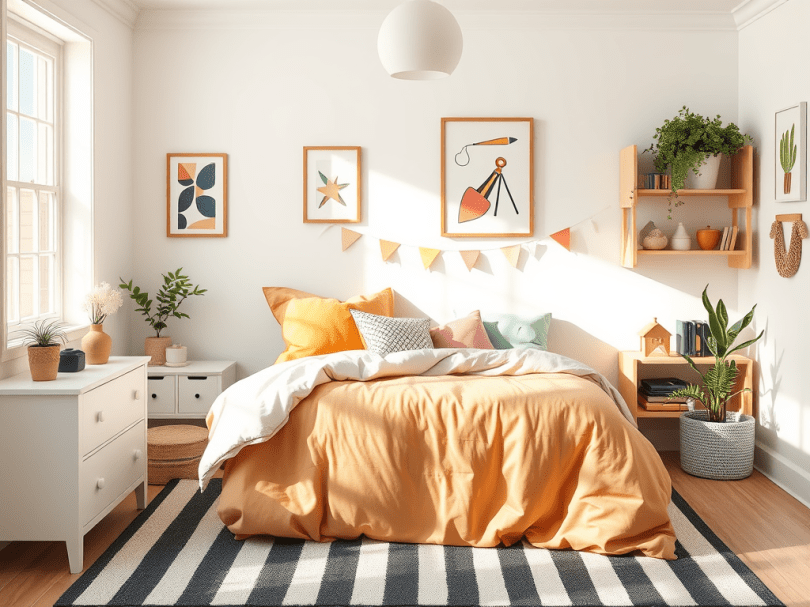
Instead of painting the walls in bright, bold shades, bring in your child’s favorite color through bedding, throw pillows, rugs, or wall art. This way, when they decide they’re “over” purple and “into” teal, you can swap out accessories without a major room makeover.

Stick to Two or Three Colors

Children often want “all the colors,” but too many shades can make the room feel overwhelming. Guide them to choose two or three favorites. For example:

  • Soft gray walls + navy + mustard yellow
  • White walls + blush pink + sage green
  • Beige walls + teal + coral

By creating a small palette, the room will feel cohesive but still fun.

Use Patterns to Blend Preferences

If your child can’t agree on a single color, patterns can help merge multiple favorites. Striped bedding, rainbow wall decals, or a patterned rug can tie different shades together in a way that feels intentional rather than chaotic.

Try Removable Options

For picky kids, flexibility is key. Consider peel-and-stick wallpaper, wall decals, or even removable murals. These let your child express themselves without locking you into a long-term design. Plus, they’ll love the idea of being able to “change it up” as they grow.

Involve Them in the Process

Sometimes, being picky is really about wanting a voice. Give your child options—“Do you like blue or green better for the rug?”—instead of open-ended choices. This gives them control without overwhelming them, and you’ll avoid mismatched results.

Think Long-Term

At the end of the day, your child’s room should reflect their personality, but it should also be practical for years to come. Keep the big pieces (bed, dresser, walls) versatile, and let smaller accents carry their unique style. That way, you’ll have a space that grows with them—and fewer battles about repainting every six months.
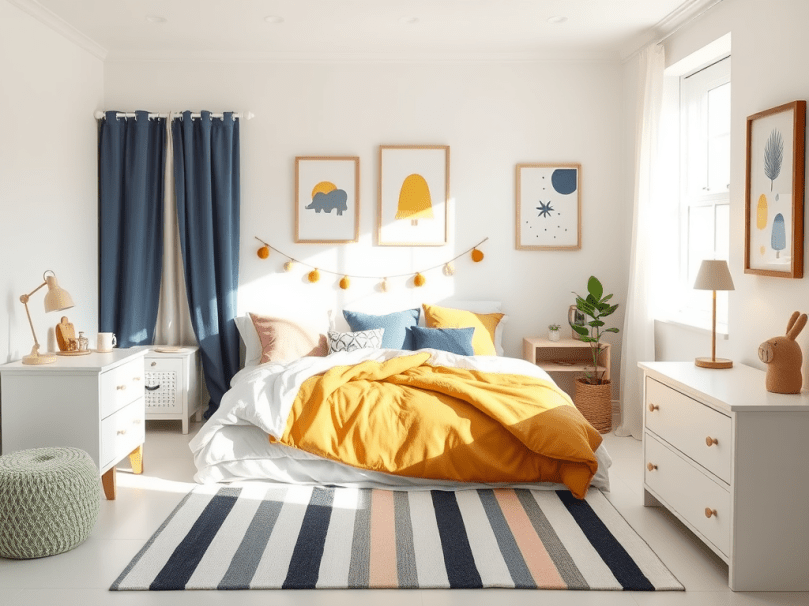

Decorating for a picky child doesn’t have to be stressful. With neutral bases, flexible accents, and a thoughtful color palette, you can create a room that feels uniquely theirs—while still keeping it stylish and manageable for you.
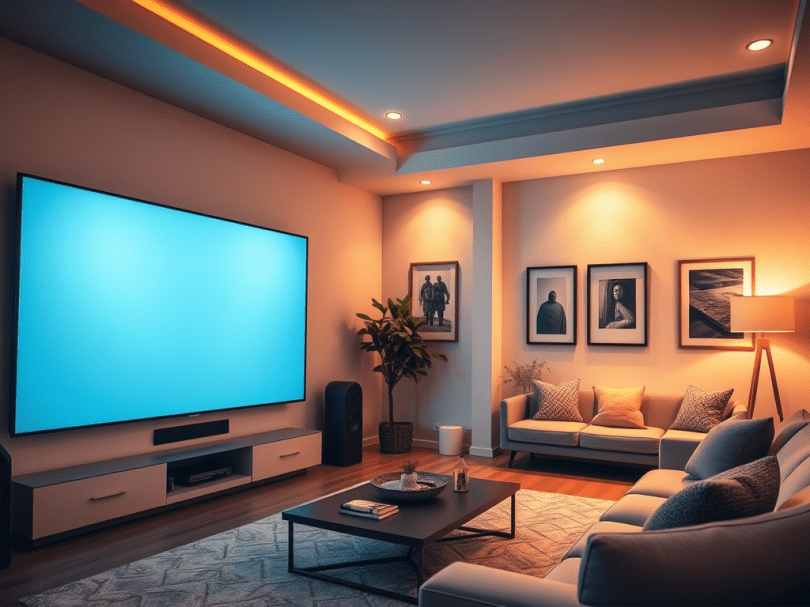

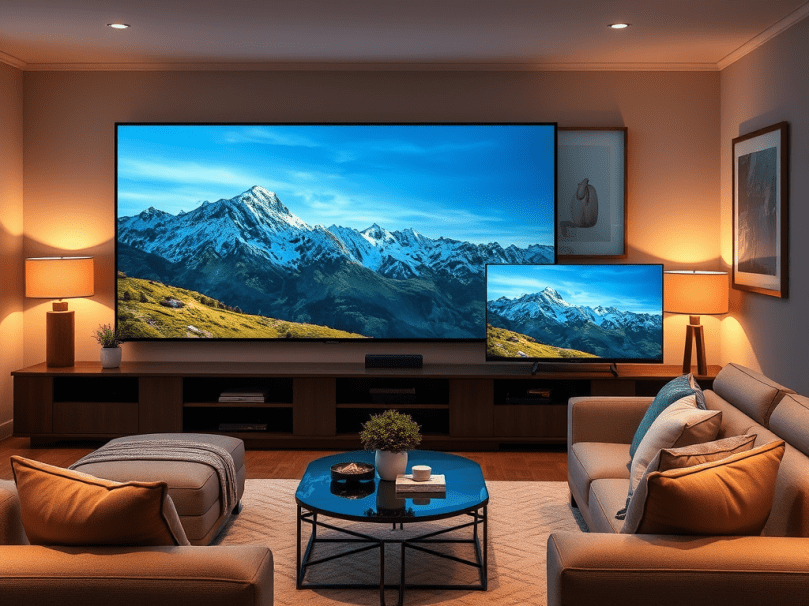
Large Screen or Small Screen TVs: Does Size Really Matter?


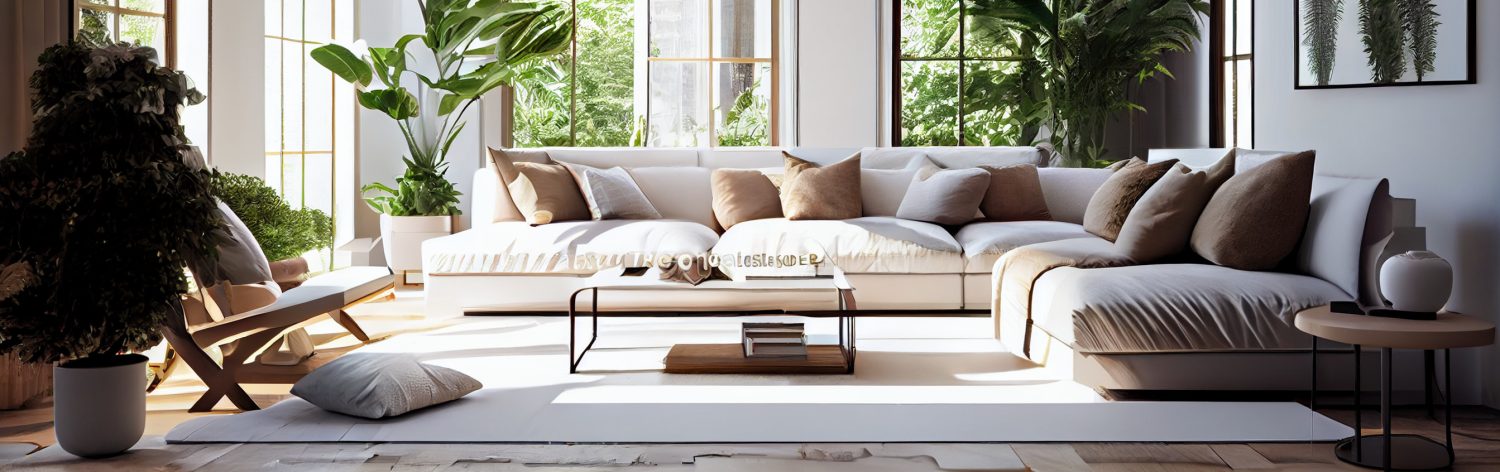
When it comes to choosing the right TV for your living room, size is often the first thing people think about. With screens ranging anywhere from compact 32-inch models to massive 85-inch displays, it’s easy to get caught up in the “bigger is better” debate. But does size really matter? The truth is—it depends. The right TV for your home comes down to more than just how big it is.


The Case for a Large Screen TV

If you love movie nights, big sporting events, or immersive gaming, a large screen is a game-changer. A 65-inch or bigger TV creates that home theater experience, letting everyone in the room enjoy clear visuals. Bigger screens also make a statement, often becoming the focal point of the living room.

The downside? A TV that’s too big for a small space can overwhelm the room and even cause eye strain if you’re sitting too close.


The Case for a Small Screen TV

Smaller TVs—typically between 32 and 50 inches—are a better fit for cozy spaces or minimalist designs. They work well in multipurpose living rooms where the TV isn’t the star of the show. A smaller screen can blend seamlessly with your decor, letting your furniture, wall art, or fireplace shine.

For one-on-one viewing or casual streaming, a smaller screen can feel more intimate and less dominating.


How to Choose the Right Size for Your Living Room

Instead of asking “big or small?”, think in terms of proportions and distance.

  • For Full HD (1080p): Sit about 1.5–2.5 times the screen size away.
  • For 4K Ultra HD: You can sit closer, about 1–1.5 times the screen size, without losing quality.

A quick guide:

  • Living rooms under 10 feet wide → 40–55 inches
  • Living rooms 10–15 feet wide → 55–70 inches
  • Living rooms larger than 15 feet wide → 70+ inches

Also ask yourself: is the TV going to be the centerpiece, or an accessory? That choice will guide whether a large or modest size is best.


The Best TV Brands on the Market

Once you know the right size, the next question is: which brand? Here are some of the most trusted and top-rated names right now:

  • Sony – Known for incredible image processing, motion handling, and overall reliability. Perfect for film lovers.
  • Samsung – Leaders in QLED and QD-OLED, bright displays, and sleek designs. Great for bright rooms.
  • LG – The pioneer of OLED technology, offering deep blacks, stunning contrast, and wide viewing angles.
  • Hisense – A value powerhouse, with Mini-LED and QLED models that perform well at a fraction of the price.
  • Panasonic – Making a comeback in premium OLEDs, popular with home theater enthusiasts.

Top TV Recommendations for 2025

Here are some well-reviewed models that balance size, performance, and budget:

  • Samsung S90F OLED (65″) – A premium OLED with gorgeous picture quality and excellent gaming support. Great for both bright rooms and darker theaters.
  • Hisense U8 Mini-LED (65″) – A bright, colorful Mini-LED that delivers outstanding performance for the price. Ideal for sunny living rooms.
  • Sony Bravia 8 OLED (65″) – Cinematic picture quality and smooth motion handling, perfect for movie lovers.
  • TCL QM5K QD-MiniLED (65″) – Fantastic value with strong brightness and color accuracy. A great “bang for your buck” option.
  • LG UA7500 UHD (65″) – A more budget-friendly LG model that gives you a taste of the LG ecosystem without the OLED price tag.

Final Thoughts: Does Size Matter?

Yes—but only in the context of your home and lifestyle. Bigger isn’t always better, and smaller isn’t always more practical. The right TV size should complement your living room layout, your viewing habits, and your design style. Pair that with a reliable brand and the right features, and you’ll have a setup that feels just right.

So before you buy, measure your space, think about how you’ll use your TV, and choose a model that strikes the perfect balance between screen size, performance, and personality.


Loving the Space You’re In: How to Make Your Home Feel Like Home, Even If It’s Not Perfect


Not every living space feels like a dream home. Maybe you’re renting and can’t paint the walls, maybe your space feels outdated, or maybe it just doesn’t match your style. It’s easy to look around and focus on everything you don’t love.

But here’s the secret: your space doesn’t have to be perfect to feel like home. Home is less about the walls around you and more about how you choose to fill them—with comfort, personality, and love.


Finding Joy in the Imperfect

It’s easy to walk into a space and immediately notice what you don’t like. But what if, instead, you looked for the small details that make you smile? The window that lets in morning light. The corner that feels cozy when you curl up with a blanket. The sound of laughter bouncing off the walls when friends or family gather.

No home has to be perfect to be loved.


Making It Yours in Little Ways

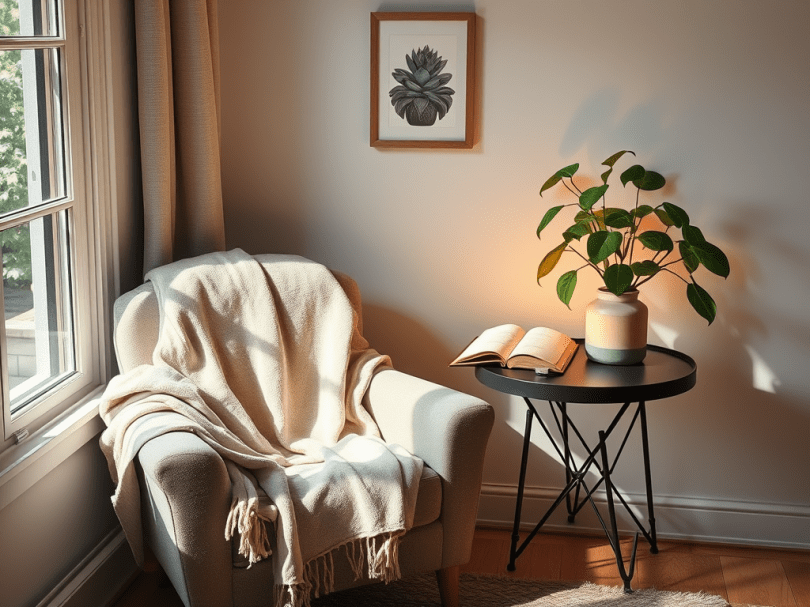
You don’t need a full renovation to claim a space as your own. Sometimes it’s as simple as hanging a photo that reminds you of your favorite memory, lighting a candle that makes the air feel warm and welcoming, or adding a soft throw to the chair where you always land at the end of the day.

Even the smallest touches can shift a space from a place you live to a place that feels like home.


Home Is How You Feel

Think about the moments when a space truly feels like yours. It’s not when the paint is perfect or the furniture is brand-new—it’s when you feel at ease. When you can breathe deeply. When the space holds your laughter, your rest, your quiet mornings, and your messy evenings.

Home isn’t found—it’s created, piece by piece, moment by moment.

1. Shift Your Perspective

It starts with mindset. Instead of seeing the flaws, look for what brings you joy—the window that lets in soft morning light, the cozy chair where you read, the laughter that fills the room when people you love are near.

When you stop chasing perfection and start embracing possibility, even small changes can make a big difference.


2. Add Layers of Comfort

A room that feels “cold” or impersonal can instantly change with texture and softness. Think throw blankets, rugs, pillows, and curtains. These small additions do more than decorate; they create warmth and invite you to settle in.

You may not be able to change the flooring or paint, but you can build comfort that makes the space feel like it belongs to you.


3. Let Your Personality Shine

Your home should tell your story. Hang photos, display art that inspires you, or keep mementos in sight. Even if the foundation isn’t ideal, layering in your personality transforms a space from “just a place you live” into one that truly reflects who you are.


4. Create Joy Corners

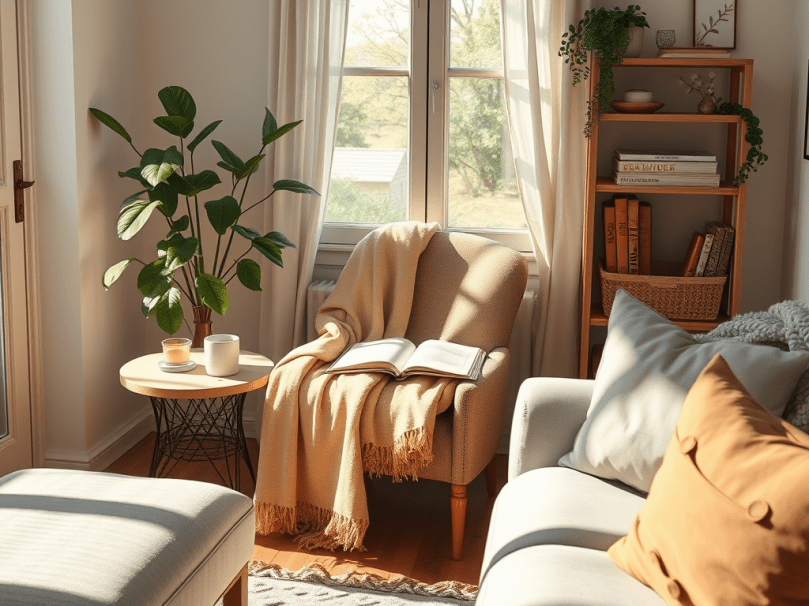
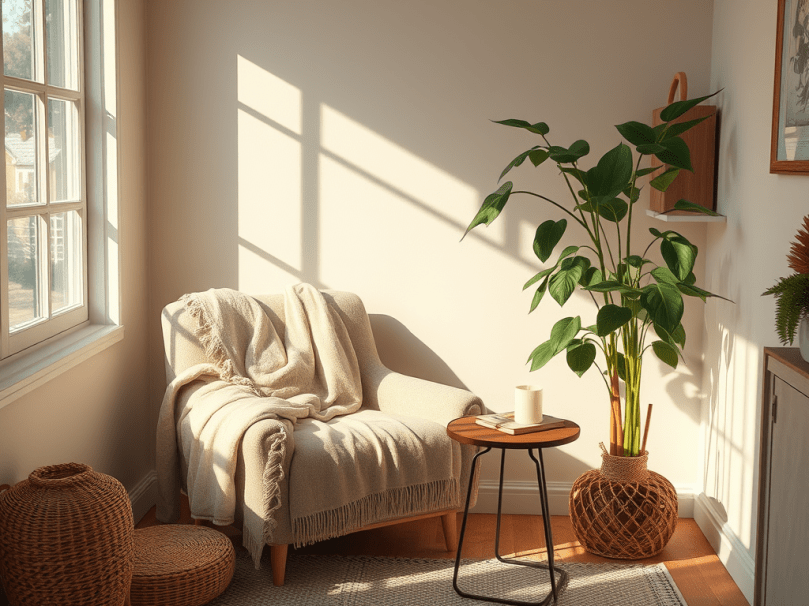
Not every inch of your home has to feel perfect—focus on little zones that make you smile. A nightstand styled with a candle and your favorite book. A sunny spot with a plant that thrives. A corner chair with a soft throw blanket.

These “joy corners” remind you that happiness doesn’t always come from big changes—it often starts small.


5. Light Makes All the Difference

Lighting has the power to completely transform a room. If you don’t love the overhead lights, bring in lamps, string lights, or even flameless candles. Soft, layered lighting creates warmth and can turn even the most ordinary space into something cozy and welcoming.


6. Keep It Fresh and Clean

Sometimes loving your space is less about what you add, and more about how you care for it. A tidy room, a freshly opened window, a diffuser with a scent you love—these little touches can make even a small or imperfect space feel peaceful.


7. Embrace the Season You’re In

If this isn’t your forever home, that’s okay. Every place you live is part of your story. Years from now, you’ll look back and remember how you made it your own—how you turned a not-so-perfect space into one filled with comfort, laughter, and life.


Final Thought

You don’t need your dream house to feel at home. Home isn’t found—it’s created, in the way you decorate, the way you care for it, and the way you fill it with love.

When you choose to love the space you’re in, no matter how “good” or “bad” it seems, you’ll discover that it doesn’t just become livable—it becomes yours.


Finding the Right Door Accessories: Do You Switch Them With the Seasons?


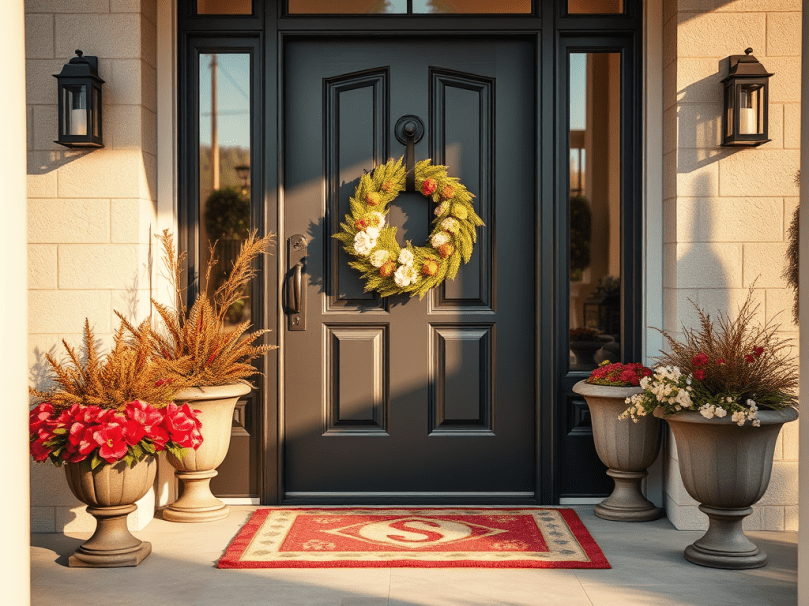
When it comes to home decor, we often think about furniture, wall art, and accent pieces inside the house—but your front door is the very first impression people get when they visit. That’s why door accessories aren’t just functional; they’re also a way to express your style and personality.

From door knockers, handles, and wreaths to seasonal mats and even the color of the door itself, the little details can make a big impact. But the real question is: are you someone who likes to change your decor with the seasons? If so, do you change your door accents too?


Choosing the Right Door Accessories

  1. Door Handles & Knobs
    Your door hardware sets the tone for the rest of your entryway.
    • Try: Schlage Encode Smart Wi-Fi Deadbolt for a sleek modern look and smart functionality.
    • Or: Baldwin Estate Rustic Knobs if you love a timeless, classic style.
  2. Door Knockers
    A stylish knocker can instantly upgrade your door.
    • Try: Michael Healy Brass Door Knockers – available in fun shapes like shells, pineapples, or classic designs.
    • Or: Simple Modern Ring Knockers for a minimalist aesthetic.
  3. Doormats
    A seasonal doormat is the easiest refresh you can do.
    • Try: Kirkland’s Seasonal Doormats (they have tons of affordable holiday options).
    • Or: Personalized Doormats on Etsy to add your family name or a fun phrase.
  4. Wreaths & Seasonal Decor
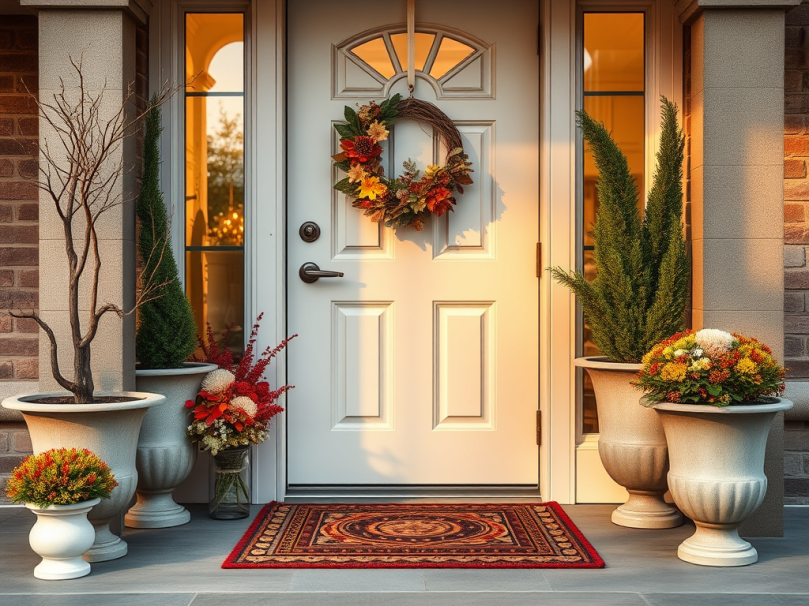
    Wreaths are a must-have, and they’re no longer just for Christmas.
    • Try: Terrain’s Faux Greenery Wreaths for a year-round look.
    • Or: Target’s Threshold Pumpkin Wreath for fall vibes.
  5. Doorbells & Smart Accessories
    Upgrade function and style with tech.
    • Try: Ring Video Doorbell Pro for sleek security.
    • Or: Google Nest Hello if you love integrated smart features.

Cool & Creative Ways to Dress Up Your Door

Layered Doormats – Place a larger patterned rug under your doormat.

  • Try: Ruggable Outdoor Rugs (washable and durable).

Seasonal Banners or Door Signs – Hang a vertical banner that says “Welcome” or “Happy Fall.”

  • Try: Amazon’s Seasonal Door Banners (budget-friendly and easy to swap).

Planters & Lanterns – Frame your door with tall planters or lanterns.

  • Try: Frontgate Tall Planters for a timeless statement.
  • Or: IKEA Solar Lanterns for a cozy glow at night.

Temporary Vinyl Decals – Add patterns or greetings to your door.

  • Try: Etsy Custom Vinyl Decals for personalized touches.

DIY Wreath Alternatives – Instead of a traditional wreath, try hanging a basket filled with flowers.

  • Try: Hobby Lobby Hanging Baskets you can customize each season.

Unique House Numbers – Swap plain numbers for stylish ones.

  • Try: Modern Metal Address Numbers from Home Depot.
  • Or: Backlit LED House Numbers from Wayfair for a sleek upgrade.

Do You Change Them With the Seasons?

For some, the front door remains the same year-round—classic and timeless. For others, it’s a space to celebrate the season or upcoming holiday.

  • Spring: Pastel wreaths, floral doormats, and fresh greenery.
  • Summer: Coastal accents, bright patterns, and tropical plants.
  • Fall: Pumpkin wreaths, plaid throws on porch chairs, and rustic lanterns.
  • Winter: Evergreen wreaths, cozy layered rugs, and twinkle lights.

Changing door accents seasonally doesn’t just keep your entryway looking fresh; it also sets the tone for your entire home. It’s like saying: “This is what we’re celebrating right now—come on in and enjoy!”


Final Thoughts

Finding the right door accessories is all about balance—choose durable, functional pieces that complement your home’s style, and then layer in seasonal or creative touches when you want to change things up.

So, I’ll ask you again: Do you change your door accents with the seasons, or do you keep them the same year-round?


Geometric Style in Your Home: What It Is, How to Incorporate It & What’s Trending


When it comes to home décor, trends come and go, but some styles stand out because they’re timeless and versatile. One of those is geometric style—a design approach that blends clean lines, bold patterns, and modern elegance. If you’ve been curious about how to introduce geometric style into your home, you’ll be happy to know it’s one of the easiest and most playful ways to refresh your space.

What Is Geometric Style?

At its core, geometric style is all about shapes, symmetry, and repetition. Think of circles, triangles, hexagons, chevrons, and bold straight lines used in patterns and structures. The trend is rooted in art deco and mid-century modern design, but it has evolved to fit today’s contemporary homes. Geometric décor can be loud and vibrant, or subtle and sophisticated, depending on the colors, patterns, and textures you choose.

It’s a style that works well because it can adapt—whether you want to create a striking statement wall, introduce patterned furniture, or add small accents that tie everything together.

How to Incorporate Geometric Style in Your Home

The beauty of geometric design is its versatility. You can go big and bold or small and understated:

  • Accent Walls & Wallpaper: A geometric wallpaper or painted accent wall instantly transforms a room. Chevron, hexagon, or diamond patterns can add movement and dimension.
  • Textiles & Rugs: Rugs, throw pillows, and blankets are some of the easiest ways to bring in geometric prints. Mixing patterns in complementary colors can give your space a stylish layered look.
  • Furniture: Look for coffee tables, shelving units, or side tables with geometric frames. Metal bases in hexagons or triangles are especially popular in modern homes.
  • Lighting Fixtures: Pendant lights and chandeliers with geometric designs (like globe clusters, starbursts, or angular shapes) double as functional art pieces.
  • Wall Art: Bold geometric prints, either in black and white or with pops of color, are a perfect way to experiment without committing to larger furniture pieces.
  • Tiles & Flooring: Geometric tiles in the bathroom or kitchen backsplash bring texture and character to these spaces.

What’s Popular with the Trend Right Now?

Like most styles, geometric décor has its own trending moments. Here’s what’s hot right now:

  • Muted Neutrals with Bold Shapes: Instead of bright neon, many people are pairing soft beige, gray, and cream with strong geometric lines to create a more sophisticated look.
  • Mixed Materials: Geometric frames in gold, brass, or matte black paired with wood or glass are a huge trend in furniture and lighting.
  • Oversized Wall Murals: Large geometric murals, often in earthy tones, are becoming a statement choice for living rooms and bedrooms.
  • 3D Textures: Beyond flat prints, 3D wall panels, sculptural vases, and textured art bring depth and intrigue.
  • Minimalist Geometrics: Clean, simple designs—like thin black grid lines or monochrome hexagon tiles—offer a modern yet timeless appeal.

Final Thoughts

Geometric style is a trend that continues to evolve, but it never truly goes out of fashion. Whether you love bold statements or prefer subtle accents, there’s a way to bring geometry into your home that fits your personality. Start small with pillows or art, or go bold with a statement wall—you’ll be surprised at how quickly these shapes can transform a space into something fresh, modern, and uniquely yours.