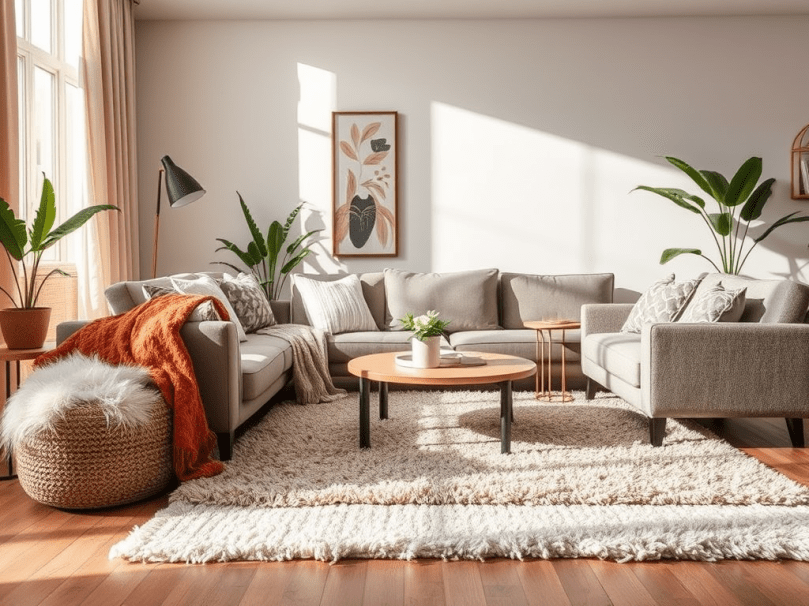

Furnishing a Very Small Living Room: How to Find the Right Furniture for Your Space


A small living room doesn’t mean you have to sacrifice comfort, style, or functionality. With the right furniture choices, even the tiniest spaces can feel open, welcoming, and thoughtfully put together. The key is choosing pieces that balance scale, storage, and style so you get the most out of every square inch.
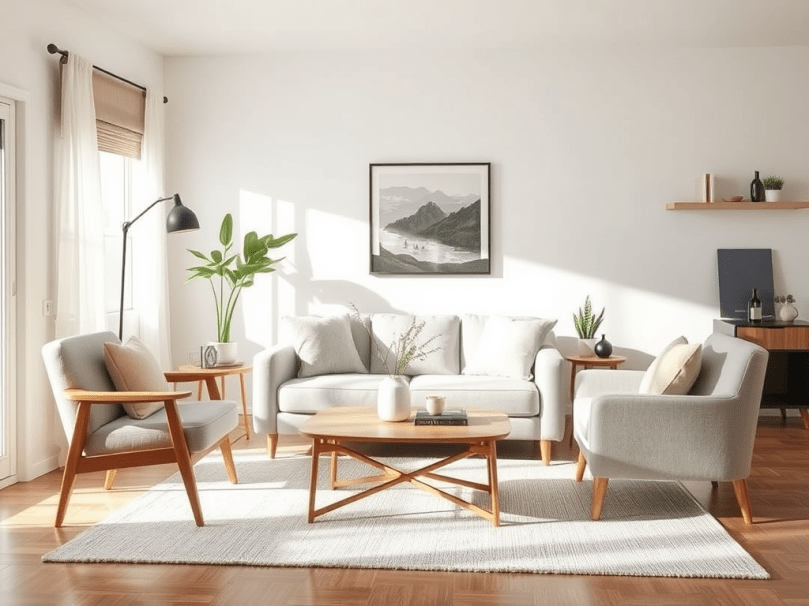
1. Measure Your Space First

Before you even start browsing furniture, pull out the tape measure. Write down the exact dimensions of your living room and note any unique features like radiators, windows, or door swings. This helps you avoid buying pieces that are either too bulky or leave awkward gaps. A floor plan (even a rough sketch) will guide your shopping and keep you from falling in love with something that just won’t fit.

2. Choose Scaled-Down Seating

The sofa is usually the largest piece in any living room, so scaling it properly is crucial. Instead of a full-size sectional, consider:

  • Loveseats: Cozy two-seater sofas that save floor space.
  • Apartment-size sofas: Slightly smaller than a standard couch but still comfortable.
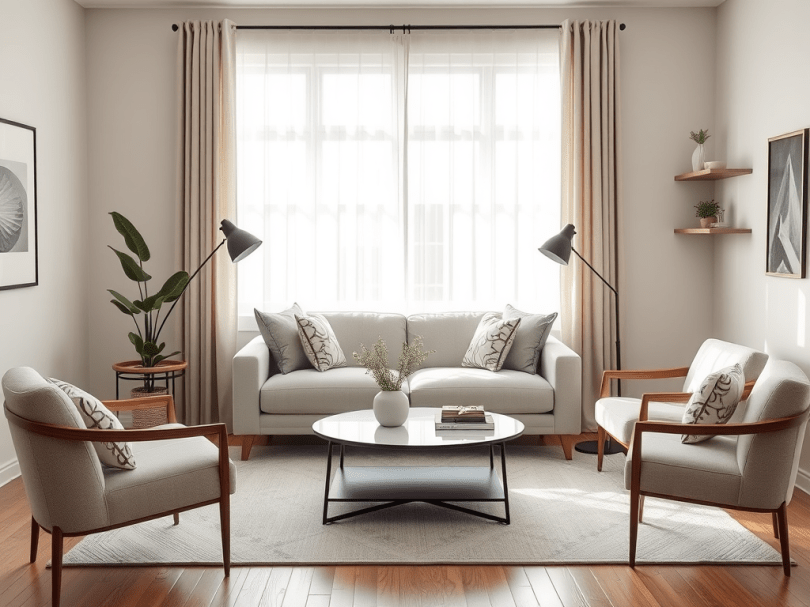
  • Chairs and accent seating: Swapping a large couch for two armchairs can sometimes open the room visually.

Tip: Look for sofas with exposed legs or slim arms—they give the illusion of more space.

3. Multi-Functional Furniture is Your Best Friend

In a small living room, every piece should work harder. Think:

  • Ottomans with hidden storage
  • Coffee tables that lift into a desk
  • Side tables that double as stools or extra seating
  • Wall-mounted shelving instead of bulky bookcases

These options keep clutter at bay while making your room flexible for different needs.

4. Go Vertical with Storage

When floor space is limited, look up. Floating shelves, tall narrow cabinets, or ladder-style shelving units draw the eye upward and maximize wall space without crowding the room.

5. Consider Lightweight, Movable Pieces

Avoid overfilling your space with heavy furniture. Instead, try nesting tables, rolling carts, or folding chairs that can be moved out of the way when not in use. This gives you more flexibility for entertaining and day-to-day living.

6. Play with Light and Color

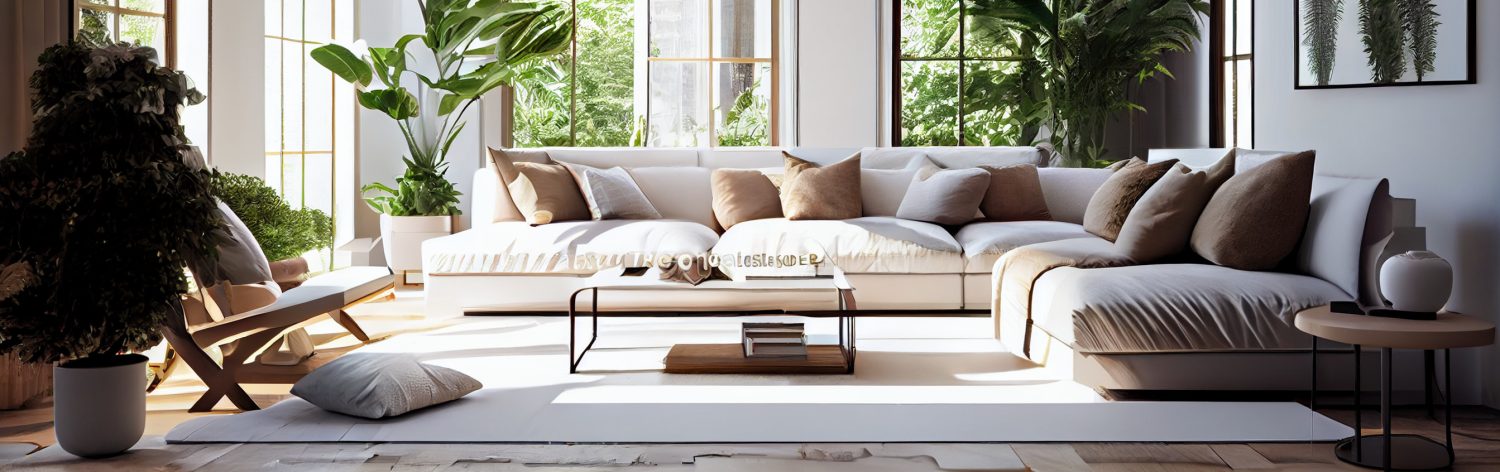
Furniture doesn’t only affect size—it impacts how spacious a room feels. Choose lighter upholstery, glass or acrylic tables, and reflective surfaces to create the illusion of openness. If you love darker tones, balance them with lighter walls or accessories so the room doesn’t feel closed in.

7. Don’t Forget Personal Style

Just because your living room is small doesn’t mean it has to feel generic. Choose one or two standout pieces—maybe a colorful chair, a patterned rug, or a statement coffee table—that reflect your personality. The key is balance: bold accents in small doses keep the space stylish without overwhelming it.
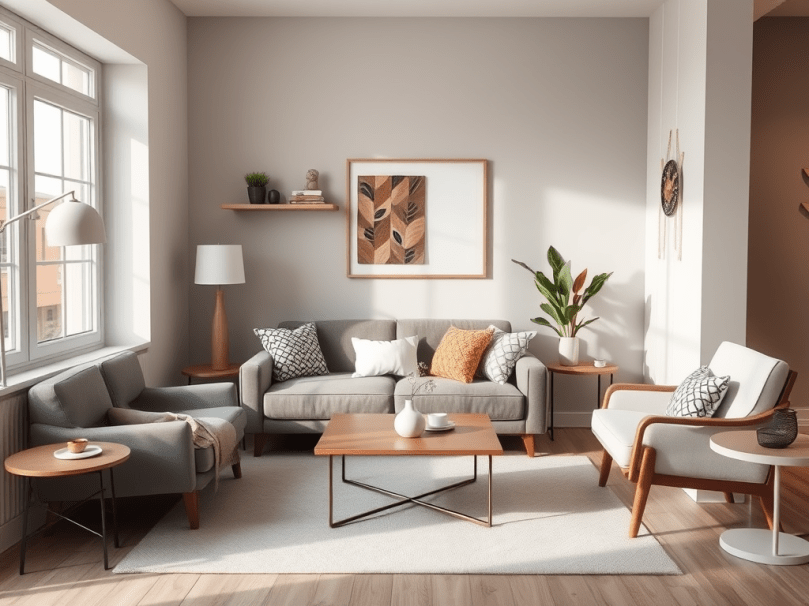

Final Thoughts

Furnishing a small living room is less about size and more about intention. By measuring carefully, choosing multi-purpose pieces, and keeping scale in mind, you can transform even the tiniest living room into a stylish, comfortable space that works for your everyday life.


Bonus (product recommendations)

  • Apt2B Harper Apartment Sofa
    With its sleek design and apartment-friendly proportions, this couch brings style and comfort to compact spaces.
  • Modern Nesting Coffee Table Set Chestnut Side Table Wooden End Table Living Room Furniture Housewarming Gift
    A set of refined nesting tables that stack neatly to save space—perfect for flexible surface needs.
  • Lifestyle Solutions Monroe Convertible Loveseat
    A versatile loveseat that converts into a full-size bed—ideal for multi-use rooms or overnight guests.

Smart Outlets: The Modern Solution to a Cord-Free, Organized Home


Technology has become part of nearly every corner of our homes. From smart speakers and lamps to automated blinds, cameras, and chargers, it feels like everything we use plugs into the wall. The downside? Cords everywhere and wall sockets that can’t keep up. But before you start rearranging your furniture just to hide outlets—or worse, piling on bulky power strips—there’s a better solution: smart outlets.

What Are Smart Outlets?

Smart outlets look like traditional wall plugs but with added intelligence. Instead of simply providing power, they connect to your Wi-Fi and allow you to control plugged-in devices through your smartphone or a voice assistant like Alexa or Google Home. Many also offer scheduling, energy monitoring, and remote control, giving you more flexibility than a basic outlet ever could.

Why Use Smart Outlets?

  • Reduce Clutter: Instead of plugging multiple extension cords around your home, smart outlets often have dual or multi-port options, keeping things tidy.
  • Energy Efficiency: Many models track energy usage so you can see which devices are drawing the most power—and turn them off when not in use.
  • Convenience: Imagine turning off your coffee maker, lamp, or fan without getting up. Or scheduling your lights to turn on at sunset automatically.
  • Safety: Smart outlets can reduce the risk of overheating by cutting off power when devices aren’t in use.

How to Avoid the “Cord Jungle”

Even with smart outlets, you’ll still want a strategy for preventing your walls from looking like charging stations gone wild. Here are a few tips:

  1. Plan Placement Wisely – Instead of plugging in everything at one location, spread out devices to the most logical outlets in each room. A smart outlet in the living room may handle your lamp and TV, while another in the kitchen could power your coffee maker and air fryer.
  2. Use Smart Power Strips – These are like smart outlets but with multiple plugs built in. They allow you to control each connected device separately, which is perfect for gaming setups or home offices.
  3. Hide Cables Strategically – Cord management boxes, under-desk trays, or adhesive cable clips can keep everything neat and hidden. Smart outlets paired with smart cable organization make the setup nearly invisible.
  4. Automate to Minimize Use – If you don’t need certain devices running 24/7, program your smart outlets to cut power during certain hours. Fewer cords constantly “in use” means fewer messes to manage.

Best Uses for Smart Outlets

  • Living Room: Control lamps, TVs, sound systems, or space heaters.
  • Bedroom: Schedule lamps to turn off at bedtime or heaters to warm up the room before you wake.
  • Kitchen: Automate coffee makers, air fryers, or even the holiday lights you hang around the window.
  • Home Office: Perfect for printers, chargers, and desk lamps without dealing with multiple cords.

Final Thoughts

As our homes become smarter, the last thing anyone wants is a tangle of cords ruining the look of a well-decorated room. Smart outlets don’t just give you control over your devices—they help you reclaim your space from the chaos of wires and overrun sockets. With just a little planning, you can keep everything powered, stylish, and stress-free.


Rugs in Home Decor: Are You a Rug Person?


Rugs are one of those home decor pieces that can instantly transform a space. Whether you prefer bold patterns, cozy textures, or subtle neutrals, rugs bring warmth, personality, and style to any room. But are you a rug person? And if so, do you change out your rugs seasonally, or do you prefer one look year-round?

I’ll admit it—I’m definitely a rug person. There’s just something about walking into a room and seeing a rug that ties everything together. Rugs make a space feel finished, warm, and intentional, even if you don’t have a lot of other decor.

Are You a Rug Person?

Being a “rug person” usually means you see rugs as more than just something underfoot. Rugs become a central part of your home’s personality—they tie colors together, define spaces, and sometimes even make a statement all on their own.

Some people like having a consistent rug that grounds their decor all year, while others enjoy swapping rugs seasonally. For example:

  • Winter & Fall: Plush, shaggy, or wool rugs that feel warm and cozy.
  • Spring & Summer: Flat-weave or jute rugs for a lighter, breezier look.

Changing rugs with the seasons is similar to rotating throw pillows or bedding—it gives your home a fresh update without a major redesign.

Rug Trends Right Now

Rugs are having a big moment in decor, and a few trends are standing out:

  • Natural Fibers: Jute, sisal, and seagrass rugs add earthy texture.
  • Vintage & Distressed Looks: Rugs with an “aged” aesthetic are trending in both traditional and modern spaces.
  • Bold Geometrics: Stripes, checkerboard patterns, and graphic shapes bring a playful edge.
  • Layering Rugs: Placing a smaller patterned rug on top of a larger neutral rug is becoming more popular for added dimension.
  • Round Rugs: Especially in dining areas or nurseries, round rugs are being used more often to soften the room.

Types of Rugs

Rugs come in a variety of materials and styles, each serving a different purpose:

  • Wool Rugs: Durable, warm, and often more of an investment.
  • Cotton Rugs: Lightweight, washable, and great for casual spaces.
  • Synthetic Rugs: Affordable, easy to clean, and versatile in style.
  • Jute/Sisal Rugs: Natural, textured, and perfect for layering.
  • Shag Rugs: Plush and cozy, great for bedrooms or living rooms.
  • Outdoor Rugs: Weather-resistant options that bring comfort to patios and porches.

Where Do People Traditionally Put Rugs?

Rugs are versatile and can fit into nearly every space:

  • Living Rooms: To anchor a seating area.
  • Bedrooms: Under or around the bed for softness underfoot.
  • Dining Rooms: Beneath the table to define the eating area.
  • Entryways: To welcome guests and catch dirt from shoes.
  • Hallways: Runners add warmth and character to narrow spaces.
  • Kitchens & Bathrooms: Smaller rugs or runners for comfort and style.

Why Rugs Are Popular in Decor

Rugs are one of the most popular decor items because they do so much at once:

  • Define a space: Especially in open-concept layouts, rugs help “section off” areas.
  • Add comfort: Hard floors instantly feel warmer and softer with a rug.
  • Introduce color & pattern: Rugs act like artwork for the floor.
  • Easy to switch out: Unlike flooring or furniture, rugs can be changed when you’re ready for something new.

Final Thoughts

Whether you’re a “one-rug-for-life” type or someone who loves switching them out with the seasons, rugs remain one of the easiest and most effective ways to update your home decor. They’re timeless, functional, and endlessly customizable to your taste and lifestyle.

So, are you a rug person?


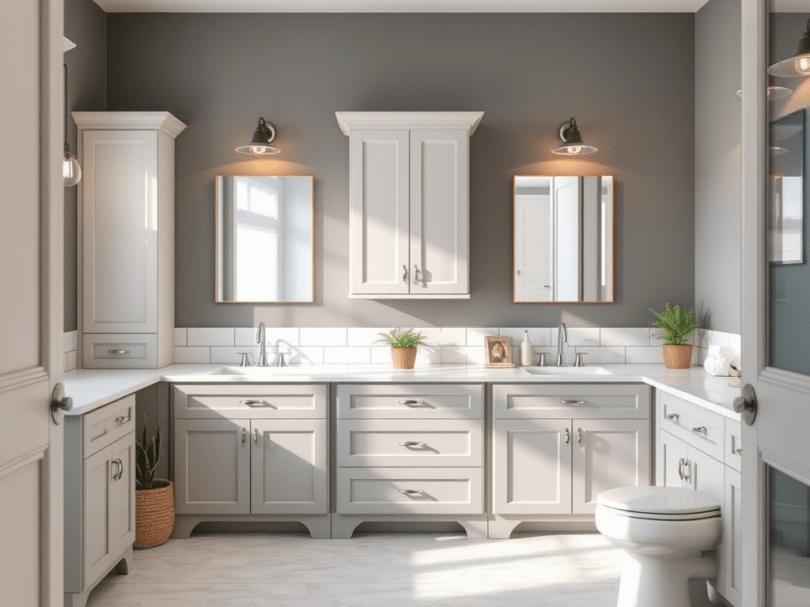
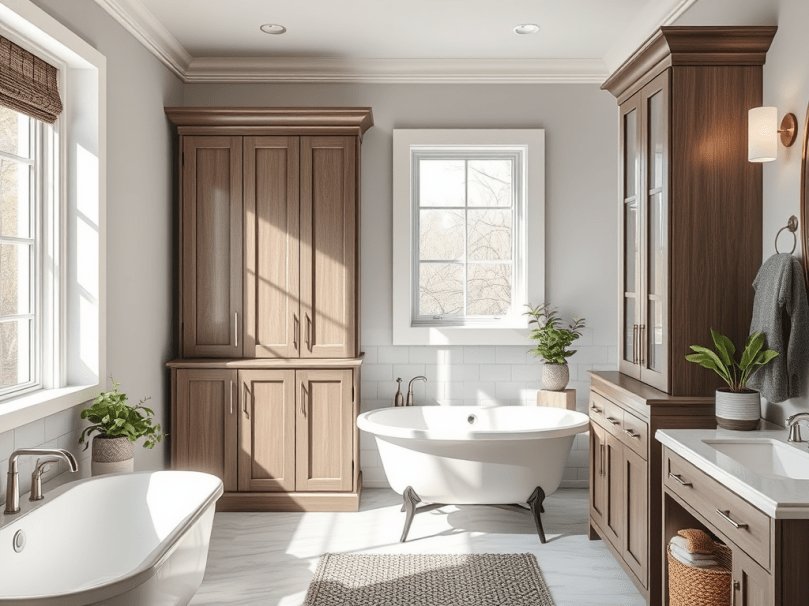
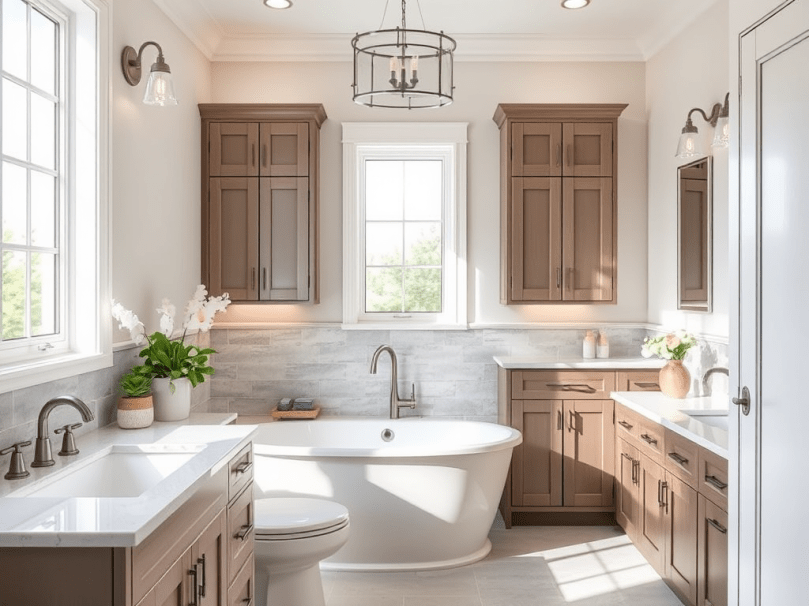
Replacing Bathroom Cabinets: How, When, and Budget-Friendly Options


Bathroom cabinets are more than just storage—they set the tone for your bathroom’s style and functionality. Over time, though, they can start to look outdated, worn down, or just not fit your evolving design. If you’re wondering when and how to replace them (without spending a fortune), this guide will walk you through everything you need to know.


When Should You Replace Bathroom Cabinets?

Not every bathroom refresh requires new cabinets, but there are times when replacing them is the best option:

  • Visible Damage: Water damage, warping, or peeling finishes are hard to fix and usually mean replacement is due.
  • Lack of Storage: If your bathroom feels cluttered even after organizing, it might be time to upgrade to cabinets with better capacity.
  • Style Update: Cabinets can instantly modernize your bathroom. If your current ones are dated, a replacement is a quick style fix.
  • Functionality Issues: Sticky drawers, broken hinges, or warped doors can turn daily use into a headache.

How to Replace Bathroom Cabinets

Replacing cabinets may sound like a big project, but it’s very doable—especially if you’re handy with a screwdriver and a drill.

  1. Measure First
    Take careful measurements of your current cabinet space (height, width, and depth). This ensures the new cabinet will fit perfectly.
  2. Remove the Old Cabinet
    • Shut off water supply if your cabinet has a sink.
    • Disconnect plumbing carefully.
    • Unscrew the cabinet from the wall and remove it.
  3. Prep the Space
    Patch up any wall damage, clean the floor, and check for signs of leaks or mold before installing the new cabinet.
  4. Install the New Cabinet
    • Place the cabinet in position and check that it’s level.
    • Secure it to wall studs with screws.
    • Reconnect plumbing and add the sink top if included.
  5. Finishing Touches
    Add hardware (knobs, handles) and a fresh coat of paint on nearby walls for a polished finish.

Budget-Friendly Bathroom Cabinet Options

Replacing bathroom cabinets doesn’t mean draining your savings. There are plenty of affordable and reliable options available:

  • IKEA: Known for sleek, budget-conscious designs with customizable storage. The GODMORGON series is a favorite for modern bathrooms.
  • Home Depot / Lowe’s: Great selection of ready-to-assemble cabinets. Look for brands like Glacier Bay or Project Source for affordable options.
  • Wayfair: Wide variety of vanities and cabinets at different price points. They often have sales that make upgrades more accessible.
  • Amazon: Surprisingly solid options for pre-assembled cabinets, especially if you’re looking for quick delivery.
  • DIY Refinish: If your cabinet frame is still solid, consider just replacing the doors or refinishing with paint and new hardware. This gives a fresh look at a fraction of the cost.

Final Thoughts

Replacing bathroom cabinets can completely transform your space. Whether your old ones are worn out or you just want a style update, you don’t need a huge budget to make it happen. With the right planning, smart shopping, and a little DIY spirit, you can upgrade your bathroom into something both beautiful and functional.


Loving My Funky Lamp: Turning an Old Find into a Showpiece


Every once in a while, you stumble across a piece that just speaks to you. For me, it was an old, funky lamp. To most people, it probably looked outdated, maybe even a little odd. But I saw something special—the kind of charm you just don’t find in mass-produced lighting.

Actual lamp not available for photos.

This lamp had personality. The base had quirky curves, the finish had seen better days, and the shade was definitely not winning any style awards. But instead of passing it by, I brought it home with the hope of giving it new life.

Seeing Potential in the Funky

What I loved most was that the lamp already had a story. It wasn’t perfect, but it had character, and I knew with a little love and creativity, it could become more than just a source of light—it could be a conversation starter.

The Transformation

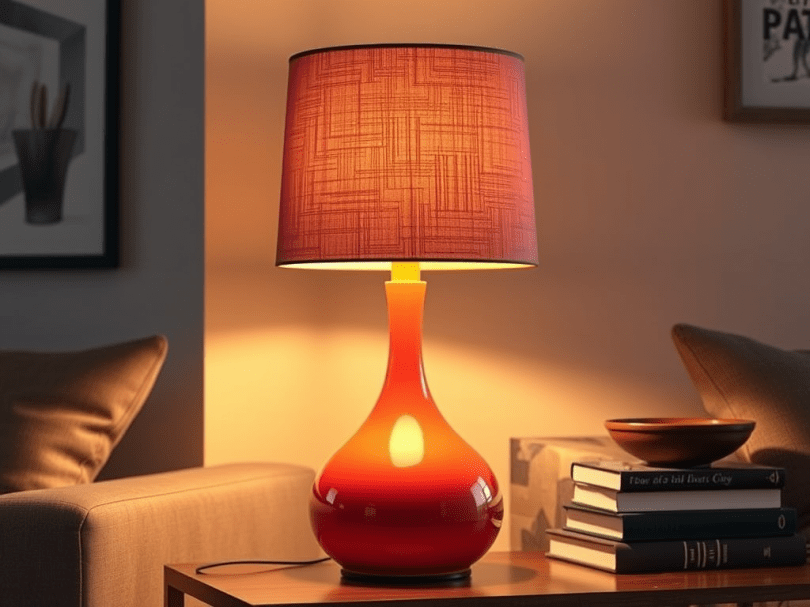
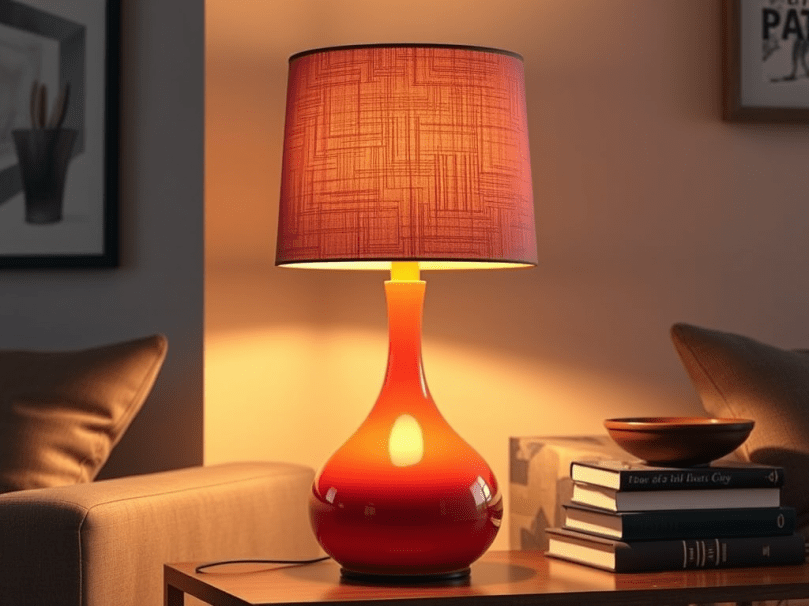
The first thing I tackled was the base. A fresh coat of paint brought out its playful shape and gave it a bold, modern look. I experimented with color until I found the perfect shade that not only stood out but also blended with the rest of my decor.

Next came the lampshade. I swapped the old, tired shade for something fresh—sleek, textured, and just a little dramatic. That simple switch completely changed the vibe of the lamp. Suddenly, my funky find looked like it belonged in a magazine spread.

Styling My Showpiece

Once the lamp was polished up, I gave it pride of place on a side table in my living room. I styled it with a few stacked books and a small decorative bowl so it felt intentional. The lamp instantly elevated the entire corner of the room.

Now, whenever friends or family visit, they always ask about “that lamp.” It makes me smile because what started as an odd, overlooked piece has become one of my favorite details in my home.

Why I Love It

What I love most is that my funky lamp isn’t just a lamp anymore—it’s a reflection of my style, my creativity, and my willingness to see beauty where others might not. It’s a reminder that home decor doesn’t have to be about buying new, expensive things. Sometimes the most beautiful pieces are the ones we take the time to transform.

So yes, I love my funky lamp. It’s proof that with a little imagination, even the quirkiest find can become a showpiece worth celebrating.


How I Made My Funky Old Lamp a Showpiece

If you’ve got an old, funky lamp lying around—or you spot one at a thrift store—don’t overlook it! With a little creativity, you can turn it into a beautiful showpiece. Here’s how I transformed mine:

1. Clean It Up
First things first: I gave the lamp a good cleaning. Dust and grime can hide its true potential.

2. Refresh the Base
The original finish was dull, so I painted the base. Bold colors make a funky lamp pop, while metallics like gold or brass add instant elegance.

3. Upgrade the Shade
The shade can completely change the vibe. I swapped mine for a modern textured shade that balanced the lamp’s curves and gave it a chic update.

4. Style It Right
Placement matters! I set my lamp on a side table, paired with stacked books and a small accent piece. This helped it feel like a curated design choice rather than just “a lamp in the corner.”

5. Enjoy the Compliments
Now, my funky lamp is one of the first things people notice when they walk in. It’s quirky, stylish, and uniquely mine.

Pro Tip: Don’t be afraid to experiment with color and shade shapes. Funky lamps are meant to stand out, so let them shine!