
Embracing Colors That Contrast Each Other: A Guide to Bold, Beautiful Design


When decorating your home, it’s easy to fall back on safe choices—soft neutrals, muted palettes, or shades that blend seamlessly. But what if your space could radiate personality, vibrancy, and energy just by leaning into color contrast? Using colors that oppose each other can feel daring, but when balanced well, it transforms an ordinary room into a standout statement.

Understanding the Color Wheel

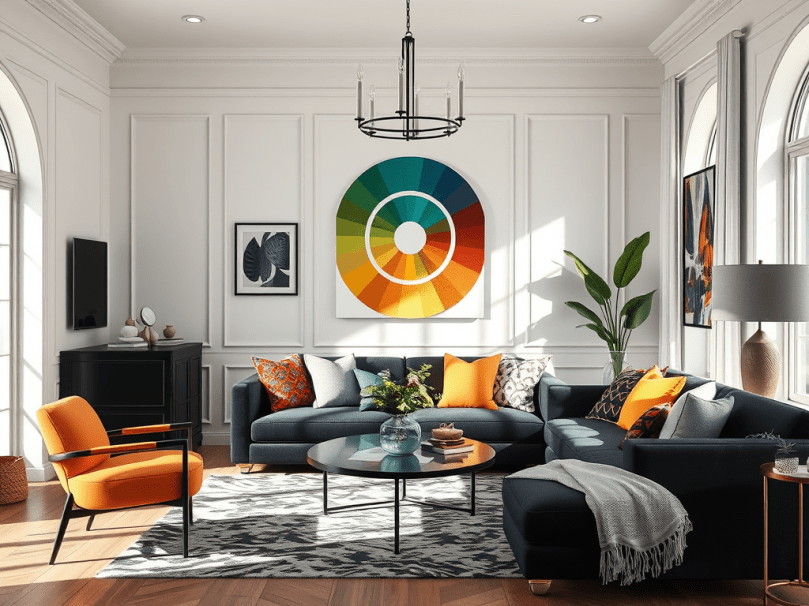
To truly embrace contrasting colors, it helps to know the basics of the color wheel:

  • Primary Colors: Red, blue, yellow. These form the foundation.
  • Secondary Colors: Green, orange, purple. These are made by mixing primaries.
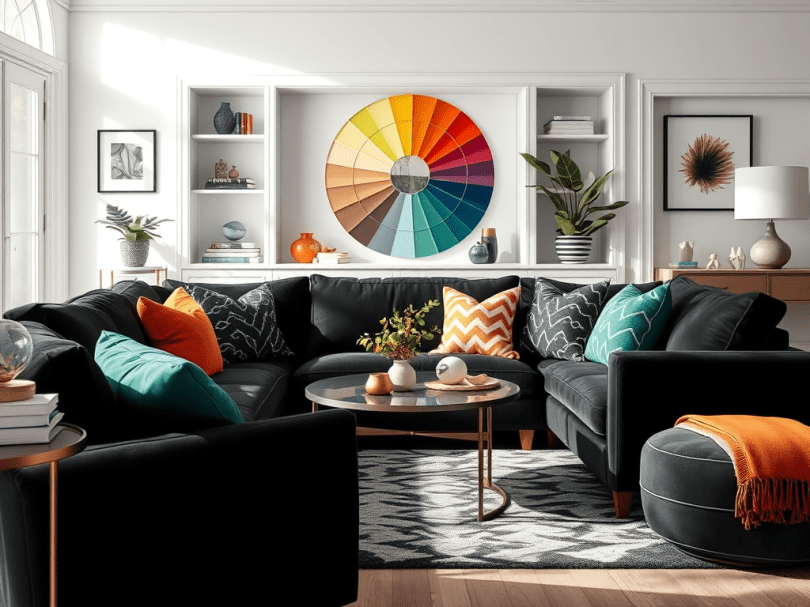
  • Complementary Colors: Opposite each other on the wheel, like blue & orange, red & green, yellow & purple. These pairs create the strongest contrast and instantly draw the eye.

Designers often use complementary contrast to create bold, eye-catching spaces while balancing them with neutrals or textures to keep things harmonious.


Why Contrast Works in Home Design

Our eyes are naturally drawn to contrast—it creates movement, interest, and balance. Without it, rooms can feel flat or unfinished. Contrast highlights shapes, makes colors pop, and adds depth. It’s the secret to giving your home that “wow” factor.


Inspirational Ways to Use Contrast

1. Modern Drama: Black & White with a Twist

Start with the classic high-contrast base of black and white. Add one bold accent color—like emerald green or fire-engine red—for a sleek, modern edge. A black sofa with crisp white walls and golden-yellow throw pillows? Instant sophistication.

2. Playful Pop: Blue & Orange

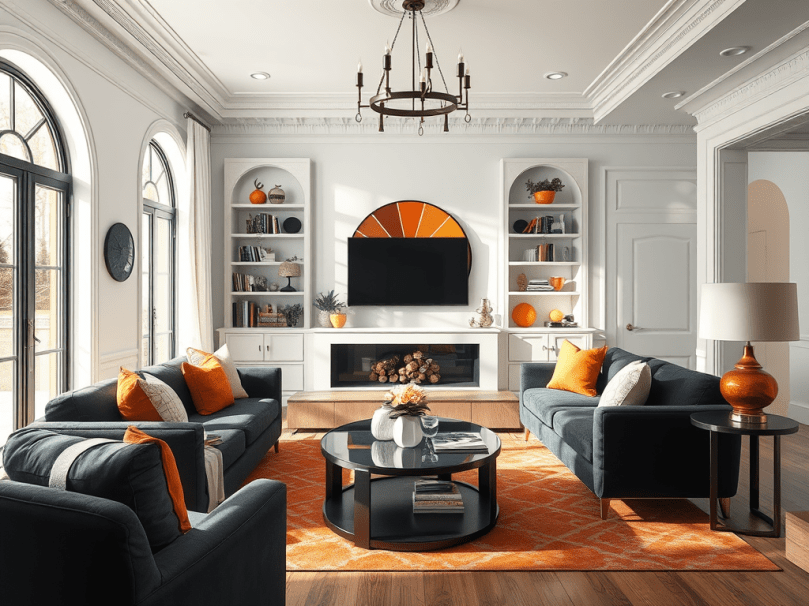
This is one of the boldest complementary duos. Think navy walls with burnt-orange accents—pillows, rugs, or even a cozy armchair. The mix feels both vibrant and balanced, especially when anchored with wood tones.

3. Earthy Eclectic: Purple & Yellow

Perfect for boho-inspired spaces. Pair a deep plum rug with mustard-gold curtains or artwork. Layer in natural textures—rattan, linen, or plants—to soften the look while still celebrating contrast.

4. Soft Boldness: Green & Pink

For those who want something striking but not overwhelming, this pairing is versatile. A blush sofa against a forest-green wall feels fresh and calming while still packing a punch.


Tips for Making Contrast Work

  1. Follow the 70/20/10 Rule: Use one main color (70%), a contrasting accent (20%), and a third pop or neutral (10%).
  2. Ground with Neutrals: White, beige, or gray keep bold pairings from feeling chaotic.
  3. Experiment with Textures: Contrasting colors look best when layered with different finishes—velvet against wood, matte paint with glossy tile.
  4. Start Small: If you’re hesitant, begin with throw pillows, artwork, or a rug before committing to paint or furniture.
  5. Match the Mood: Bright contrasts energize (perfect for kitchens or living rooms), while softer contrasts soothe (ideal for bedrooms or bathrooms).

Try This at Home

  • Add a pair of contrasting throw pillows to your sofa.
  • Paint a contrasting accent wall behind your bed or desk.
  • Introduce a bold rug with colors opposite your current decor.
  • Use artwork to experiment with contrasts before committing to bigger changes.
Final Thoughts

Embracing contrasting colors isn’t about clashing—it’s about balance, energy, and expression. When you step away from “safe” color pairings, you open the door to a home that feels alive, unique, and undeniably you.

So next time you’re choosing decor, don’t just ask, “What matches?” Ask instead: “What contrasts beautifully?” That’s where the magic happens.
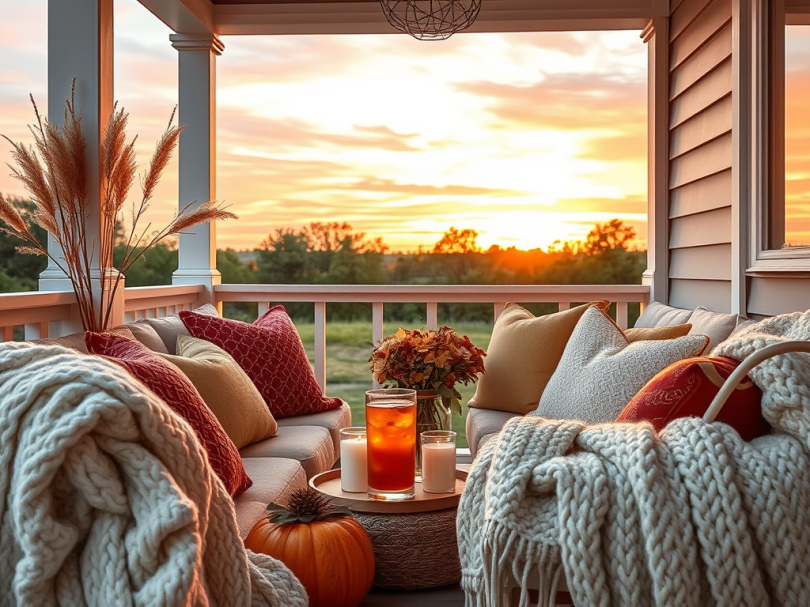
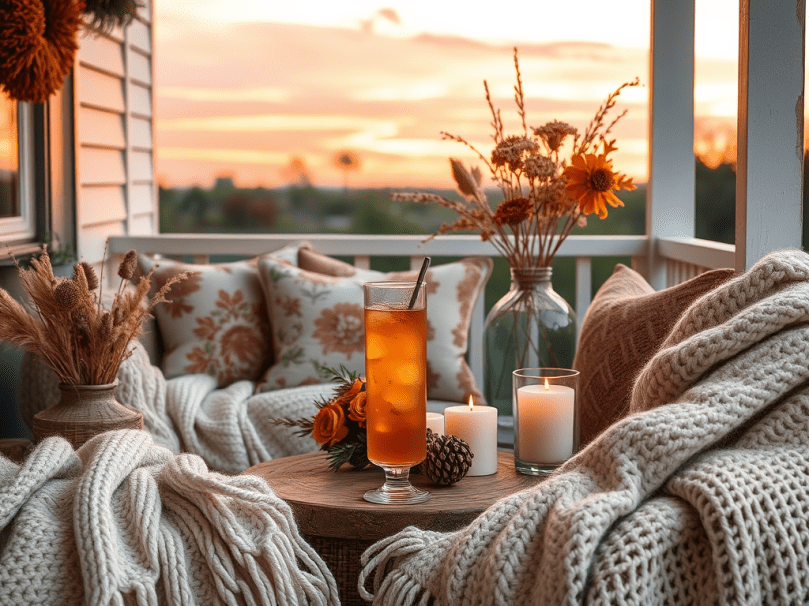
From Summer to Fall: Embracing the Last Day of August and Moving Into September


There’s something about the last day of August that feels like a pause between heartbeats. The air is still warm and heavy with summer, but there’s a whisper of change—cooler mornings, softer light, and that familiar tug that says autumn is quietly arriving.

I always find myself lingering a little longer in these late-summer days. Sitting on the porch with a glass of iced tea, watching the sky shift into those golden pinks of an August sunset, or leaving the windows open at night just to hear the crickets sing one more time. It’s in those small moments that summer says goodbye, not with a grand finale, but with a gentle fade.

But September doesn’t rush in—it tiptoes. And that’s what I love most. This is a season of overlap, where summer and fall meet in the middle. It’s peaches and berries beside apples and pumpkins. It’s light, airy linens beside the first cozy throws. It’s sunlight streaming in during the day and a soft candle flickering by evening.

In my home, this transition is one of my favorite times to refresh. I don’t box up summer all at once—instead, I layer in little pieces of fall:

Cozy Throws & Pillows – A light cotton throw on the couch becomes layered with a chunky knit. Bright summer pillows mix with warm rusts, olive greens, and neutrals.
Seasonal Scents – I trade my citrus candles for softer notes—vanilla, cedarwood, or apple spice. The scent alone can make a home feel ready for fall.
Natural Accents – Summer flowers in a vase give way to dried stems, eucalyptus, or even a simple bowl of pinecones and acorns gathered on a walk.
Warm Lighting – Lamps with soft, golden bulbs create the perfect cozy glow as evenings stretch a little longer.

I’ve always thought of September as a “second new year.” Maybe it’s the back-to-school energy in the air or the fresh start that fall seems to bring, but I can’t help but reset my routines. I jot down new goals, plan small seasonal joys (like apple picking or baking a pie), and let myself slow down a little after summer’s fast pace.

And that’s the heart of it—this season isn’t about rushing forward or holding on too tightly. It’s about balance. Summer’s lightness stays with us, even as we welcome autumn’s comfort. Both belong here, for now.

So on this last day of August, I’ll hold onto the sunshine a little longer, let the windows stay open, and say a quiet thank you to the season that’s carried me through. Tomorrow, I’ll step into September—ready for sweaters, candles, crisp mornings, and all the cozy beauty that fall brings.

Transitioning from summer to fall doesn’t have to be rushed—it’s a time to savor what’s ending while making space for what’s coming. Here are a few ways to embrace this beautiful seasonal shift:

1. Savor the Final Moments of Summer

Before you tuck away your summer essentials, take a moment to enjoy them one more time. Plan a picnic at the park, spend a late evening watching the sunset, or make your favorite summer recipe. It’s a way of honoring the season before moving on.

2. Refresh Your Home for September

This transition is a perfect time to give your home a seasonal reset. Swap out lightweight throws for something a little cozier, add a candle or two with warmer notes like vanilla or amber, and bring in natural textures—think woven baskets, wood accents, or dried florals. Small touches can make your home feel ready for fall without saying goodbye to summer too soon.

3. Embrace Seasonal Foods

August and September overlap with some of the best flavors—ripe berries and juicy peaches alongside the first signs of crisp apples and earthy pumpkins. Mix both worlds in your meals: a summer salad with grilled peaches one night and a spiced apple dessert the next.

4. Set Fresh Intentions

September has a way of feeling like a “second new year.” Kids head back to school, routines fall back into place, and there’s a natural sense of starting fresh. Take a moment to write down goals, intentions, or even simple seasonal joys you want to experience—like a fall foliage hike, apple picking, or hosting a cozy dinner with friends.

5. Welcome the Slower Rhythm

Summer is all about movement and energy, but fall invites us to slow down. As the days gradually shorten, let yourself lean into that shift—trade late nights for earlier mornings, embrace a cup of tea before bed, or spend more time journaling and reflecting.


Cozy takeaway for your home: Don’t pack summer away all at once. Instead, let the two seasons mingle. Layer textures, swap scents, and bring in natural elements slowly. It makes the shift from August to September feel soft, intentional, and full of charm.


First Time Decorating Your Home for the Holiday Season: Tips to Prep, Style, and Shine


Decorating your home for the holiday season for the very first time is exciting, but it can also feel a little overwhelming. Whether you’re celebrating Christmas, Hanukkah, Thanksgiving, or even just the winter season in general, this is your chance to create a warm and festive atmosphere that reflects who you are. The good news? You don’t need to go over the top or spend a fortune to make your home feel magical. It’s all about planning, prepping, and adding personal touches that fit your evolving style.

Step 1: Prep Your Space

Before you hang a single decoration, start by prepping your home. A little organization goes a long way in making your holiday decor stand out.

  • Declutter: Put away everyday items that may compete with your decorations. A clear space gives your holiday pieces room to shine.
  • Deep Clean: Focus on high-traffic areas like your entryway, living room, and dining space—these will be your holiday showpieces.
  • Assess Your Layout: Rearrange furniture if necessary to make room for a tree, a menorah display, or a seasonal centerpiece.

Think of this as creating a blank canvas so your holiday style can really pop.

Step 2: Start Small and Build

If it’s your first time, you don’t need to decorate every corner of your home. Choose a few focal points—your front door, mantel, dining table, or living room. Invest in versatile decor that can grow with you year after year.

  • Wreaths and Garlands: Perfect for entryways or staircases, and easy to personalize.
  • Candles and Lighting: String lights, lanterns, or seasonal candles instantly create warmth and coziness.
  • Tabletop Accents: Seasonal runners, napkin rings, or a simple vase filled with pinecones, ornaments, or fresh greenery can elevate your dining space.

Step 3: Stick to a Color Palette

Your style will naturally evolve over the years, but choosing a color palette now helps tie everything together. Traditional red and green, cozy neutrals, or modern metallics—pick what feels right to you. From there, you can slowly add pieces that blend with your chosen vibe without clashing.

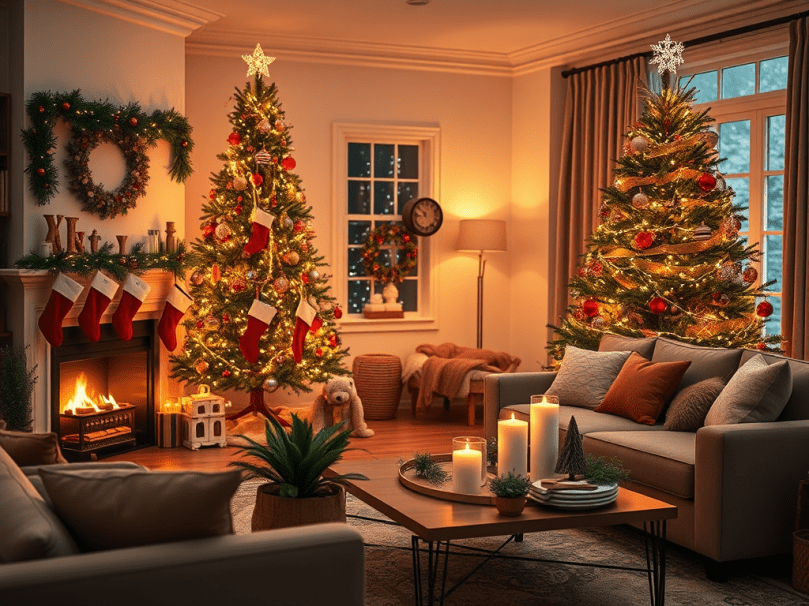
Step 4: A Living Room Example to Get You Started

If you’re not sure where to begin, start with your living room, since it’s usually where you gather with friends and family.

  • The Tree or Focal Piece: If you celebrate Christmas, place your tree in a corner where it won’t block traffic but can still be admired. If not, you could set up a menorah, seasonal candles, or even a large decorative bowl filled with ornaments or greenery on a coffee table.
  • The Sofa Area: Swap out your everyday throw pillows for ones with a hint of the season—velvet textures, cozy knits, or subtle holiday patterns. Add a soft blanket in your chosen color palette.
  • The Mantel (or TV Stand): If you have a fireplace mantel, hang stockings, drape a garland, or add candles. No mantel? Use your TV stand or a floating shelf as a stand-in, styled with seasonal greenery or string lights.
  • Lighting: Add a warm glow with fairy lights or battery-operated candles placed in glass jars. Lighting is what makes a holiday space feel magical.

This one-room approach helps keep the process manageable and ensures you have a cozy, festive hub in your home—even if you don’t decorate anywhere else.

Step 5: Blend Old and New

Even if you’re decorating for the first time, you may already have sentimental items like family ornaments, heirloom candleholders, or handmade crafts. Mix those with fresh, modern pieces to create a balanced look that feels both personal and stylish.

  • Sentimental Touches: Display cards, handmade ornaments, or meaningful keepsakes.
  • Trendy Updates: Layer in trendy accents like velvet ribbon, geometric ornaments, or natural wood textures.

Step 6: Keep It Comfortable

At the heart of holiday decorating is creating a space where you and your guests feel at ease. Don’t let the desire for a “picture-perfect” setup take away from comfort and functionality. Leave space to move around, keep cozy blankets on hand, and don’t overload surfaces.

Step 7: Let Your Style Evolve

Your first holiday season in your own home is just the beginning. Over time, you’ll collect pieces, traditions, and styles that reflect your personality. Maybe this year you start with a minimalist approach, and next year you add more color or layers. The best part is that your decor evolves with you.


Final Thoughts

Decorating your home for the holidays doesn’t have to be stressful. Focus on prepping your space, choosing a color palette, and layering in personal touches. Start with a key room like your living room, then branch out year by year as you find your style. No matter which holiday you’re celebrating, the goal is the same: to create a home that feels warm, inviting, and uniquely yours.


Pumpkins in Home Décor: How to Embrace the Season Without Overdoing It


Fall has a way of sneaking into our homes the moment the leaves begin to change. Suddenly, we’re craving cozy blankets, warm candles, and of course—pumpkins. Love them or leave them, pumpkins are the symbol of the season. But how do we feel about using pumpkins as part of home décor? Can they look stylish without feeling overdone? The answer is yes—if you strike the right balance.

Why We Love Pumpkins in Décor

Pumpkins bring instant warmth and seasonal charm. Their natural colors—orange, white, green, even deep maroon—fit beautifully into fall color palettes. They add a touch of playfulness, and for many of us, pumpkins are a nostalgic reminder of autumn traditions like carving jack-o’-lanterns or visiting pumpkin patches.

But while they’re festive, pumpkins can also feel a little overwhelming if they start taking over every corner of your home. The goal is to bring them in thoughtfully, not clutter your space.

Ways to Decorate with Pumpkins (Without Going Overboard)

1. Stick to a Palette

Instead of scattering bright orange pumpkins everywhere, choose a palette that complements your existing décor. White and neutral-toned pumpkins blend beautifully with minimalist, modern, or farmhouse styles. If your home leans colorful, consider using painted pumpkins or gourds that match your accent hues.

2. Mix Real and Faux

Real pumpkins give that authentic autumn feel, but they don’t last long indoors. Faux pumpkins, on the other hand, can be reused year after year. Mixing the two gives you the texture and warmth of real pumpkins with the longevity and creativity of faux options.

3. Think Beyond the Porch

Pumpkins don’t have to stay on the front steps. Small pumpkins look charming on a mantle, as a centerpiece on the dining table, or even styled on open shelving in the kitchen. Just remember—less is more. Two or three pumpkins grouped with candles or greenery can make a statement without overwhelming the space.

4. Play with Texture

Velvet pumpkins, knit pumpkins, or wooden pumpkins bring in fall vibes without adding more orange. These textured accents can feel more refined and keep your décor looking curated instead of cluttered.

5. Use Them as Accents, Not the Whole Theme

Pumpkins should complement your fall look, not be the entire look. Pair them with other seasonal elements—like eucalyptus, dried leaves, cozy throws, or metallic accents. This way, pumpkins become part of the story instead of the headline.

The Takeaway

Pumpkins in home décor are like pumpkin spice in your coffee—delightful in moderation. They bring warmth, tradition, and a nod to the season, but too many can make your home feel more like a farm stand than a cozy retreat.

So this fall, embrace pumpkins with intention. A few carefully chosen pieces—whether real, faux, or textured—can transform your space into a seasonal haven that feels festive, stylish, and perfectly balanced.


How to Improve the Lighting in Your Home: Creating the Perfect Glow for Every Occasion


Lighting is one of the most underrated design elements in the home. It doesn’t just make your space brighter—it sets the mood, enhances your décor, and makes everyday tasks easier. The right lighting can make your living room cozy, your kitchen functional, and your bedroom a relaxing retreat. If you’ve been thinking about upgrading your home’s lighting, here’s how to do it properly so you can enjoy the best illumination for every occasion.


1. Start with a Lighting Plan

Every room in your home has a different purpose, so your lighting should reflect that. Before you begin upgrading fixtures, ask yourself:

  • What activities happen in this room? (Cooking, relaxing, working, entertaining?)
  • What’s the natural light like during the day?
  • Are there dark corners or areas that need extra brightness?

Creating a plan ensures you’re not just adding random lights but designing an intentional system.


2. Layer Your Lighting

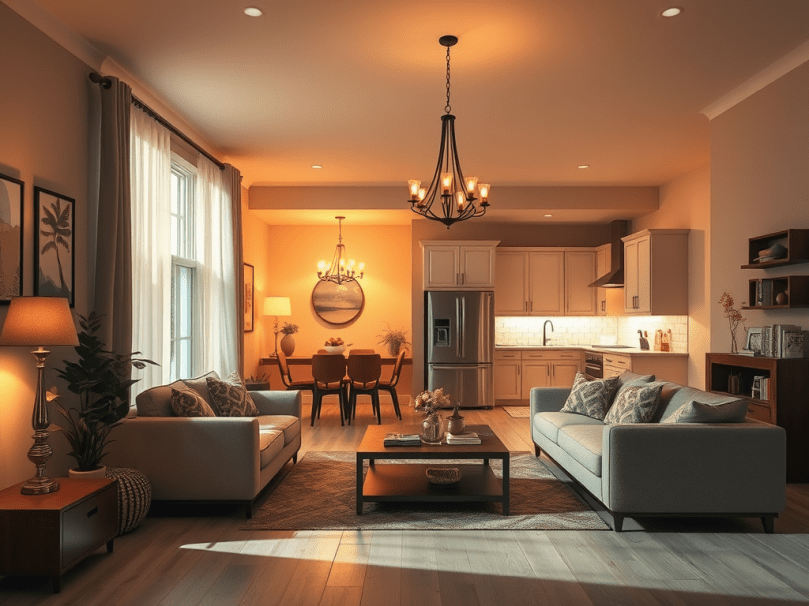
One of the biggest mistakes people make is relying on a single overhead light. While convenient, it can leave your space feeling flat and uninviting. Instead, think of lighting in layers:

  • Ambient Lighting: General illumination like ceiling lights, chandeliers, or recessed lights.
  • Task Lighting: Focused light for specific activities—like under-cabinet lighting in the kitchen or a desk lamp in your office.
  • Accent Lighting: Decorative lighting to highlight artwork, bookshelves, or architectural details.
  • Mood Lighting: Dimmers, wall sconces, or even candles to create a cozy, inviting atmosphere.

By combining these layers, you’ll have flexibility to adjust your space depending on the time of day or occasion.


3. Upgrade Your Bulbs

Sometimes, improving your lighting doesn’t require replacing fixtures—it’s as simple as changing your bulbs.

  • LED bulbs are energy-efficient, last longer, and come in various brightness levels.
  • Color temperature matters: warm white (2700K–3000K) is great for bedrooms and living rooms, while cooler light (4000K–5000K) works best for kitchens and offices.
  • Smart bulbs let you adjust brightness and even change colors with your phone or voice commands—perfect for setting the mood instantly.

4. Install Dimmer Switches

If you want your lighting to work for every occasion, dimmers are a must. They allow you to shift from bright and functional (great for cleaning or working) to soft and relaxing (ideal for dinners or movie nights). Dimmers are an easy, affordable upgrade that makes a huge difference in how your rooms feel.


5. Make Use of Natural Light

Don’t forget about the sun—it’s the best (and free!) source of light you have. Maximize natural light by:

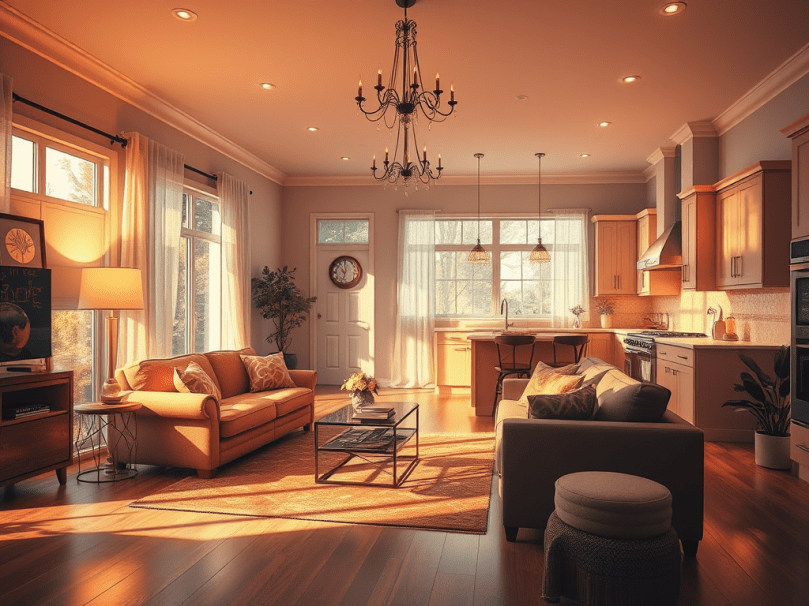
  • Using sheer curtains or blinds that let in daylight while maintaining privacy.
  • Hanging mirrors across from windows to bounce light around the room.
  • Keeping window areas uncluttered so sunlight can flow in freely.

6. Match Lighting to Your Home’s Style

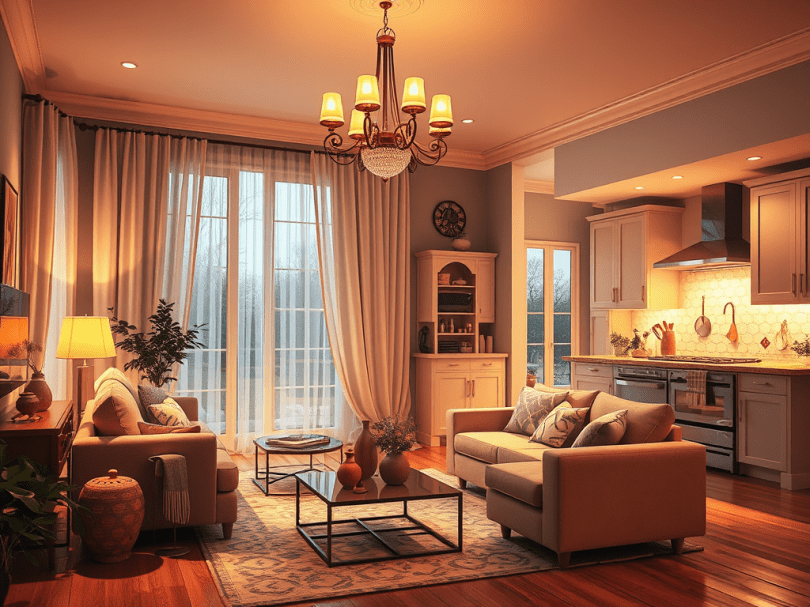
Your fixtures should complement your décor just like furniture does. A modern pendant light can transform a kitchen island, while a chandelier adds elegance to a dining room. Choose lighting that not only functions well but also enhances your home’s aesthetic.


7. Consider Smart Lighting Systems

For ultimate convenience, smart lighting systems like Philips Hue, LIFX, or other app-controlled setups allow you to program schedules, set scenes, and control lighting remotely. Hosting a dinner party? One tap sets a warm, inviting glow. Movie night? Lights dim automatically. It’s both practical and stylish.


Final Thoughts

Good lighting is about more than visibility—it’s about creating the right atmosphere for every moment. By layering different types of lighting, choosing the right bulbs, and using dimmers or smart technology, you can make your home feel both functional and beautiful.

When you invest in proper lighting, you’re not just brightening your rooms—you’re transforming how you live in them.


Tip for Your Next Home Project: Start small. Upgrade the lighting in just one room and see how it changes the feel of your space—you’ll be inspired to keep going!